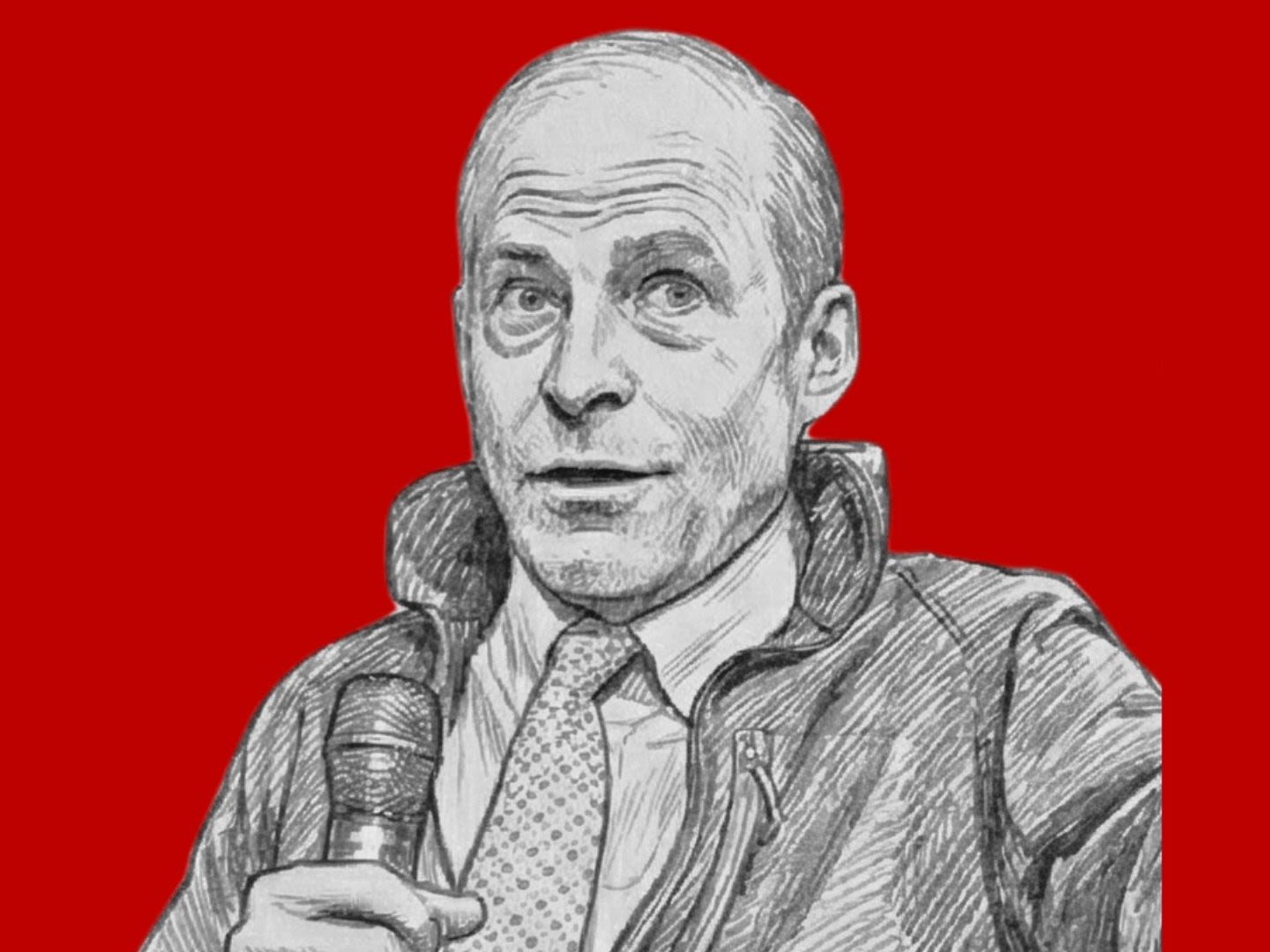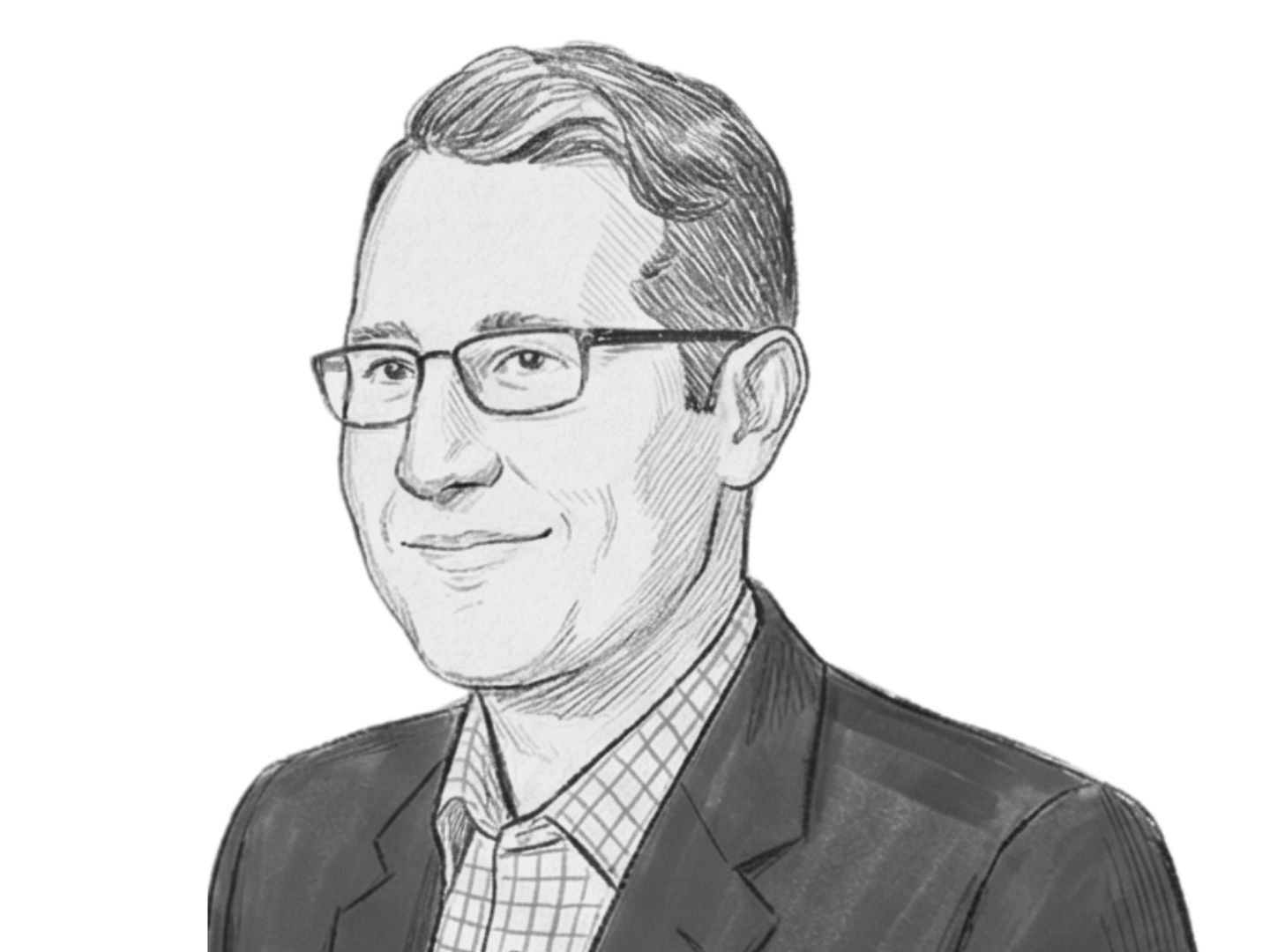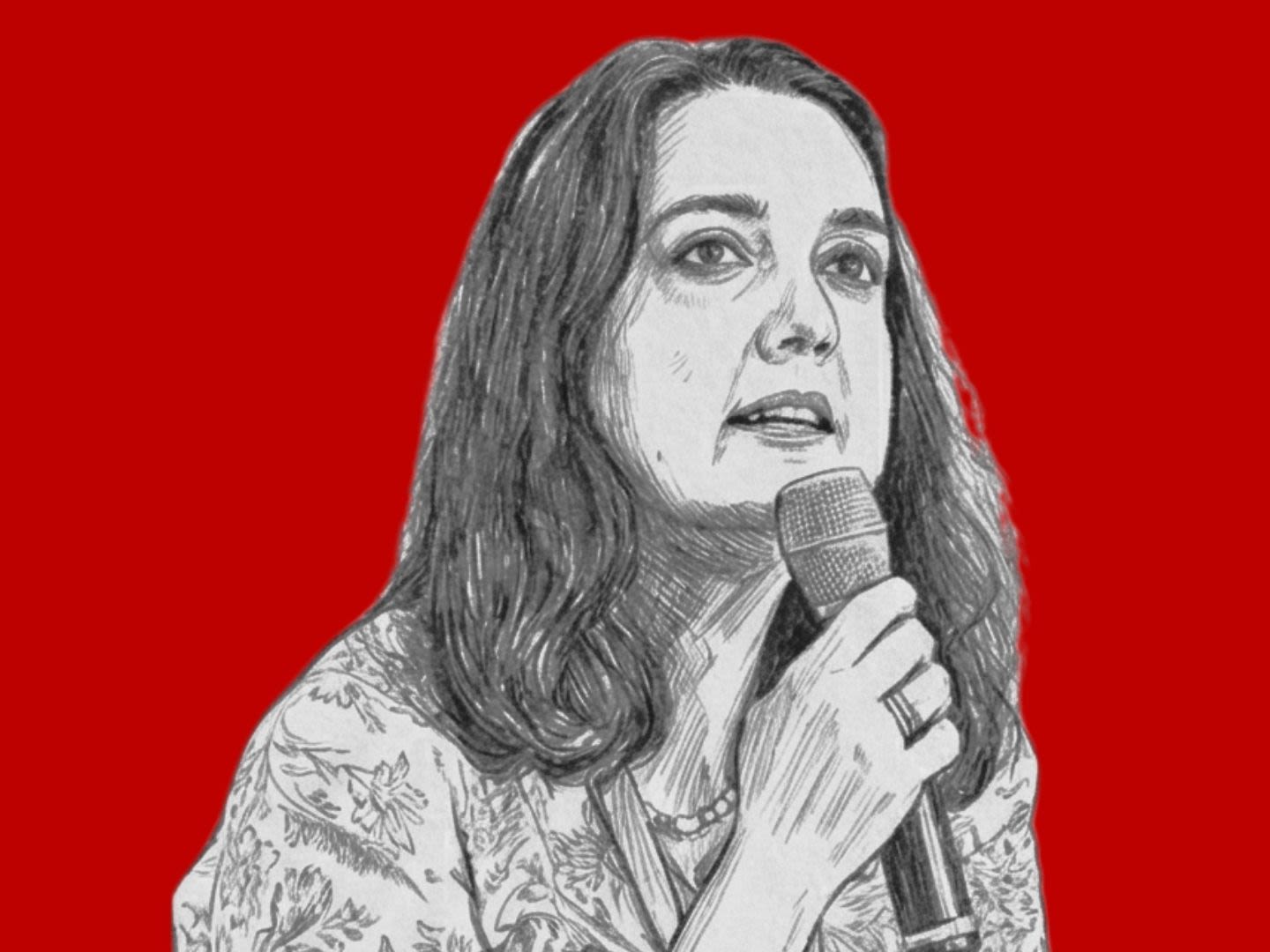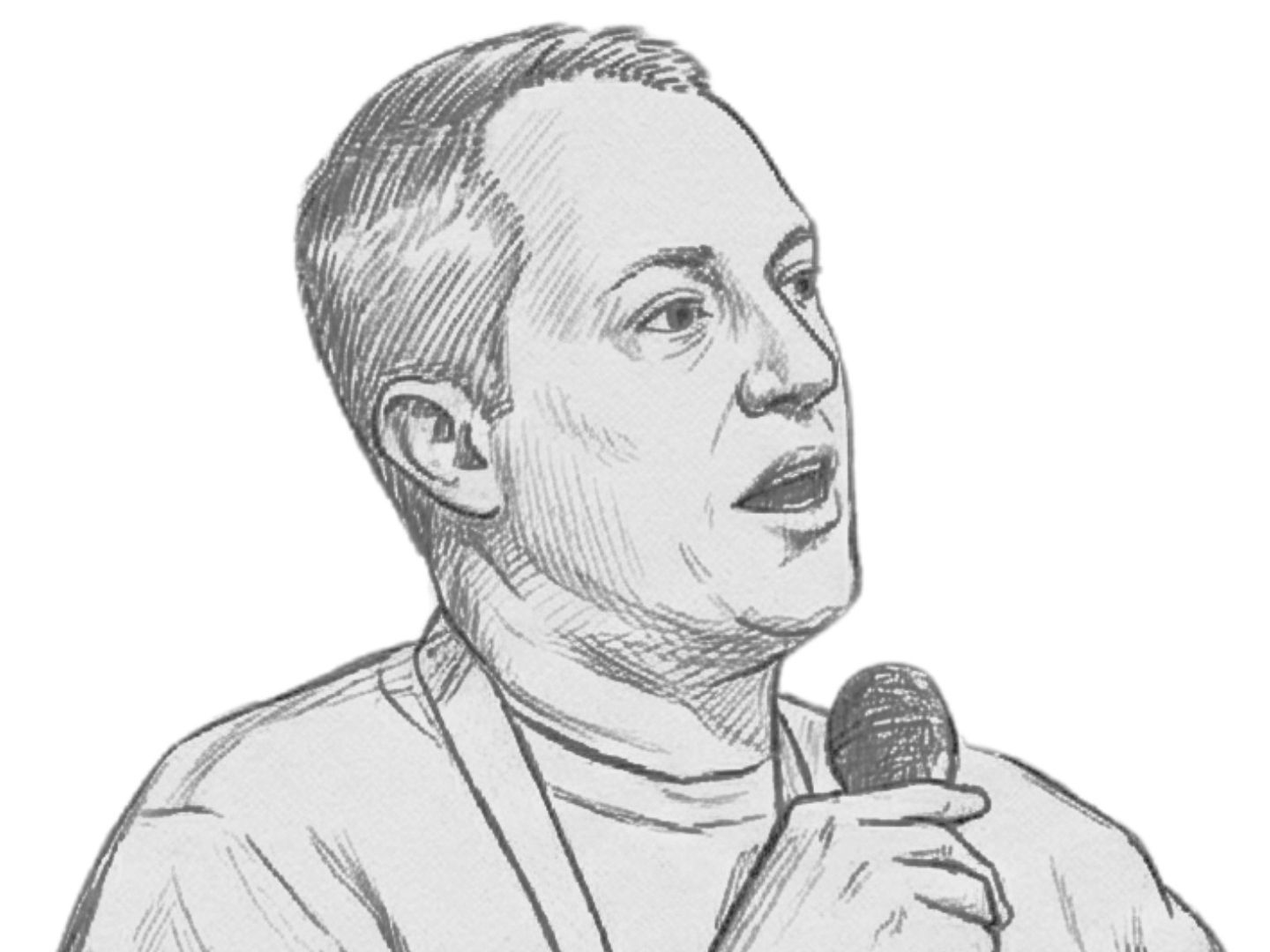



DEVEX

POWER 50

Power doesn’t always correlate with money, but it is a type of currency — influencing policies, people, and purse strings. Those who wield it shape what happens around them, whether on Wall Street, in the White House, or in the global development sector. 


It’s been a year of tectonic shifts in the sector, as the United States and other major donors retrench from foreign assistance and others step up. Who is leading these changes? Adapting to them? Benefiting from them? Devex decided to find out.

Our new Power 50 list pinpoints the individuals who are transforming development as we know it. These aren’t your obvious names (yes, we know U.S. President Donald Trump has upended the U.S. foreign aid system). The most powerful are often the behind-the-scenes players — whether in government, philanthropy, artificial intelligence, multilateral finance, or health — reinventing the concept of helping people in what many see as a post-aid era.

The list reveals clear trends: As bilateral aid drops, all eyes are on philanthropy, development finance, and the private sector to plug gaps — even though the gaps are massive. Then there’s artificial intelligence, which can act as a force multiplier for everything from health to education to food security — if used wisely. And not everyone is hurting for money — emerging donors such as the Persian Gulf states are showing us that bilateral aid isn’t dead quite yet.

Formulating a list like this isn’t an exact science. But the Devex newsroom knows this sector better than anyone, and here’s our best look at the people you’ll truly need to know about in order to follow global progress in 2026.

PLAYERS 1-10

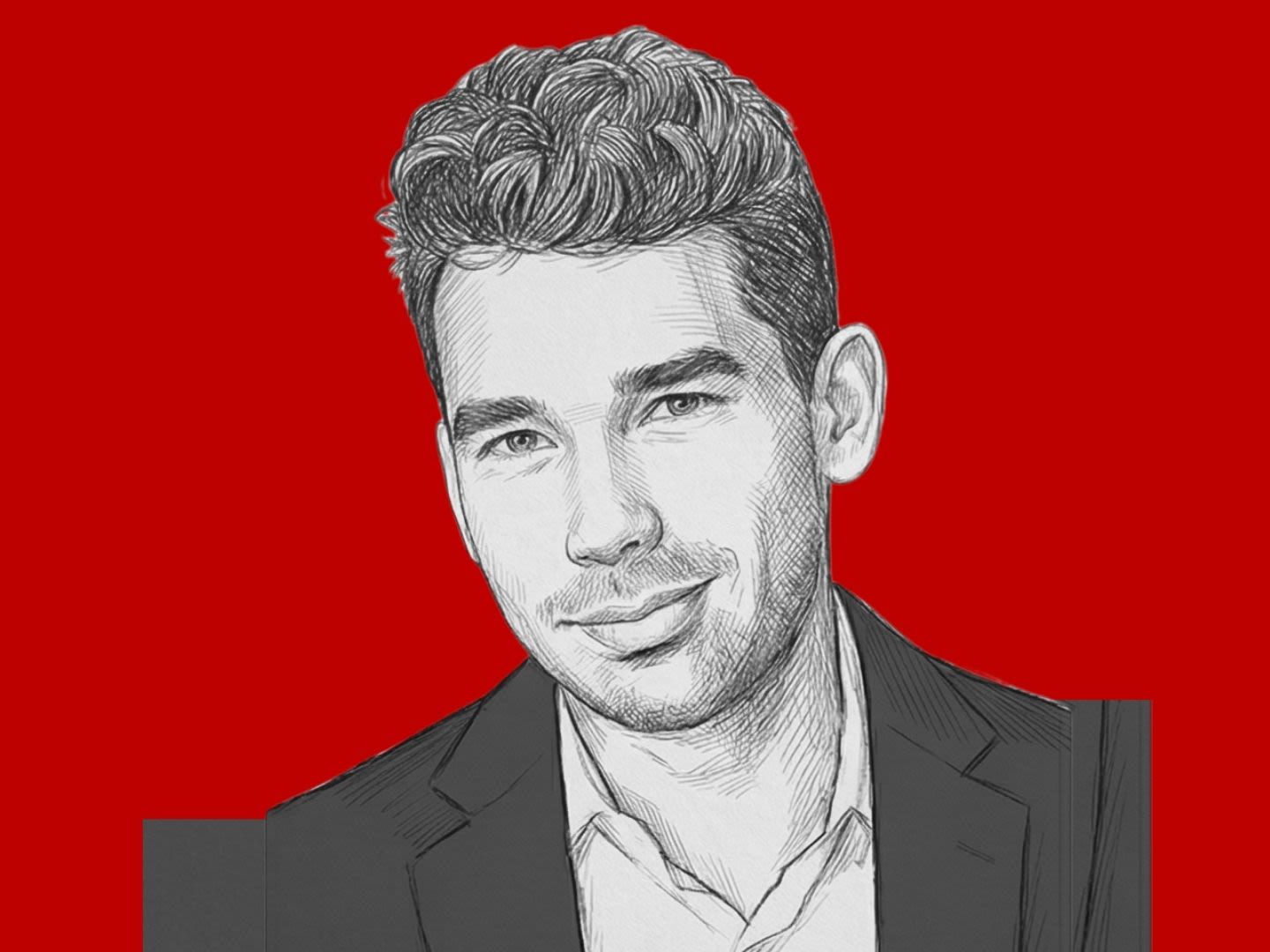
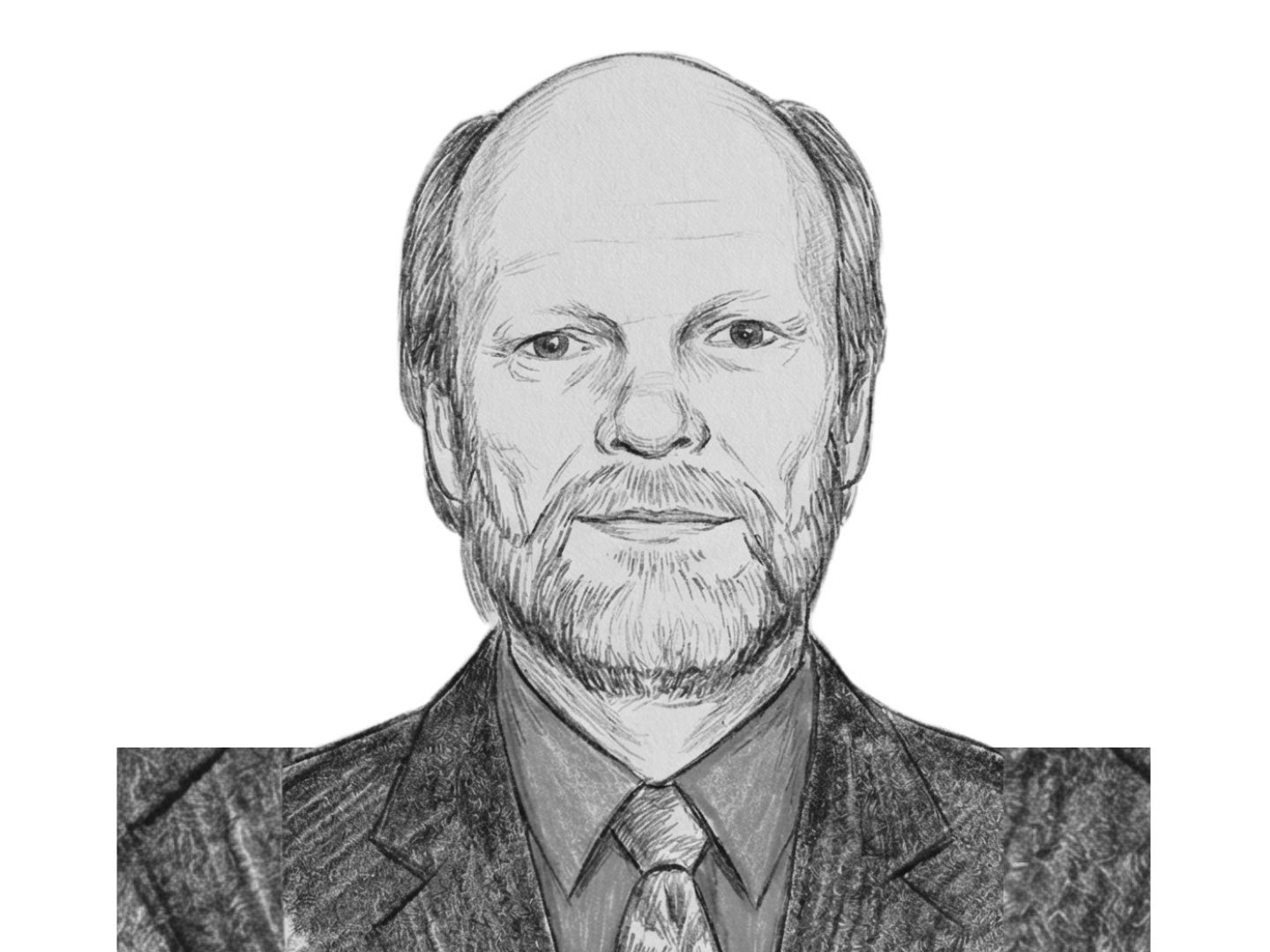
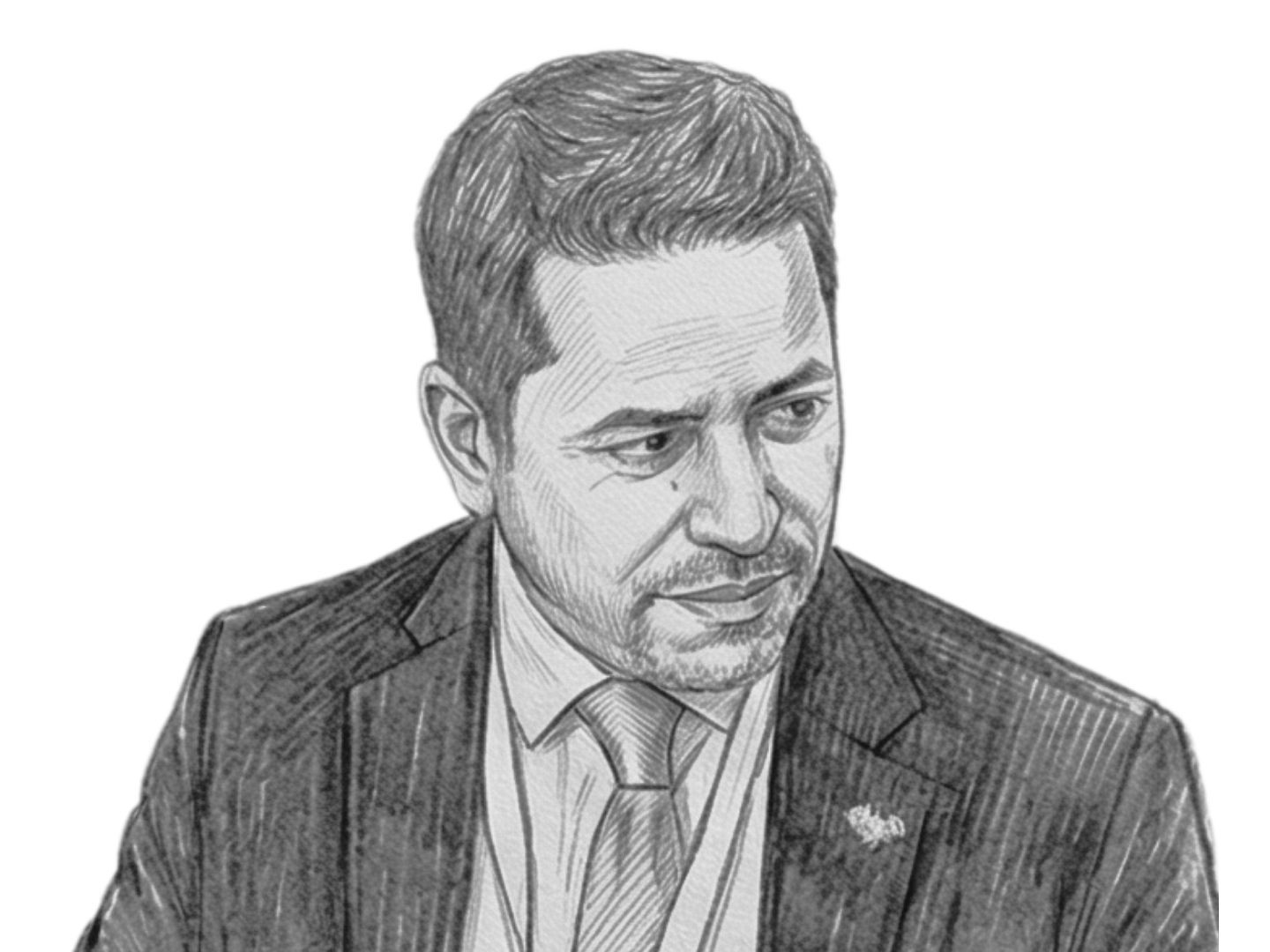
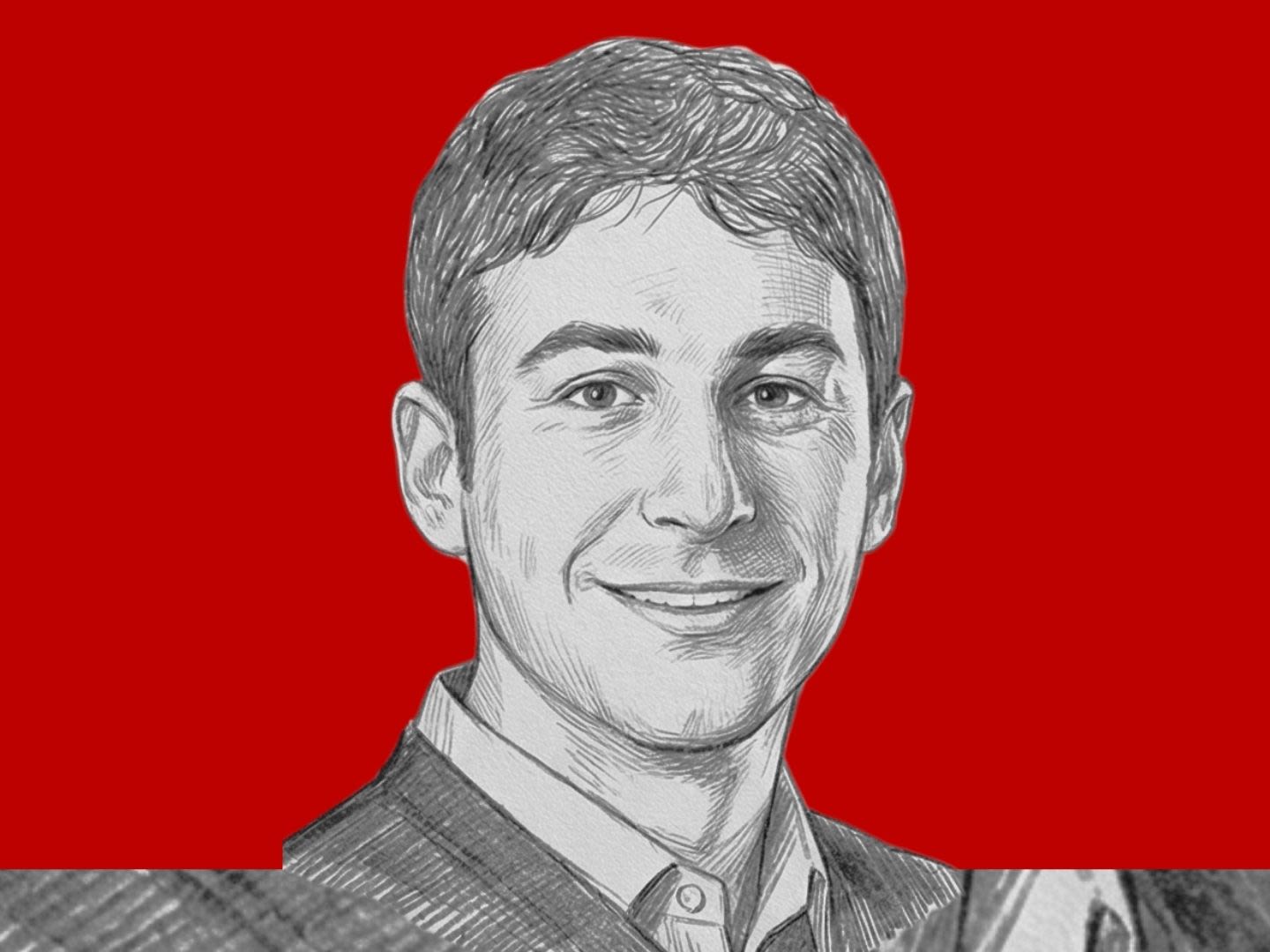
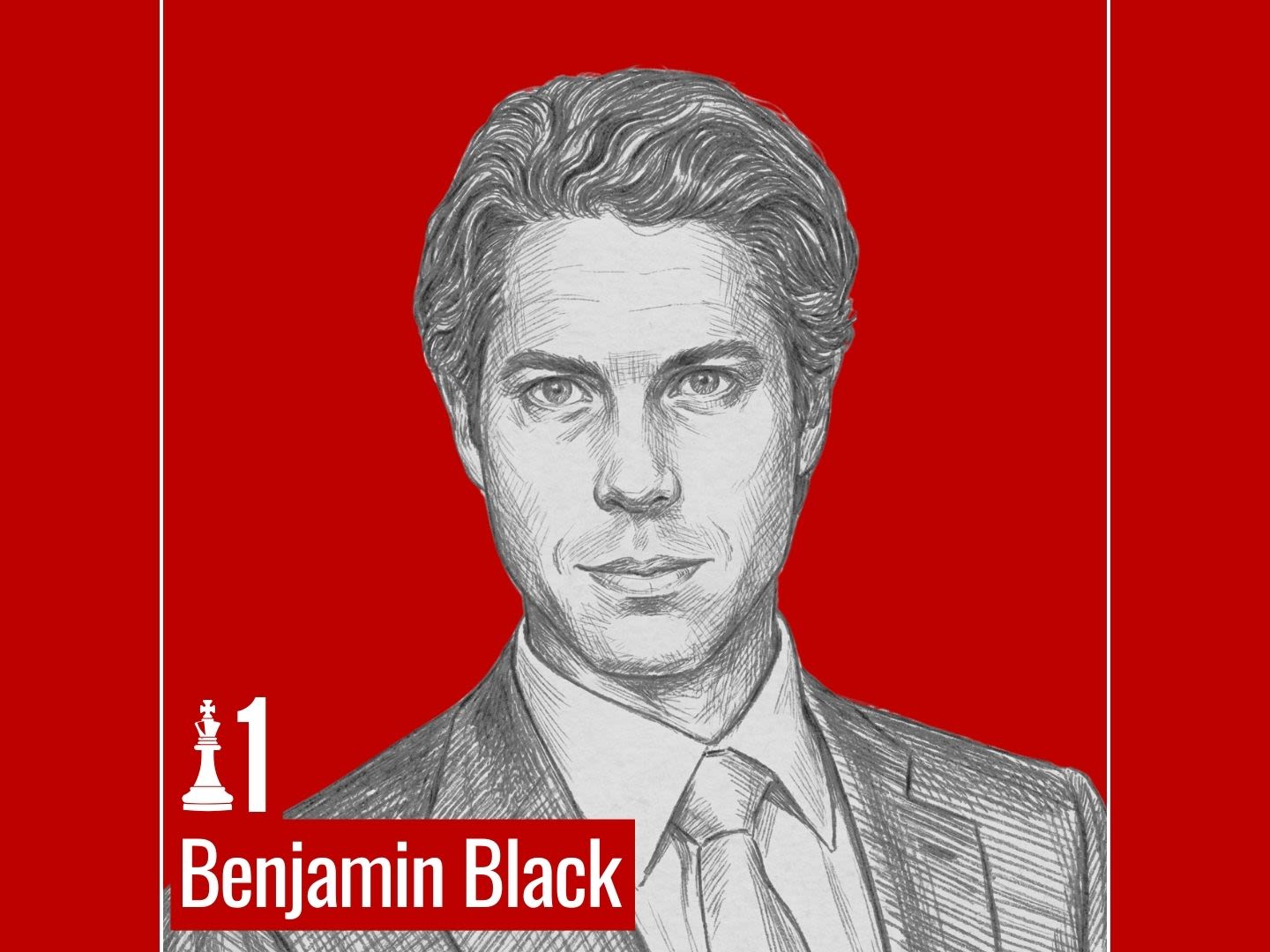
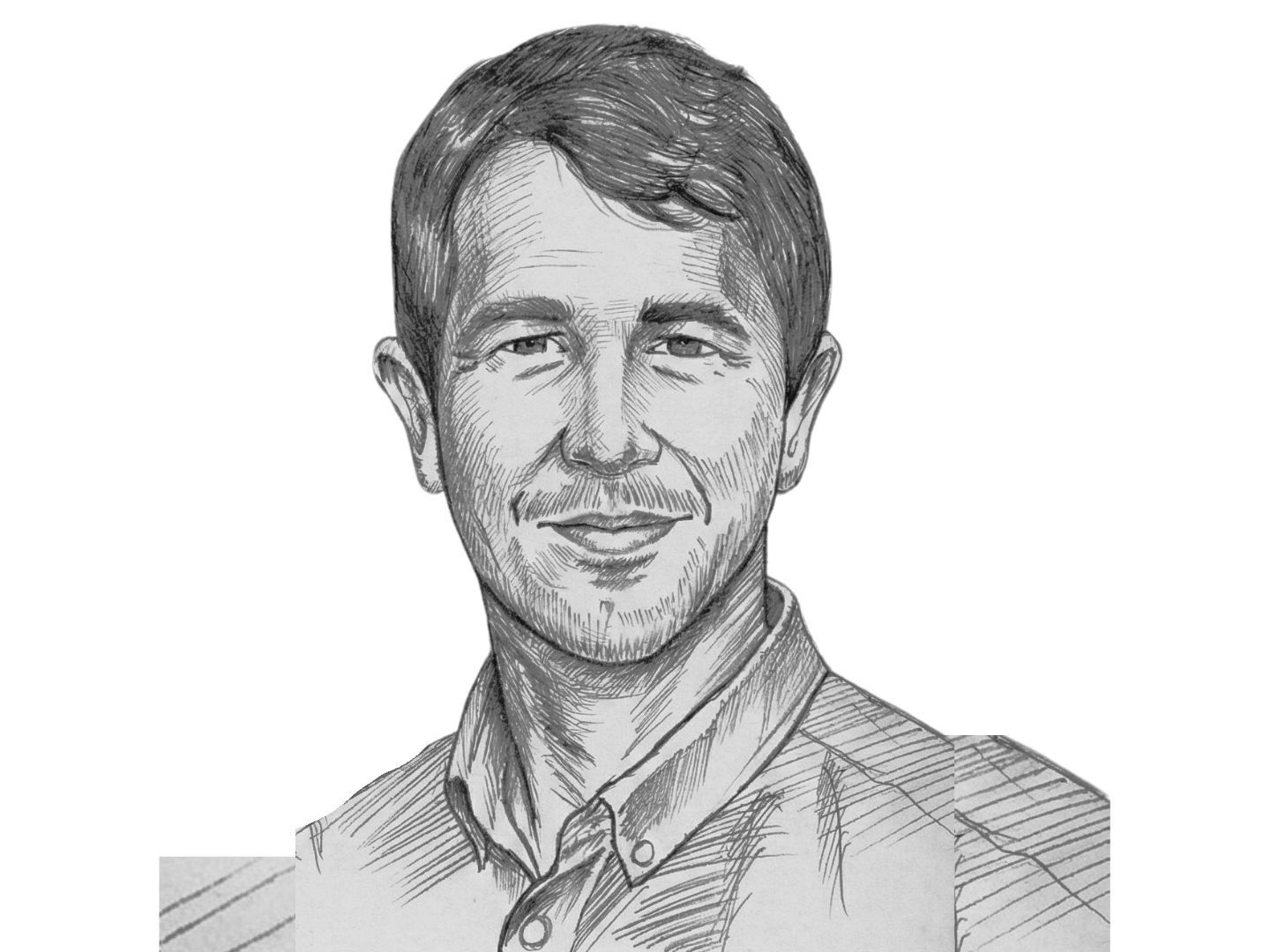
1. Benjamin Black
Chief executive officer | U.S. International Development Finance Corporation

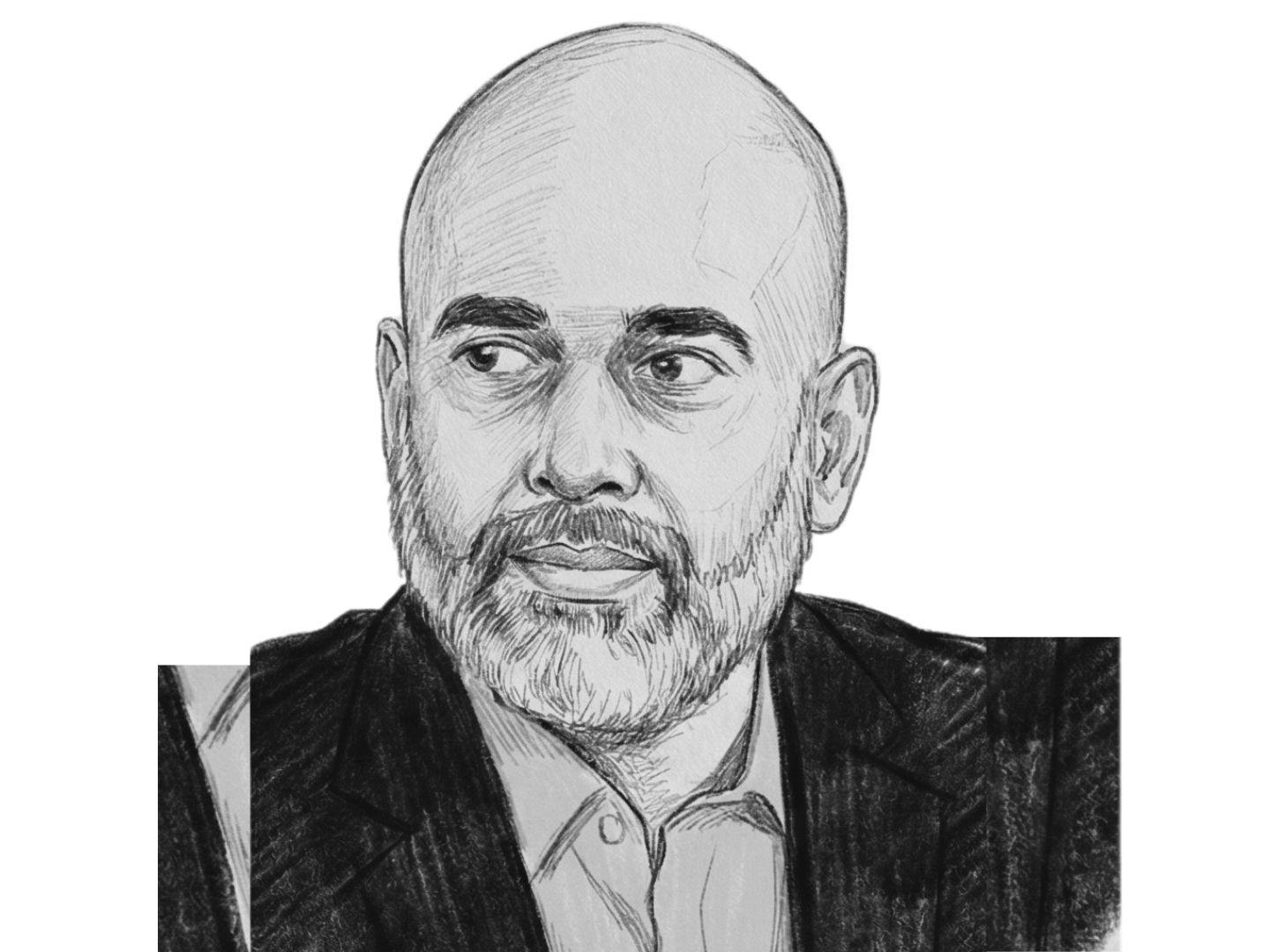
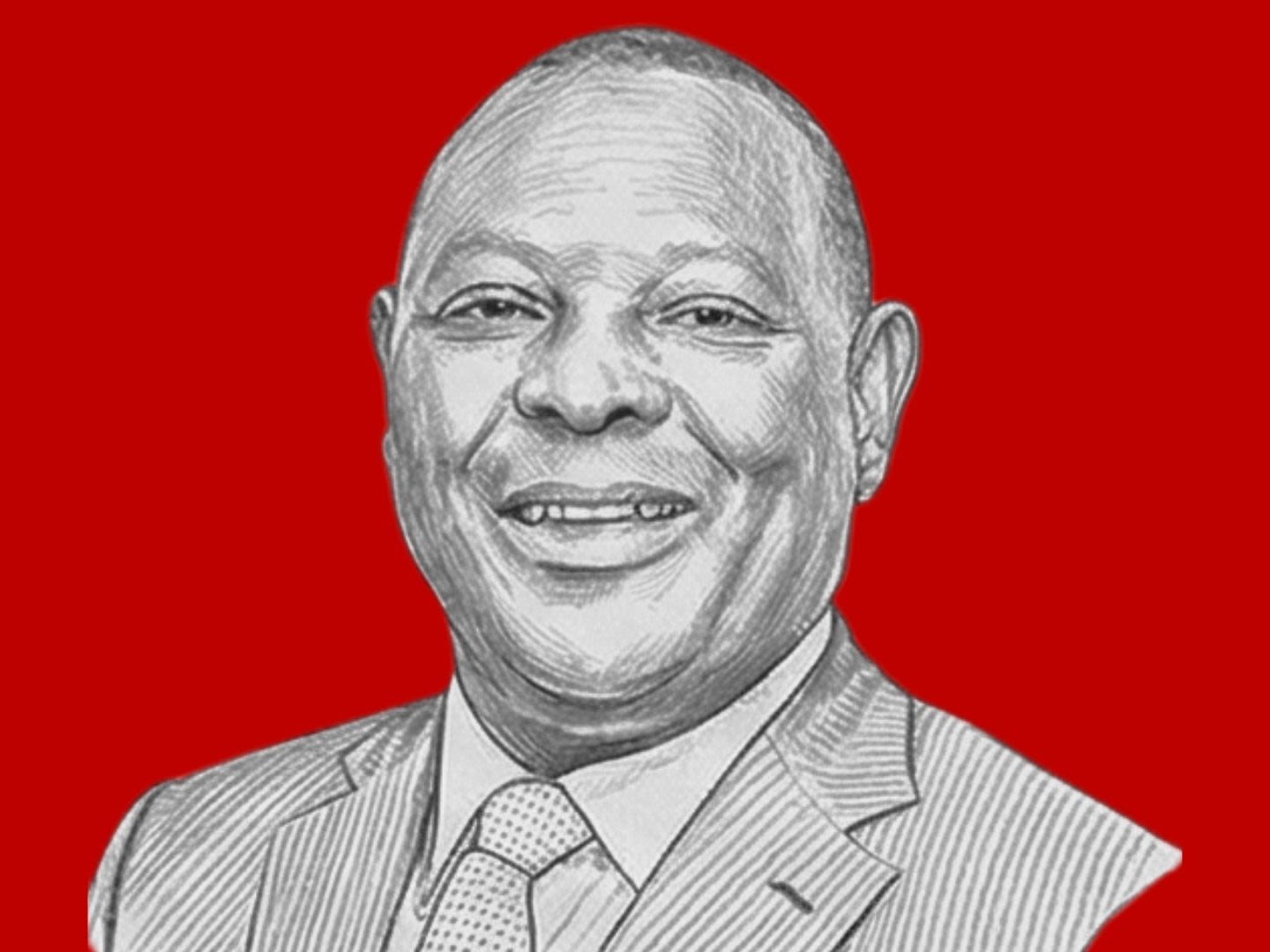
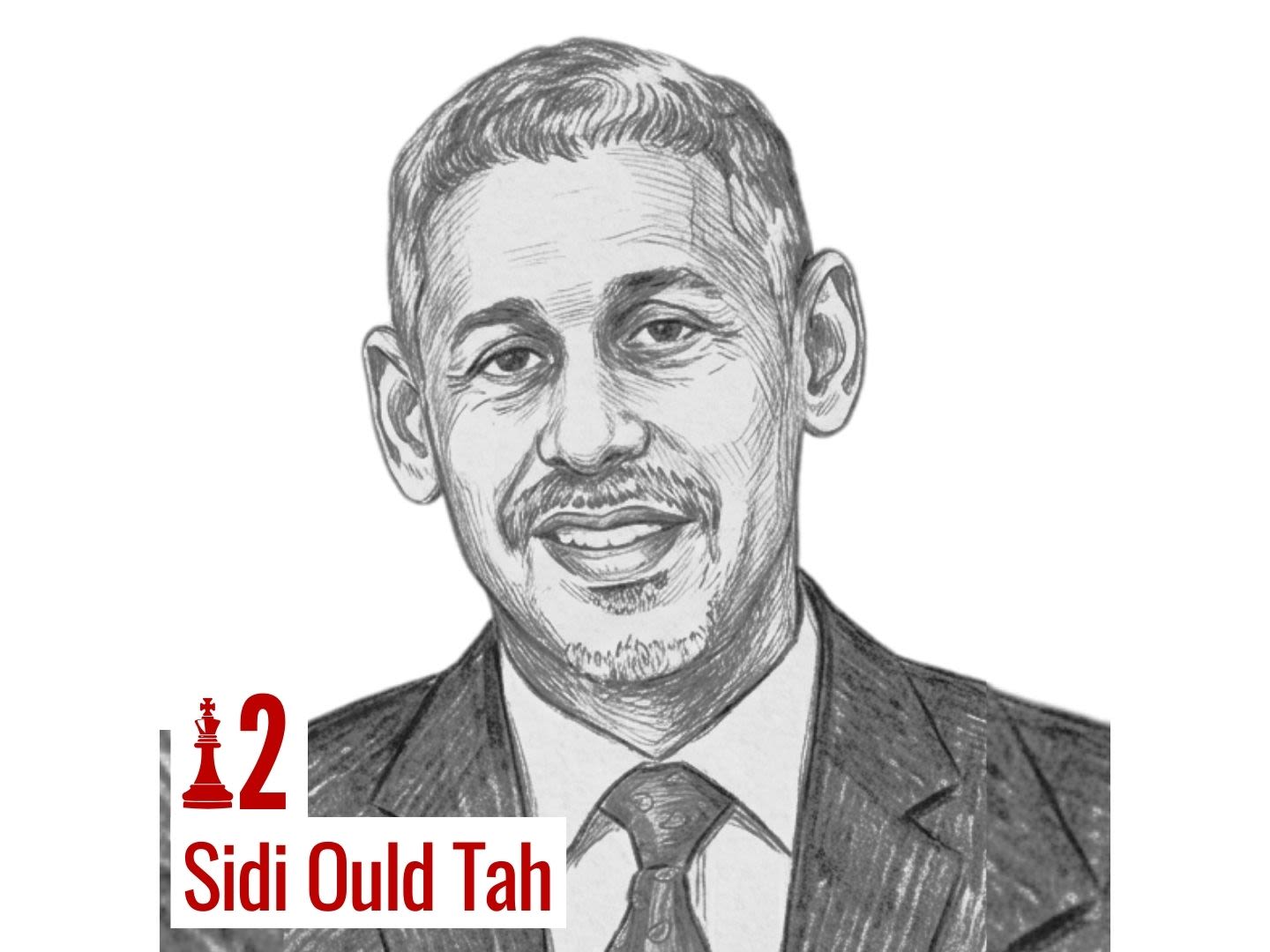
2. Sidi Ould Tah
President | African Development Bank

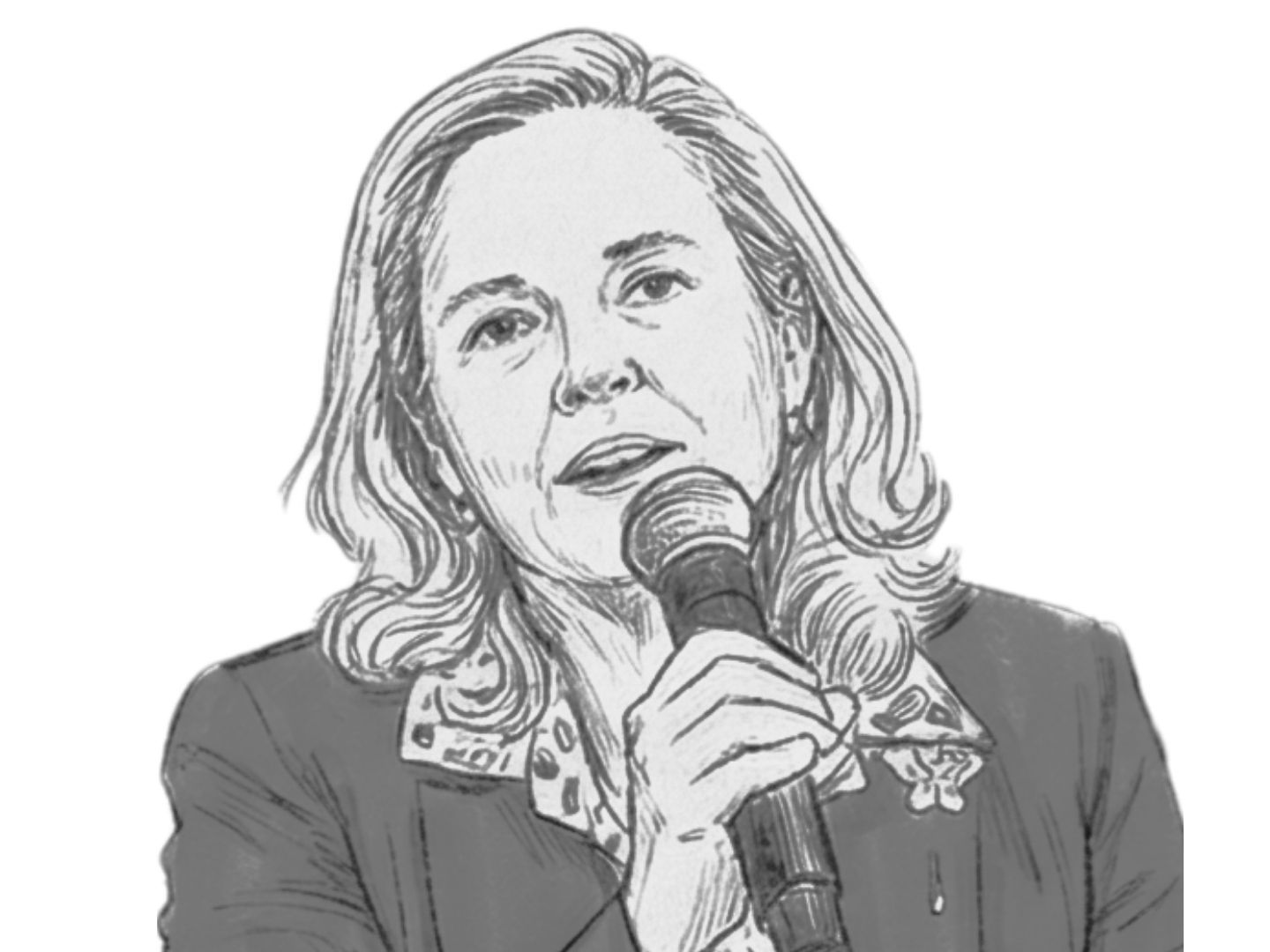
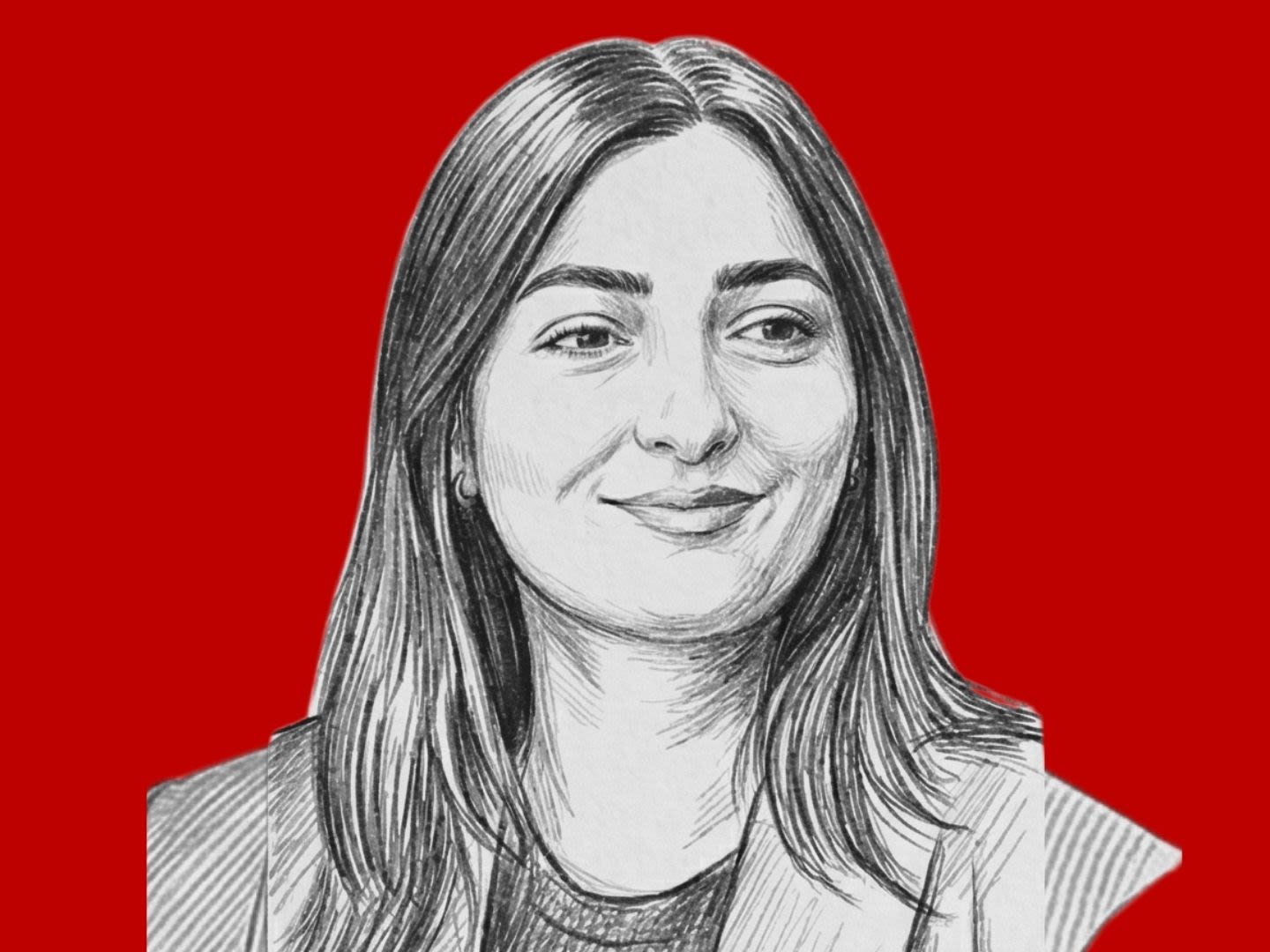
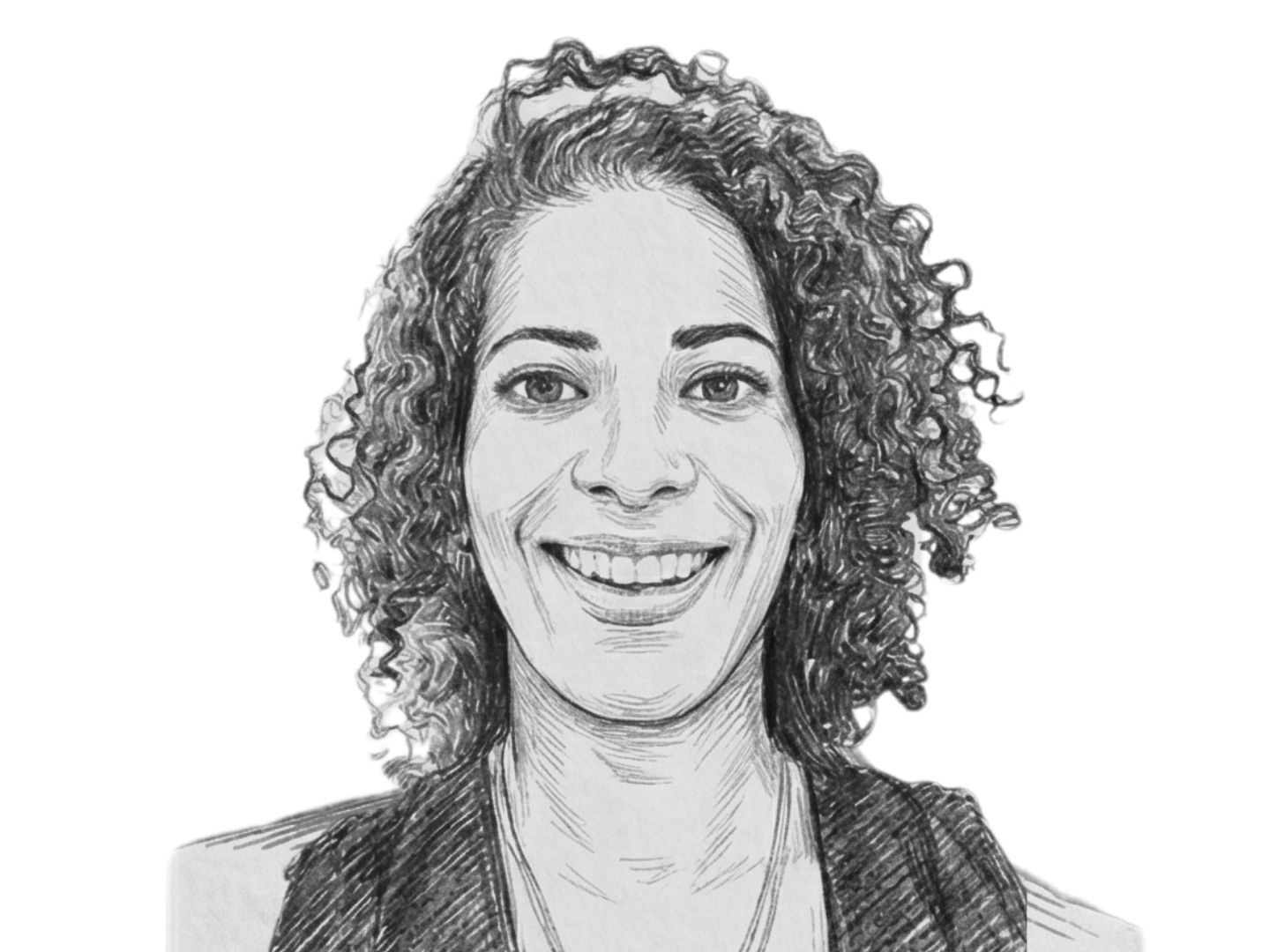
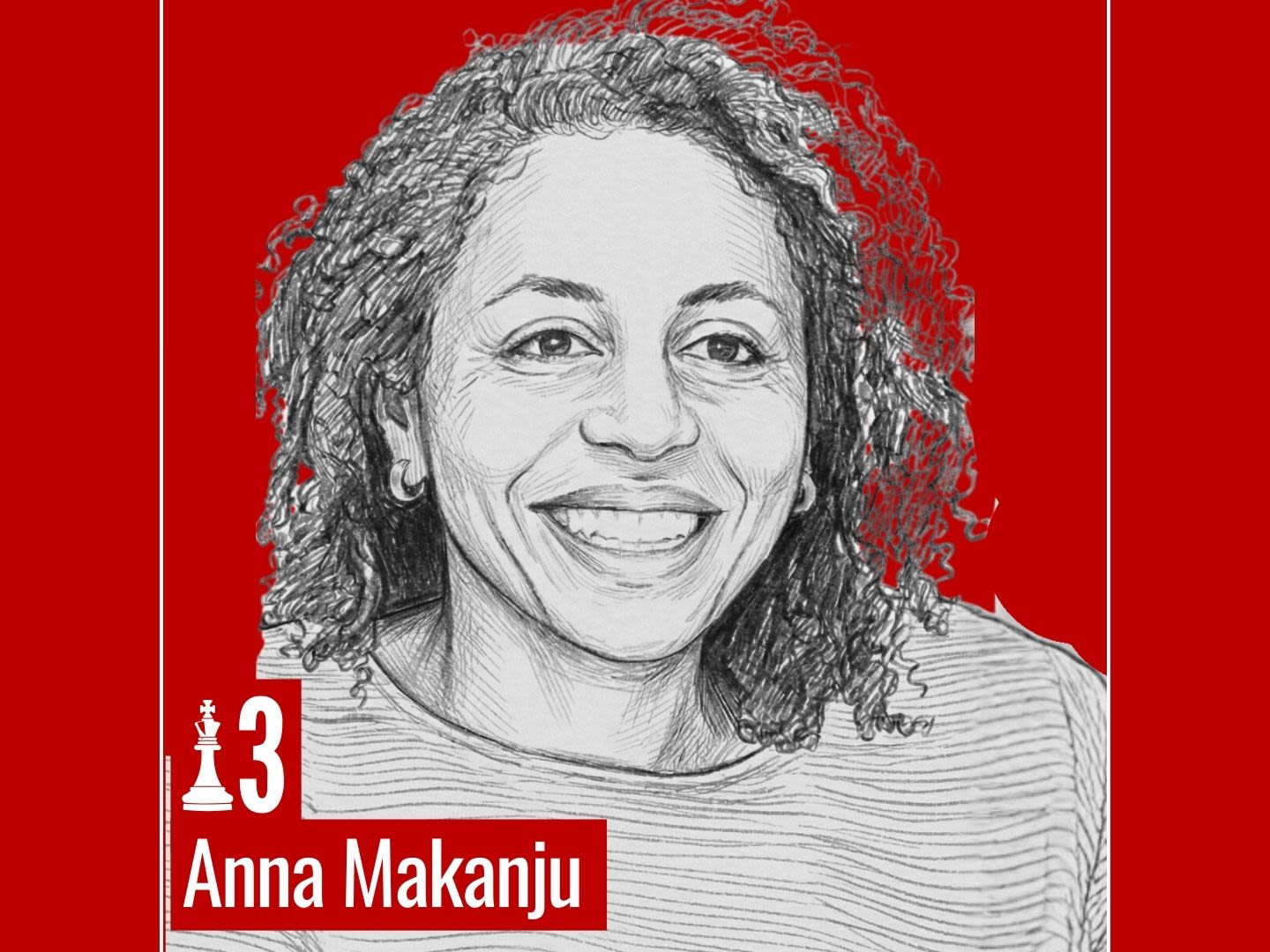
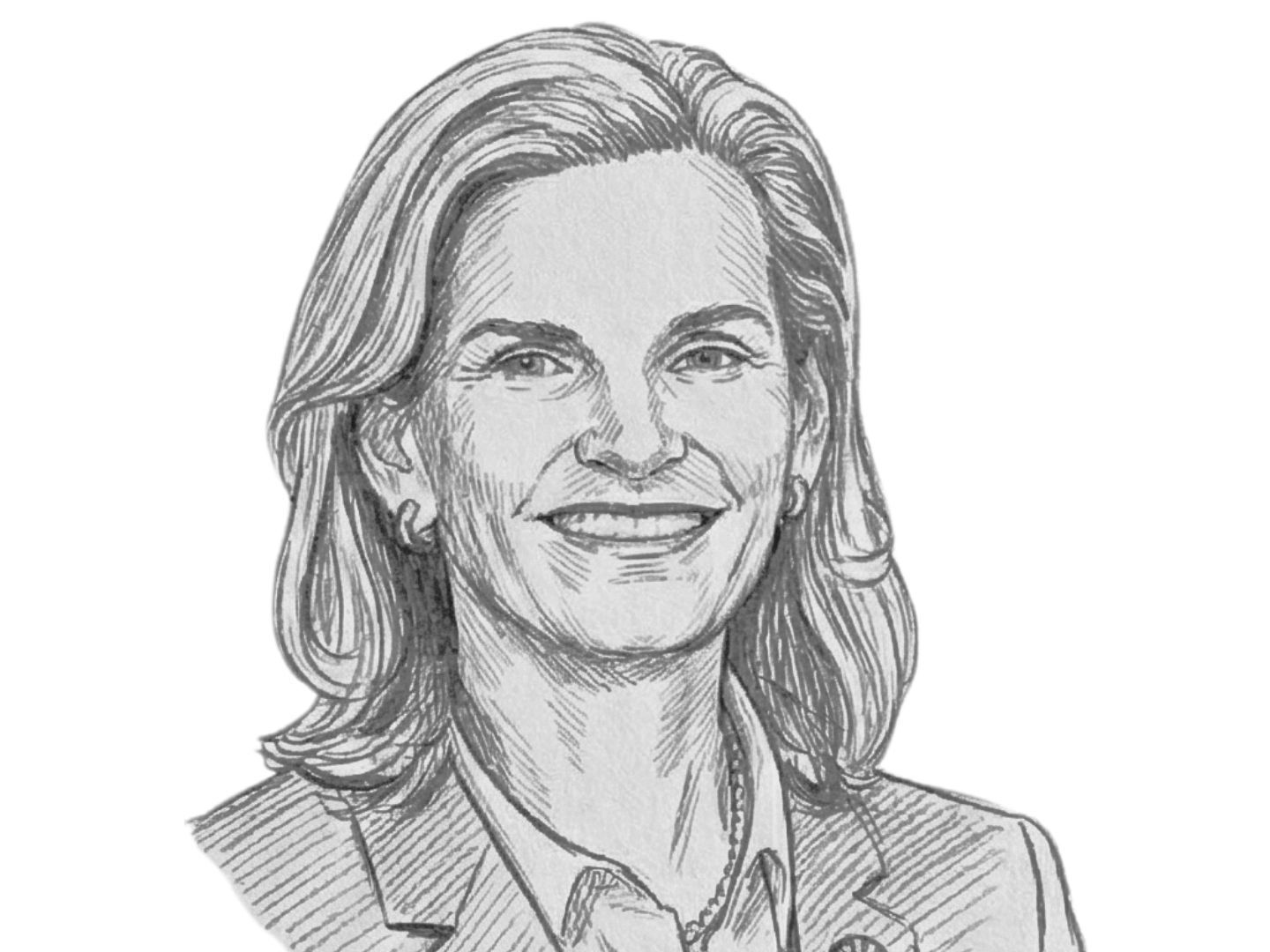
3. Anna Makanju
Vice president, global impact | OpenAI

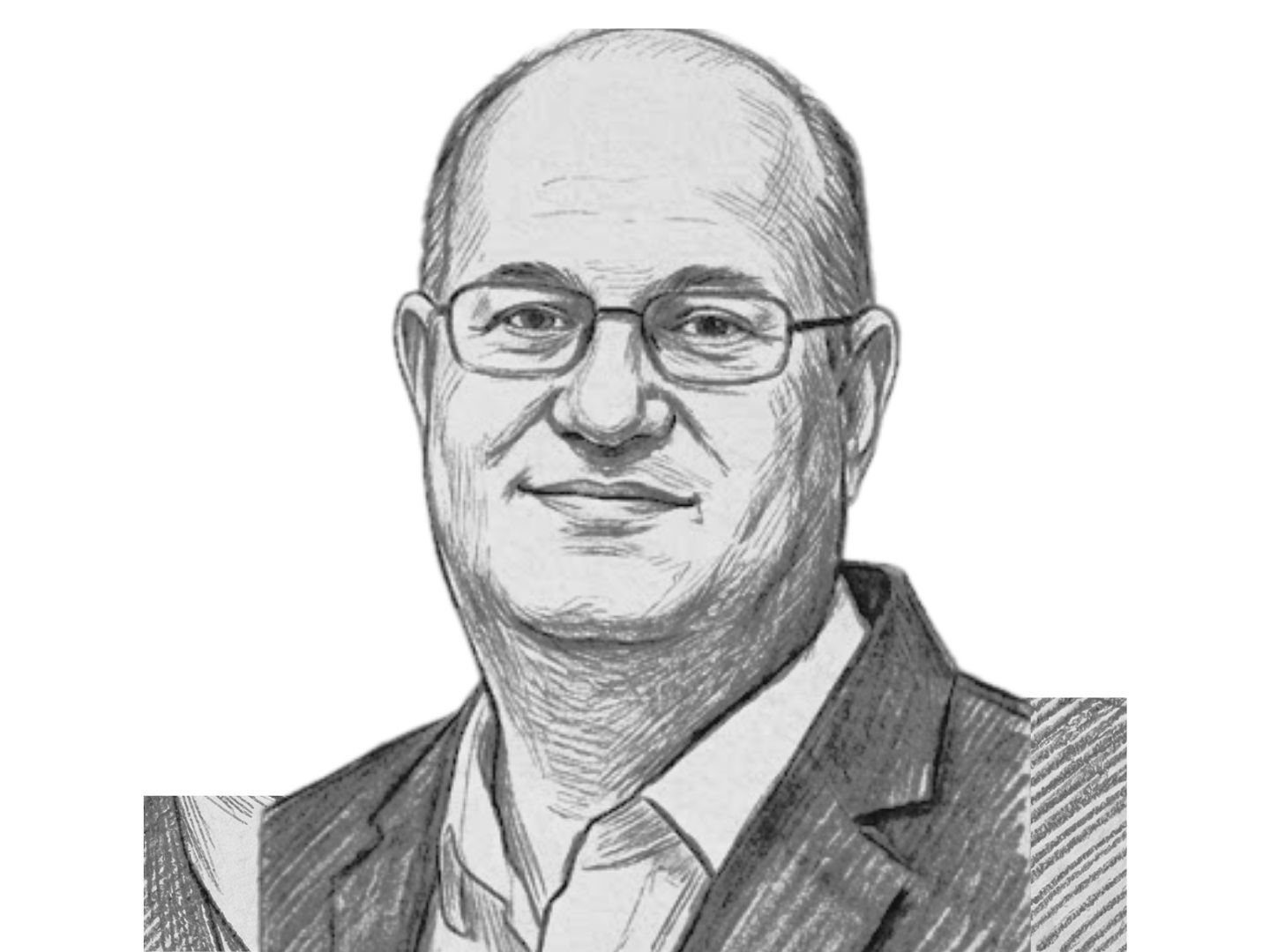
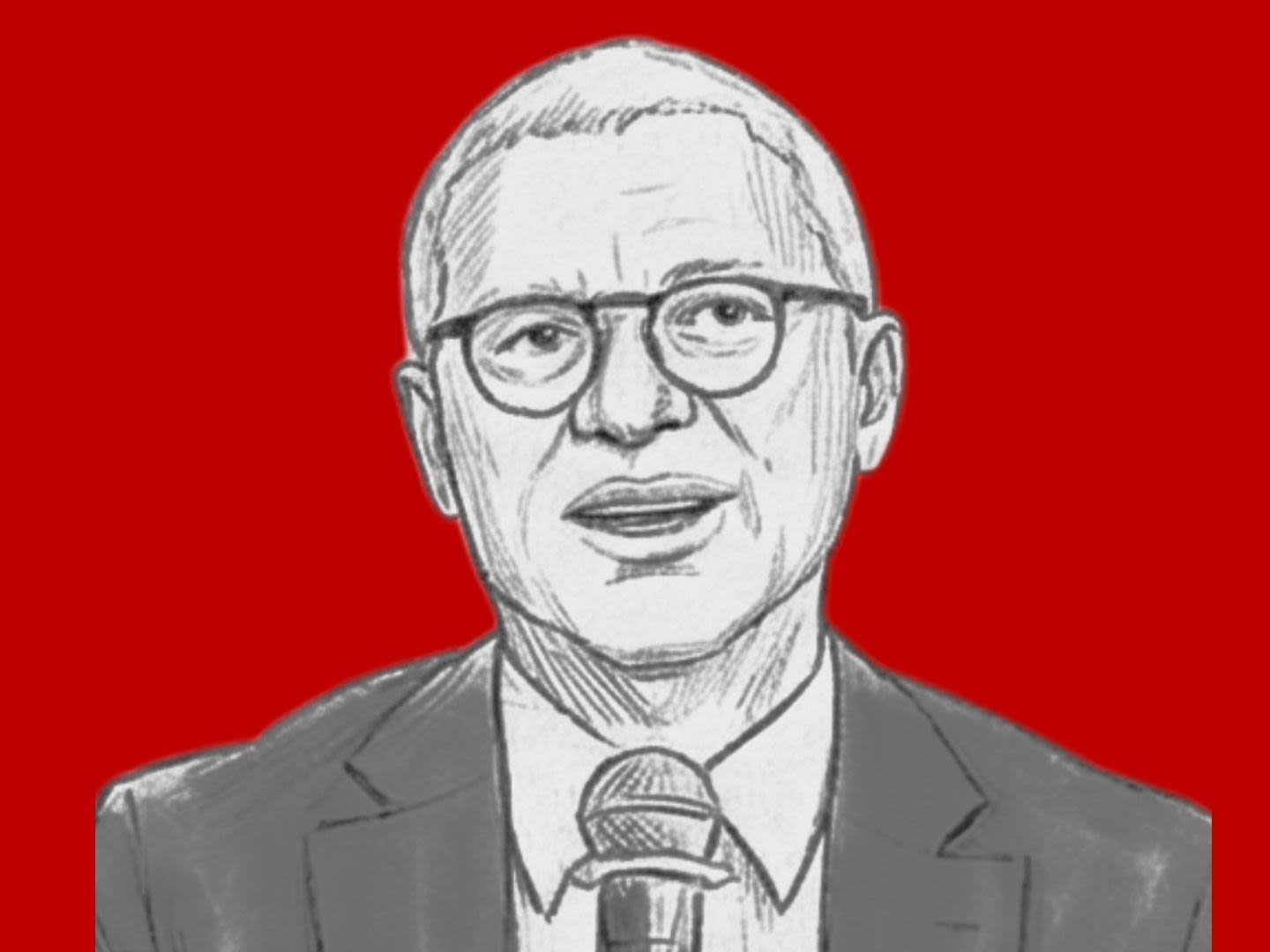
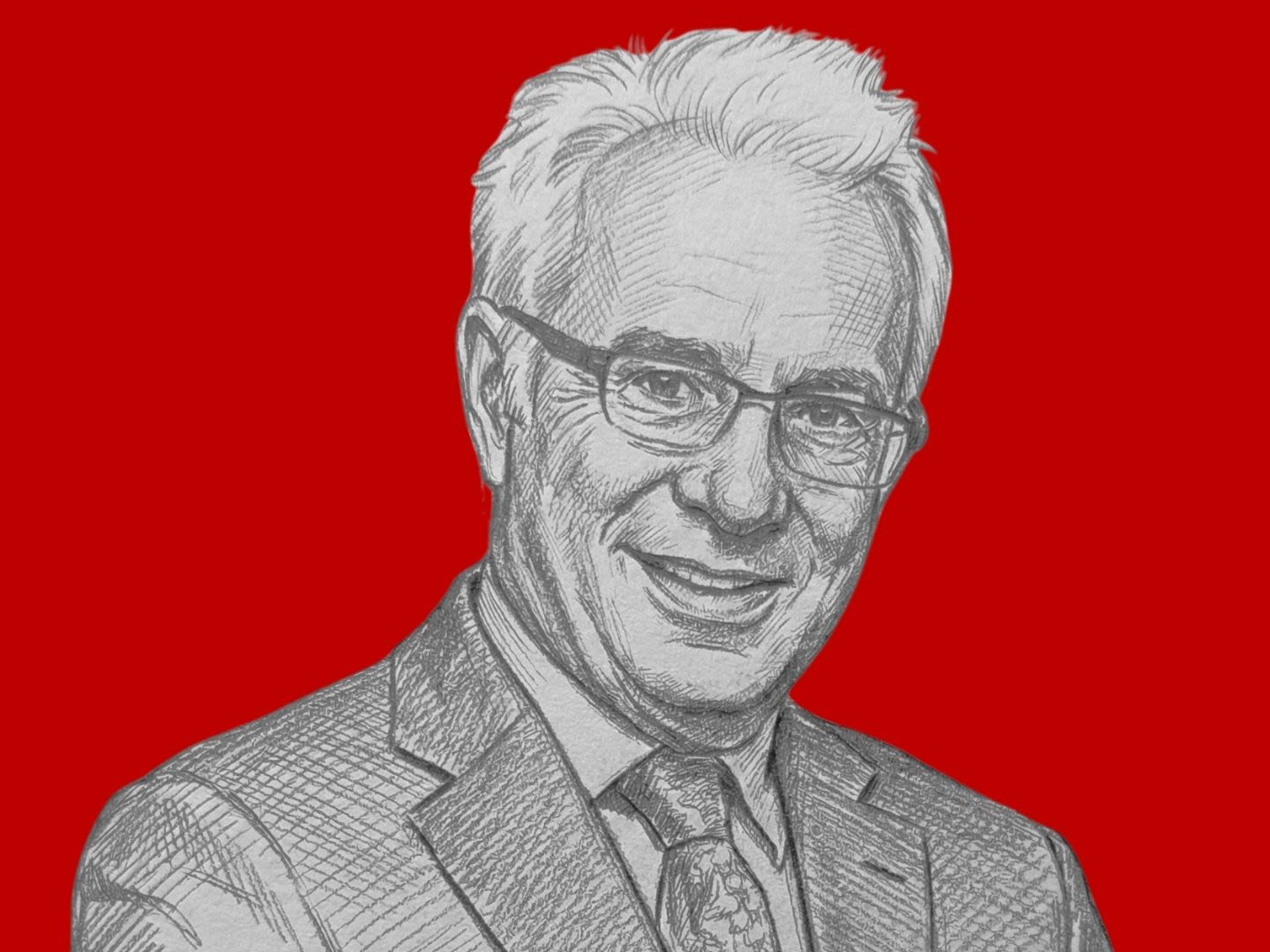
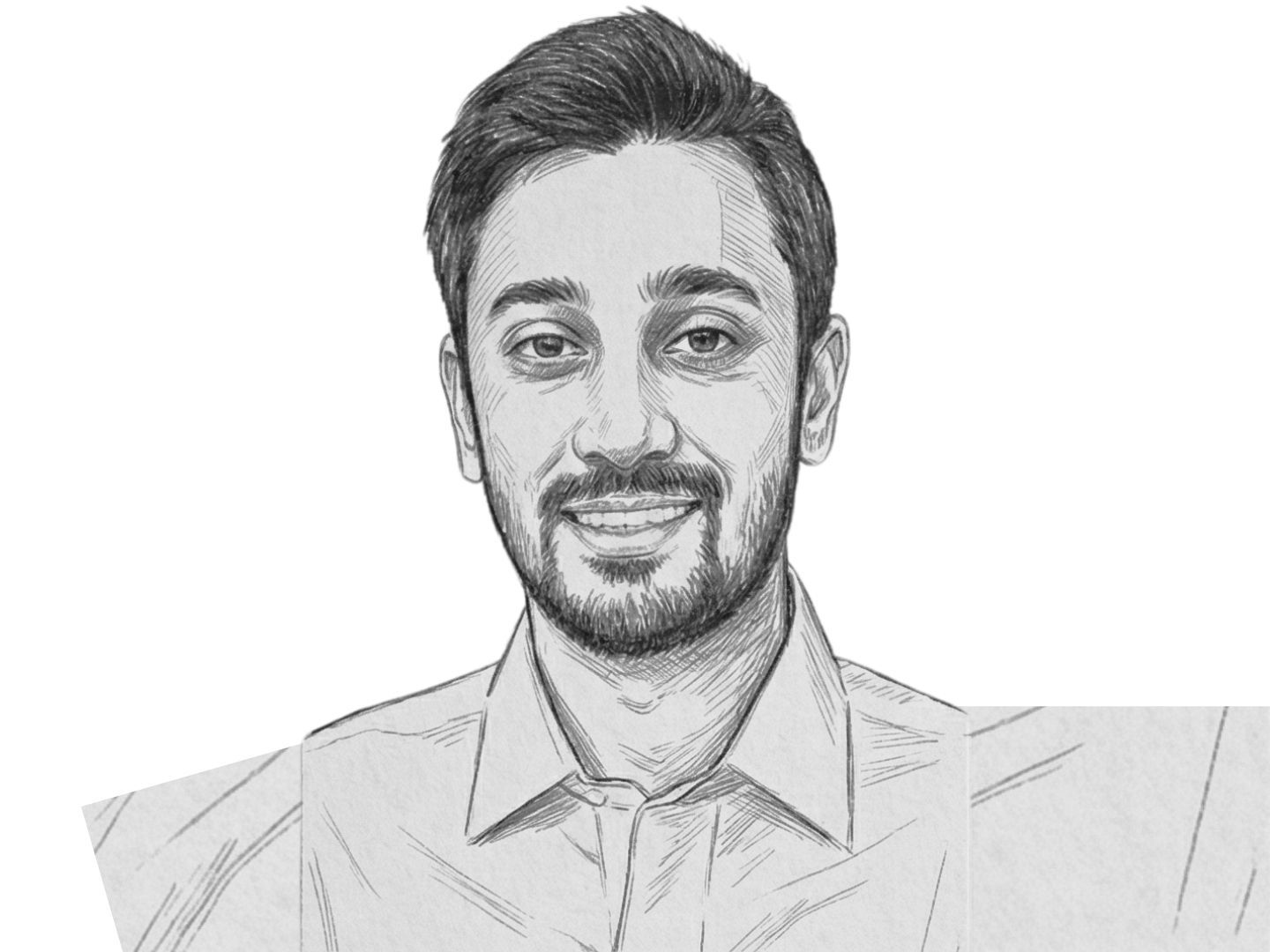
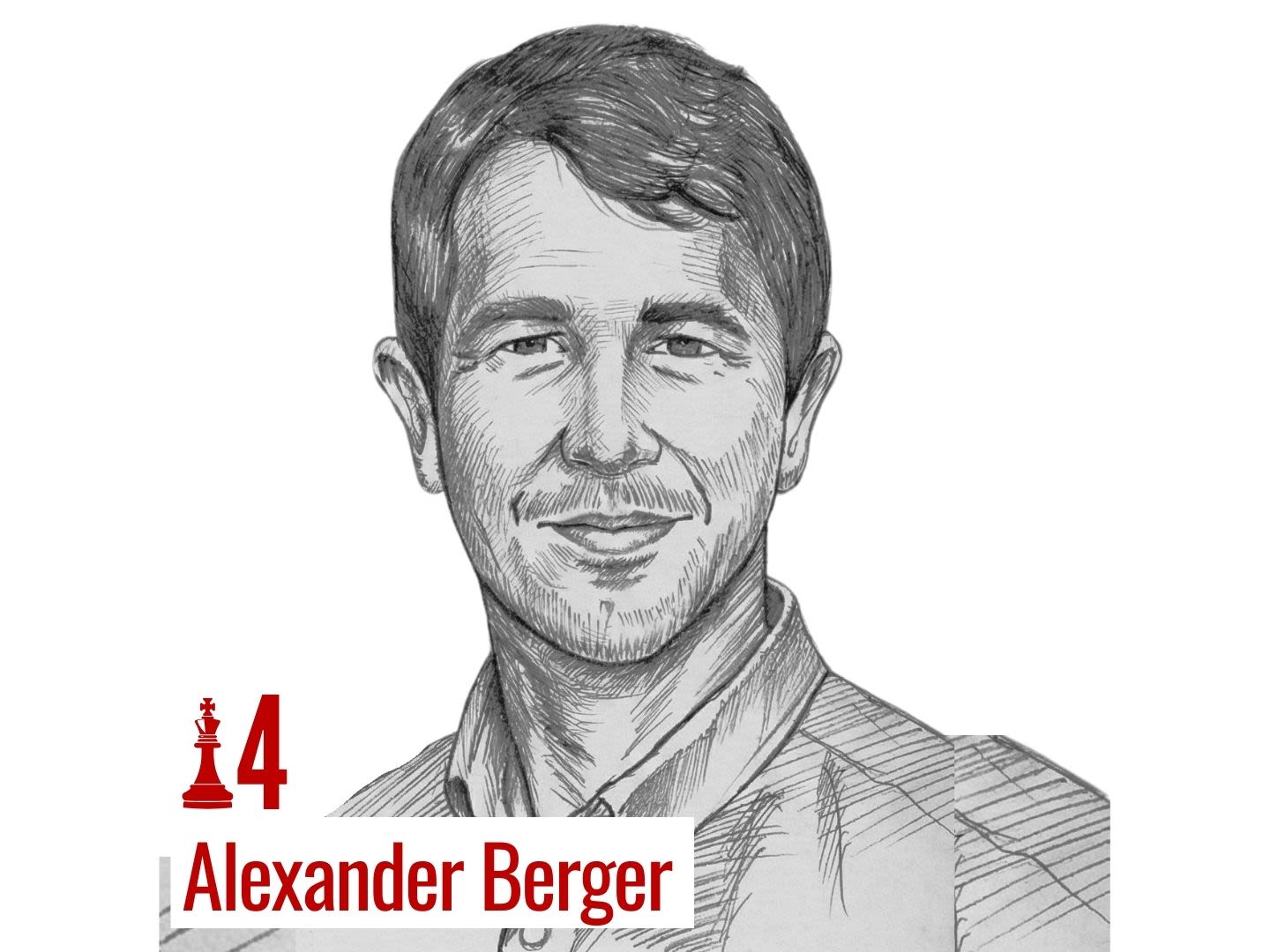
4. Alexander Berger
Cofounder and CEO | Coefficient Giving

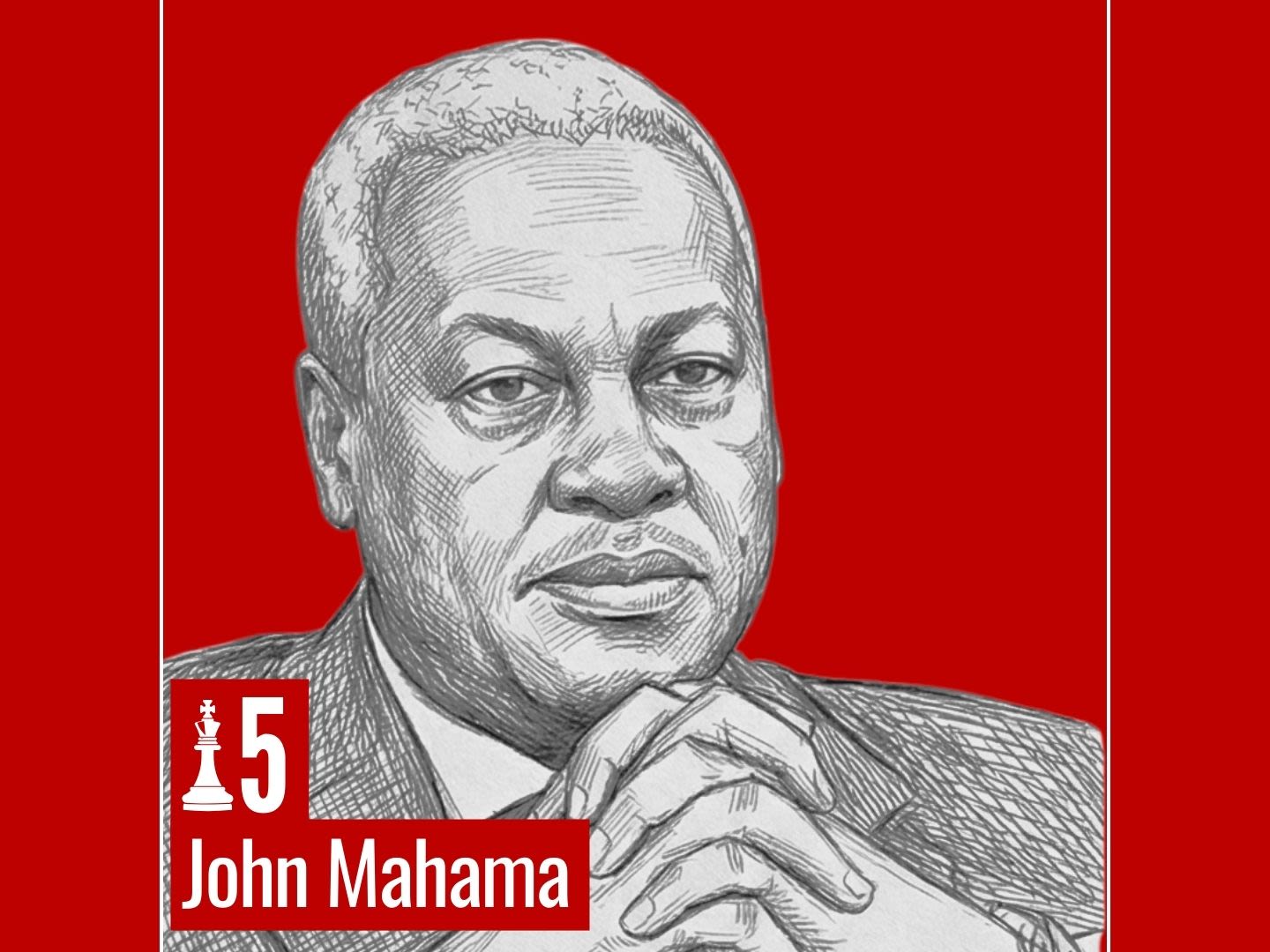
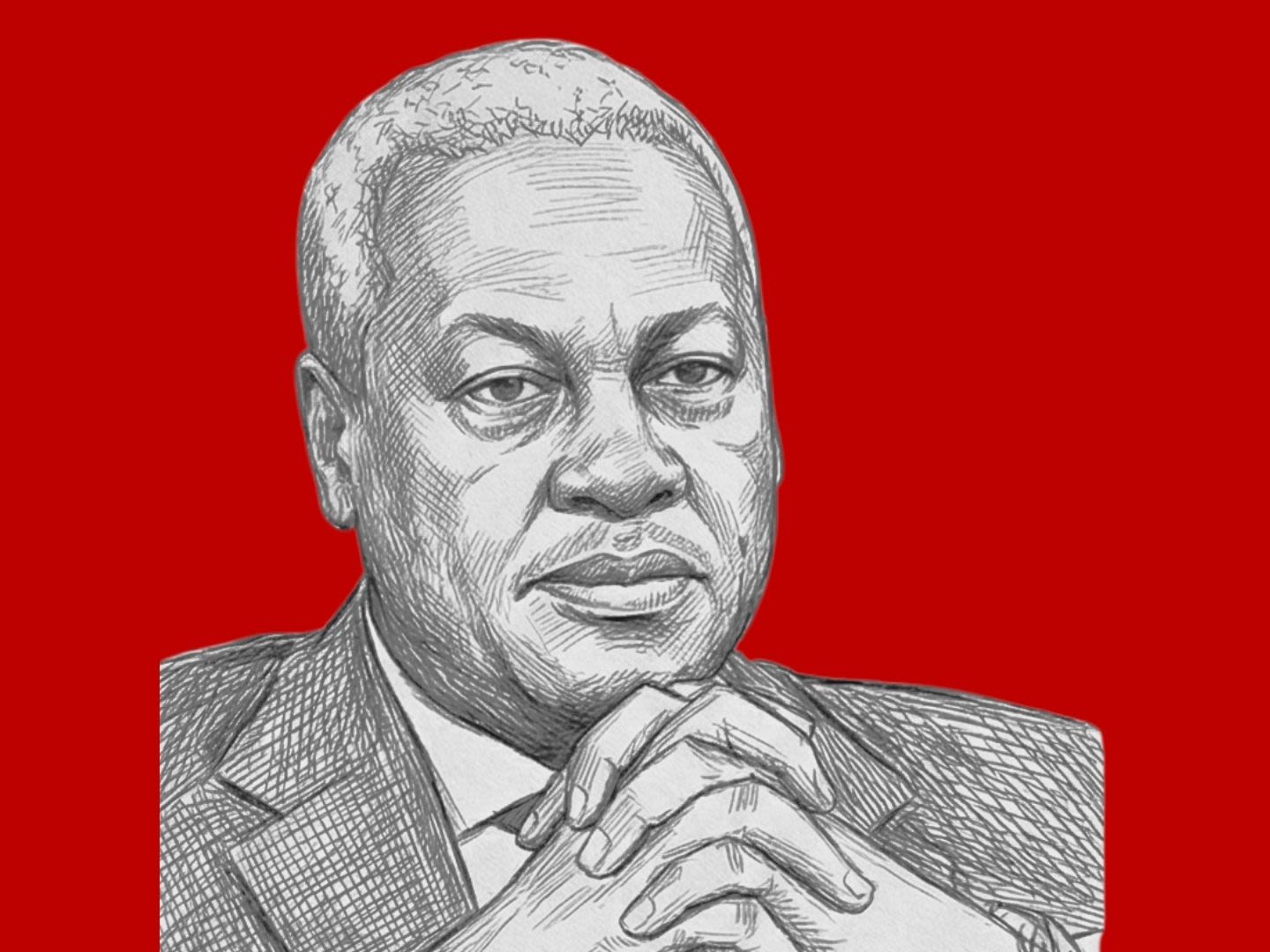
5. John Mahama
President | Republic of Ghana

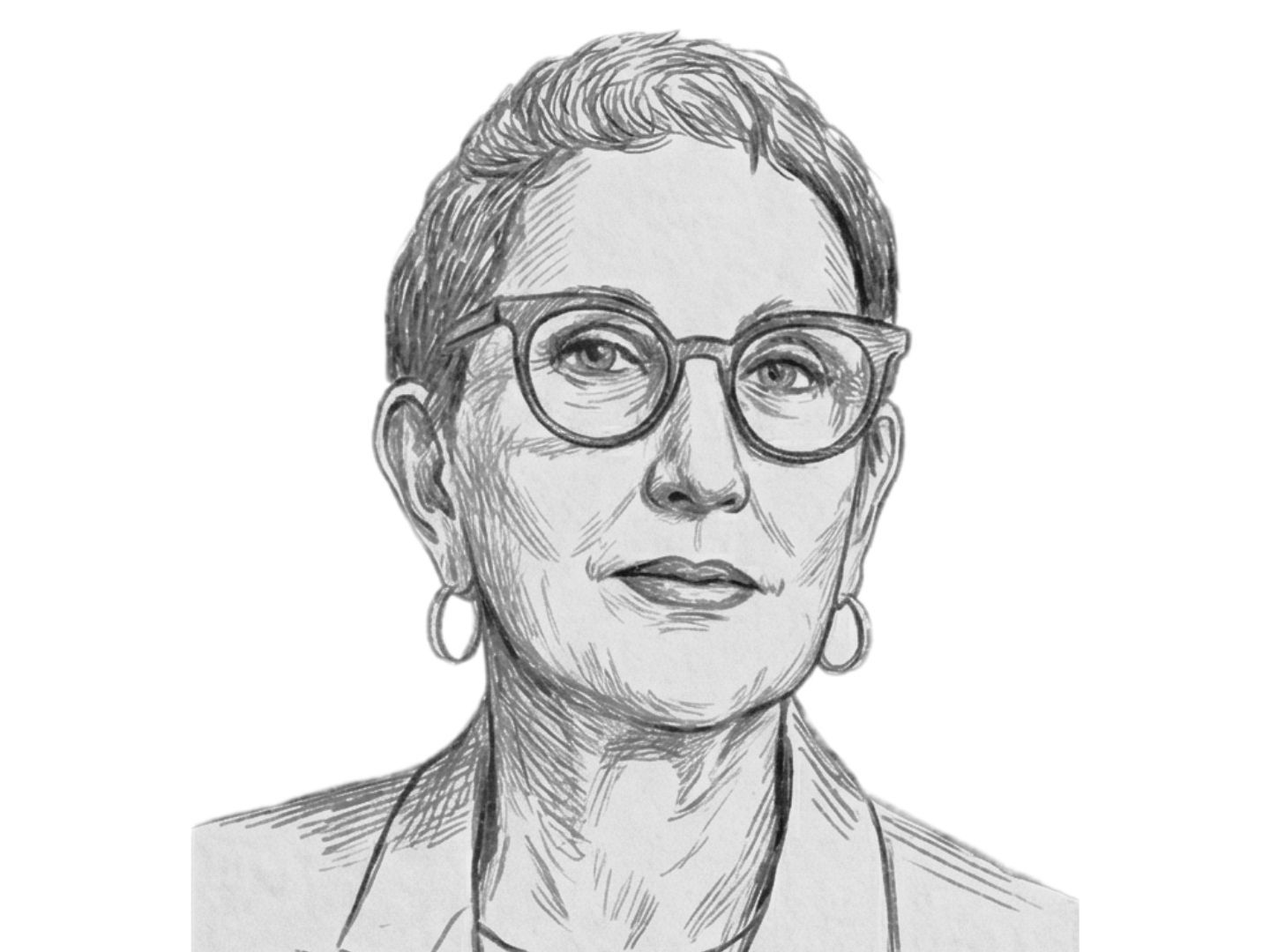
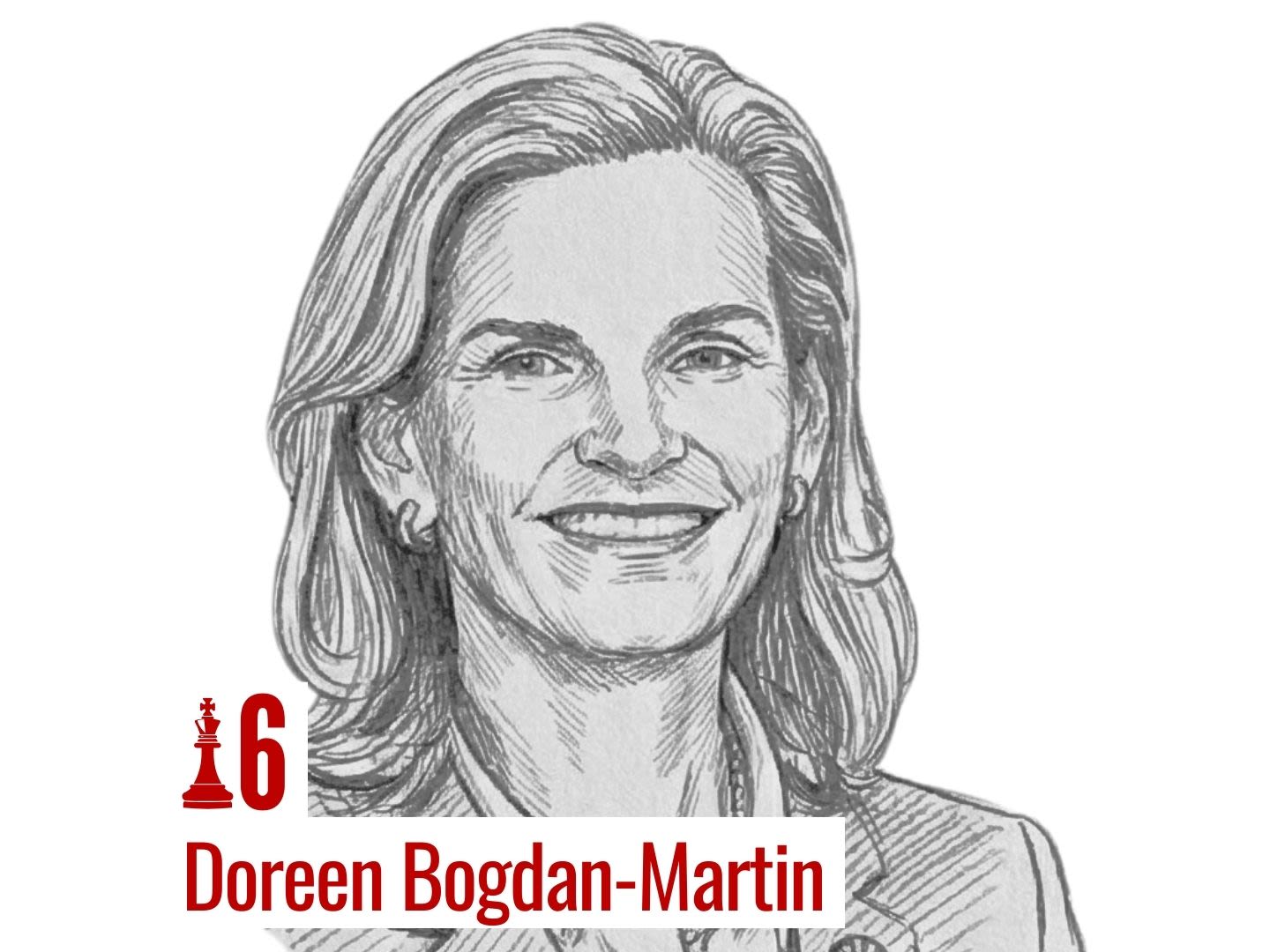
6. Doreen Bogdan-Martin
Secretary-general | International Telecommunication Union

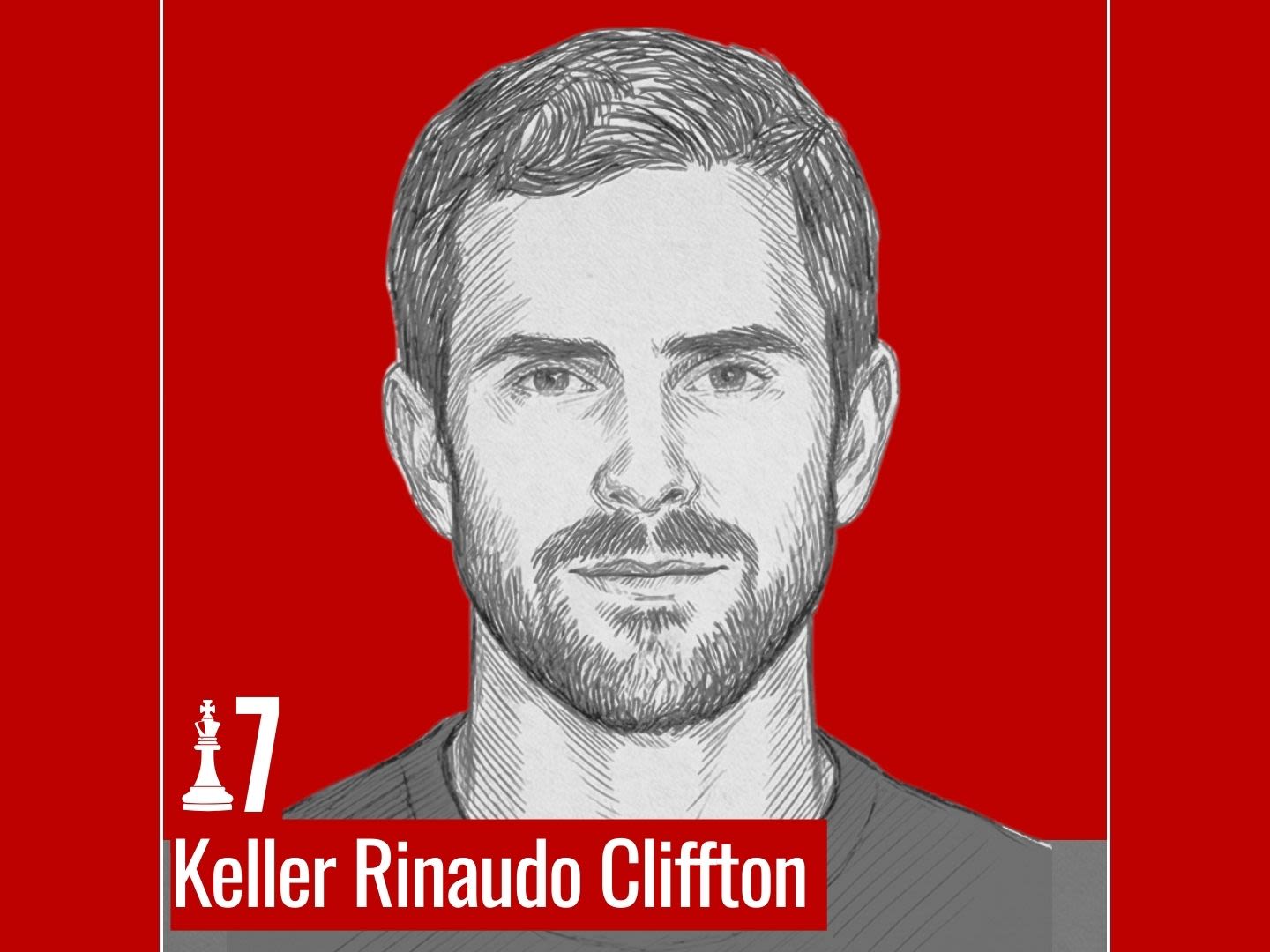
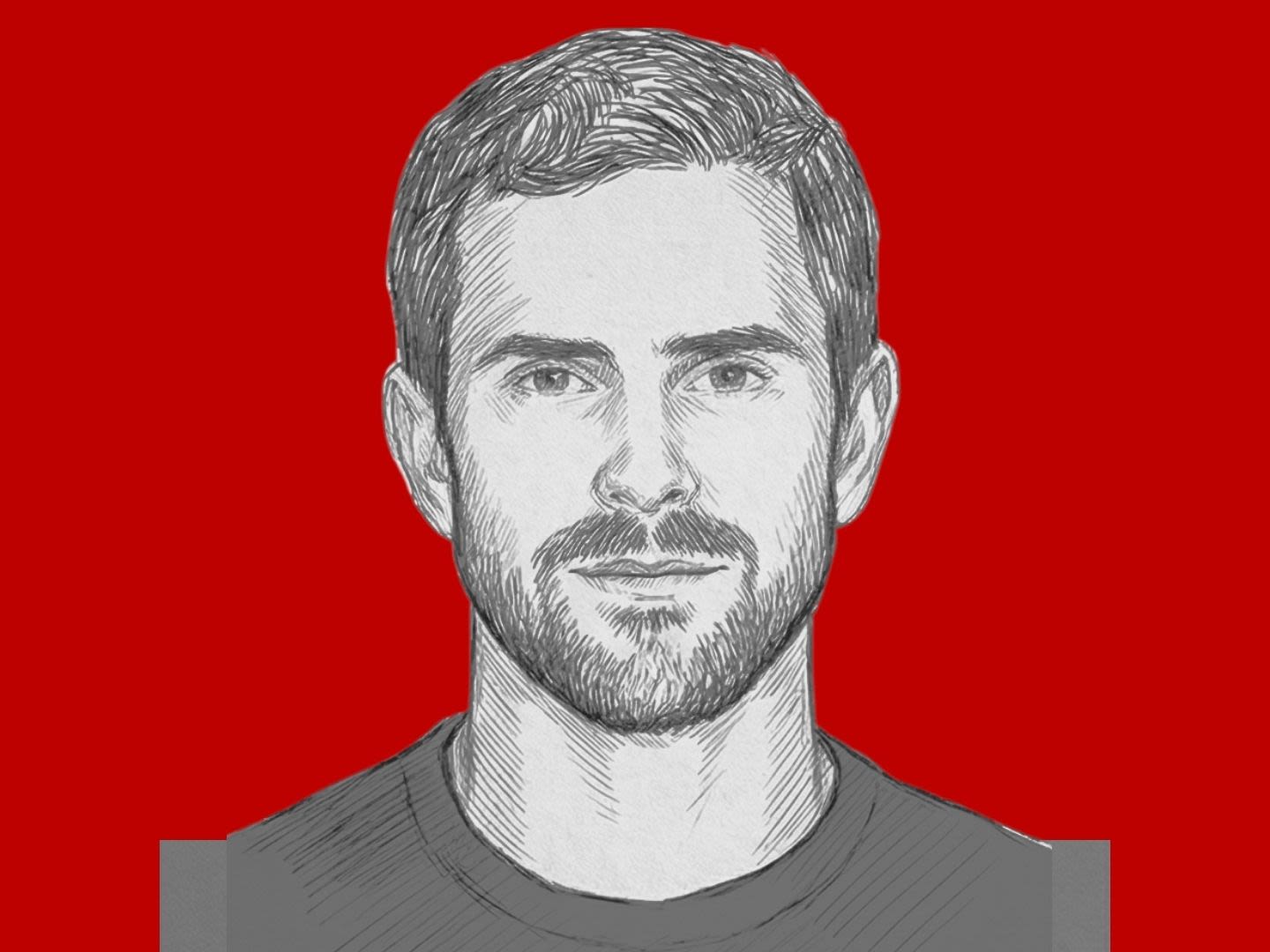
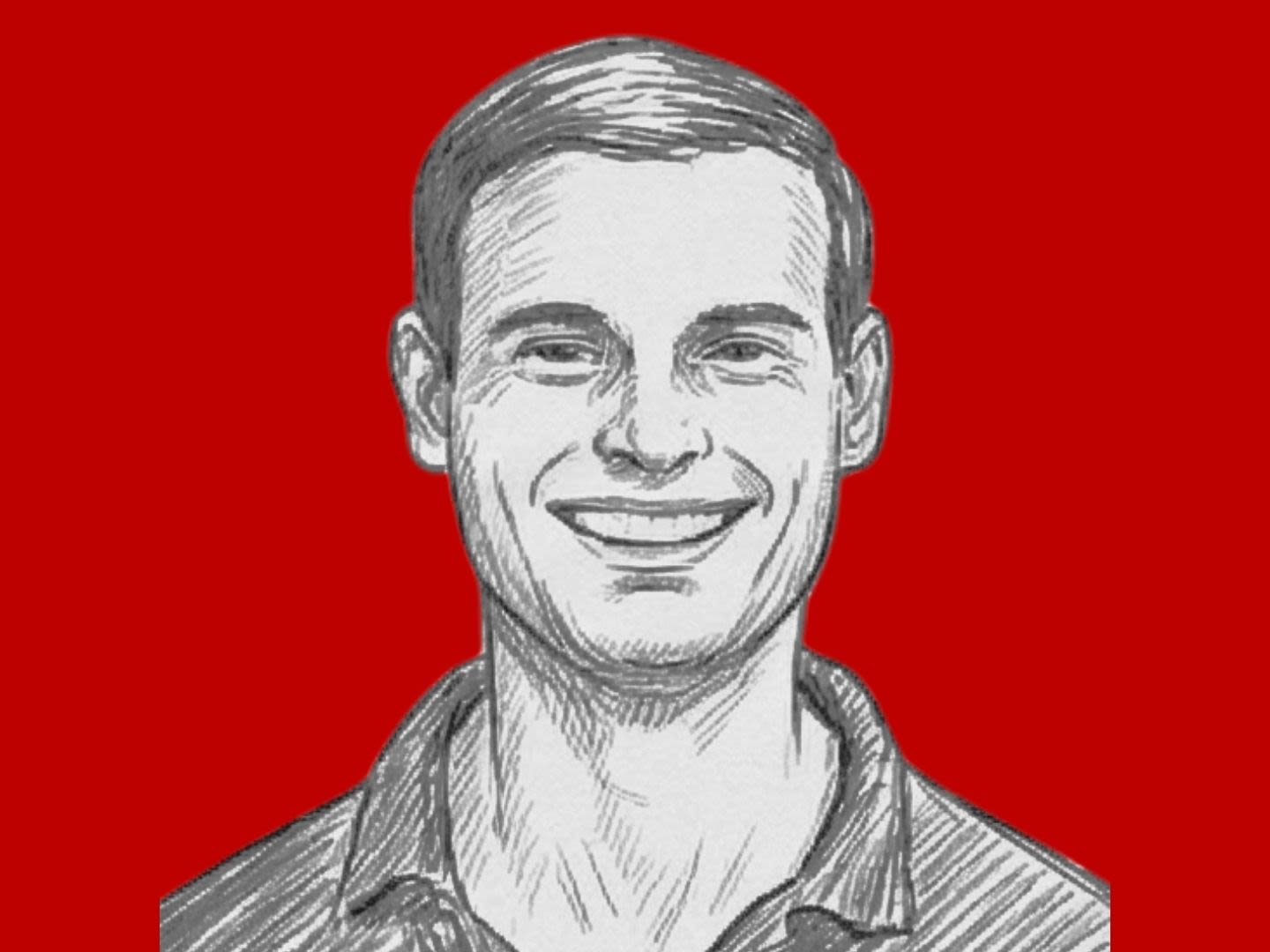
7. Keller Rinaudo Cliffton
Cofounder and CEO | Zipline

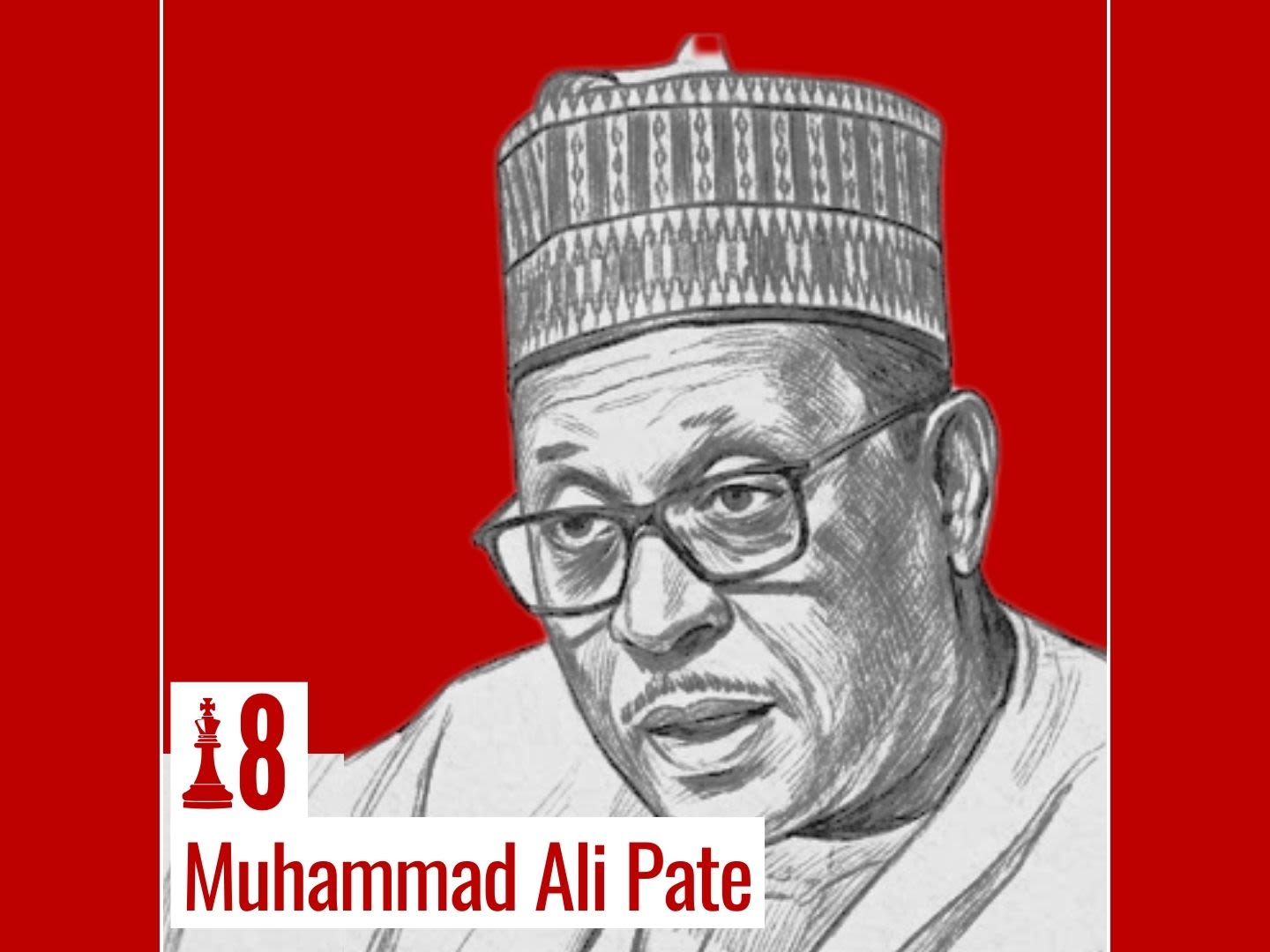
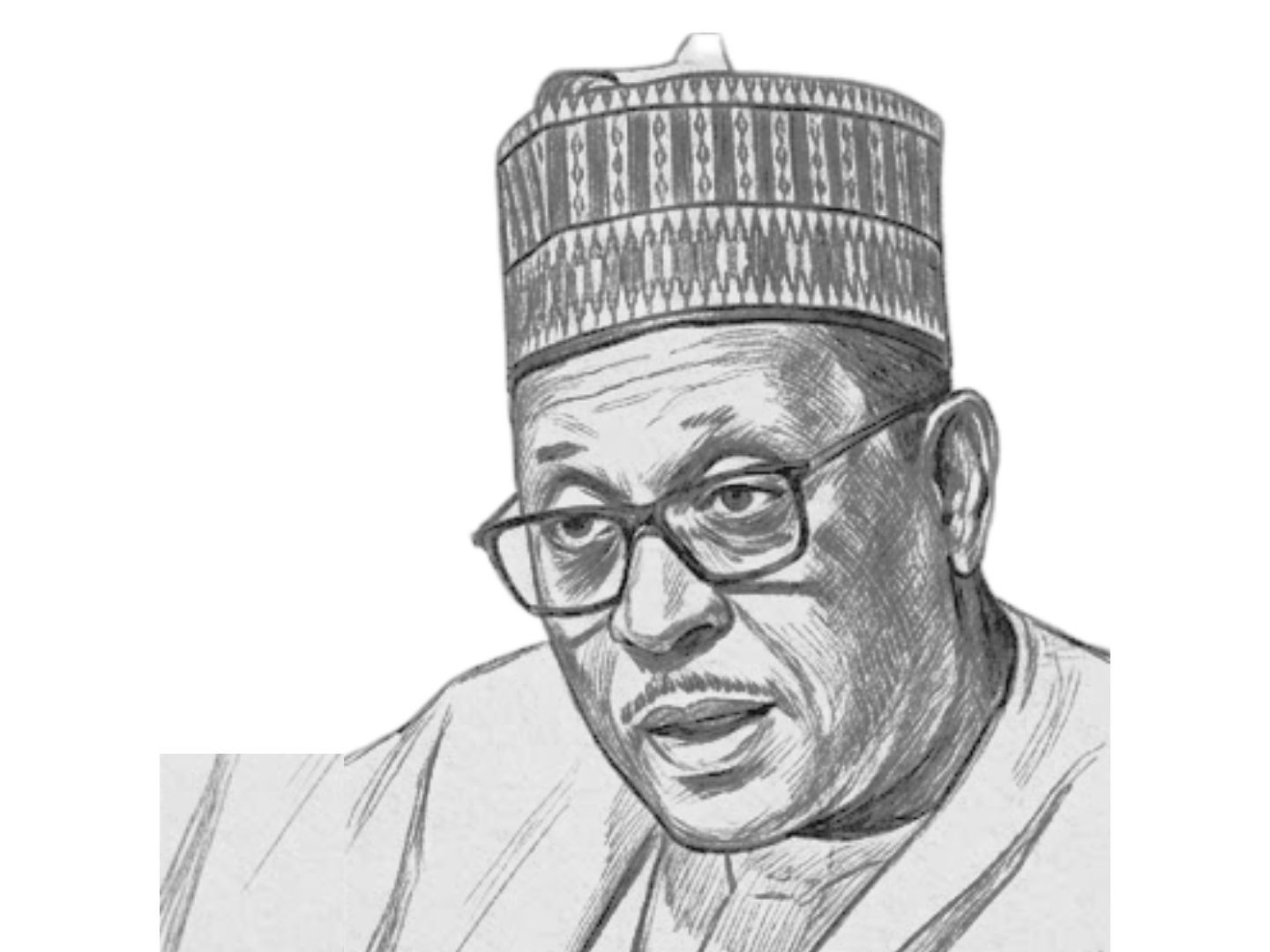
8. Muhammad Ali Pate
Nigeria’s coordinating minister of state for health and social welfare

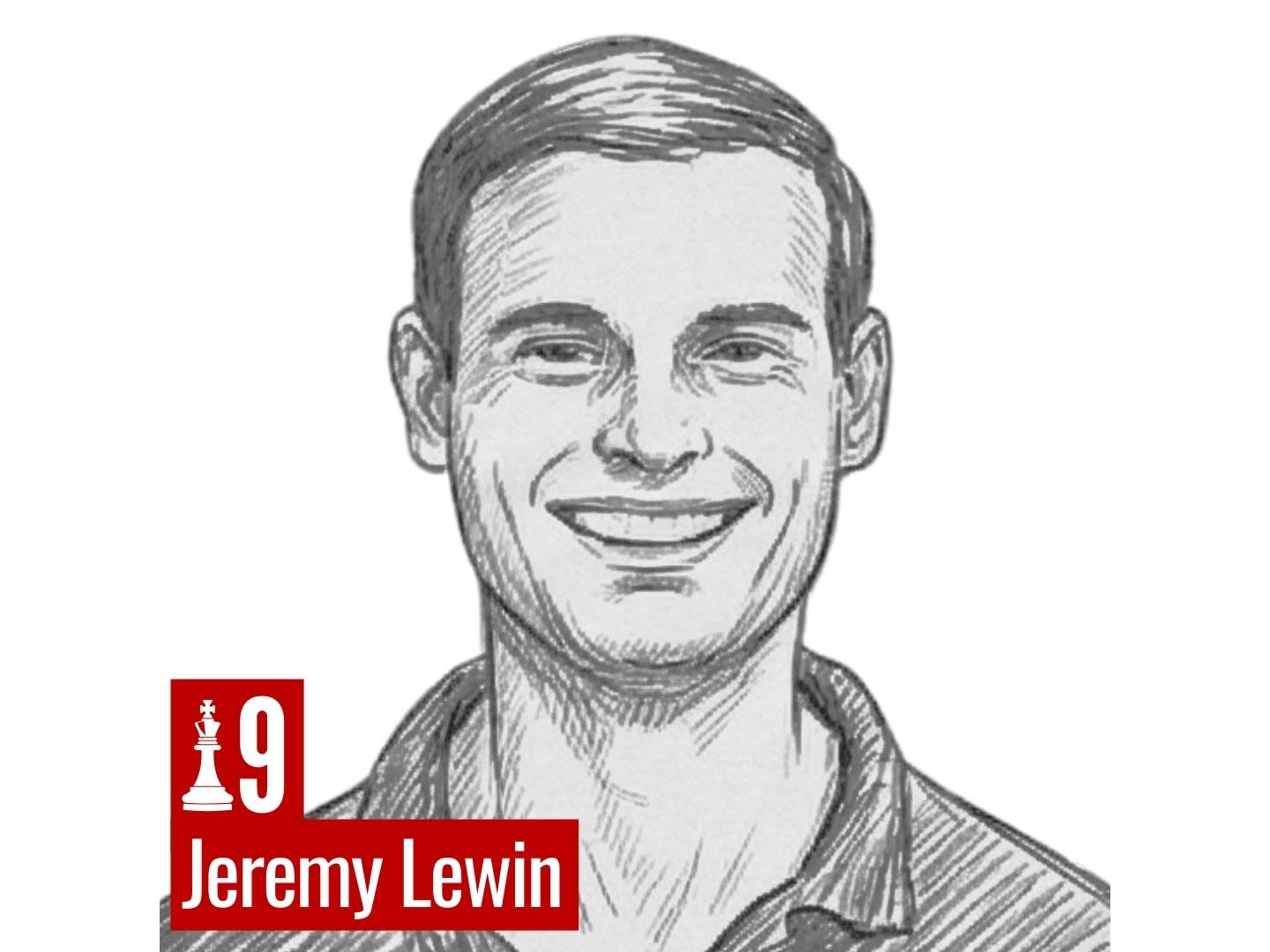
9. Jeremy Lewin
Senior official and undersecretary for foreign assistance, humanitarian affairs, and religious freedom | U.S. Department of State

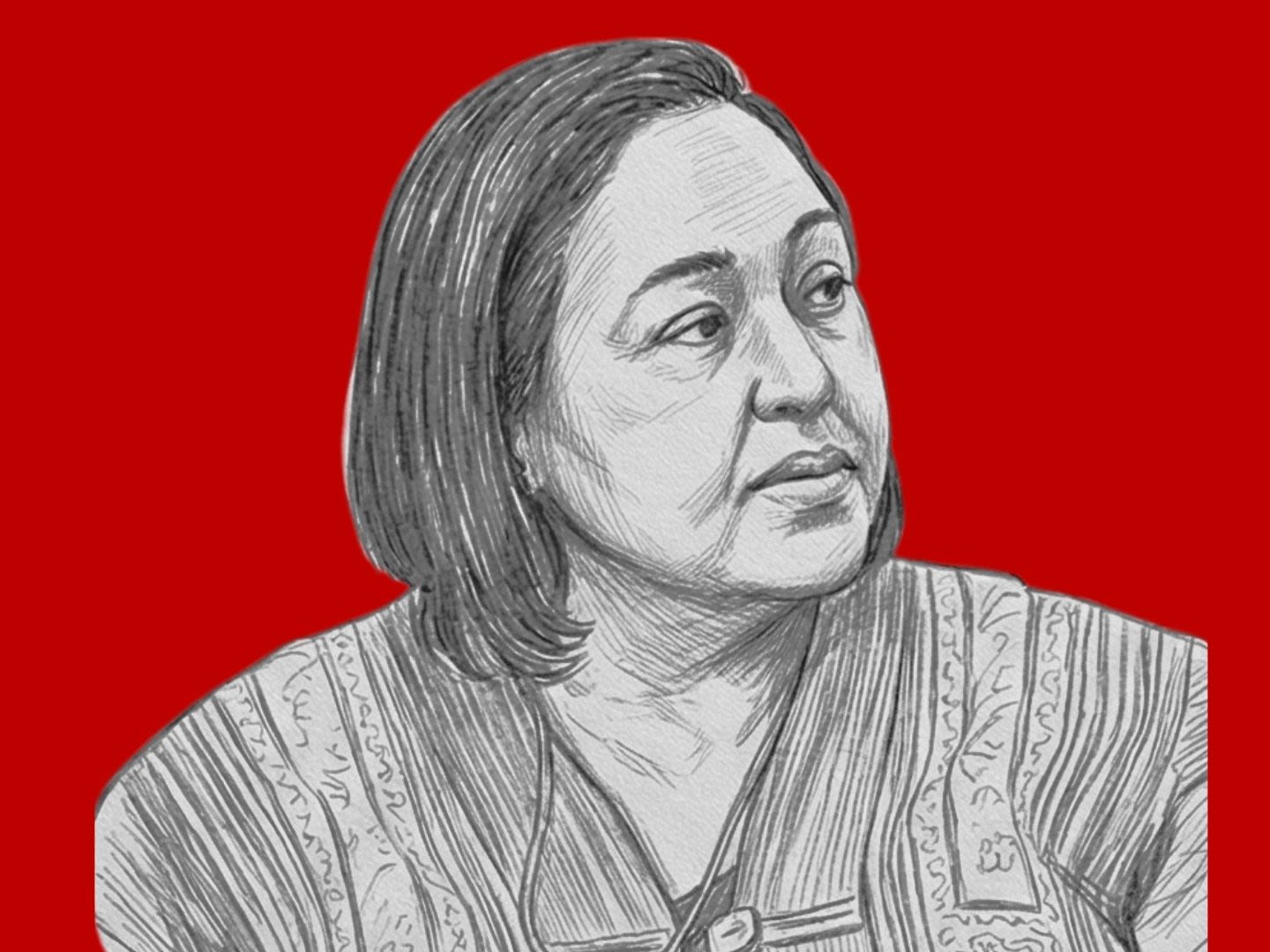
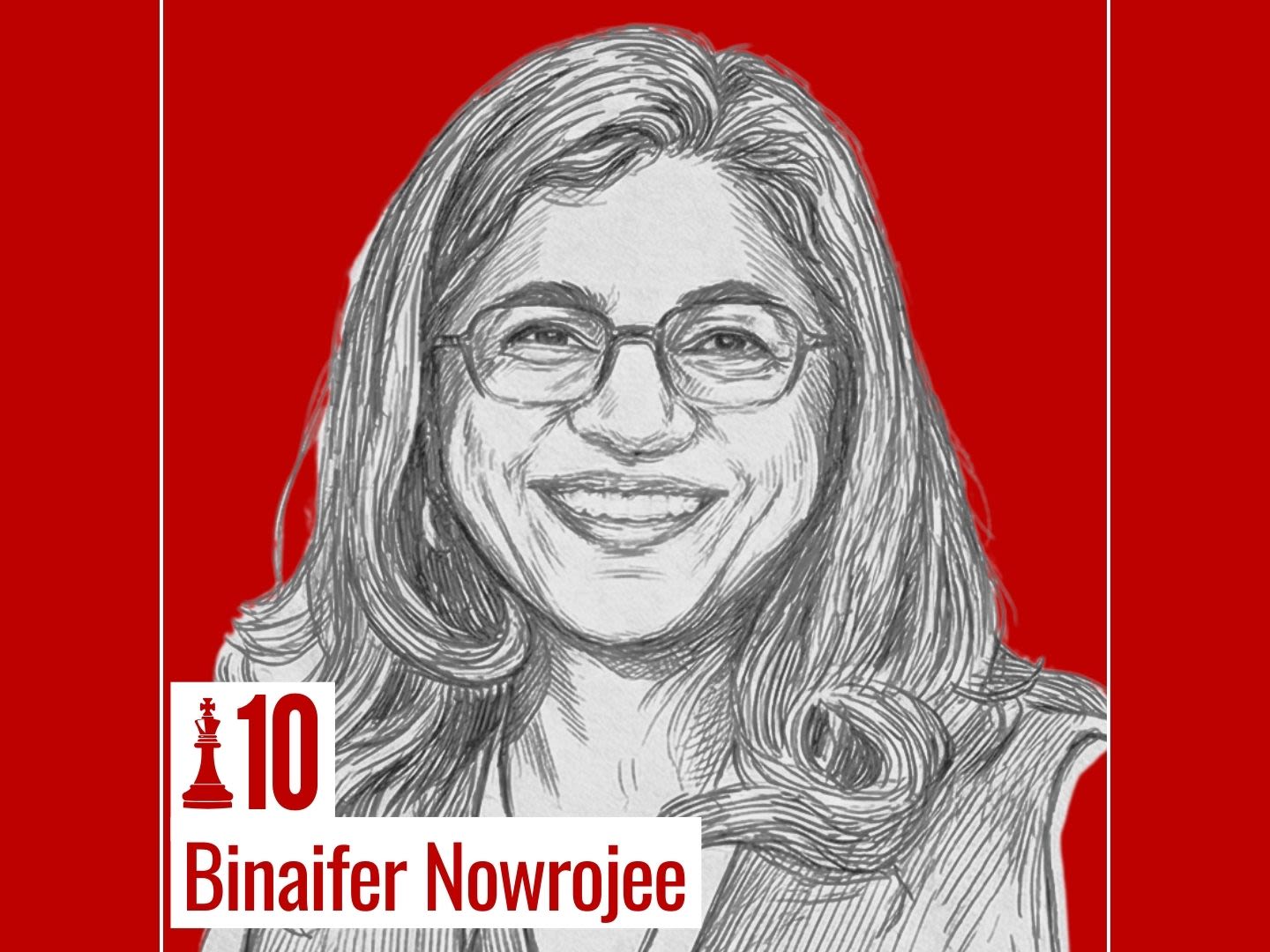
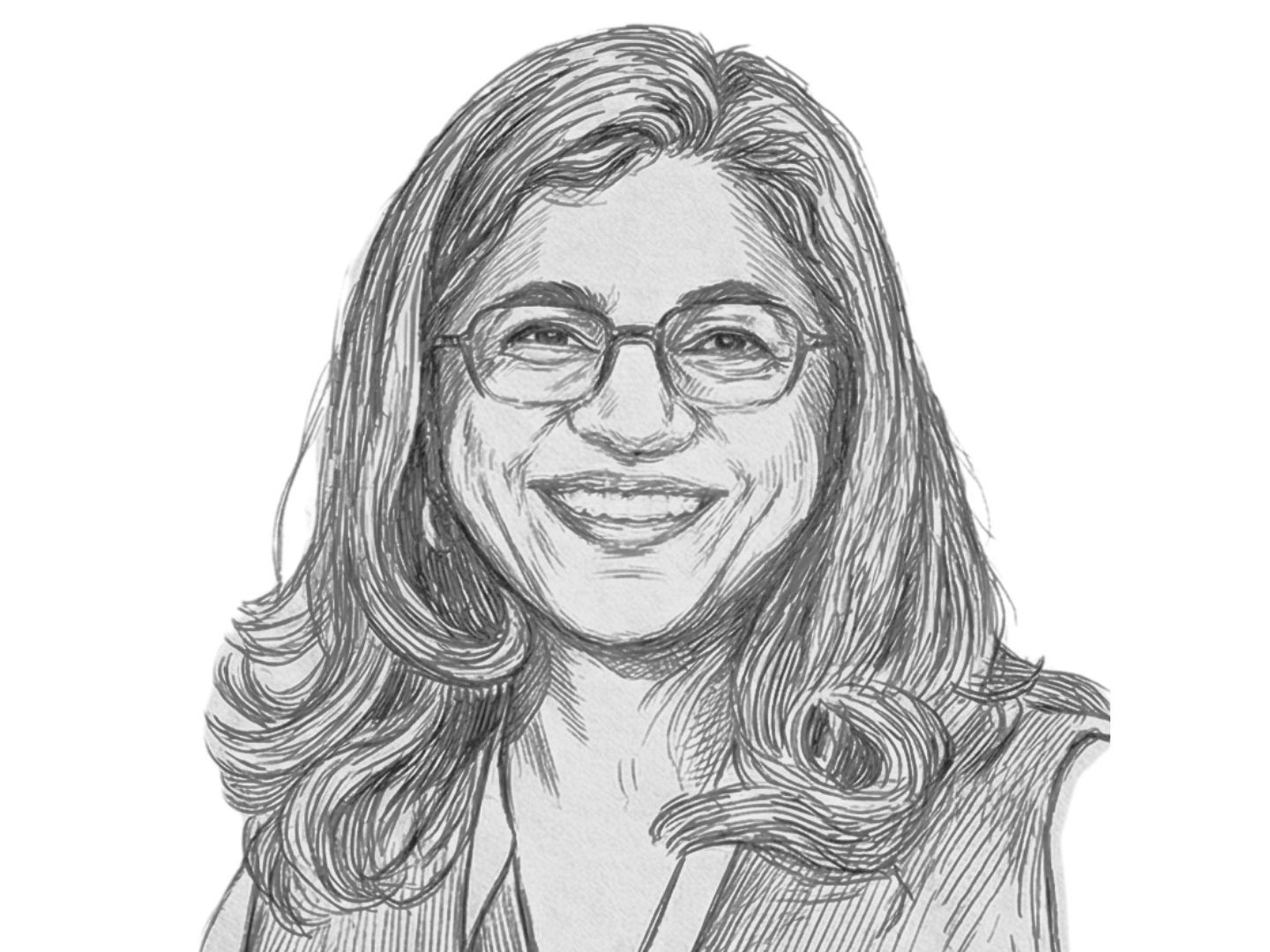
10. Binaifer Nowrojee
President | Open Society Foundations

Benjamin Black

Benjamin Black

Chief executive officer | U.S. International Development Finance Corporation

Backstory:Benjamin Black — who was confirmed as CEO of the U.S. International Development Finance Corporation, or DFC, in October — takes on what many view as the quintessential “America First” development agency, which now boasts a more expansive mandate and tens of billions in additional funding that could one day help it approach the scale of China’s Belt and Road Initiative. A long-time investor, Black’s most recent endeavor was as founder and managing partner of Fortinbras Enterprises, an investment firm. Black, who’s also worked in private equity and as a portfolio manager at other investment firms, is the son of billionaire investment banker Leon Black.

Why he’s on the list:Black was not only one of U.S. President Donald Trump’s early nominees — even if it took him many months to get confirmed — he was also one of the most unexpected. Neither a household name in Trump world nor a known figure in any development circles, he’s been handpicked to lead an agency that’s now at the forefront of an “America First” development agenda. With USAID’s demise came the rise of DFC, which was just reauthorized by Congress after months of political haggling over its scope and mandate. The result is a massively strengthened agency — whose total investment cap mushroomed from $60 billion to $205 billion, with a newfound power to invest in high-income countries. DFC is also being positioned as a geostrategic counterweight to China, especially in the race for critical minerals. This has triggered concerns that DFC’s private sector-led approach will overshadow its original development focus. For his part, Black has touted DFC’s “dual mandate” of advancing economic development and strategic foreign policy priorities. But he’s clearly a critic of traditional U.S. foreign aid spending. Last year, prior to Trump’s inauguration, he penned a blog post with tech entrepreneur Joe Lonsdale titled “How to DOGE US Foreign Aid” in which they argued that “much of our current foreign aid budget is waste and should be cut” and that a bulk of USAID’s budget should be shifted to DFC. Black will lead a newly reauthorized DFC that has a bigger budget and the ability to invest in many more countries around the world. So all eyes will be on where he takes DFC and whether its core development mission remains intact.

Sidi Ould Tah

Sidi Ould Tah

President | African Development Bank

Backstory:Sidi Ould Tah, a Mauritanian economist, became president of the African Development Bank in 2025 after leading the Arab Bank for Economic Development in Africa, or BADEA, where he oversaw a 75% expansion in assets and drove nonperforming loans to historic lows. He previously served as Mauritania’s minister of economic affairs and development, giving him experience across government and multilateral finance.

Why he’s on the list:Tah takes the helm at AfDB as the institution becomes bigger, more visible, and more constrained all at once. He’s got a mandate, though: His predecessor, Nigeria’s Akinwumi Adesina, had to sit through six rounds of voting to get the job, while Tah made it in just three rounds. He inherits a bank whose capital tripled under his predecessor, yet is now staring down tighter donor budgets and just completed a high-stakes replenishment of the African Development Fund — missing an ambitious $25 billion target but raising a record $11 billion. Shareholders backed him in part for his deep relationships with Gulf state financiers, hoping he can bring new capital into the bank (and the continent) at a moment when long-standing donors are retreating — and indeed, BADEA pledged $800 million, while the OPEC Fund for International Development promised up to $2 billion. The search for fresh capital sits alongside AfDB’s plans to rely more on capital-market instruments and strengthen its private sector work. Tah has framed jobs, peace, and climate resilience as his core priorities for a continent facing mounting demographic and economic pressures. His ability to anchor that vision in actual financing will define AfDB’s influence in the years ahead.

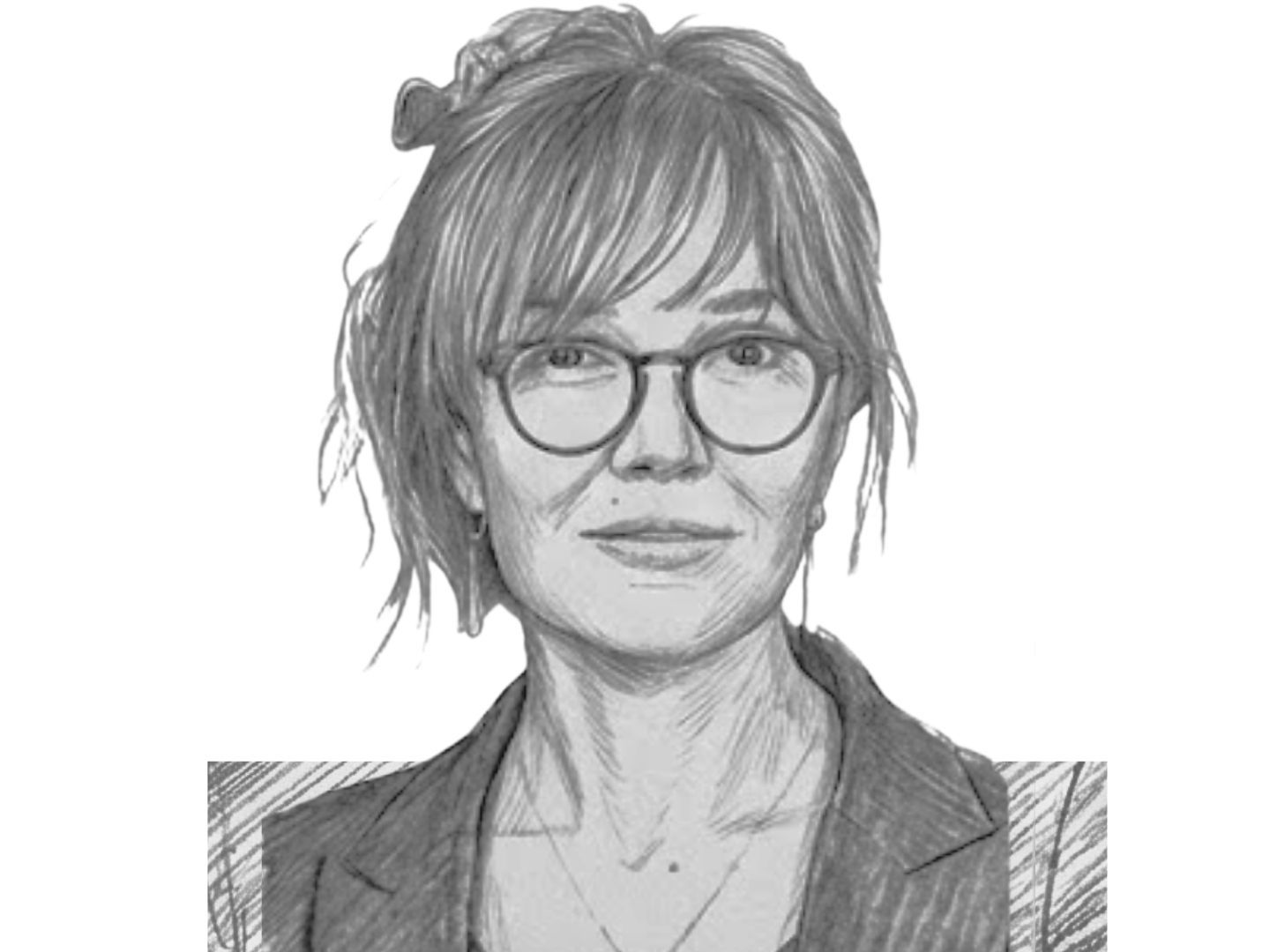
Anna Makanju

Anna Makanju

Vice president, global impact | OpenAI

Backstory:As OpenAI’s vice president of global impact, Anna Makanju sits at the nexus of model deployment, policy, and governance for one of the most influential artificial intelligence companies in the world. She joined OpenAI just a year before ChatGPT’s release upended the public’s relationship with AI, and served as the company’s head of public policy and vice president of global affairs. She was also a special adviser to then-U.S. Vice President Joe Biden, director for Russia at the National Security Council, and senior official at the Pentagon. Her background includes international law and war-crimes tribunals, along with global policy roles at SpaceX and Facebook. Born in what was then the Soviet Union and raised mostly between Lagos and Leningrad before moving to Texas, she brings an unusually global lens to frontier-tech governance.

Why she’s on the list:Makanju has emerged as a key figure at the frontier of AI, with enormous influence over how next-generation AI systems will shape the developing world. She is leading OpenAI’s global outreach to governments, helping draft the first wave of AI guardrails and advising leaders on how to balance innovation with public safety. Her combination of national security, election integrity, and tech-policy experience has made her a trusted sounding board for regulators who are racing to understand the technology’s risks and societal implications. At OpenAI, she is at the center of debates over how far the company should go in embracing regulation — and how quickly powerful AI systems should be deployed. Makanju, who has said she is convinced that AI will transform everyday life within the decade, is focused on building the policy and governance infrastructure needed to ensure the technology benefits societies broadly.

Alexander Berger

Alexander Berger

Cofounder and CEO | Coefficient Giving

Backstory:Alexander Berger was the first employee of Open Philanthropy — originally set up by Holden Karnofsky and Elie Hassenfeld, who are also the founders of effective altruism organization GiveWell. Open Philanthropy launched as an independent entity in 2017, and recently changed its name to Coefficient Giving, but Berger is still CEO.

Why he’s on the list:A power player in the effective altruism, or EA, movement, Alexander Berger is now poised to whisper in the ears of the world’s wealthiest would-be philanthropists. For years, he has helped perhaps the wealthiest EAs in the world — Cari Tuna and Dustin Moskovitz — rapidly dispense with their billions. The young couple's annual giving nearly rivals that of the Ford Foundation alone. Now, their philanthropic vehicle has been redesigned under Berger’s leadership to serve a new crop of donors under an aptly named new banner: Coefficient Giving. The timing is not incidental. EAs — whether they use that label or simply adhere to the utilitarian philosophy that underpins it — are well represented in two booming industries: crypto and artificial intelligence. The renamed organization has detailed plans to offer free advice to anyone planning to donate their money, including ultra-high-net-worth individuals from those very industries. It specifically has an in with the founders of Anthropic, the juggernaut AI company: Anthropic was cofounded by Daniela Amodei, whose husband is Holden Karnofsky, the man Berger succeeded. Daniela’s brother, Dario Amodei, the CEO of Anthropic, was once Karnofsky’s housemate and has been closely associated with the EA movement. (Karnofsky now works at Anthropic, too.) All this leaves Berger and the organization he leads unusually well positioned to capture the philanthropic windfall from the AI revolution.

Side note: At the age of 21, while an analyst at GiveWell, Berger donated a kidney to a stranger — and wrote an opinion piece in The New York Times explaining why it should be legal to sell your own organs.

John Mahama

John Mahama

President | Republic of Ghana

Backstory:John Mahama assumed the presidency of Ghana in January. This is his second term — but not his second consecutive term. He was previously elected in 2012, but lost a reelection bid in 2016. He has also served as vice president, in parliament, and in ministerial roles – and was the first cochair of the United Nations Advocacy Group on the Sustainable Development Goals.

Why he’s on the list:Mahama has emerged as a leading voice pushing for a new deal for African development — shaping debates on debt relief, trade reform, and climate finance, arguing that Africa must renegotiate its place in the global economic order rather than simply adapt to declining aid. Last August, he hosted a group of African leaders, policymakers, and global health experts in the Ghanaian capital of Accra, where they launched a new vision toward African health sovereignty — rooted in national ownership and more equitable global cooperation. They then reconvened during the U.N. General Assembly this past September to expand the framework beyond health to development more broadly, and to move beyond the African continent to serve as a global agenda. They’ve dubbed it the “Accra Reset,” an effort to declare an end to the era of development-as-usual and to push for the creation of new governance, business, and financing models in response to the U.S. aid cuts. Mahama has served as the leading, hands-on advocate of this new vision, with former Nigerian President Olusegun Obasanjo advising him.

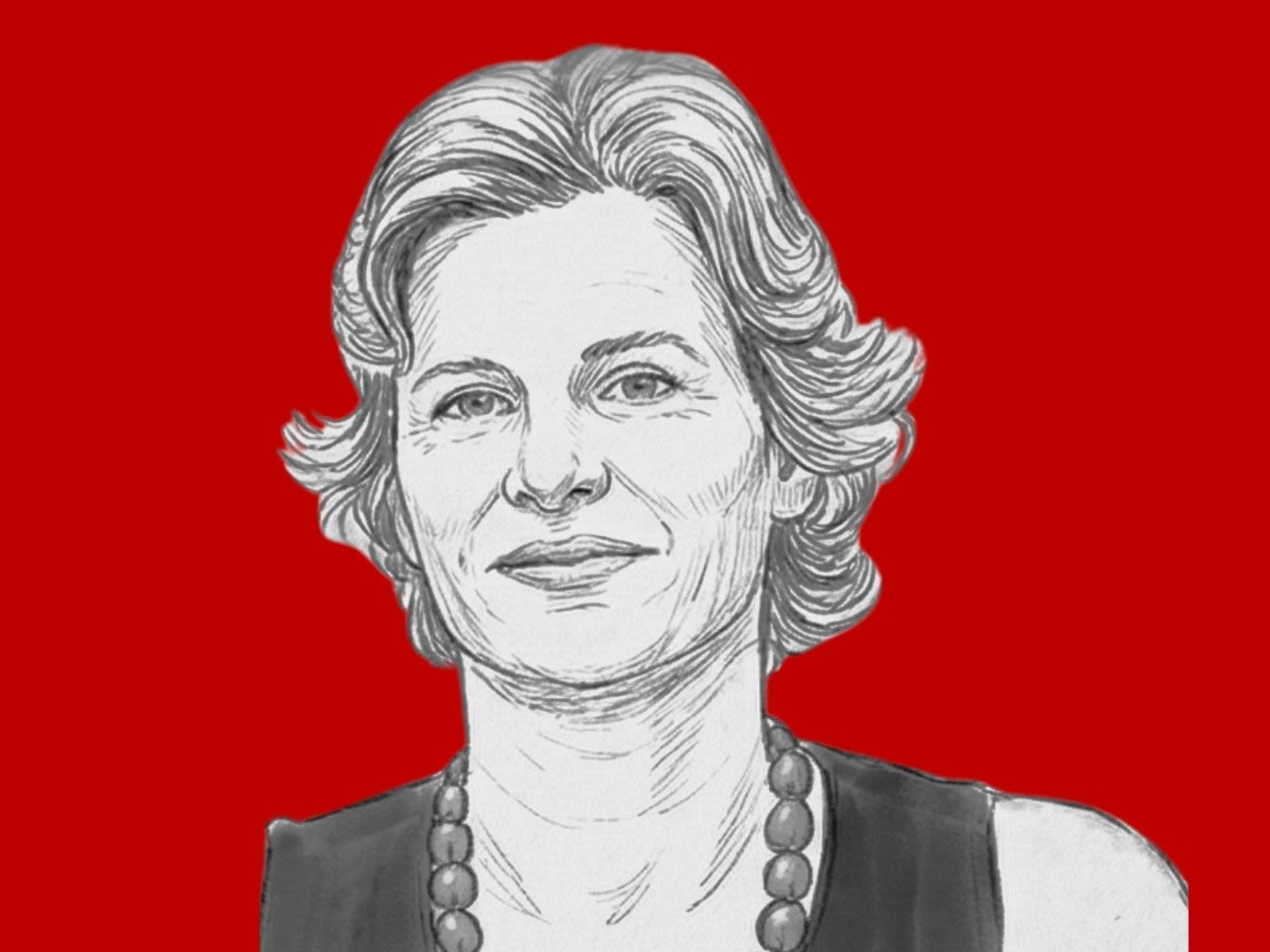
Doreen Bogdan-Martin

Doreen Bogdan-Martin

Secretary-general | International Telecommunication Union

Backstory:Doreen Bogdan-Martin is a veteran telecommunications specialist with more than 30 years of experience at the International Telecommunications Union — and is the first woman to be elected leader of the Geneva-based U.N. agency. Before joining ITU, she served in the U.S. Department of Commerce.

When she’s not delving into AI and other high-tech advances, Bogdan-Martin has a side hobby as an amateur radio operator.

Why she’s on the list:Even as the U.S. has retreated from multilateralism, the Trump administration has shown considerable interest in influencing U.N. debates over the future of artificial intelligence and global digital standards, including for the global south. Last year, the U.S. Department of State announced its backing for the reelection of Bogdan-Martin, whose four-year term wraps up at the end of 2026. The U.S. support for Bogdan-Martin — and ITU — is noteworthy at a time when the Trump administration has issued scathing criticism of the U.N. and imposed billions of dollars in funding cuts to the world body. ITU has served as an obscure battleground in the big power struggle for influence over global communications, pitting the U.S. against China and Russia, which sought a stronger role for governments in managing communications across the internet. Before Bogdan-Martin’s election, ITU was led for eight years by a Chinese national, Houlin Zhao, and her main challenger for the top job was Rashid Ismailov, a former deputy minister of Russia’s communications ministry and a former executive at Chinese telecom company Huawei.

Keller Rinaudo Cliffton

Keller Rinaudo Cliffton

Cofounder and CEO | Zipline

Backstory:The CEO and cofounder of Zipline, Keller Rinaudo Cliffton built the company from a robotics startup in 2014 into the world’s largest autonomous drone delivery system. While at Harvard, Cliffton raised $45,000 to build a rock climbing wall, and before becoming a tech mogul he spent some time living out of his car as a professional climber.

Why he’s on the list:Zipline is a U.S. tech behemoth that delivers essential health commodities in Africa while cutting out NGOs and contractors in the process. It has long been deeply integrated with government health ministries, private companies, and international organizations, which allows for an exponential reduction in delivery times and an increase in cost-effectiveness of health supply chains. It’s also the poster child for the new “America First” aid model: With a $150 million grant from the State Department, the multibillion-dollar company is poised to triple its health commodity deliveries in Africa, where it currently operates on a national scale in five countries. In order to fully unlock the U.S. funding, Zipline has to negotiate contracts with African governments that commit them to ongoing payment for its services. It’s an arrangement the State Department is holding up as the future of U.S. global health investment — turning partner governments into “customers” of American technology and innovation. For Zipline, it means an even bigger foothold in an emerging market — and increased scrutiny of its ability to deliver better health outcomes at a better price than the organizations it is supplanting.

Muhammad Ali Pate

Muhammad Ali Pate

Nigeria’s coordinating minister of state for health and social welfare

Backstory:Muhammad Ali Pate is a trained doctor but has held a varied slate of positions — global director for health, nutrition, and population at the World Bank; CEO of Big Win Philanthropy; and professor of public health leadership at the Harvard T.H. Chan School of Public Health. In 2023, Pate was named the CEO-elect of Gavi, the Vaccine Alliance, but later turned that role down to take on his current role as Nigeria’s health minister.

Why he’s on the list:Pate is the leading voice advocating for improving health care access in Africa’s most populous nation, with a particular focus on sourcing health products domestically. In September, Pate announced that production of anti-malaria bed nets will soon begin at a factory outside Abuja, the first time nets will have been produced locally despite them being distributed for decades. But his advocacy extends beyond his home country as he fights to reform the international global health infrastructure — making him one of the most recognized health ministers on the African continent and beyond. He is an advocate for shifting the donor-recipient relationship toward more equal partnerships and greater health sovereignty for African nations, in line with the "Accra Reset." At the World Health Assembly in May, Nigeria sponsored an initiative aimed at strengthening global health financing and accelerating progress toward achieving universal health coverage, which countries adopted. In September, Nigeria hosted a high-level national policy dialogue on reimagining the future of health financing — and when U.S. officials outlined their “America First” plans for global health, Pate said “we welcome” the vision to sign bilateral agreements with African governments.

Jeremy Lewin

Jeremy Lewin

Senior official and undersecretary for foreign assistance, humanitarian affairs, and religious freedom | U.S. Department of State

Backstory:At 28 years old, Jeremy Lewin came to government with no prior diplomatic experience. Brought in specifically to dismantle USAID as part of President Donald Trump’s efficiency reforms, he now owns the task of putting U.S. foreign assistance back together at the State Department.

Why he’s on the list:Lewin now controls over $50 billion in annual U.S. foreign assistance as the State Department's senior official overseeing aid, humanitarian response, and global health. As part of the Department for Government Efficiency, or DOGE, he led historic cuts totaling billions of dollars in foreign assistance funding, and left little doubt about his distaste for USAID’s international NGO and contractor partners along the way. In Lewin’s telling, he is part of a historic effort to recapture U.S. foreign assistance from the “global humanitarian complex” and return it to the interests of the American people. We’re still waiting for the State Department to restart real aid spending and show the world what that new system looks like, but high-profile deals with the pharmaceutical manufacturer Gilead and the drone-robotics company Zipline suggest Lewin wants American tech firms to get a bigger piece of the pie. Whether he can reshape the entire foreign aid architecture to match DOGE principles while maintaining U.S. global influence is the question hanging over 2026.

Binaifer Nowrojee

Binaifer Nowrojee

President | Open Society Foundations

Backstory:Binaifer Nowrojee has served as president of Open Society Foundations since 2024, after rising through the organization from its East Africa office to regional director for Asia and eventually vice president of programs. Previously, she spent a decade at Human Rights Watch, where she worked on sexual violence during the Rwandan genocide. The daughter of renowned Kenyan human rights advocate Pheroze Nowrojee, she told the Daily Nation that because of her father’s prominent political work, she couldn’t get into university in Kenya — so she went to the U.S., where she was educated at Columbia University and Harvard Law School.

Why she’s on the list:Nowrojee is leading OSF through a storm of upheaval and political crossfire. She took over just as the foundation shed three-quarters of its staff and consolidated its global footprint. That alone would have been a defining challenge, but the organization’s work on democracy and governance also took on new importance after U.S. aid cuts canceled 97% of programs focused on democracy, human rights, governance, and peacebuilding. Her presidency now unfolds under a hostile U.S. administration escalating its attacks on progressive institutions and singling out OSF’s founder, George Soros, as a political target. The organization is one of the most visible left-leaning philanthropies in the world, and the Trump administration has threatened to use the U.S. Justice Department and IRS to go after it and groups like it. Nowrojee has been defiant, saying the foundation will not change its U.S. programming and promising to challenge the administration in court if needed — a test that will undoubtedly shape how the rest of the field prepares for what comes next.

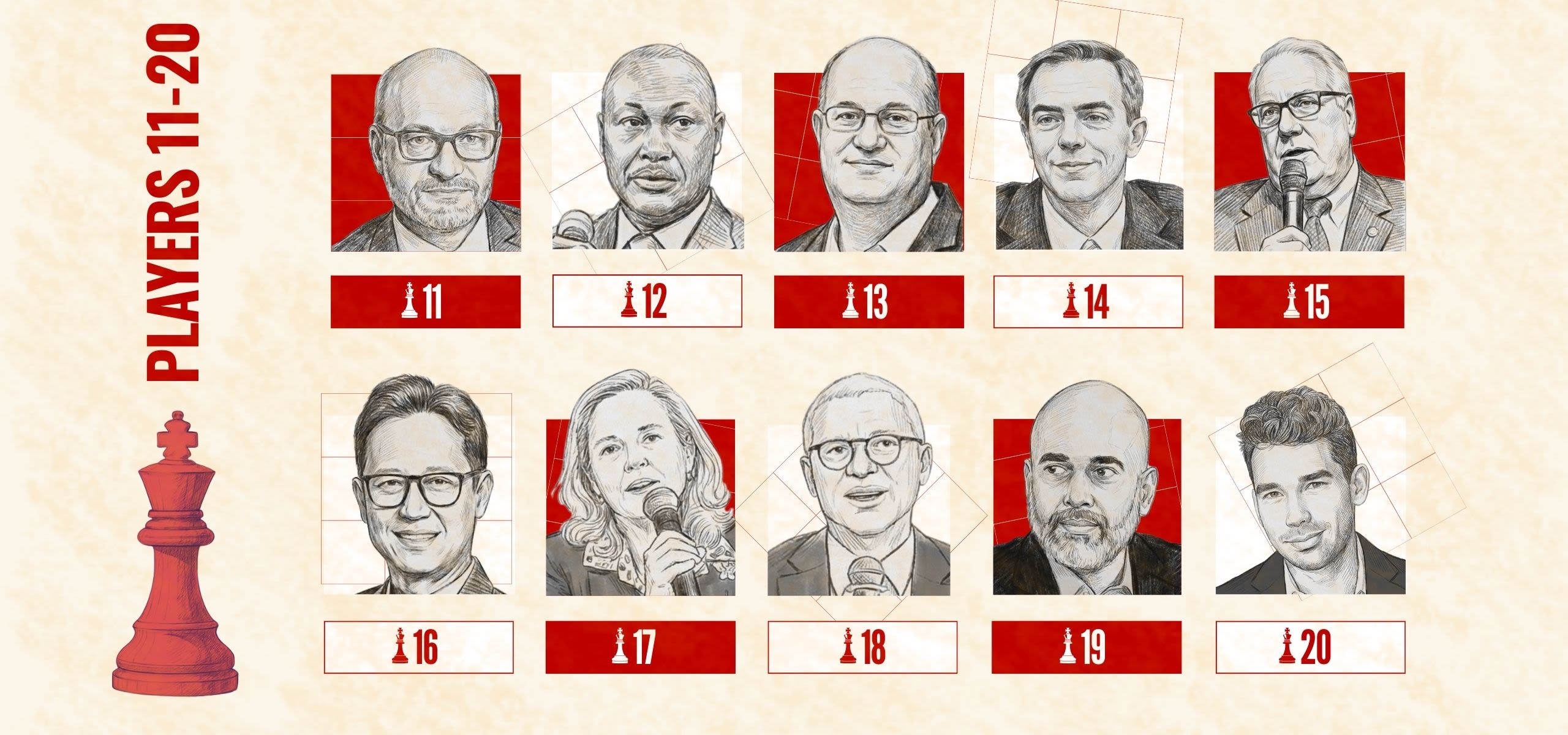
PLAYERS 11-20

11. Rémy Rioux
CEO | French Development Agency

12. Samaila Zubairu
President and CEO | Africa Finance Corporation

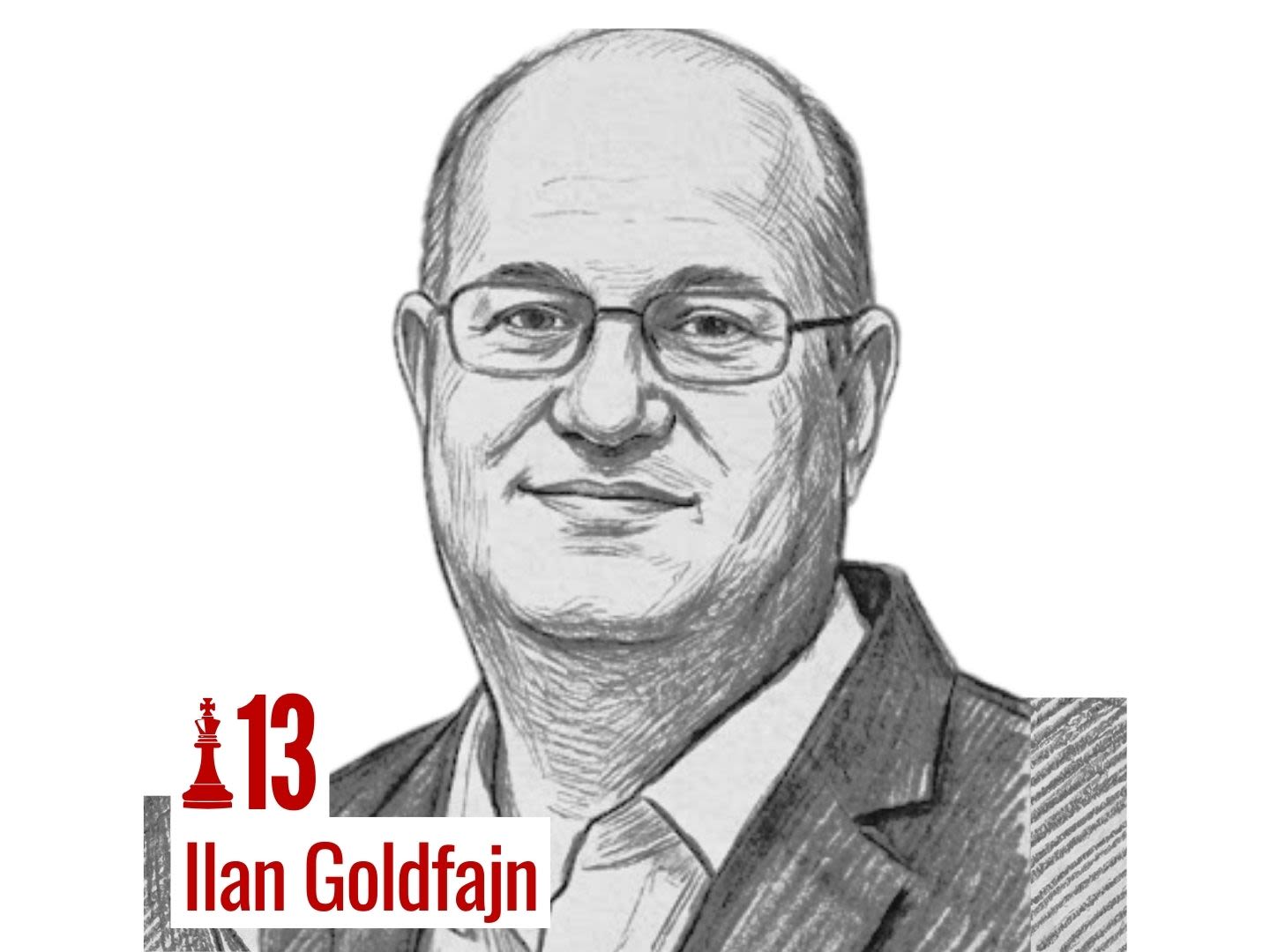
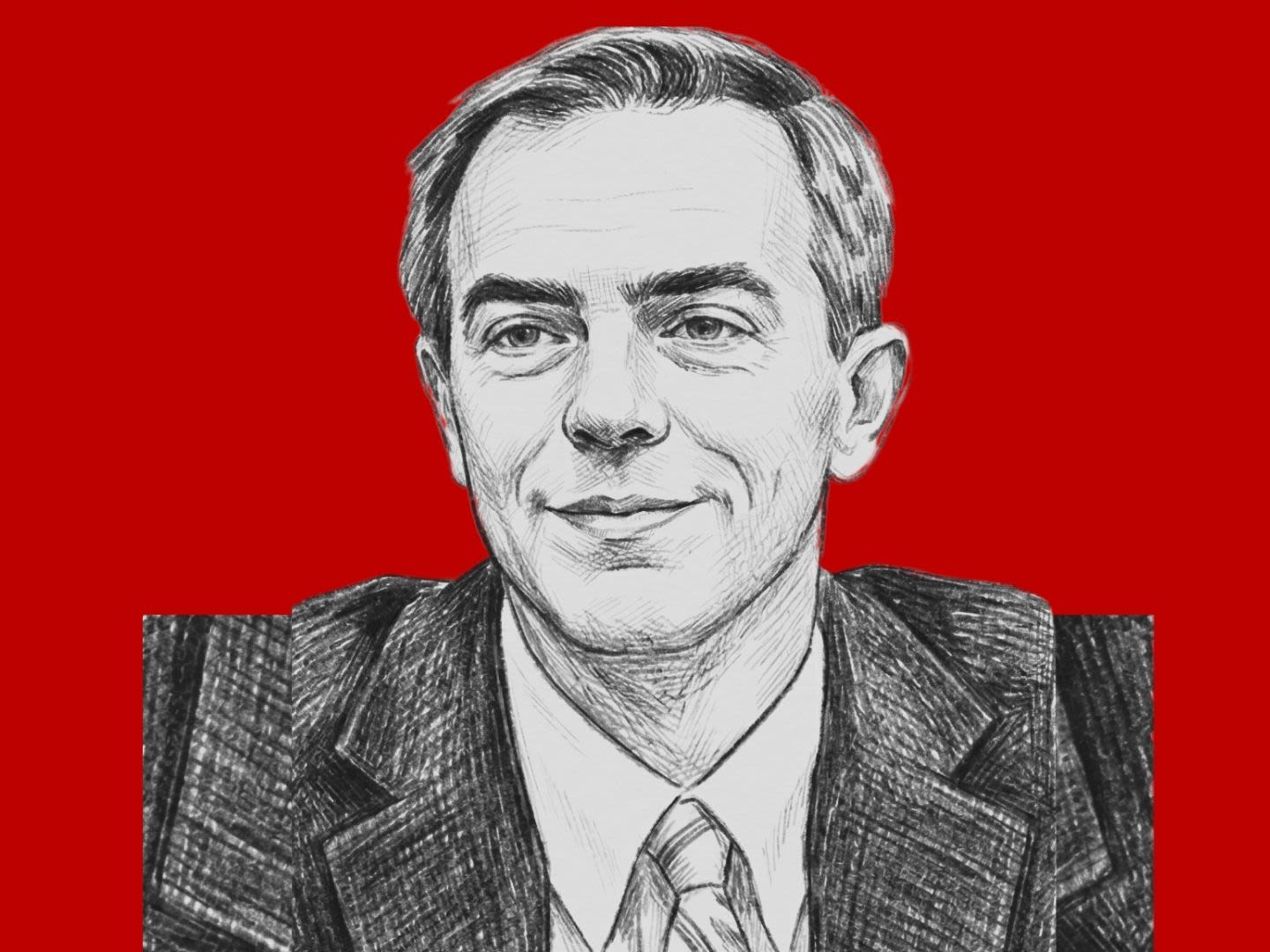
13. Ilan Goldfajn
President | Inter-American Development Bank

14. Brad Smith
Senior adviser, Bureau of Global Health Security and Diplomacy | U.S. Department of State

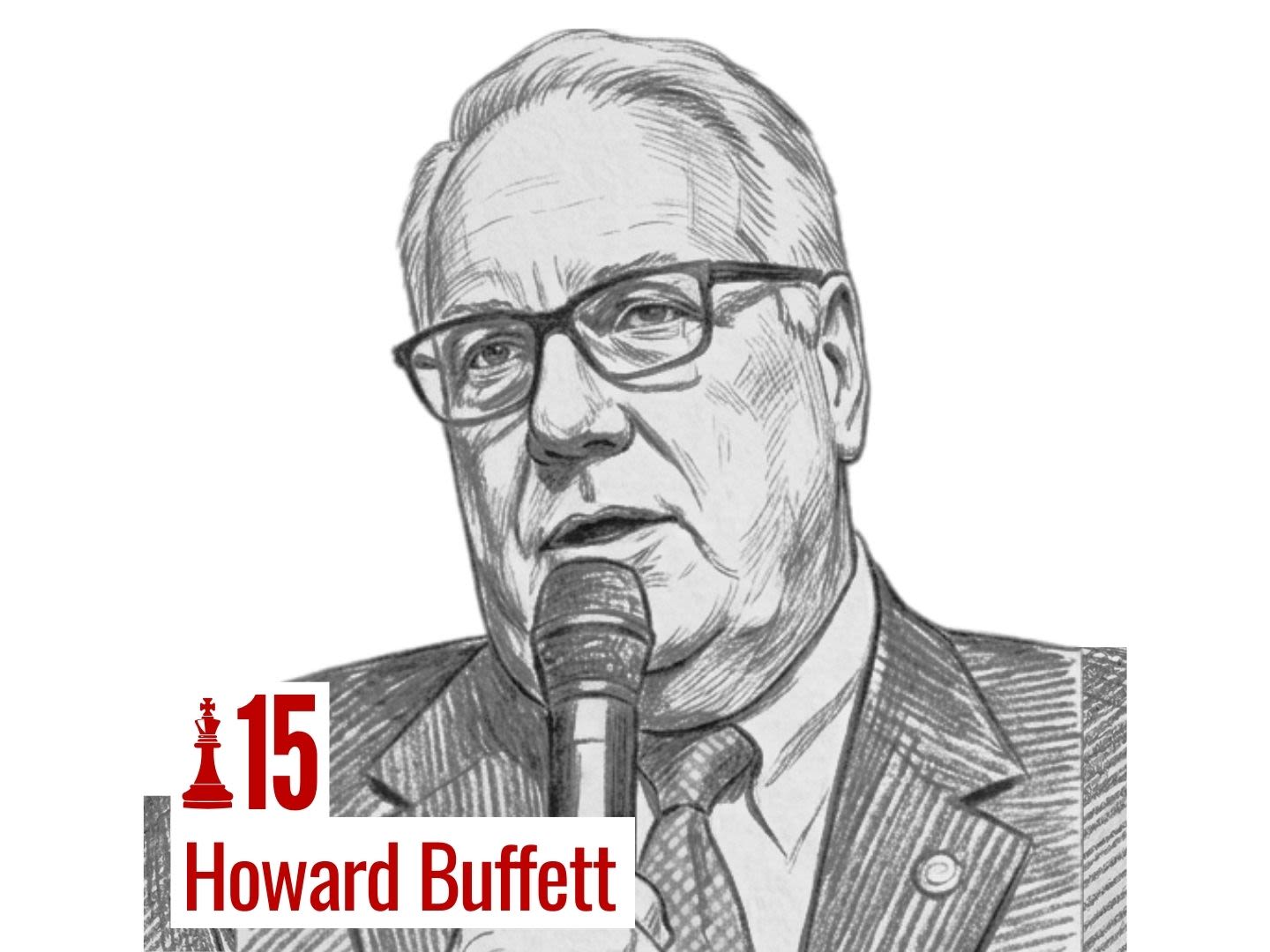
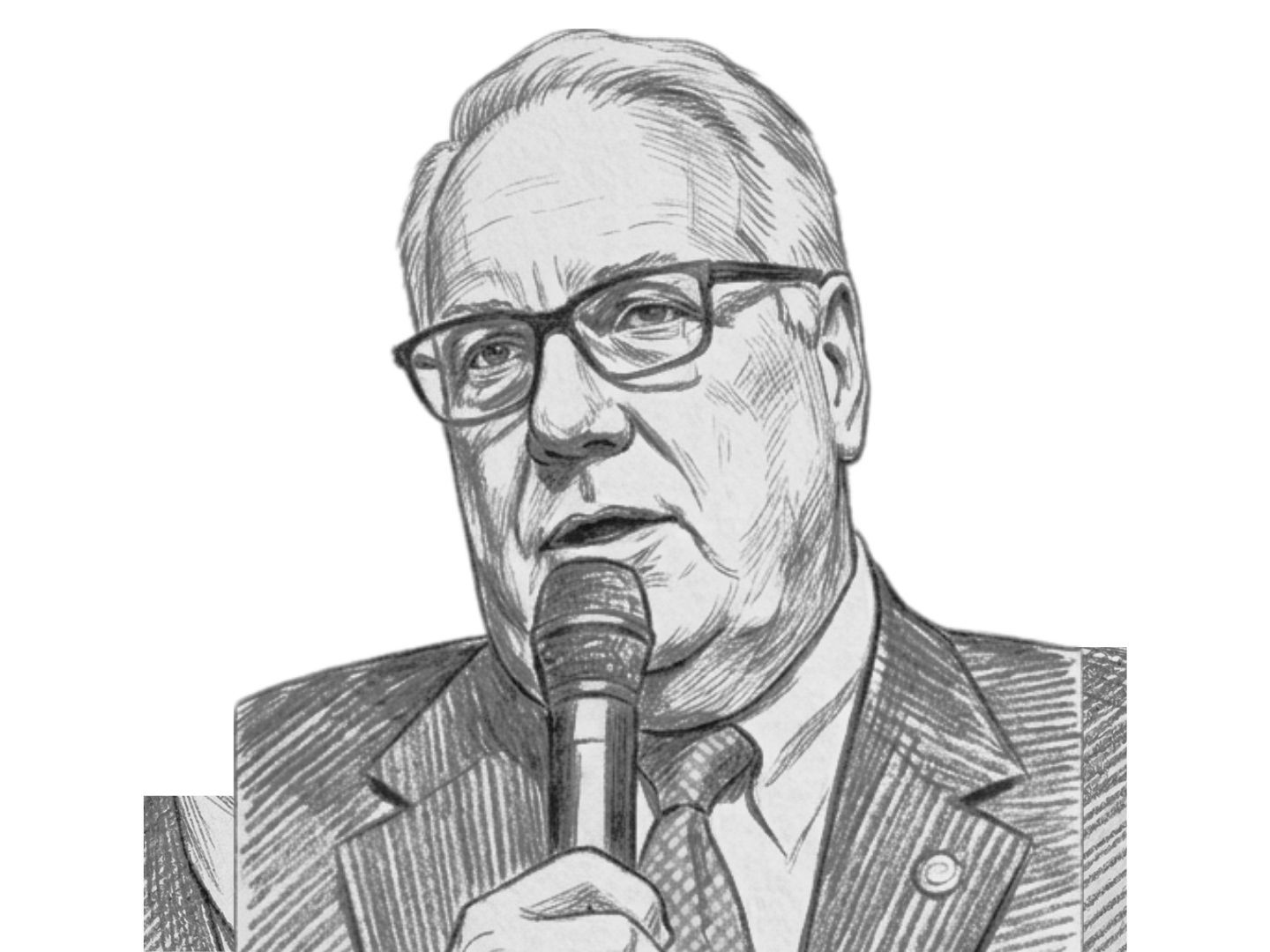
15. Howard Buffett
CEO and chair | Howard G. Buffett Foundation

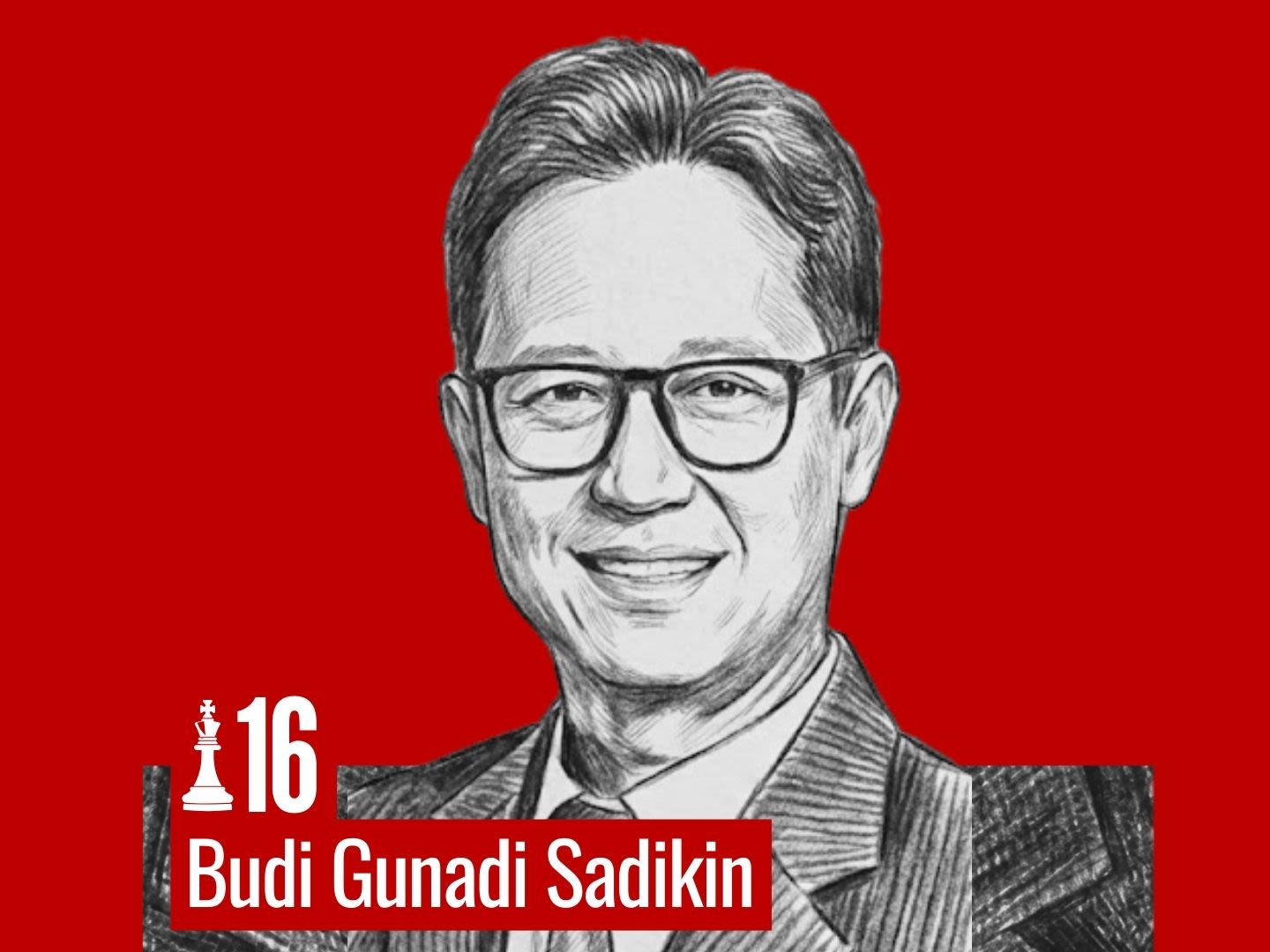
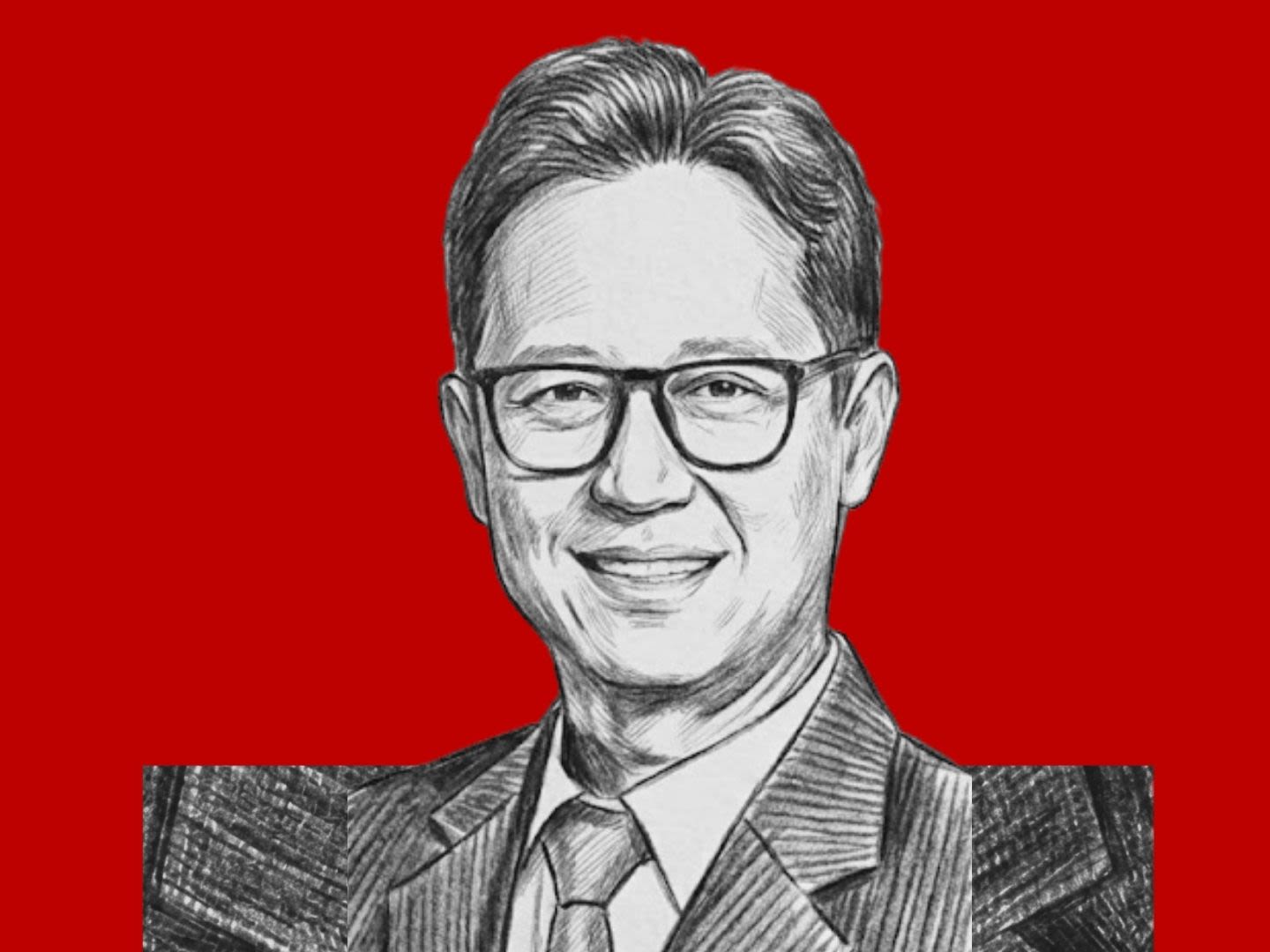
16. Budi Gunadi Sadikin
Indonesia’s minister of health

17. Nadia Calviño
President | European Investment Bank

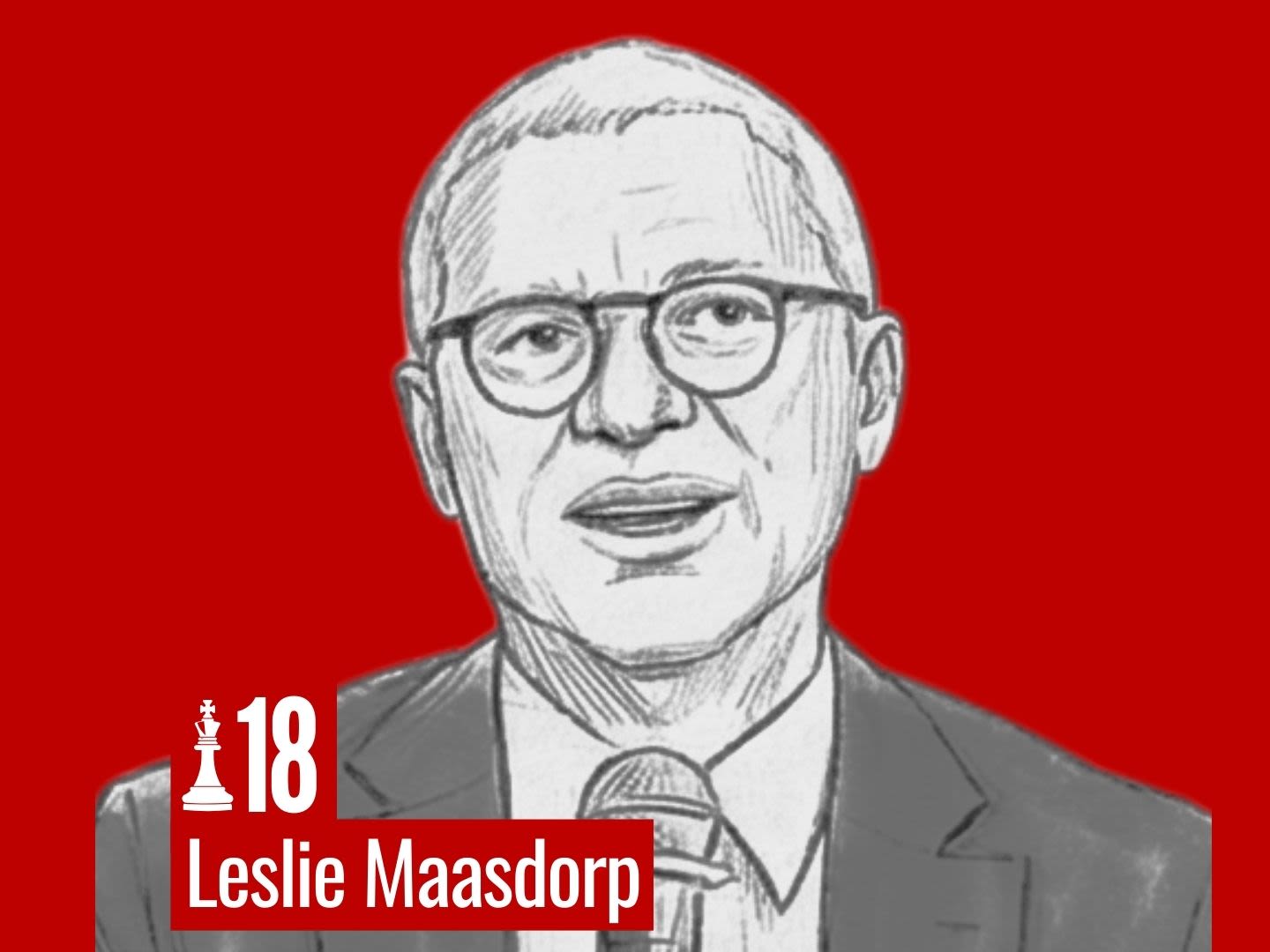
18. Leslie Maasdorp
CEO | British International Investment

19. Hari Menon

President | Global Growth & Opportunity Division at the Gates Foundation

20. William Moore
CEO | Eleanor Crook Foundation

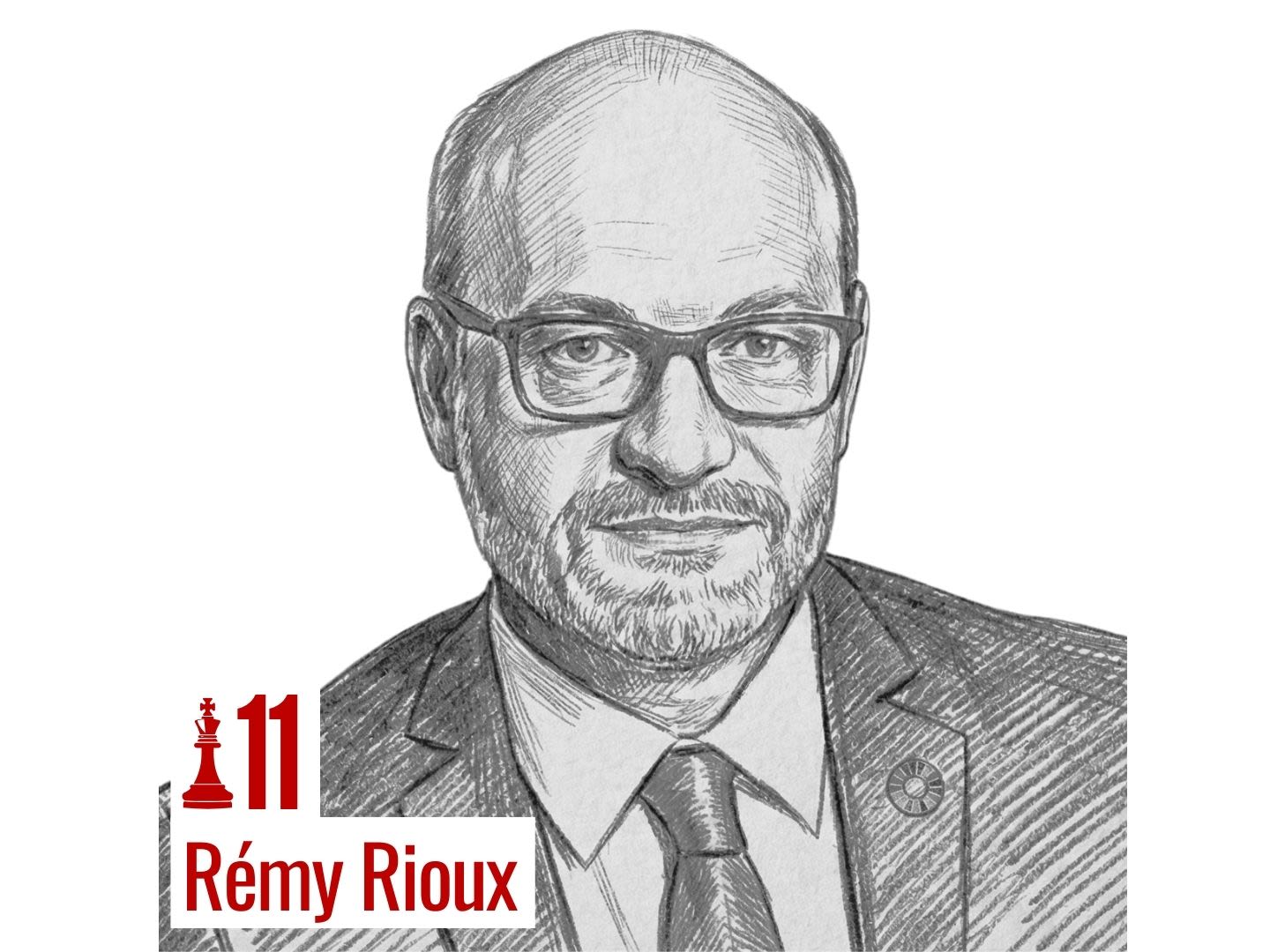
Rémy Rioux

Rémy Rioux

CEO | French Development Agency

Backstory:Rémy Rioux has served as the CEO of the French Development Agency, or AFD, since 2016 — and until October, he chaired the International Development Finance Club network of development finance institutions. Prior to that, he worked for the Ministry of Foreign Affairs, where he helped coordinate the financial agenda of the French presidency for the 21st United Nations Climate Change Conference, birthplace of the Paris Agreement.

Why he’s on the list:Rioux is steering AFD through a politically sensitive expansion of France’s development footprint while also consolidating Europe’s role in global public development banking through the Finance in Common platform he helped build. Finance in Common seeks to be the coordination hub for the world’s over 500 public development banks, pushing them toward common climate standards, cofinancing mechanisms, and a unified voice in the global financial architecture. Rioux is also pushing AFD into Morocco’s southern provinces under the Paris-Rabat strategic framework — including a planned €150 million ($174 million) investment package — positioning AFD at the center of a high-stakes geopolitical and development play. At the same time, Rioux is quietly emerging as a front-runner to succeed Pierre Moscovici as head of France’s Cour des comptes, or Court of Audit, which is an independent body that controls the use of public funds and audits public accounts. If he were to step into the role, it would shift his influence from global development diplomacy to France’s most powerful public finance oversight institution.

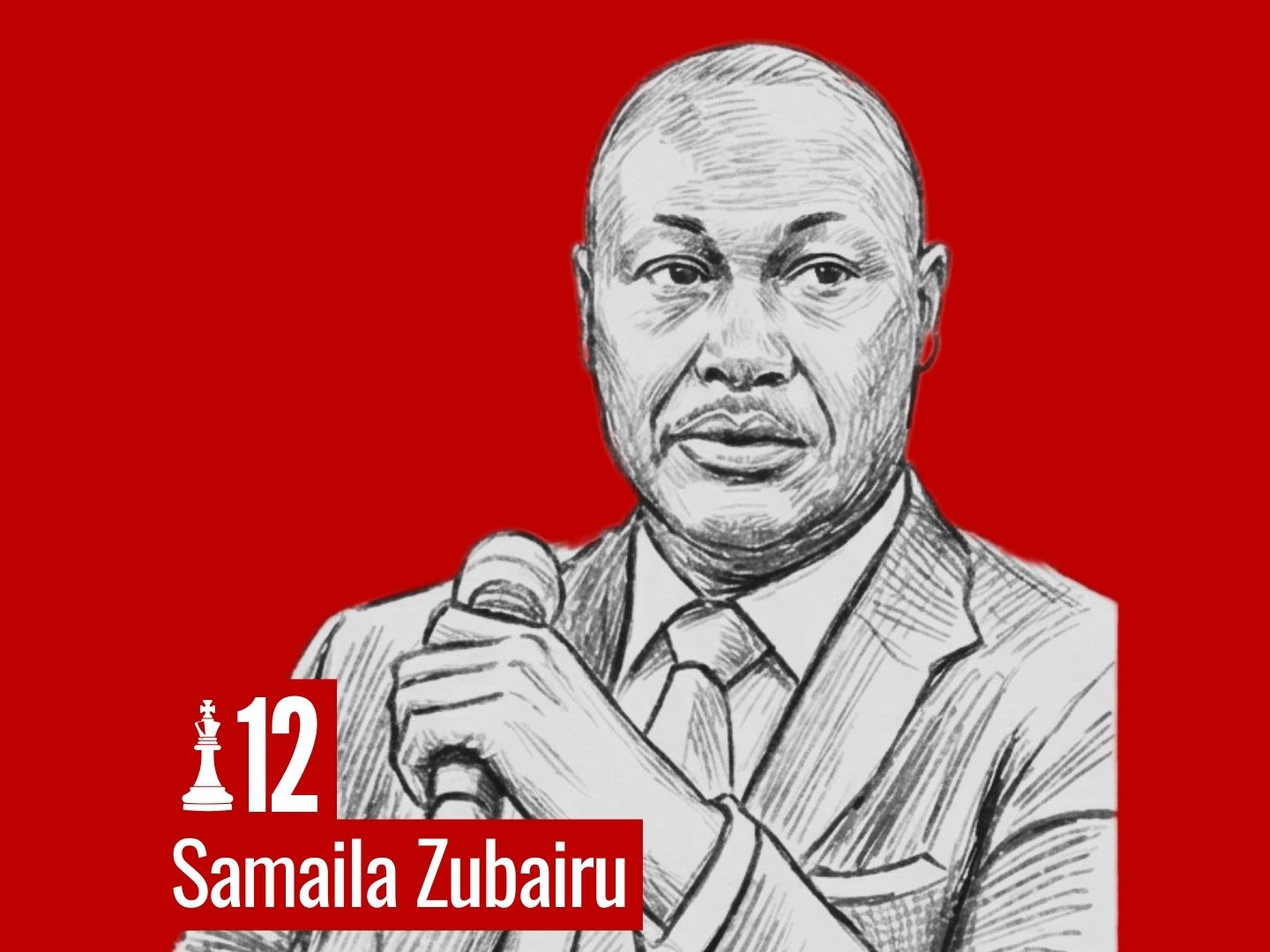
Samaila Zubairu

Samaila Zubairu

President and CEO | Africa Finance Corporation

Backstory:An Eisenhower fellow who was previously CEO of Africapital Management Ltd. and CFO of Dangote Cement Plc., Samaila Zubairu has been president and CEO of the Africa Finance Corporation since 2018.

Why he’s on the list:Under Zubairu’s seven years leading AFC, the bank has grown steadily in size and prestige, with Zubairu often seen as the face of infrastructure investment in Africa. He tripled membership — the development finance bank just brought on Equatorial Guinea as its 47th member state — as well as tripling investments and boosting profits by 400%. A fierce advocate for African job creation, and industrialization, he has long championed African agency and investment over foreign assistance. Most recently, he has been aggressively pushing for African value capture — processing minerals on the continent rather than exporting raw commodities. “We're convinced that Africa must define its development agenda, and it must fund it by itself, and it's only when it does that that you’ll find partners to scale,” he told Devex during the World Bank annual meetings.

Ilan Goldfajn

Ilan Goldfajn

President | Inter-American Development Bank

Backstory:A former governor of the Central Bank of Brazil and director of the Western Hemisphere Department at the International Monetary Fund, Ilan Goldfajn has been president of the Inter-American Development Bank since 2022 — when he was elected to replace Mauricio Claver-Carone — Donald Trump’s pick — who was toppled by a workplace sexual scandal and attendant ethics violations.

Why he’s on the list:Trump’s doctrine to exert power over the Western Hemisphere stands to raise IDB’s Washington profile and make the bank a major financial player — including potentially in Venezuela as that country rebuilds under a new government. Even before the Trump administration’s focus on Latin America, IDB had been instituting a raft of significant reforms. Under Goldfajn’s leadership, IDB Invest, the bank’s private-sector arm, has been integrated into the bank’s core lending. It was also approved for an infusion of $3.5 billion in capital in 2024 and has so far successfully avoided any political clashes with the Trump administration. In addition, IDB has announced a steady stream of major deals, including a recent $1 billion plan to finance micro, small, and medium enterprises in the Amazon and elsewhere in Brazil. Goldfajn has also made progress in implementing an “originate-to-distribute” model that repackages loans into securities and sells them to third-party investors, which will allow the bank to free up its balance sheet and take on more risk. Side note: He’s maintained a relatively smooth relationship with the White House, even though Claver-Carone briefly joined the second Trump administration as a special envoy to Latin America in the first half of 2025.

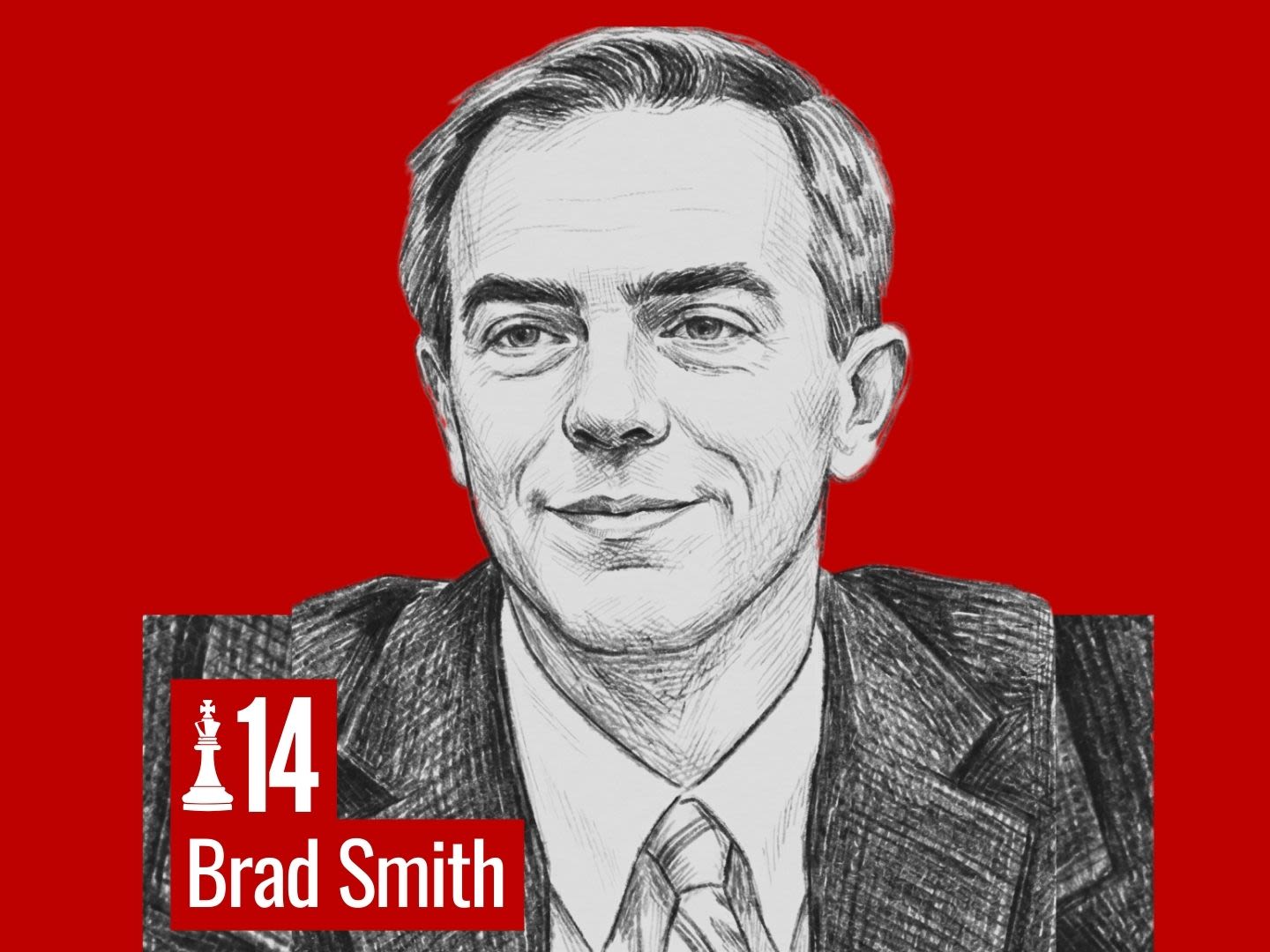
Brad Smith

Brad Smith

Senior adviser, Bureau of Global Health Security and Diplomacy | U.S. Department of State

Backstory:The architect of the Trump administration’s “America First” global health strategy, Brad Smith is a well-connected health entrepreneur who has sold his past ventures for billions of dollars as he cycled between private sector startups and government service. He led DOGE’s downsizing at the Department of Health and Human Services before landing an influential senior adviser role in the State Department’s Bureau of Global Health Security and Diplomacy.

Why he’s on the list:Smith has been in the room where it happens when it comes to the Trump administration’s full-scale restructuring and reorientation of billions of dollars of U.S. global health assistance. He was the driving force of the new strategy that was released in September and has led the negotiation of bilateral agreements with African governments that will dictate what the future looks like for historic programs such as PEPFAR and the President’s Malaria Initiative. The massive strategic pivot that Smith is engineering marks nothing short of the end of one era of global health, and the start of a new one. Does that mean a future of innovation, efficiency, and self-reliance — or the self-destruction of one of America’s greatest global legacies? It depends who you ask.

Howard Buffett

Howard Buffett

CEO and chair | Howard G. Buffett Foundation

Backstory:Howard Buffett, the son of Warren Buffett, is a farmer, photographer, philanthropist, Republican, and former sheriff of Macon County, Illinois. While his siblings are also philanthropy-focused, he’s the only one primarily focused on development and humanitarian work outside the United States. He also serves on the board of Berkshire Hathaway and is slated to one day succeed his father as chair.

Why he’s on the list:Last year, 95-year-old legendary investor and philanthropist Warren Buffett not only announced he is giving up the reins of his storied company, Berkshire Hathaway, but also that he is stepping up plans to give his fortune to a charitable trust managed by his three children, each of whom run their own philanthropic endeavors. Warren's middle child, 70-year-old Howard, is the globe-trotter of the group, traveling between the front-lines in Ukraine, conflict zones in the Democratic Republic of Congo, and his working farm in rural Illinois. His focus is on humanitarian and development efforts, particularly working with farmers, and he’s known for rolling up his sleeves and, sometimes literally, getting his hands in the soil. In recent years, his work in Ukraine has stood out. He is the largest private philanthropist in the war-torn country, having given more than $1.1 billion in aid via the Howard G. Buffett Foundation since 2022. Howard has also personally visited Ukraine 24 times since the war began, often photographing the front-lines himself, becoming a personal ally of Ukrainian President Volodymyr Zelenskyy. As the Buffett family prepares to give away one of the largest fortunes in human history — reportedly $150 billion over approximately 10 years, which could make their annual giving perhaps double that of the Gates Foundation — Howard is playing a vital role.

Budi Gunadi Sadikin

Budi Gunadi Sadikin

Indonesia’s minister of health

Backstory:Budi Gunadi Sadikin was appointed health minister of Indonesia in late 2020 at the height of the COVID-19 pandemic, the country’s first health minister without a medical background — but he is a trained nuclear physicist. Before former Indonesian President Joko Widodo tasked him to lead the rapid rollout of COVID-19 vaccines in the country, he spent most of his career in the banking industry. Now he sits on the boards of the Stop TB Partnership and Gavi, the Vaccine Alliance.

Why he’s on the list:Post-COVID-19, Sadikin’s tactic of looking at health as an economic growth opportunity has transformed Indonesia’s health system into one that is more self-reliant and less donor dependent. Under his leadership, Indonesia has rolled out several new vaccines, entered agreements to boost domestic vaccine manufacturing, and unlocked billions in health financing from multilateral development banks. This includes 2023’s $4 billion Indonesia Health Systems Strengthening project, the largest World Bank investment ever in the health sector globally. Indonesia also entered into a Debt2Health agreement with Germany, converting €75 million in Indonesian debt to investments in the country’s health priorities. In February 2025, Indonesia launched what Sadikin called the country’s “most ambitious primary health care program” — free annual health screenings for 280 million Indonesians to help detect and treat conditions such as heart disease and cancer early.

In interviews, Sadikin said he wants Indonesia to be vaccine self-sufficient by 2037, shift the country’s focus to health prevention, and has encouraged his peers to look beyond traditional donor assistance. Though criticized for some of his remarks and policies at home, he has become a prominent figure on the global health stage, even speaking at the Gates Foundation's Goalkeepers event in September 2025. Some see him as a good candidate for the World Health Organization director-general position, a role that insiders said he is interested in — although he has not made any formal announcements.

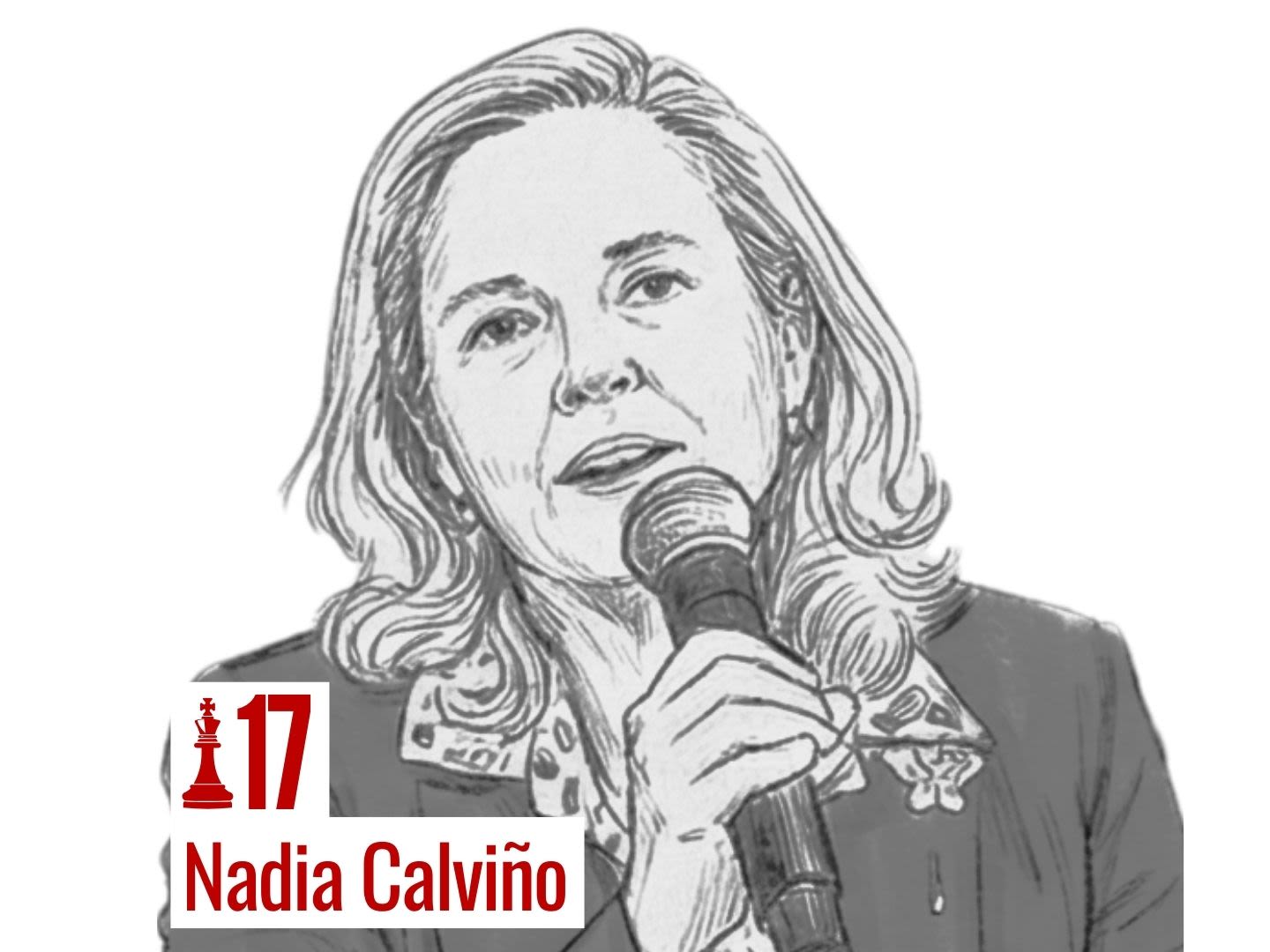
Nadia Calviño

Nadia Calviño

President | European Investment Bank

Backstory:Nadia Calviño has served as president of the European Investment Bank since January 2024. Before that, she was first deputy prime minister and minister of economy of Spain, as well as a longtime senior European Commission official overseeing competition, financial services, and ultimately the European Union budget.

Why she’s on the list:As EIB president, Calviño directs the European Union’s main long-term financing institution at a moment of internal growth and external geopolitical pressure, with the continent caught between the U.S., Russia, and China. With a €600 billion balance sheet, AAA rating, and a model that multiplies each euro from the EU budget by 15, she’s taking a muscular approach to global lending. In fact, she told Devex in October that the multilateral development bank will raise annual financing up to €10 billion and sharpen its focus on impact outside the European Union. That especially includes Ukraine, which she called a “top priority,” while other regions — from the western Balkans to sub-Saharan Africa, Asia, and Latin America — will see “a more targeted, differentiated approach.” She continues to champion the bank’s gender and climate goals, while pushing it to expand beyond traditional lending into technology and digitalization as well as defense and security. She has been driving an aggressive agenda to close green-transition investment gaps, unlock more capital for small- and medium-sized enterprises, and deepen EU–Latin America financing ties as part of Europe’s broader economic repositioning. With control over one of the world’s most influential multilateral lenders — and with EU governments increasingly treating EIB as a central geopolitical tool — Calviño’s strategic choices are poised to shape Europe’s economic resilience and global leverage for years to come.

Leslie Maasdorp

Leslie Maasdorp

CEO | British International Investment

Backstory:Before taking on leadership of BII, the United Kingdom’s development finance institution, in November 2024, Leslie Maasdorp was chief financial officer at the Shanghai-based New Development Bank, aka the BRICS bank. Prior to that, he worked at Bank of America, Barclays, and in the post-apartheid South African government. Growing up mixed-race in apartheid South Africa, he became a student protest leader and spent a year in prison — and while he couldn’t attend lectures, professors donated books for him to read while incarcerated and he took his economics exam “having basically taught myself,” he said during a recent podcast appearance.

Why he’s on the list:As the U.K. institutes another round of punishing aid cuts, expected to reach its lowest in cash terms since 2012, BII is expected to maintain most of its resources. Maasdorp wants the development finance institution to be a hub of innovation, and main focuses will be climate finance and investment in Africa. He’s already known for pushing the envelope, such as when he called for multilateral development banks to reconsider their allegiance to the AAA credit rating. His background and current position place him squarely between the global south, BRICS, and the G20 — with the power to mold one of the world’s most prominent development finance institutions as his vision dictates.

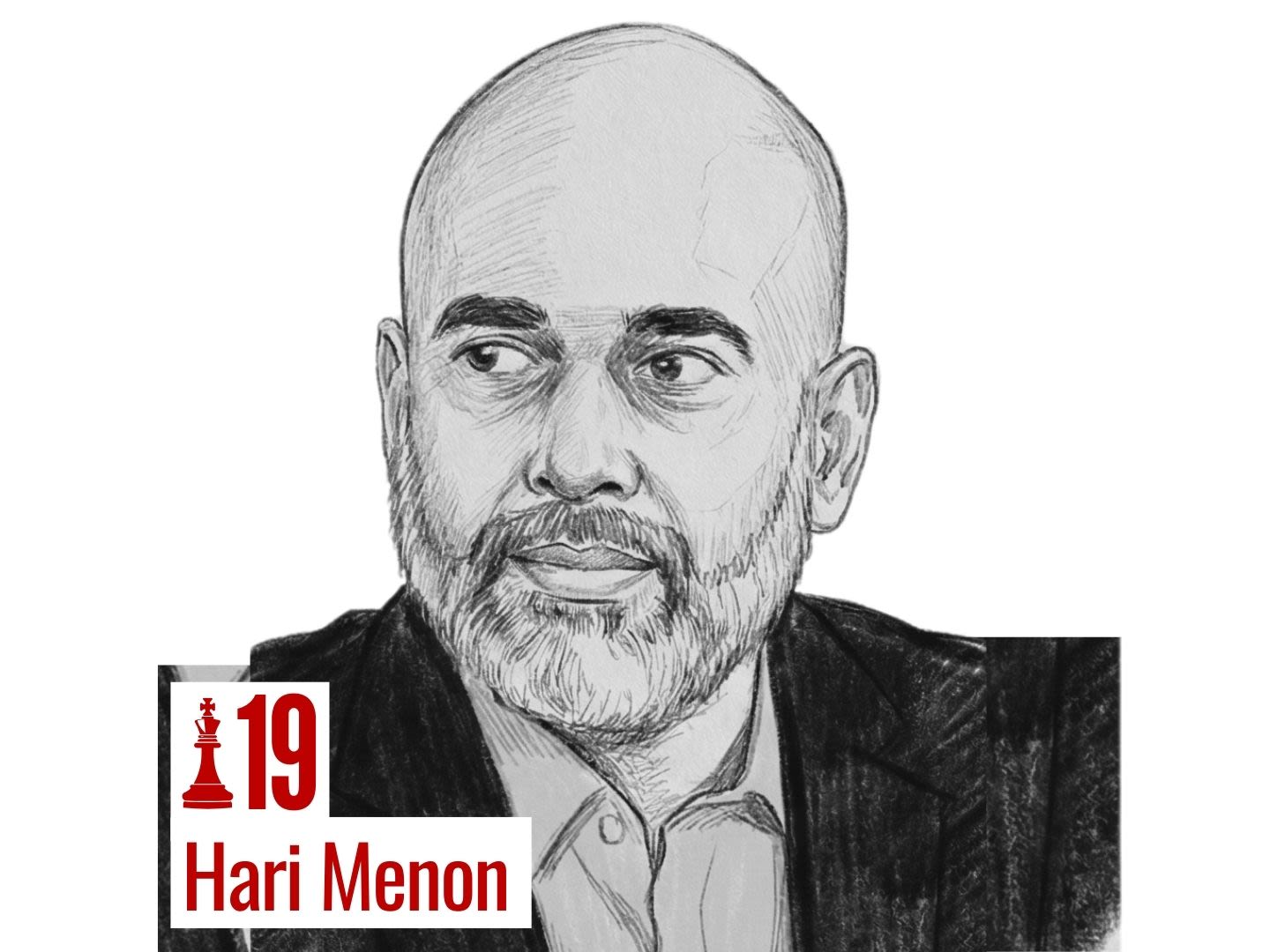
Hari Menon

Hari Menon

President | Global Growth & Opportunity Division at the Gates Foundation

Backstory:Hari Menon has been an instrumental force at the Gates Foundation since 2004. He was recently appointed to lead the Global Growth & Opportunity Division, or GGO, where he will oversee the foundation’s work in agricultural development, inclusive financial systems, digital public infrastructure, sanitation, large-scale food fortification, and global education. He previously led the India office, overseeing the foundation’s work in South and Southeast Asia. During a stint from 2011 to 2013, he was a strategic philanthropic adviser to Rohini Nilekani, one of India’s most prominent philanthropists.

Why he’s on the list:Menon’s rise to GGO president elevates a 20-year Gates Foundation veteran with deep country and regional experience into one of the foundation’s most senior roles. Over the years, that experience made him the foundation’s main man in Asia. With deep expertise and ties to India, Menon shaped a portfolio that is among the foundation’s most important. India represents an enormous share of the world’s biggest health challenges, so progress there can move the needle on diseases at the global level. Now, as head of GGO, his expansive portfolio not only encompasses South Asia, but also sub-Saharan Africa. As he takes over the GGO presidency from Rodger Voorhies, who is leaving the foundation after 14 years, Menon is transitioning from the Gates Foundation's Asia work — with India leadership passing to Archna Vyas — to a broader global role at a time when the foundation is at a pivotal inflection point following its decision to sunset by 2045 and give away $200 billion in that timespan.

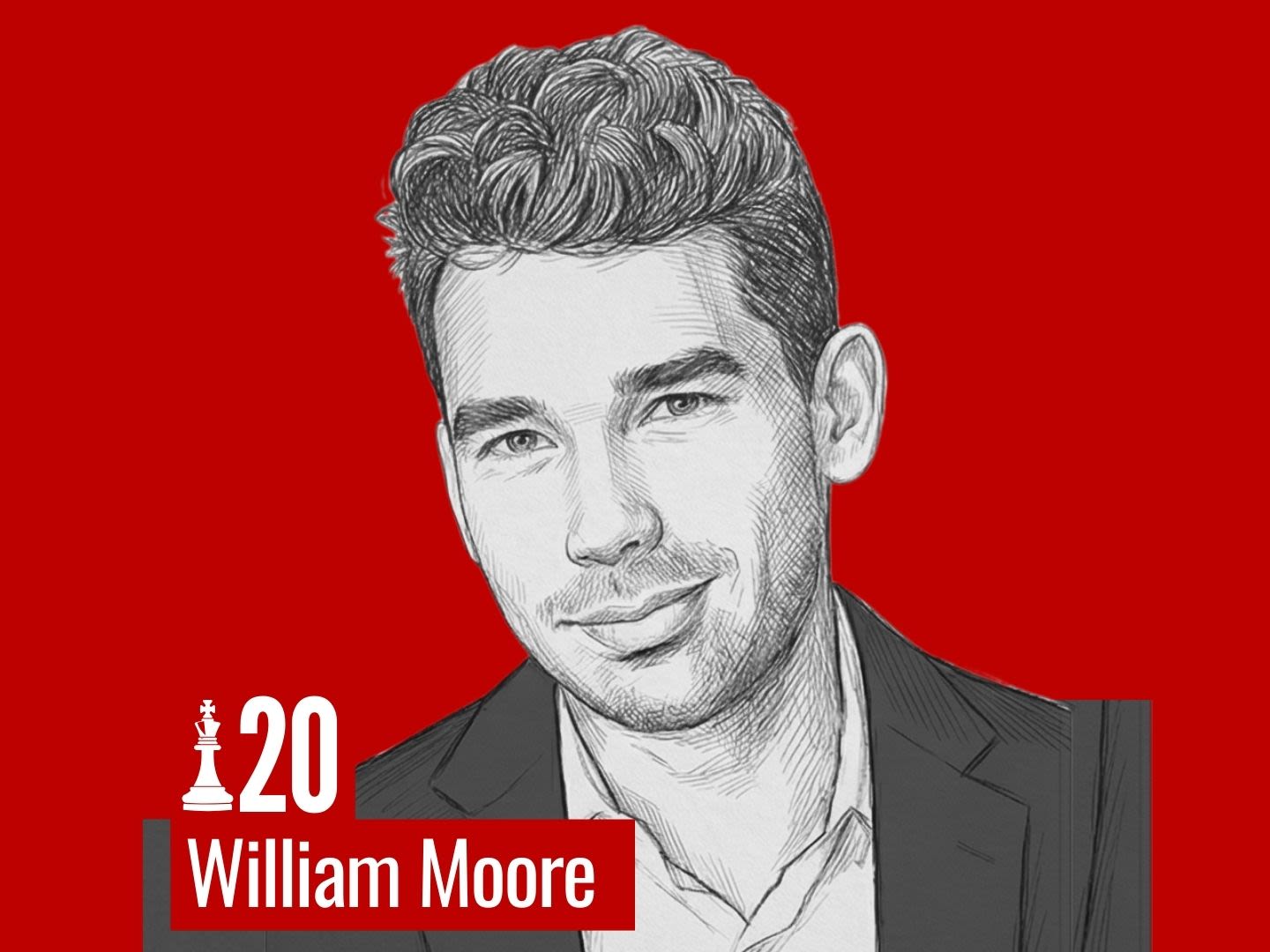
William Moore

William Moore

CEO | Eleanor Crook Foundation

Backstory:Since 2015, William Moore has served as the first CEO of the Eleanor Crook Foundation, a U.S.-based philanthropy focused on global nutrition founded by his grandmother — who herself was the heiress of Texas-based grocery chain H-E-B. He is also the former chair of Stronger Foundations for Nutrition, a philanthropic coalition that aims to end malnutrition. He currently chairs the board of the Malnutrition Advocacy Fund.

Why he’s on the list:Moore has led the organization from a small family foundation to a powerhouse for research and policy aiming to end hunger around the world. ECF itself has invested more than $100 million to fight malnutrition while helping catalyze hundreds of millions of dollars in philanthropic investment and private sector support to scale nutritional interventions. Under Moore’s leadership, ECF has gotten creative, using video games with in-game purchases to get people to buy ready-to-use therapeutic food, or RUTF, packets for hungry people around the world. More recently, he has worked closely with Capitol Hill to galvanize support for U.S. global nutrition funding and insulate the sector from funding cuts — and approached the “America First” crowd on their own terms, publicizing RUTF packets bearing an American flag and U.S. President Donald Trump’s signature as a good investment of American tax dollars.

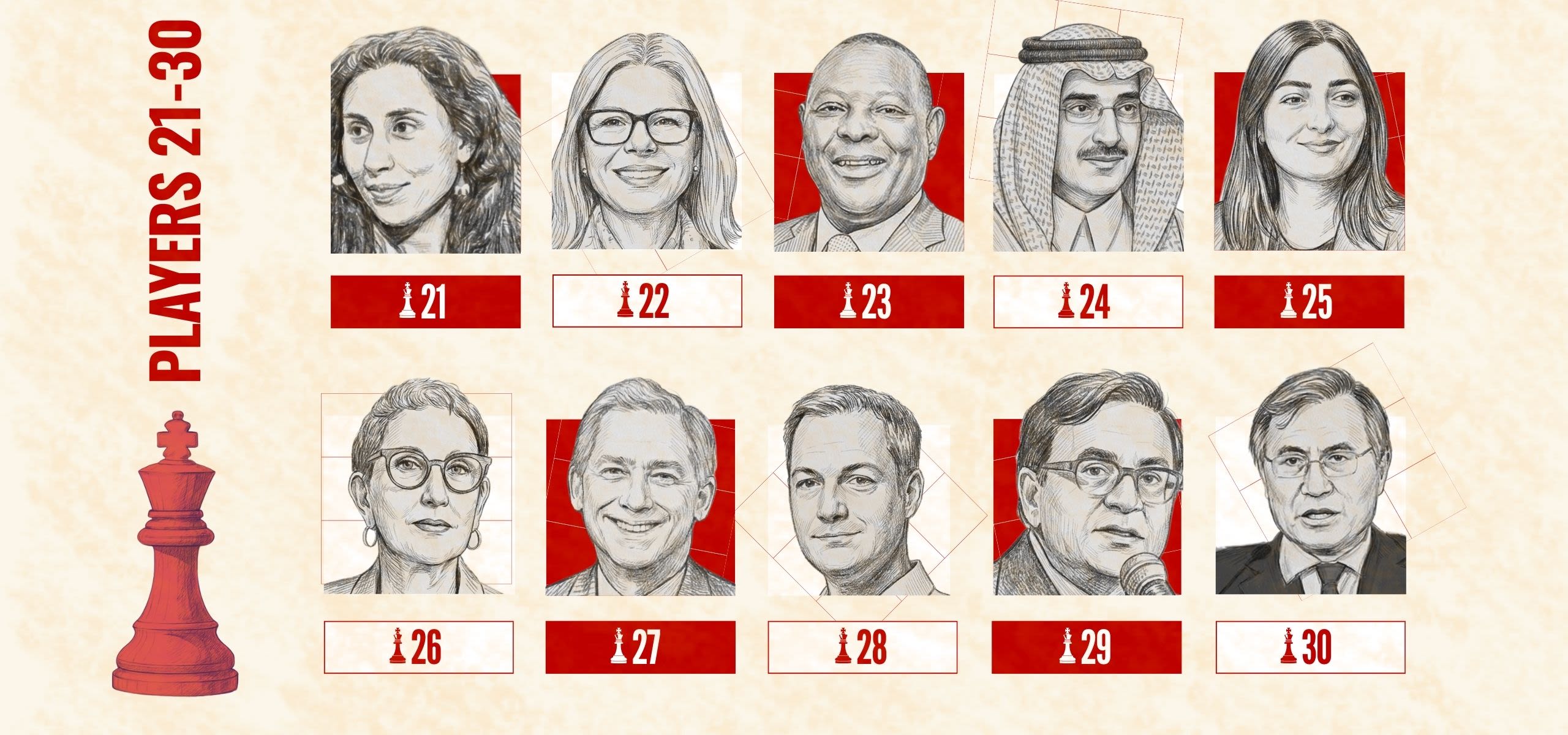
PLAYERS 21-30

21. Nidhi Sahni
Partner and head of U.S. Region and Advisory | The Bridgespan Group

22. Anna Bjerde
Managing director of operations | World Bank

23. James Mwangi
Group managing director and group CEO | Equity Group Holdings Plc

24. Sultan Abdulrahman Al-Marshad
CEO | Saudi Fund for Development

25. Reem Alabali Radovan
German minister for economic cooperation and development

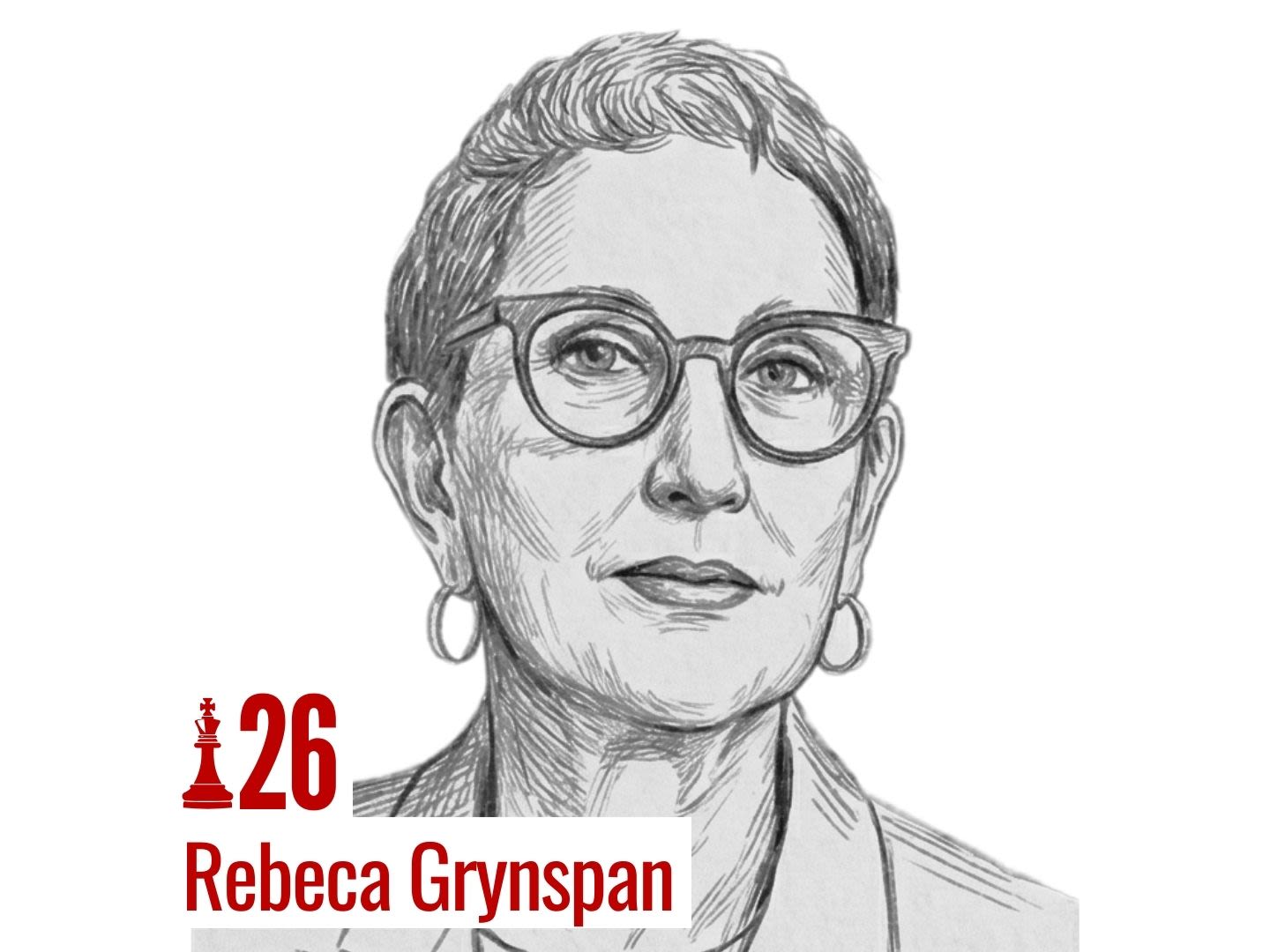
26. Rebeca Grynspan
Secretary-general | U.N. Conference on Trade and Development

27. French Hill
U.S. representative from Arkansas | Chair, House Financial Services Committee

28. Alexander de Croo
Administrator | United Nations Development Programme

29. Avinash Persaud
Special adviser on climate change | Inter-American Development Bank

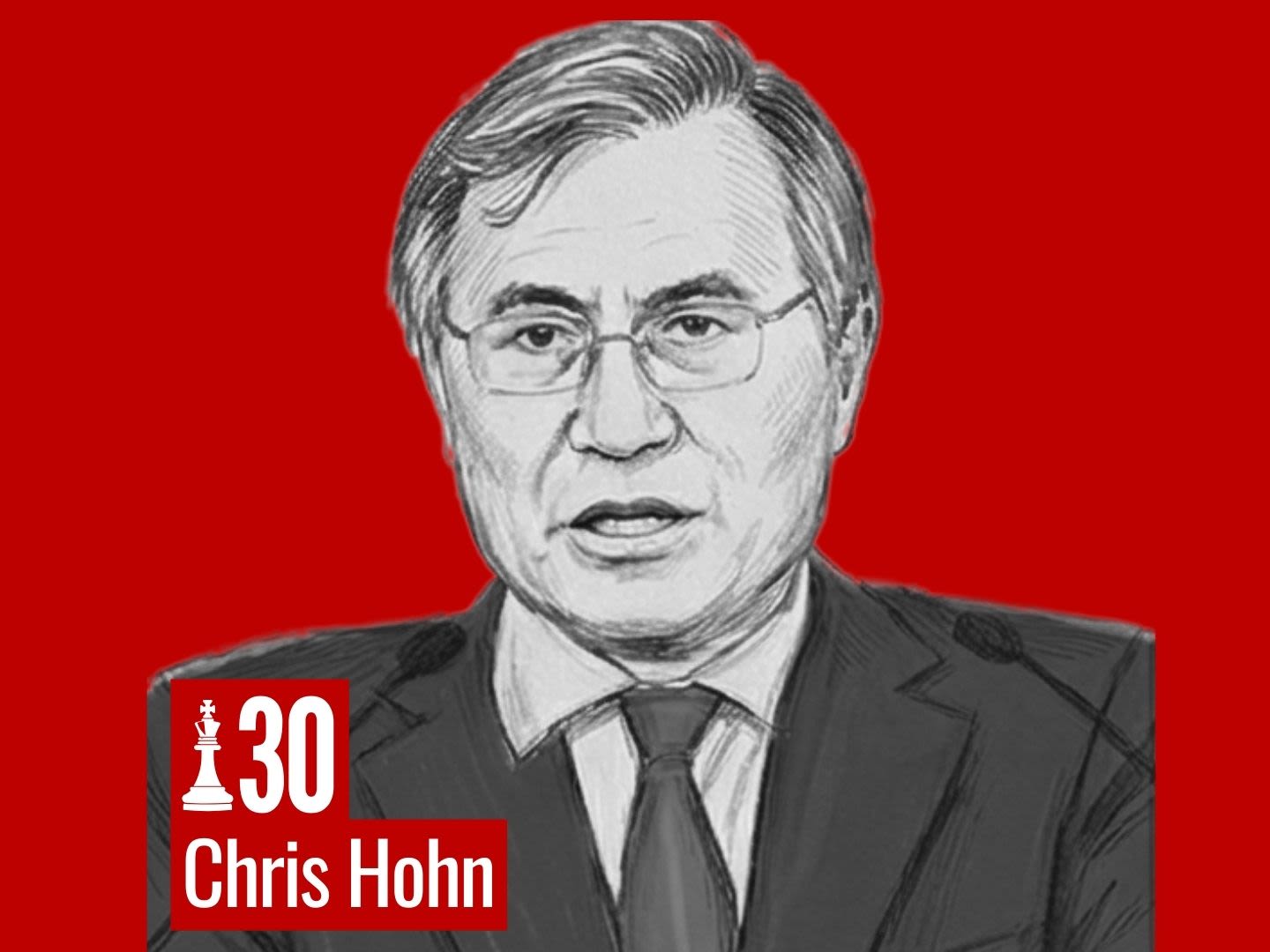
30. Chris Hohn
Cofounder and chair | Children's Investment Fund Foundation

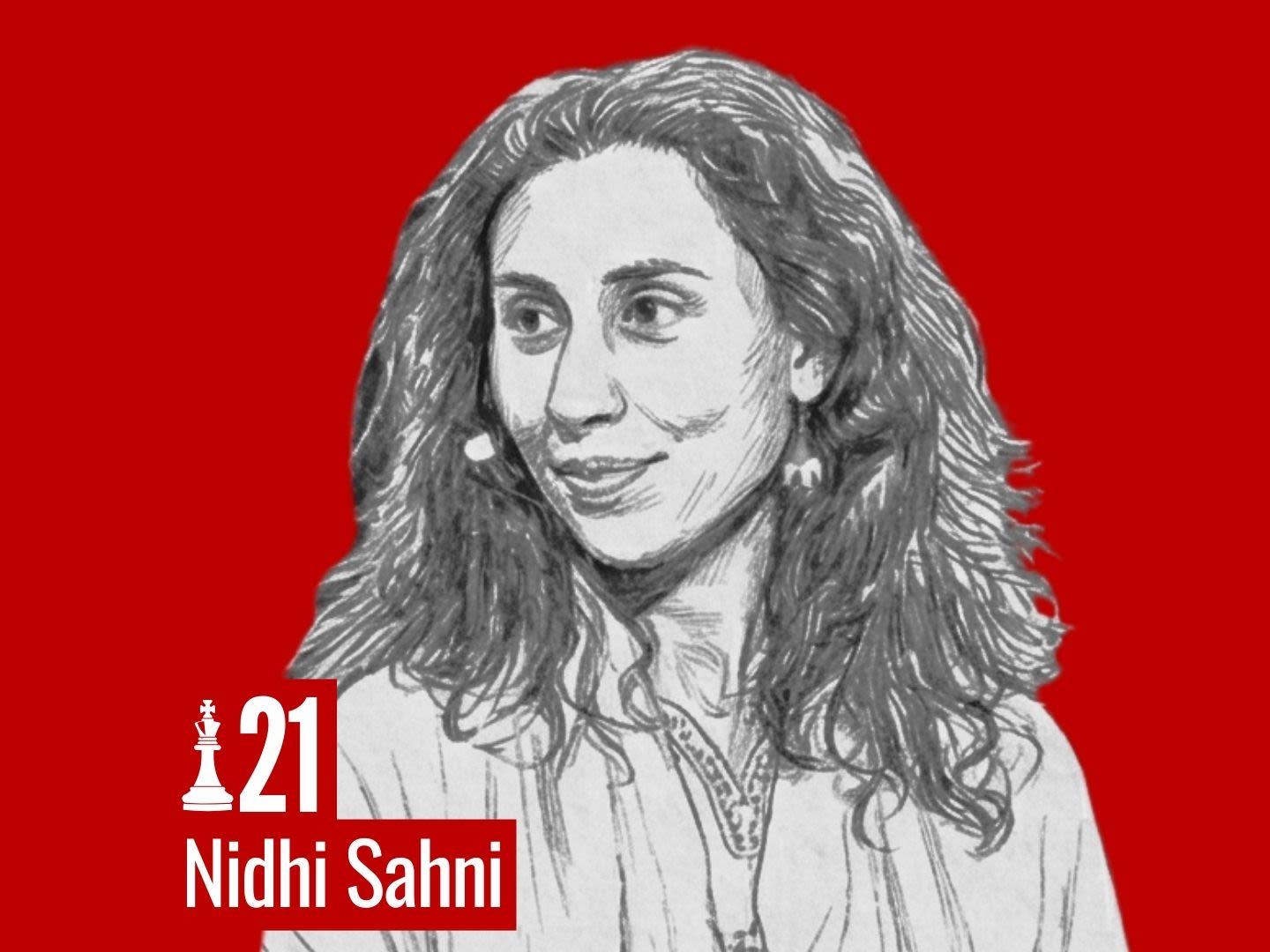
Nidhi Sahni

Nidhi Sahni

Partner and head of U.S. Region and Advisory | The Bridgespan Group

Backstory:Nidhi Sahni is a partner at The Bridgespan Group — which consults with donors, nonprofits, and investors — where she heads the U.S. region and advisory services and leads on gender equity work. Since joining Bridgespan in 2010, she’s shaped philanthropic strategy for some of the world’s most influential donors.

Why she’s on the list:MacKenzie Scott’s giving model has redefined modern philanthropy — but insiders know the operating system behind it was built at Bridgespan, with Sahni as one of its principal architects. As a key adviser on Scott’s trust-based, high-velocity philanthropy, responsible for over $26 billion in gifts, Sahni has become the quiet engine driving a new paradigm for billionaire giving: faster, leaner, more trust-driven, and far less bureaucratic than traditional models. With megadonors now trying to emulate Scott’s approach, Sahni is the gatekeeper many of them turn to. Her guidance to donors to start their learning while doing has become a foundational principle for a new generation of philanthropists who want to move money at speed and scale.

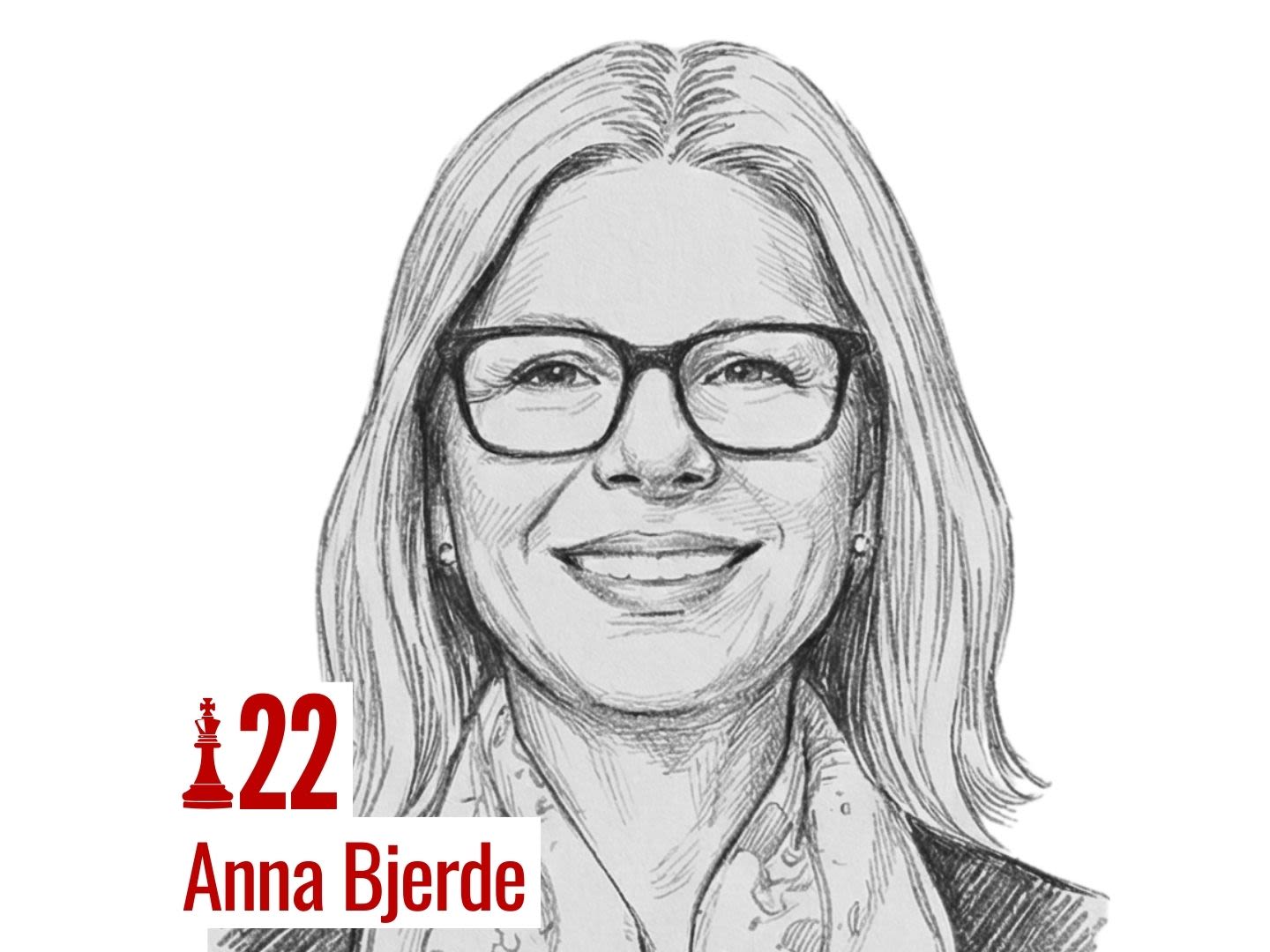
Anna Bjerde

Anna Bjerde

Managing director of operations | World Bank

Backstory:Anna Bjerde has been a rock at the World Bank for nearly three decades, serving in a variety of positions, including as vice president for Europe and Central Asia, where she led the bank’s robust response to the Russian invasion of Ukraine. That commitment took her to Kyiv in November 2022 to meet Ukrainian President Volodymyr Zelenskyy — where she and her delegation spent several hours sheltering from aerial attacks. Her response was swift: Eleven days after the invasion, she helped mobilize $730 million in emergency support, and by late 2022, more than half of all economic aid to Ukraine flowed through the World Bank.

Why she’s on the list:As the World Bank’s managing director of operations, Bjerde is essentially the chief operating officer of the world’s premier development lender, overseeing an active portfolio worth $340 billion in programs across client countries. She now helps lead the bank at a critical juncture in its history, as it tries to streamline and enact a raft of reforms while simultaneously downsizing in the face of budget constraints. The World Bank plans to phase out all 22,000 of its short-term consultants, a move that has sparked an avalanche of questions over how the bank will operate without them. At the same time, it brought on new talent in the form of Paschal Donohoe, Ireland’s former finance minister, who will serve as managing director and chief knowledge officer at the bank, working alongside Bjerde on the technical expertise front. The leadership shake-up also includes the recent retirement of Axel van Trotsenburg as the bank’s senior managing director, effectively the bank’s No. 2. What does all that mean for Bjerde? Will she be able to integrate the bank’s famously disparate parts into a stronger whole? It remains to be seen, but for nearly 30 years, she has been a steady hand at the bank — an especially useful skill in this time of unprecedented volatility, as foreign assistance shrinks and countries look to multilateral development banks for a lifeline.

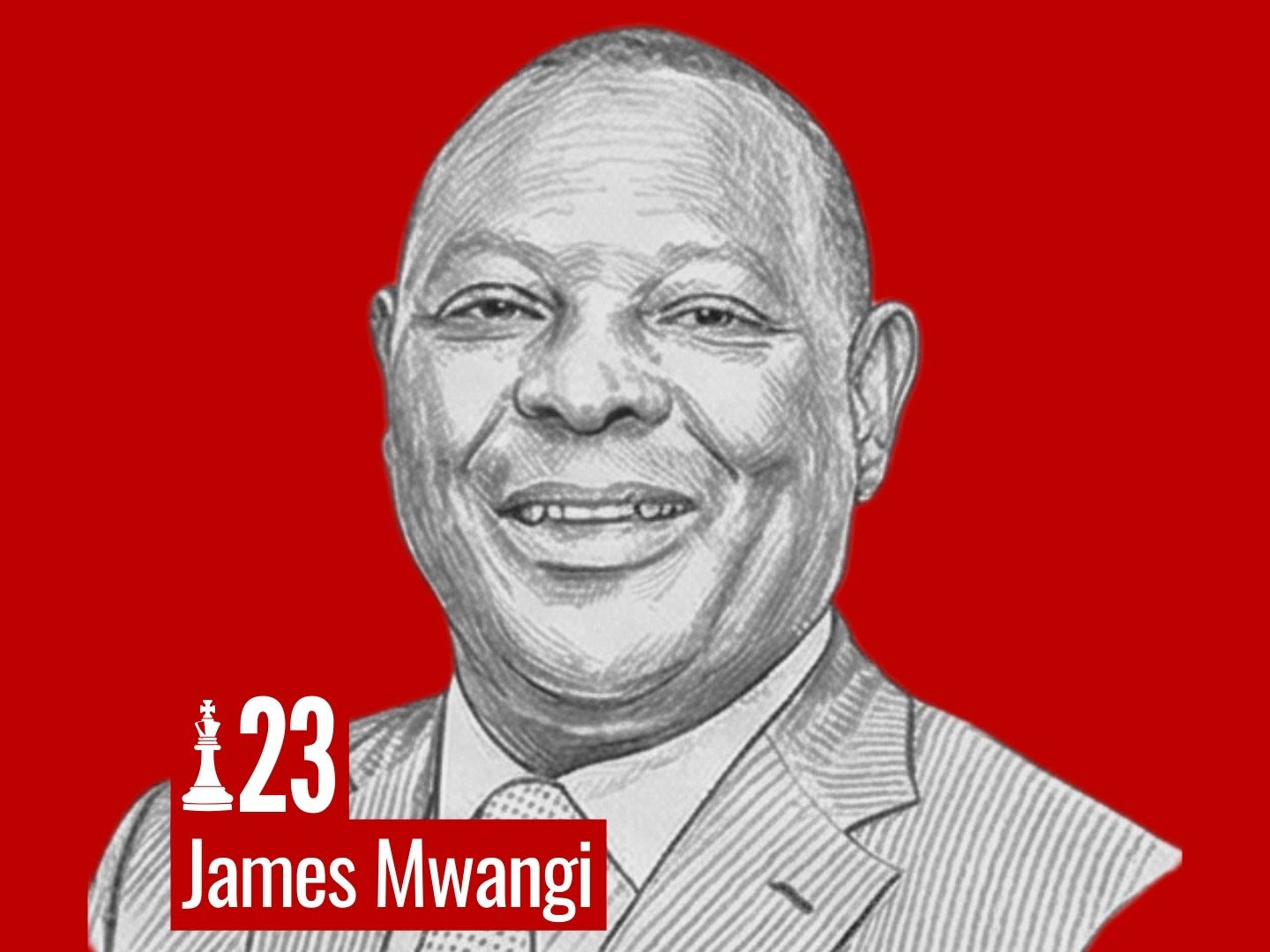
James Mwangi

James Mwangi

Group managing director and group CEO | Equity Group Holdings Plc

Backstory:A career banker, James Mwangi joined Equity Bank more than two decades ago, when it was still providing mortgage financing under the name Equity Building Society. He worked his way up to CEO as it grew to be one of the biggest banks in Kenya, with an expanding footprint in other sub-Saharan African countries.

Why he’s on the list:Equity Group Holdings Plc has more than 16.9 million customers, one of the largest customer bases in Africa, with Mwangi growing the bank by diversifying into new African markets, deploying a digital transformation strategy, and supporting small businesses. Mwangi is a big thinker when it comes to African growth — and a fixture on the development world conference circuit. Several years ago, he wrote the “Africa Recovery & Resilience Plan,” which is focused on how the local private sector can play a key role in building value chains that can spur Africa’s economic development. Now his ideas are gaining traction, and private sector-led development is following Equity Bank’s lead. That includes focusing on small- and medium-sized enterprises, expanding services in refugee camps, investing in climate-related projects, and strategizing on how to support digital public infrastructure.

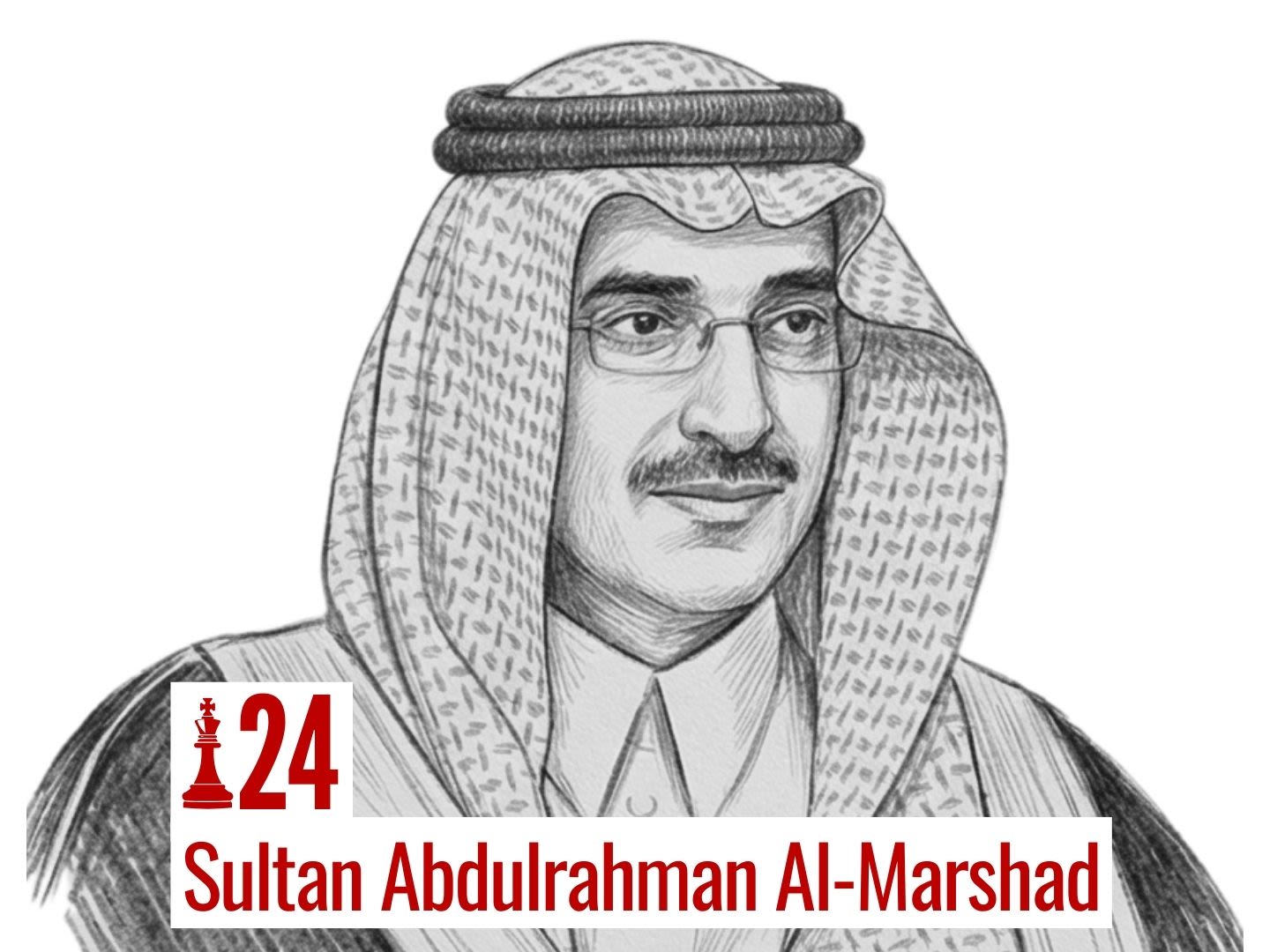
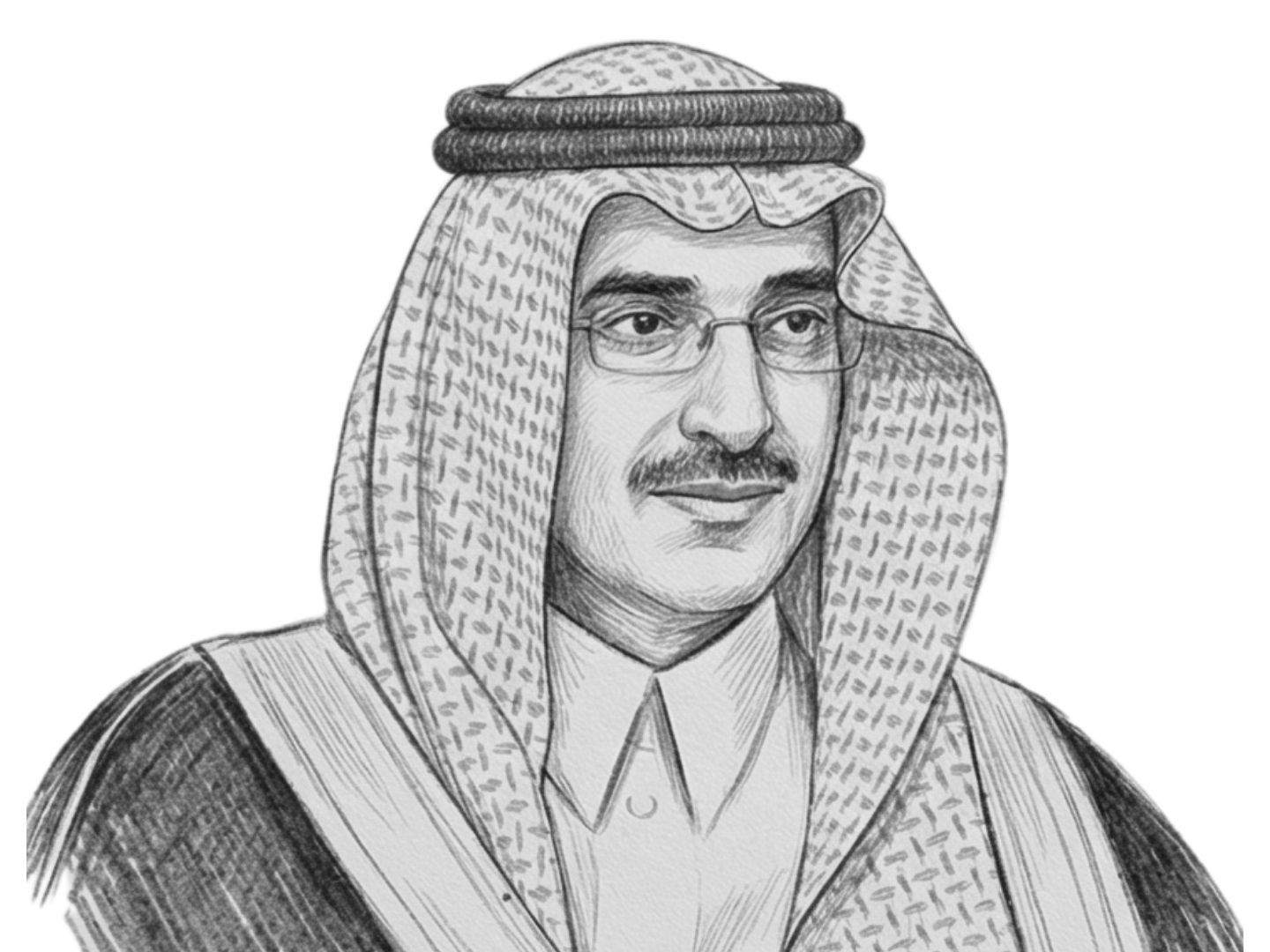
Sultan Abdulrahman Al-Marshad

Sultan Abdulrahman Al-Marshad

CEO | Saudi Fund for Development

Backstory:Sultan Abdulrahman Al-Marshad took over the helm of the Saudi Fund for Development in March 2021, prior to which he was general manager of the Monitoring and Auditing Department at SFD and general manager of the Export Assurance Department, representing SFD at an international level.

Why he’s on the list:SFD — which celebrated its 50th anniversary in 2024 — is the international development arm of the Saudi government, the Gulf’s most powerful donor. It maintains a particular focus on low-income countries and small island developing states, though its reach ranges from Serbia to Cuba to Djibouti. In fact, it has financed $20 billion to support more than 100 low- and middle-income countries through 800 projects and programs in sectors such as education, health care, infrastructure, energy, agriculture, and the mining industry. That includes developing renewable energy infrastructure and reducing dependency on fossil fuels — an interesting contrast given the kingdom’s oil-derived wealth. Since becoming CEO, Al-Marshad has led a comprehensive transformation of the fund, including a new organizational structure and the creation of a Strategic Transformation Office. Recently, SFD signed a memorandum of understanding with FIFA to provide up to $1 billion in concessional loans to build or enhance soccer infrastructure in low- and middle-income countries. Saudi Arabia has invested billions of dollars in sports events, although critics say the country engages in “sportswashing” to gloss over its human rights record — a charge it denies.

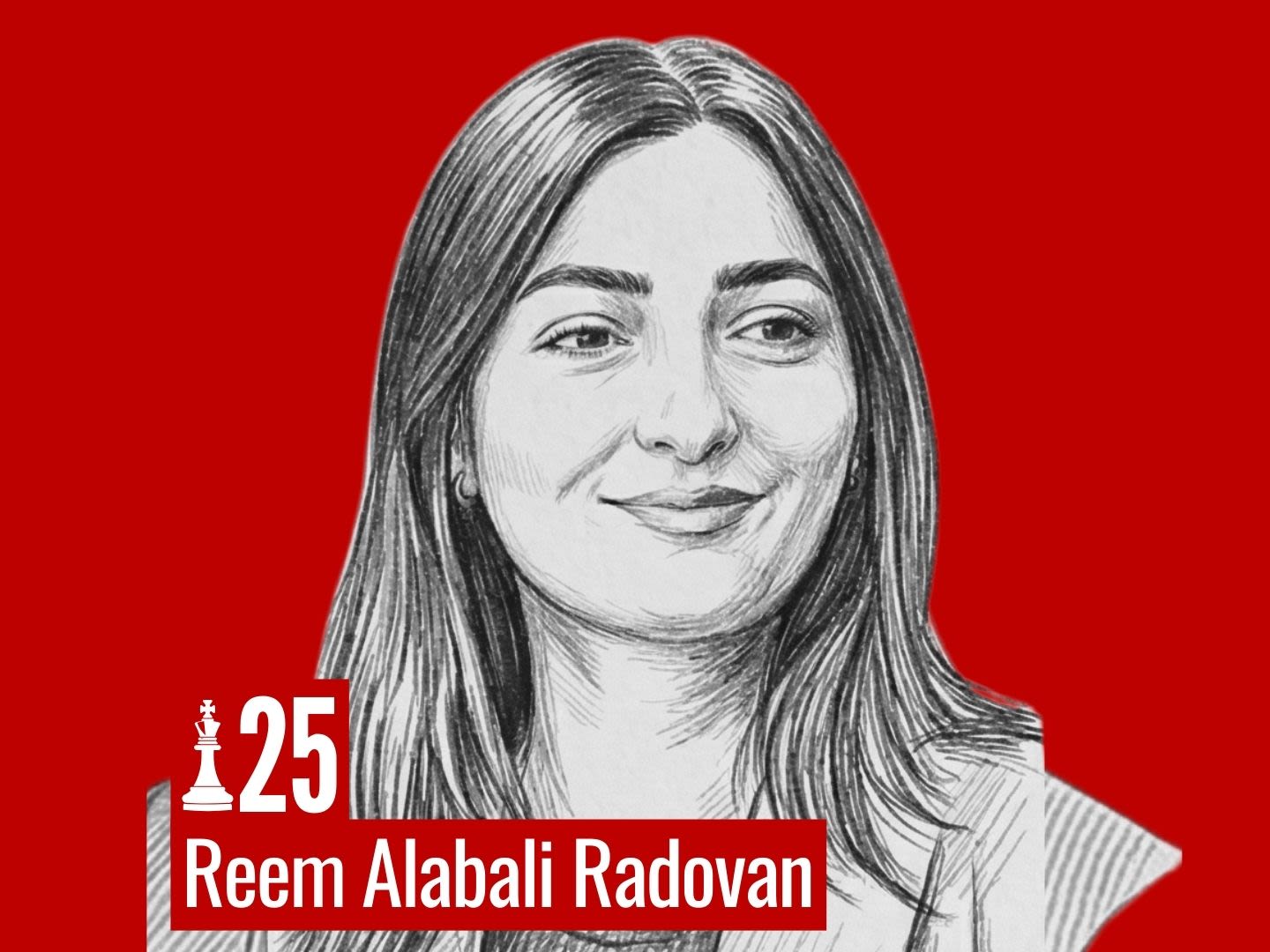
Reem Alabali Radovan

Reem Alabali Radovan

German minister for economic cooperation and development

Backstory:Appointed to serve as Germany’s federal minister for economic cooperation and development in May 2025, Reem Alabali Radovan previously served as minister of state for migration, refugees, and integration — the youngest member of previous Chancellor Olaf Scholz’s Cabinet — after entering the Bundestag as a Social Democrat in 2021. From 2022 to 2025, she was also Germany’s first federal government commissioner for anti-racism.

Why she’s on the list:She was born in Moscow, Russia, in 1990 to Iraqi political refugee parents, who later fled to Germany as asylum-seekers, shaping her lifelong focus on migration, integration, and social policy. She took the steering wheel as Germany’s development minister shortly after the Federal Ministry for Economic Cooperation and Development, or BMZ, narrowly escaped being merged into another department early last year. She stayed relatively quiet during her first months in office, but in the latter part of the year, she proffered a policy proposal to focus development on the German economy and partnerships with national companies — mirroring development rhetoric currently popular with the European Commission — and represented Germany at the 30th U.N. Climate Change Conference. Moving forward, she’s under pressure to make the ministry more effective and strategic by driving structural reform efforts to do more with fewer resources. As the head of development for the world’s second-largest donor, her position is likely to shape the new direction of both German and European aid.

Rebeca Grynspan

Rebeca Grynspan

Secretary-general | U.N. Conference on Trade and Development

Backstory:Rebeca Grynspan is a Costa Rican economist and former politician who has served in several senior government positions, including as vice president of Costa Rica from 1994 to 1998. She has also served as secretary-general of the Ibero-American General Secretariat and held numerous senior U.N. posts, including as associate administrator of the U.N. Development Programme. She was appointed secretary-general of the UN Trade and Development, or UNCTAD, in 2021 — a job she still holds.

Why she’s on the list:Grynspan is campaigning to become U.N. secretary-general in 2027. Formally nominated by the Costa Rican government in October 2025, she is among several prominent female candidates seeking to break the U.N.’s glass ceiling for women in the organization’s top post. In an era of aid cuts, rising tariffs, and global fragmentation, she is promoting a vision of global development centered on trade, investment, and the agency of the global south rather than aid dependency. She is also addressing debt distress, announcing at UNCTAD’s October conference that Spain would host a Sevilla Forum on Debt. Among her notable accomplishments is overseeing a key component of the U.N. Black Sea grain deal — a rare, though brief, diplomatic success that persuaded Russia to allow Ukraine to export large quantities of grain to global markets following its invasion. The deal helped ease a spike in global grain prices that was severely affecting low-income countries, particularly in Africa. It ultimately collapsed after Russia complained that the U.N. could not deliver on commitments to ease restrictions on Russian fertilizer exports.

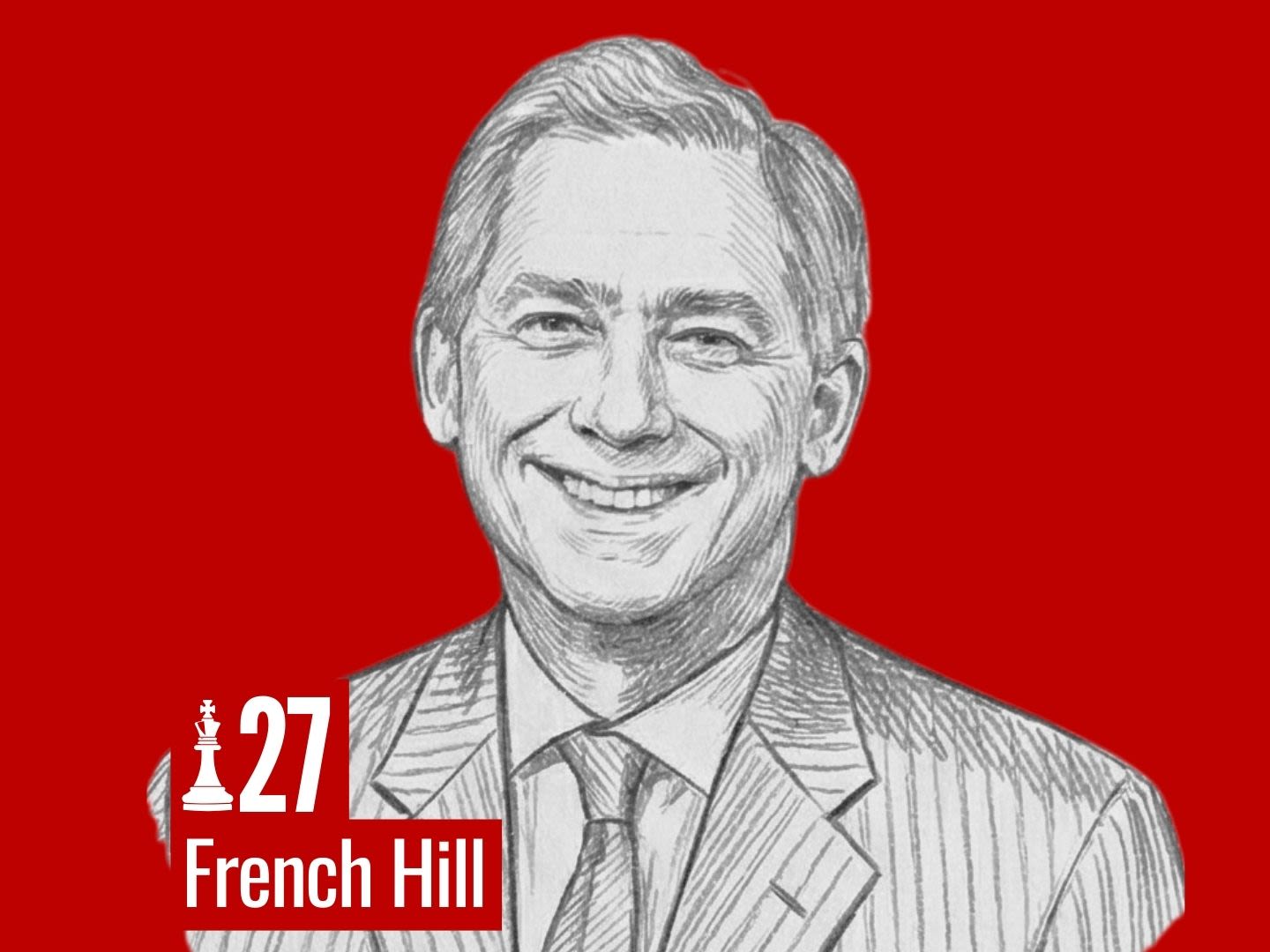
French Hill

French Hill

U.S. representative from Arkansas | Chair, House Financial Services Committee

Backstory:French Hill, a Republican representative in Congress since 2015, has a long history in both the public and private sectors. He specialized in investments and banking for three decades. He also served as deputy assistant secretary of the U.S. Treasury Department and as executive secretary to former U.S. President George H.W. Bush’s Economic Policy Council, where he coordinated White House economic policy. In his 30s, Hill found himself working for the U.S. Treasury Department in Eastern Europe, where he helped design market-based economies after the fall of the Soviet Union.

Why he’s on the list:Hill chairs the powerful House Financial Services Committee, which oversees all banking and finance, including U.S. relationships with the International Monetary Fund and multilateral development banks such as the World Bank. He has been a critic and a friend of these institutions — pushing MDBs to avoid “mission creep” by focusing on issues such as climate change and urging them to stay focused on their anti-poverty mandates. He has advocated for continued U.S. engagement with MDBs and the IMF, so that the U.S. doesn’t cede power to its competitors, and so it can use its position at these institutions to push for real reform. And he’s been successful in pushing some policy issues, including getting the World Bank to overturn its ban on nuclear energy.

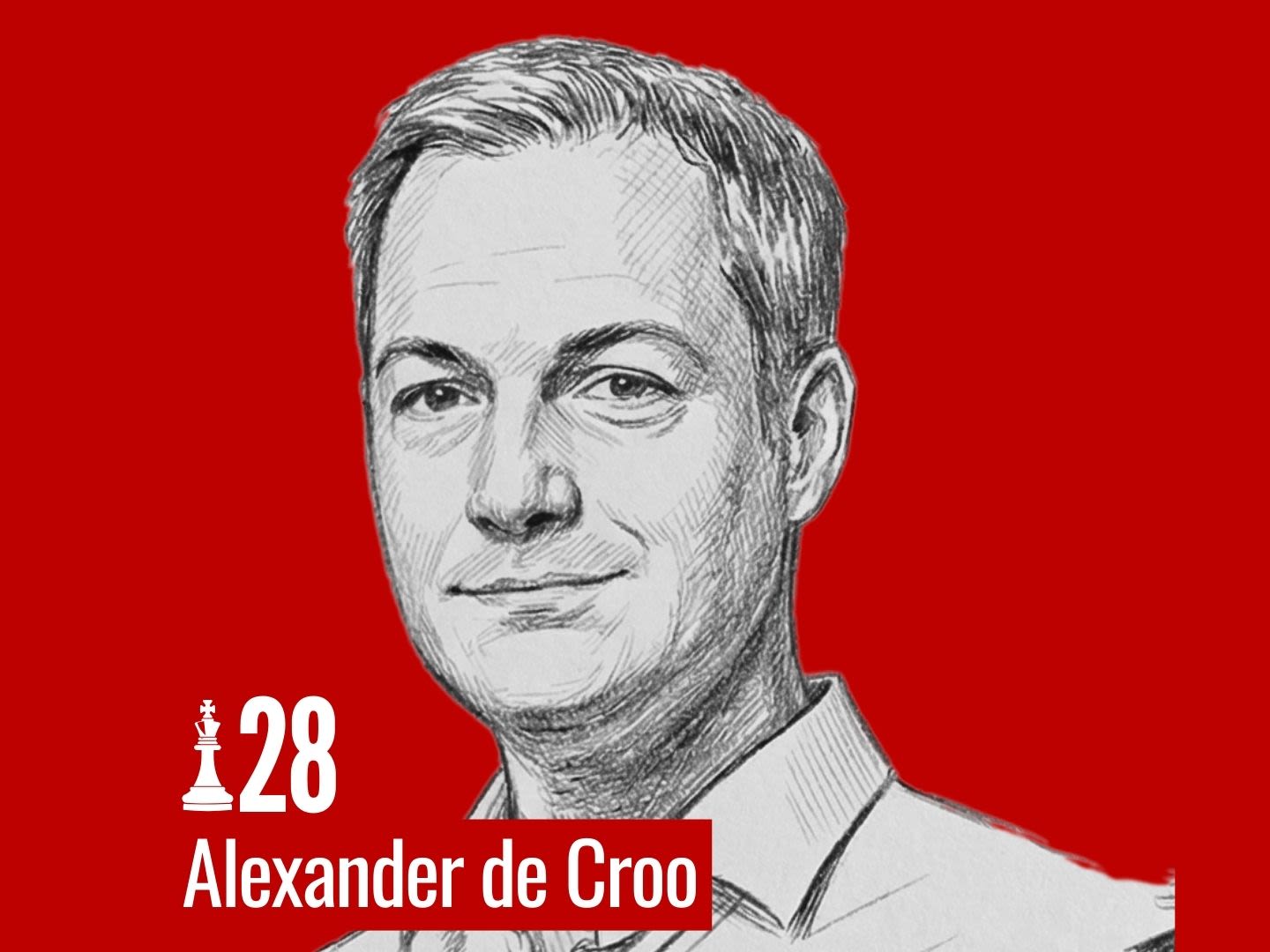
Alexander de Croo

Alexander de Croo

Administrator | United Nations Development Programme

Backstory:Before Alexander de Croo’s appointment as administrator of the United Nations Development Programme, he held a number of high-level political and diplomatic positions, including as Belgium’s prime minister from 2020 to 2025. Before that, he served in several senior government posts, including as deputy prime minister and stints as minister of finance and development. Before entering politics, De Croo received an MBA from the Kellogg School of Management and worked for the Boston Consulting Group before founding his own company, Darts-ip, an intellectual property consultancy.

Why he’s on the list:The Belgian national leads one of the world’s largest development agencies at a time when the sector is facing an existential crisis. Challenges range from declining contributions from key Western donors to open hostility from the White House, which has attacked the U.N.’s central organizing development framework — the Sustainable Development Goals — as part of global governance scheme. De Croo will have to tackle a number of challenges, including a proposal by U.N. Secretary-General António Guterres to consider merging UNOPS with UNDP. Weeks into his term, he has already moved to relocate some 400 New York staff to Bonn, Germany, and Madrid, Spain. As a former head of government, De Croo will need all his political savvy and relationships with fellow leaders — and understanding of tight budgets — to convince skeptical donors that UNDP is worth supporting.

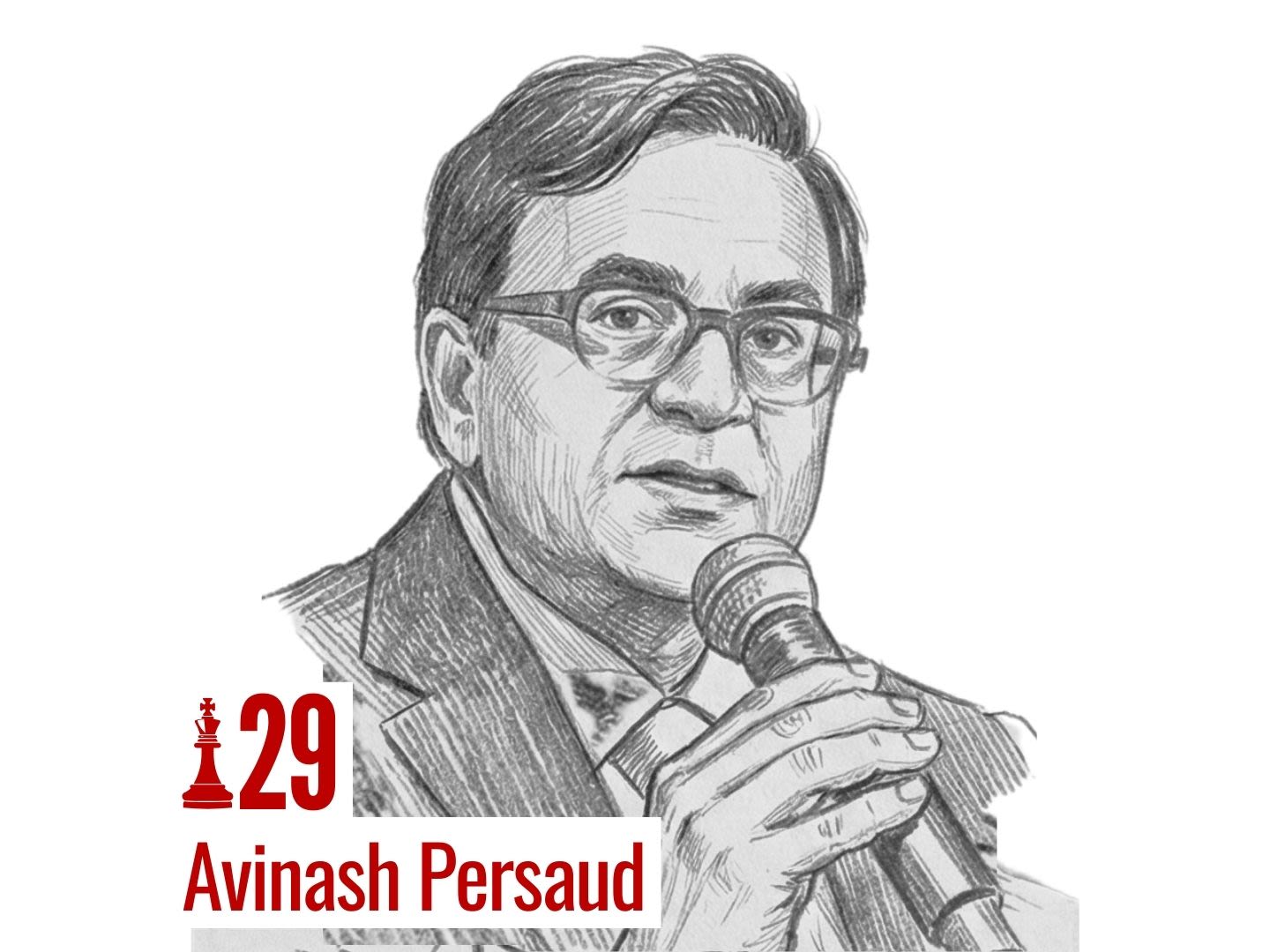
Avinash Persaud

Avinash Persaud

Special adviser on climate change | Inter-American Development Bank

Backstory:A Barbados-born economist and global finance adviser, Avinash Persaud has held senior roles across academia, government, and international finance — including as a key adviser to Barbadian Prime Minister Mia Mottley and as the principal architect of the Bridgetown Initiative. He now works as special adviser on climate change to the president of the Inter-American Development Bank.

Why he’s on the list:Persaud has been central to global debates on reforming development and climate finance, including expanding access to low-cost liquidity, promoting disaster-linked debt clauses, and rethinking how multilateral development banks share risk. He has played a major role in shaping proposals adopted by the Group of 20 major economies, International Monetary Fund, and multilateral development banks, and continues to influence negotiations on scaling climate finance for vulnerable countries. His technical work underpins many of the reforms now being considered to make global finance more responsive to climate shocks and long-term resilience needs. At IDB, he is implementing the very reforms he once proposed, pushing the bank to be a leader in private sector-oriented climate finance. He was also the main mind behind Reinvest+, launched in late 2025 ahead of COP30. The initiative seeks to reuse IMF resources to give vulnerable countries cheaper, more reliable climate and development funding.

Chris Hohn

Chris Hohn

Cofounder and chair | Children's Investment Fund Foundation

Backstory:Christopher Hohn is a British billionaire whose firm, TCI Fund Management, just made the largest single-year gains of any hedge fund in the world, with $18.9 billion in profit. He’s the chair of the Children’s Investment Fund Foundation, or CIFF, in addition to being its principal funder. Hohn established the foundation in 2002 — one of the biggest development funds in the world — with his then-wife Jamie Cooper-Hohn. He’s added billions to its coffers over the last decade, including $328 million in 2024, according to CIFF’s most recent annual report. CIFF now has an endowment of $6 billion and works across a wide range of philanthropic areas, including climate change and sexual and reproductive health, providing almost $1 billion of funding in 2024. Hohn previously committed a set proportion of his earnings to CIFF each month, and while he no longer does so, he appears set to remain extremely generous.

Why he’s on the list:Hohn is an activist funder who pushes for policy change as well as backing more traditional projects. As the main funder of one of the largest philanthropic organizations in the sector, he would be a contender for this list purely because of his giving. But it’s not just the dollars — it’s that he uses them to influence policy and advocate for the causes he believes in, such as fighting climate change. He’s been reported as the largest funder of the radical climate campaign group Extinction Rebellion, for example, and he’s the driving force behind the Say On Climate campaign, which pressures companies to disclose greenhouse gas emissions. He made headlines recently when CIFF pulled all funding from partners in the United States, with board members saying they were “no longer confident in our understanding of the US policy environment.”

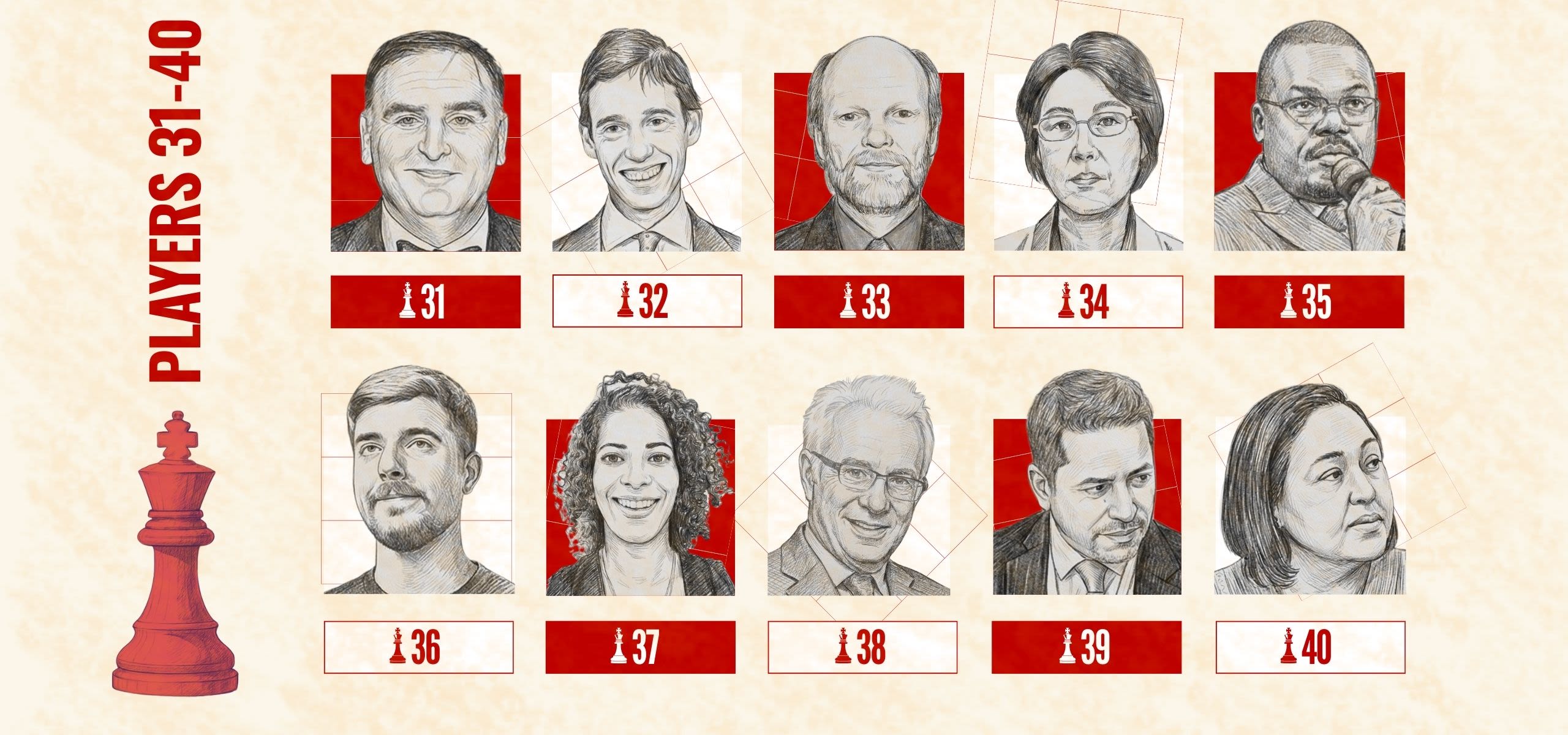
PLAYERS 31-40

31. José Andrés

Founder | World Central Kitchen

32. Rory Stewart

Author, adviser at GiveDirectly, and former secretary of state for international development of the United Kingdom

33. Ken Isaacs

Vice president of programs and government relations | Samaritan’s Purse

34. Zou Jiayi

Incoming president | Asian Infrastructure Investment Bank

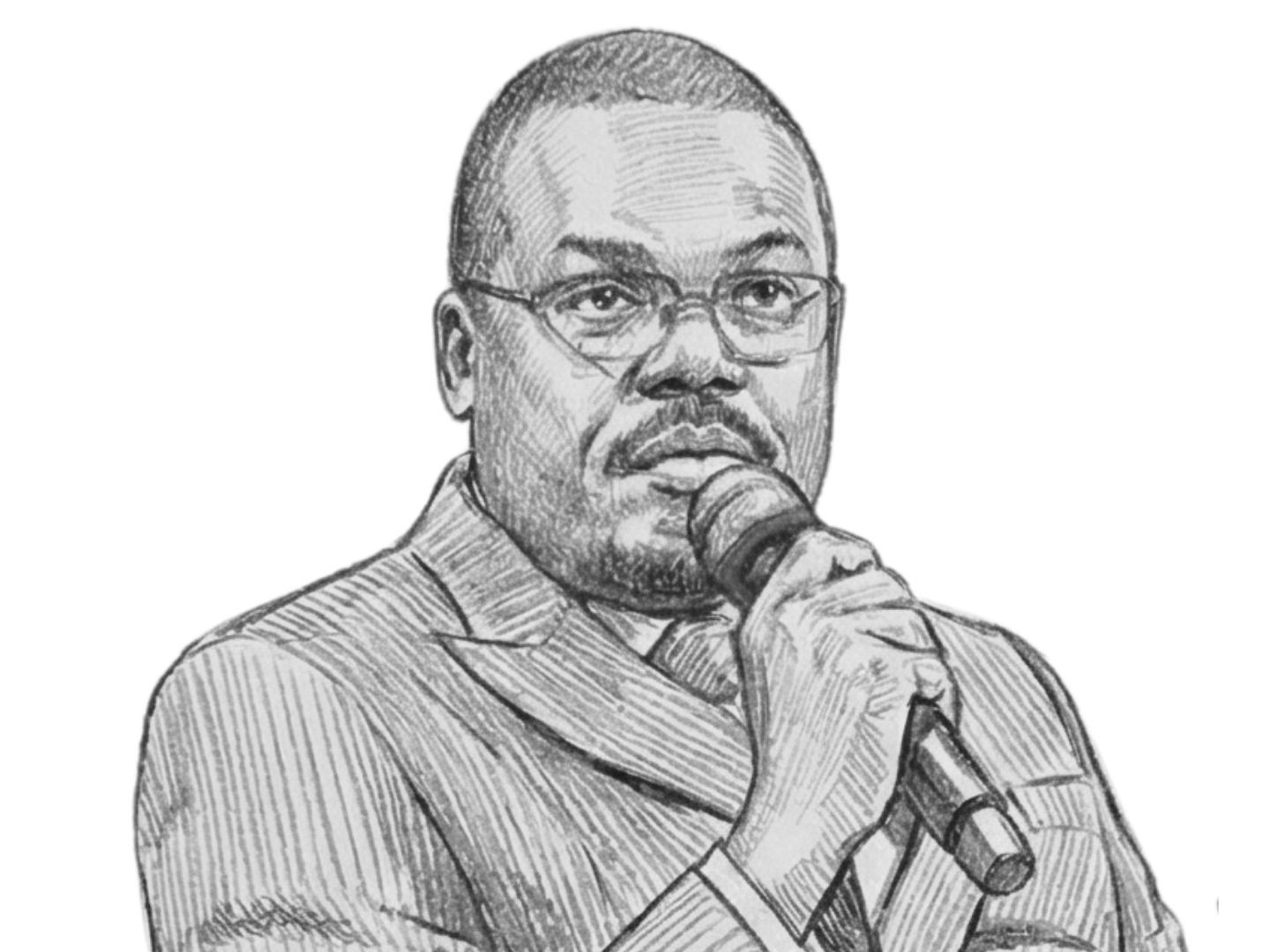
35. Jean Kaseya
Director-general | Africa Centres for Disease Control and Prevention

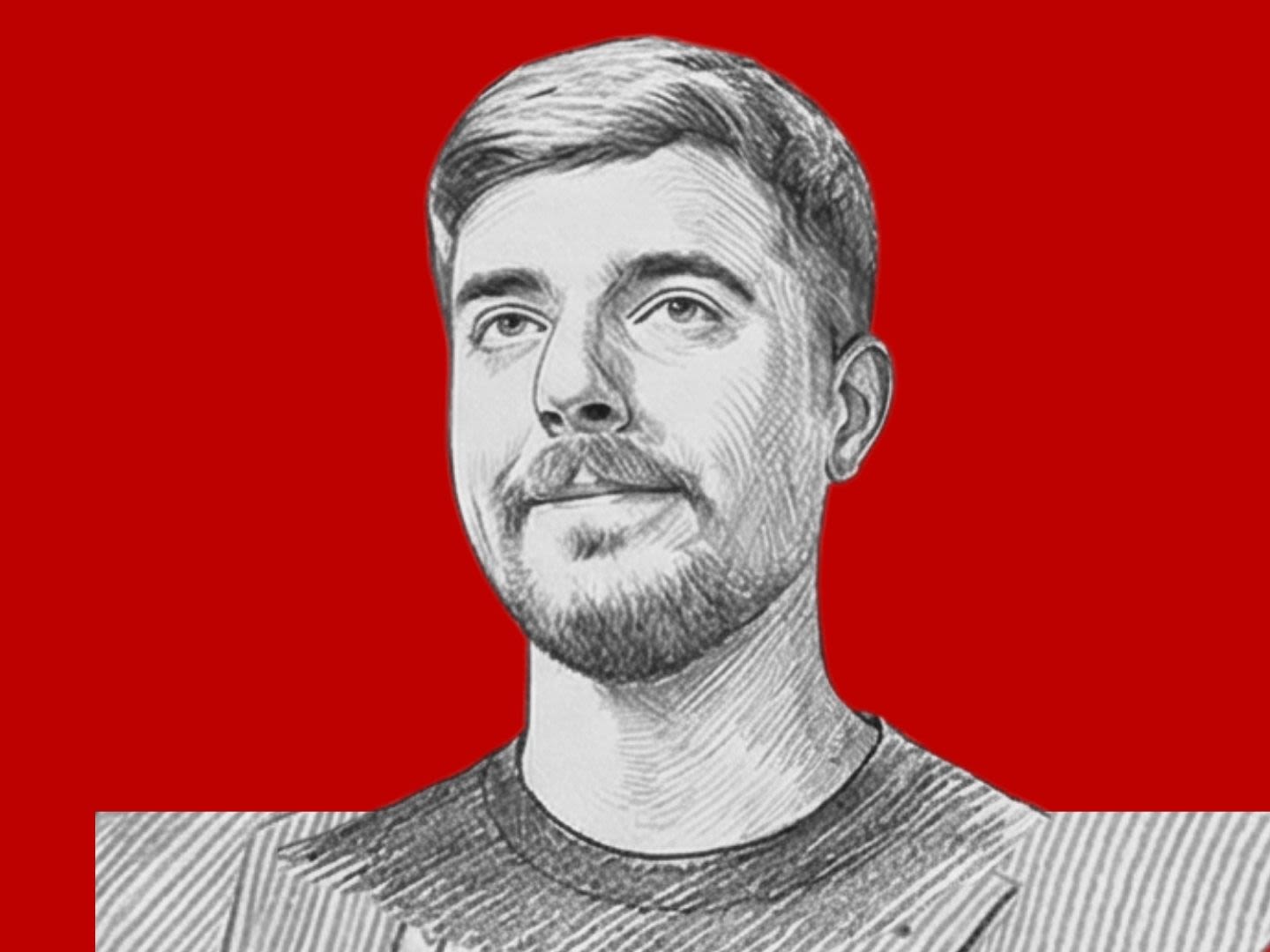
36. Jimmy Donaldson aka MrBeast
YouTuber and founder of Beast Philanthropy

37. Pepukaye Bardouille
Director | Bridgetown Initiative

38. Peter Sands
Executive director | The Global Fund to Fight AIDS, Tuberculosis and Malaria

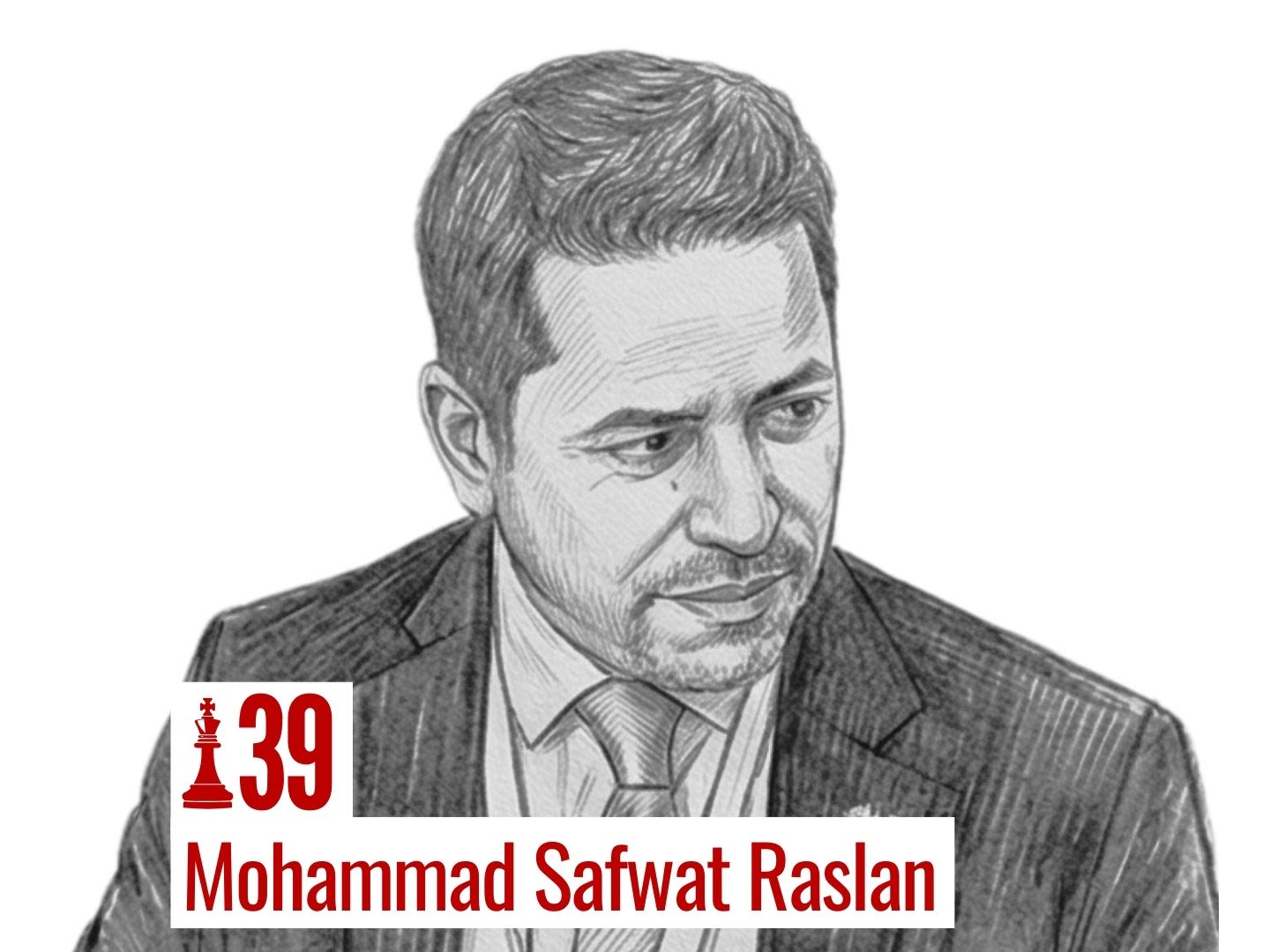
39. Mohammad Safwat Raslan

Director-general | Syrian Development Fund

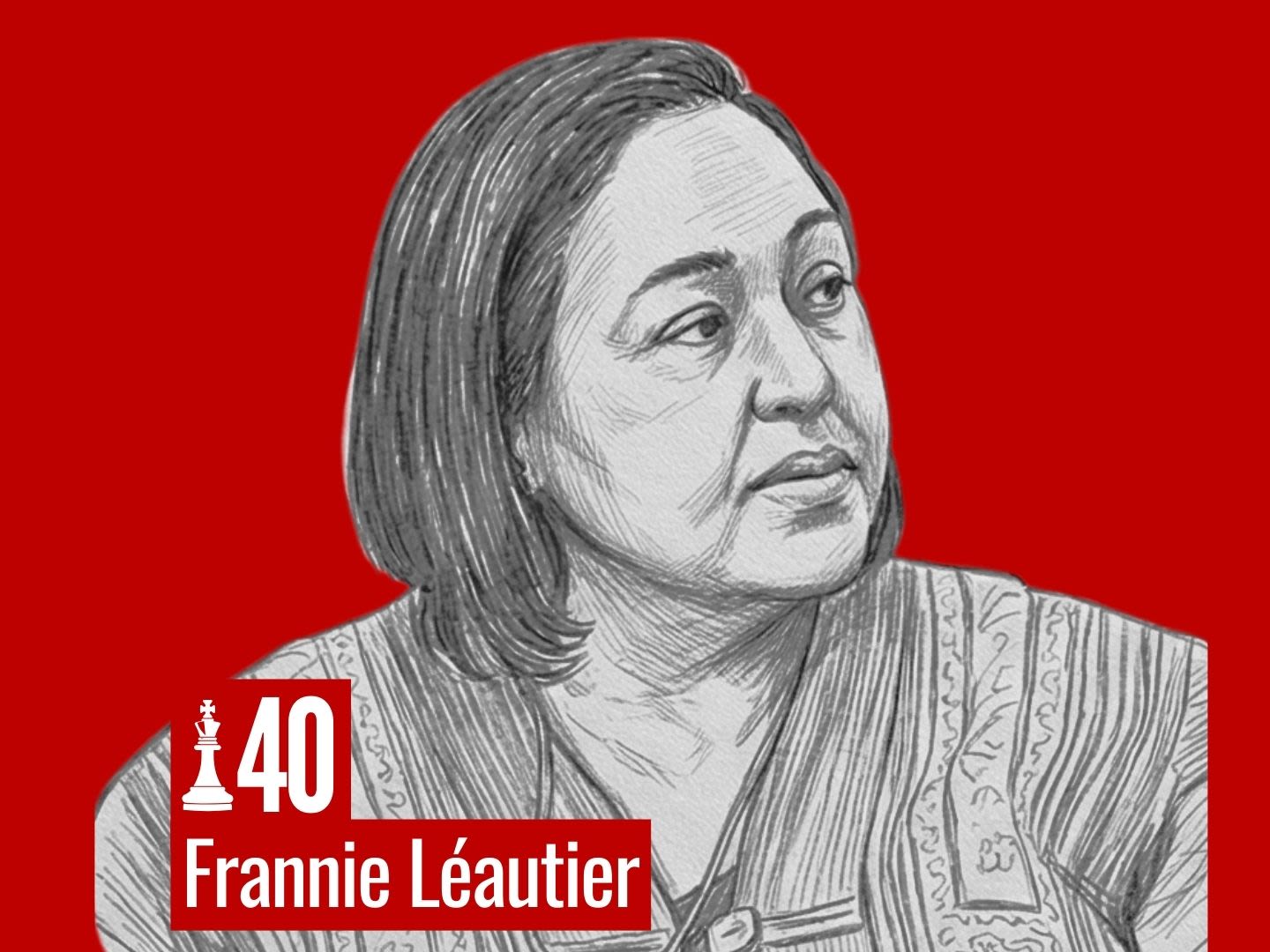
40. Frannie Léautier
Senior partner and CEO | Southbridge Investments

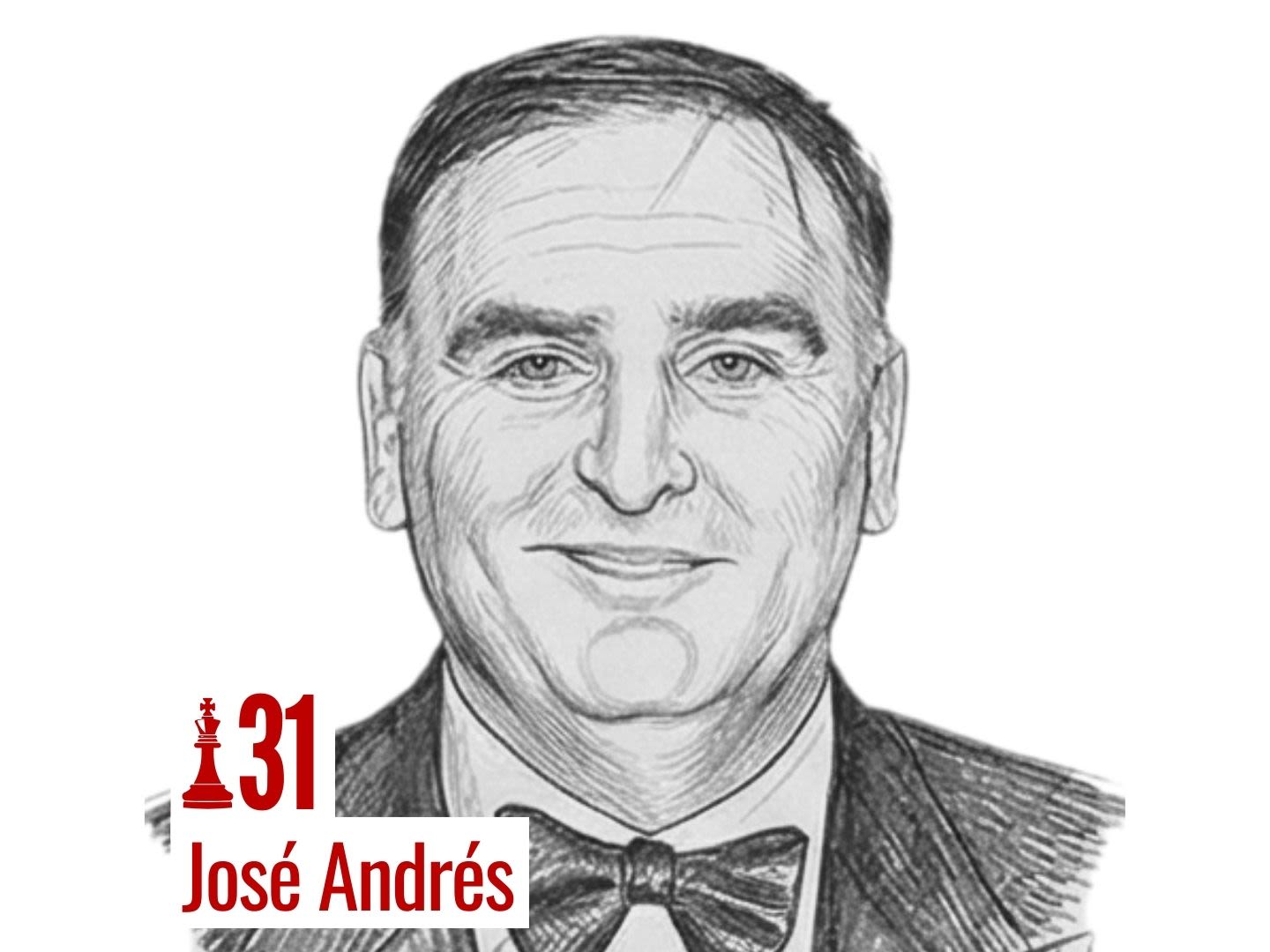
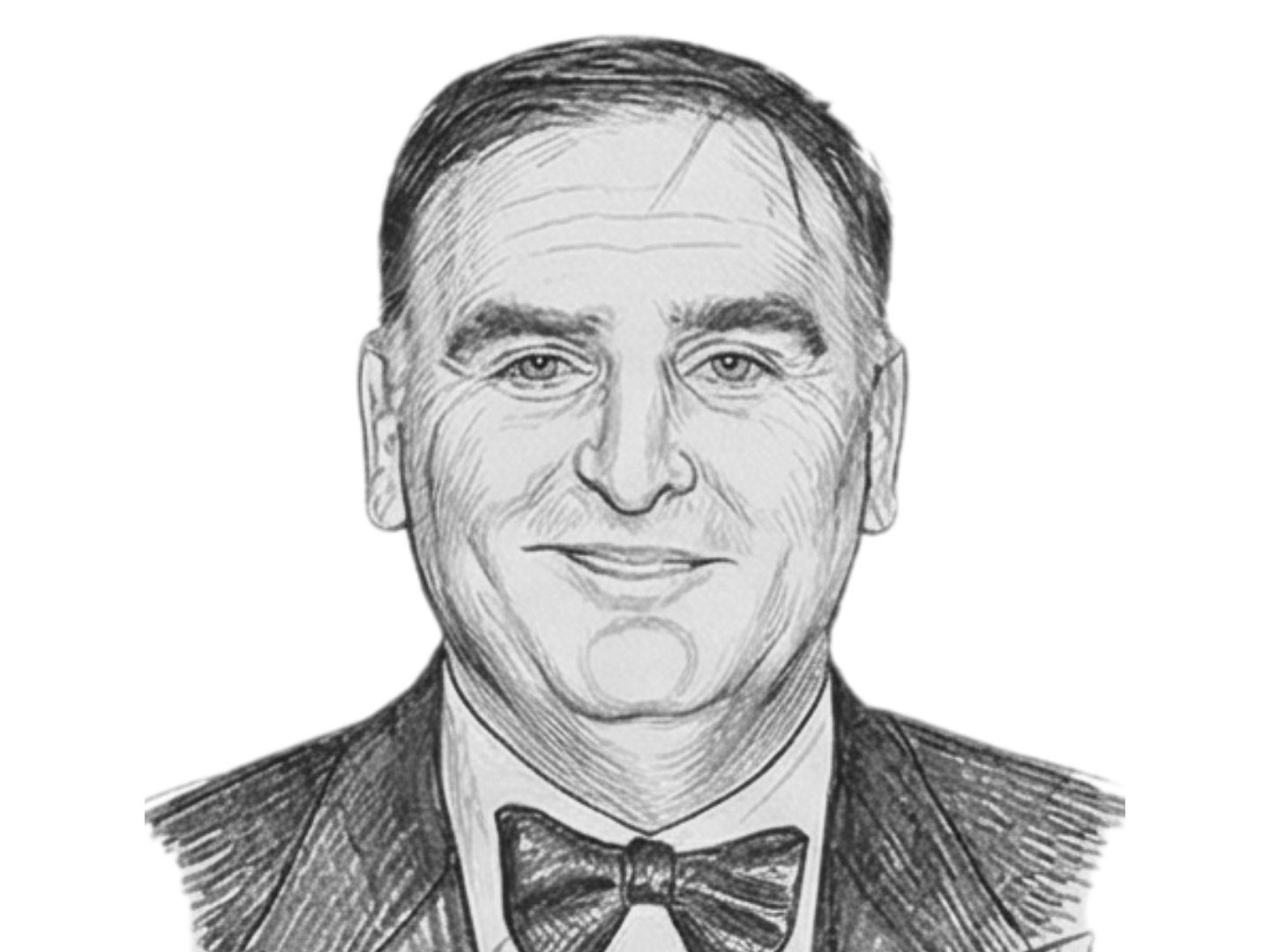
José Andrés

José Andrés

Founder | World Central Kitchen

Backstory:José Andrés is a chef, restaurateur, and founder of World Central Kitchen, a nonprofit that provides meals in the wake of humanitarian crises. After moving to the United States from Spain in the early 1990s, Andrés opened restaurants across Washington, D.C., and the country — and in 2010, he founded World Central Kitchen to bring hot meals to the scenes of crisis.

Why he’s on the list:Over the last decade and a half, Andrés has emerged as a humanitarian celebrity — especially for Democratic lawmakers, a collection of whom nominated both Andrés and World Central Kitchen for a Nobel Peace Prize in 2024 — but also a fundraising powerhouse. Just before former U.S. President Joe Biden left office, he awarded Andrés with the Presidential Medal of Freedom, the nation's highest civilian honor, for his humanitarian work. Andrés has long criticized traditional aid models as bureaucratic and slow, running World Central Kitchen as a “team of food first responders” and prioritizing “quick action.” Recent foreign aid cuts from traditional Western donors have hit the very humanitarian aid organizations Andrés has criticized — though he has called for governments, industry, and civil society to step up their aid instead of cutting back. Still, as World Central Kitchen is funded by private donors, not governments, it could become a bigger player in a new era of less traditional aid. Andrés’ rise has been accompanied by greater scrutiny, with questions swirling over sexual harassment claims in 2023 and the decision to place WCK staff in Gaza, where seven were killed in 2024.

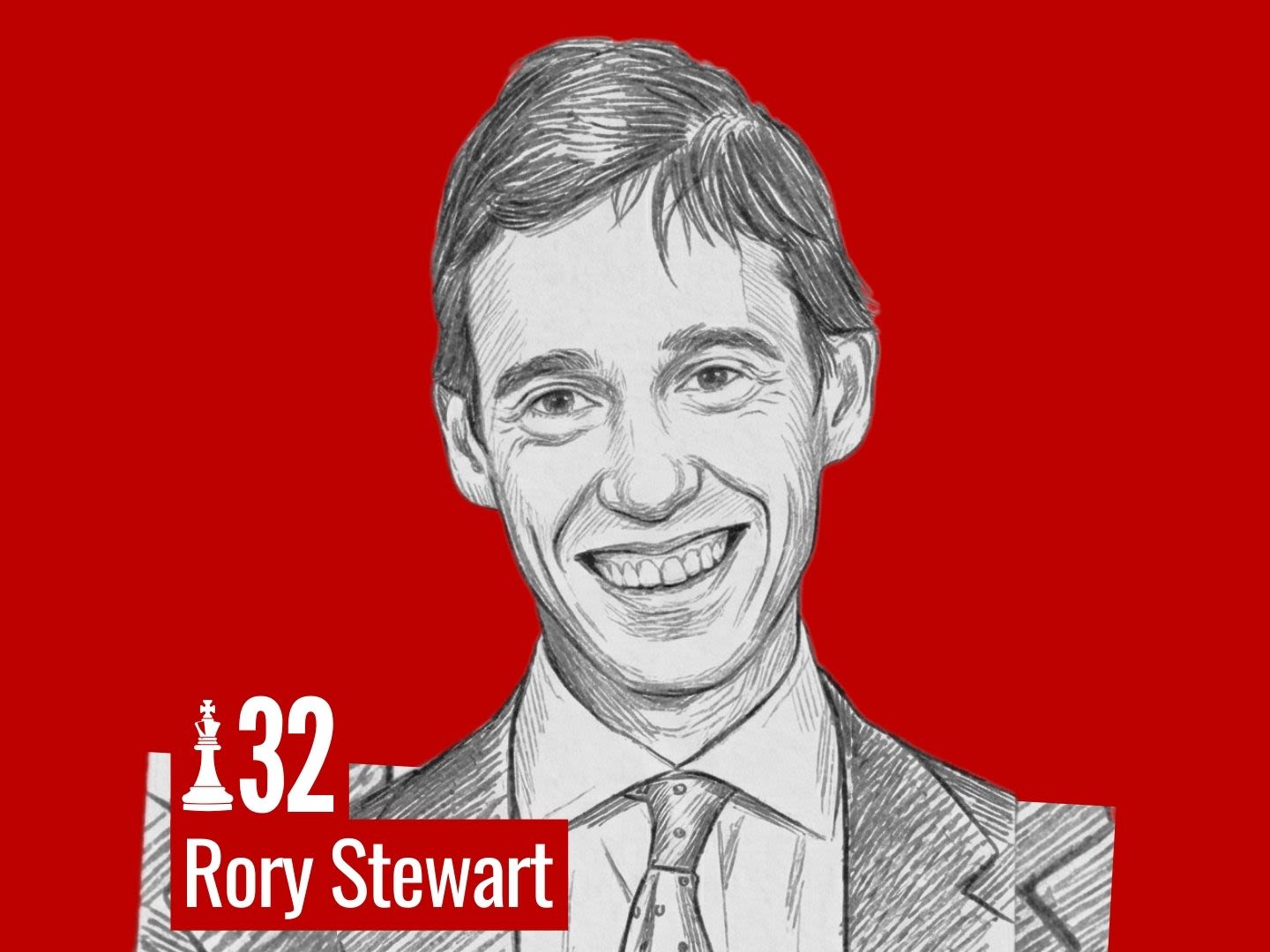
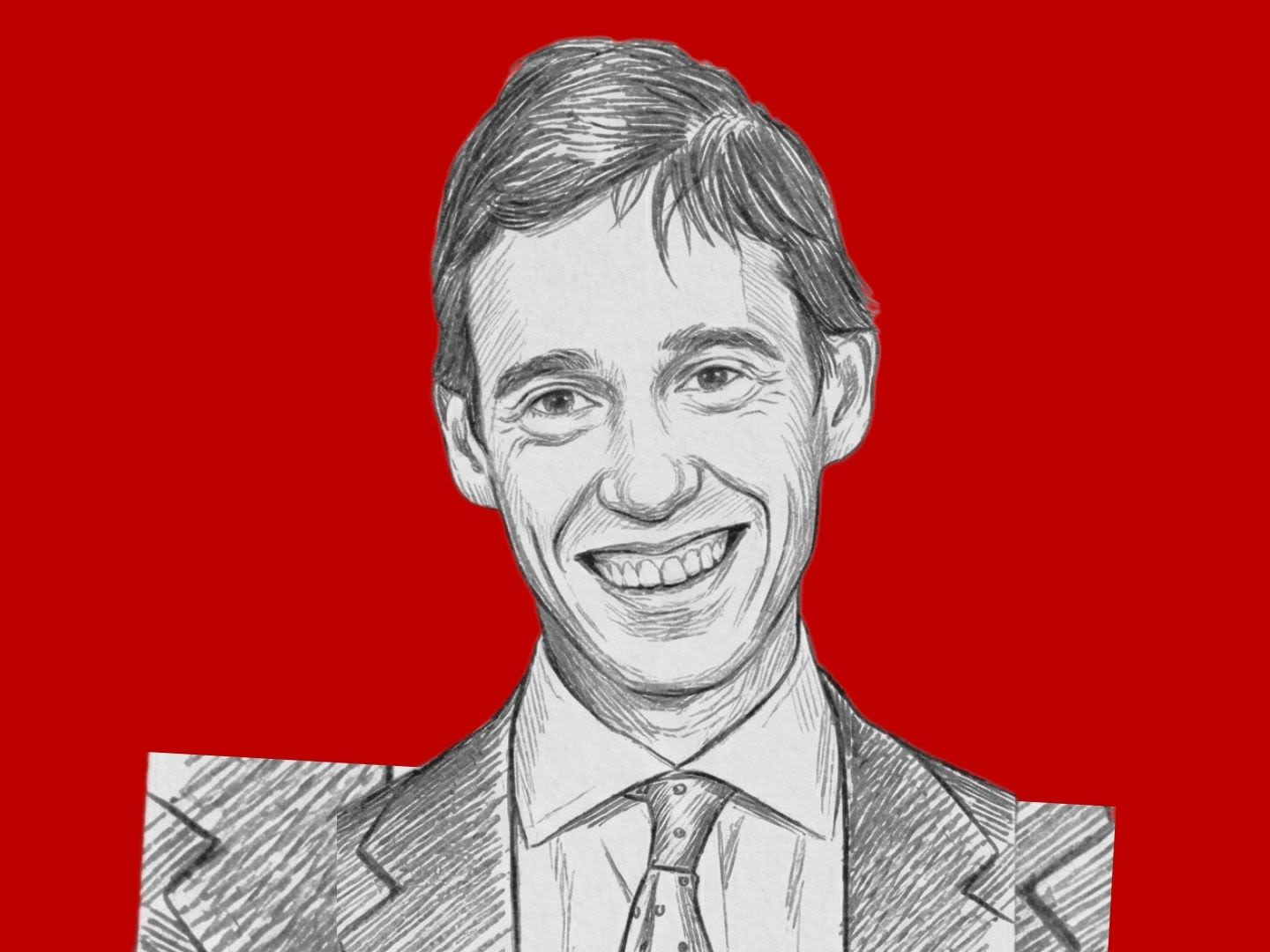
Rory Stewart

Rory Stewart

Author, adviser at GiveDirectly, and former secretary of state for international development of the United Kingdom

Backstory:Rory Stewart is best known today as the cohost of “The Rest Is Politics,” an enormously popular U.K. podcast that chronicles global affairs in the United Kingdom and beyond. He previously served as the U.K. secretary of state for international development, but left government after losing out in a bitter battle with Boris Johnson for the job of prime minister. He’s a former diplomat who served in Iraq, Indonesia, and Montenegro. While on leave from the foreign service, Stewart traveled on foot for 21 months across Iran, Afghanistan, Pakistan, India, and Nepal — and later wrote a book about it: “The Places in Between.”

Why he’s on the list:For years, Stewart has been at the center of the United Kingdom’s development sector. After serving high-ranking roles at the U.K.’s environment and development offices, Stewart was appointed secretary of state for international development in 2019, where he pushed for maintaining the country’s commitment to spending 0.7% of its gross national income on foreign aid. In 2022, Stewart became president of GiveDirectly — taking the helm just after the cash-focused organization was named the world’s fastest-growing nonprofit. Less than two years later, he transitioned to an adviser role at GiveDirectly, where he’s continued to push for cash transfers as official development assistance has plummeted. But today, it’s his high-profile work as a podcaster and speaker — which he often uses to champion development causes — that continues to give him high standing in the aid sector.

Ken Isaacs

Ken Isaacs

Vice president of programs and government relations | Samaritan’s Purse

Backstory:As the vice president of programs and government relations at Samaritan’s Purse, Ken Isaacs wields significant influence inside the evangelical relief organization run by Franklin Graham — a fierce Trump advocate who has publicly praised the president’s foreign aid freeze as “very good.” Isaacs began work with Samaritan’s Purse in the 1980s, coordinating major relief operations in response to the Rwandan genocide in 1994. In 2004, he served as director of USAID’s Office of Foreign Disaster Assistance under then-President George W. Bush before returning to Samaritan’s Purse.

Why he’s on the list:Isaacs has become one of the most influential figures shaping humanitarian policy within Trump’s circle. As the administration slashed funding to global aid agencies, Samaritan’s Purse gained new relevance — punctuated by Trump visiting one of its hurricane response sites in North Carolina just four days after returning to office. Isaacs also participated in the State Department’s foreign aid “listening sessions,” and in March, told sector leaders that his approach to humanitarian work is rooted in religious and moral conviction. Samaritan’s Purse also worked with the Gaza Humanitarian Foundation, a widely criticized organization backed by the Trump administration. In late September, Isaacs penned an opinion editorial in The Washington Post that applauded the group, saying that the portrayal of GHF “radically distorts reality.” But this administration isn’t Isaacs’ first go-around with Trump: In 2018, he was the Trump administration’s nominee to lead the U.N.’s migration agency. He was ultimately rejected by member states after his social media posts from 2015 gained headlines. In those posts, he said Christian refugees should be “1st priority,” called climate change a “hoax,” and described Islam as a violent religion.

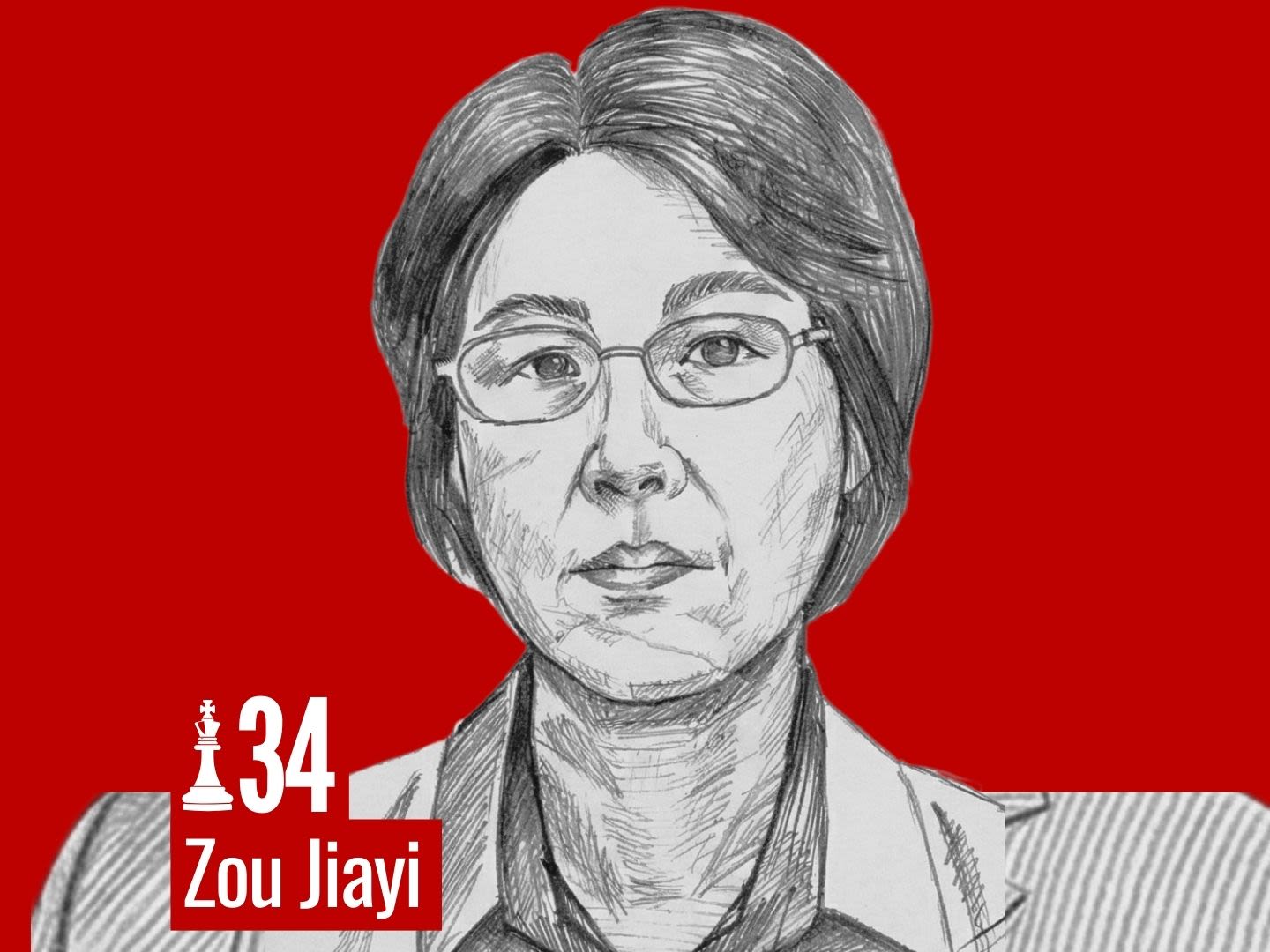
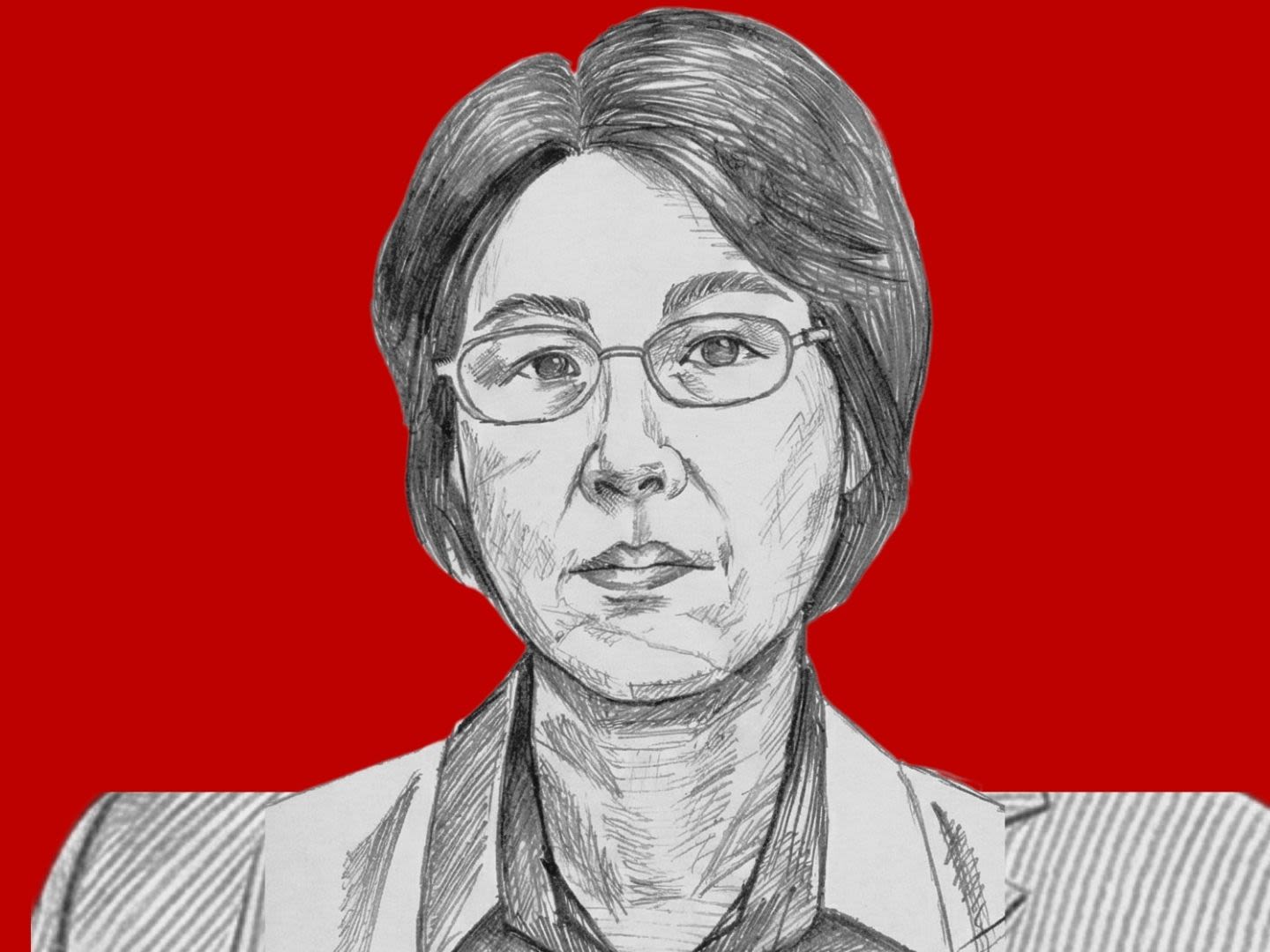
Zou Jiayi

Zou Jiayi

President | Asian Infrastructure Investment Bank

Backstory:Zou Jiayi — a member of China’s powerful Central Committee of the Communist Party — formerly served as vice minister for finance and former senior official in the Communist Party’s anti-corruption body, where she was reportedly described in local media as a “tiger-fighting lady general” for her investigation of senior officials. Zou Jiayi also served as China’s executive director at the World Bank Group.

Why she’s on the list:Zou Jiayi took the helm at the Asian Infrastructure Investment Bank in January, taking over after its founding president, Jin Liqun, finished his second five-year term. She’ll have to lead the China-based multilateral development bank into its next chapter — a chapter in which tensions between the U.S. and China are likely to continue rising, leaving AIIB having to navigate a more complex geopolitical landscape. AIIB is well capitalized and presents an appealing alternative for low- and middle-income nations looking for infrastructure finance but hoping to avoid MDBs where the volatile U.S. is a major shareholder. Still, the bank — now a decade old — will have to navigate growing pains as it matures. That will include originating more projects on its own, rather than piggybacking on the due diligence of other MDBs, working out how to engage civil society, and developing and testing its accountability mechanisms. Its new president will also have to ensure the bank remains seen as a global, rules-based institution with Chinese influence but not Chinese dominance. That's a tricky balancing act. But her power inside China could create more internal political support for AIIB and more opportunities to collaborate with other sources of Chinese overseas finance.

Jean Kaseya

Jean Kaseya

Director-general | Africa Centres for Disease Control and Prevention

Backstory:Dr. Jean Kaseya was not particularly well-known in health leadership circles before being selected to take on the helm of Africa CDC in 2023, although since then, he’s become an outsize figure in global health. He previously was senior country director in the Democratic Republic of Congo for the Clinton Health Access Initiative — with which he had a complex and contentious relationship. He has also held roles with UNICEF, Gavi, WHO, and with his own government, including advising DRC’s president on health matters.

Why he’s on the list:Ever since Africa CDC was granted autonomy from the African Union more than three years ago, it has plowed ahead with greater responsibilities and a larger budget. As its leader, Kaseya has become its most visible and forceful advocate. An energetic, indefatigable presence, he is constantly on the move, glad-handing donors, pressing politicians, and making the case for Africa CDC on global stages in ways that sometimes resonate and sometimes chafe. In the process, Kaseya has made himself an outsized figure in global health, ubiquitous and peripatetic, as he argues for the health interests of 1.5 billion people. He is juggling the agency’s rapid expansion alongside mounting public scrutiny, while managing Africa CDC’s response to overlapping crises — from helping countries absorb the shock of foreign aid cuts to managing prolonged health emergencies such as the mpox outbreak. The agency has been praised for its advocacy in pushing for greater health autonomy for African countries, including its championing of local pharmaceutical manufacturing.

It’s also amid a transition of building up its financial capabilities to receive funds directly, as opposed to partners accepting funds on its behalf. As fund management capacities increase, it’s expected that Africa CDC will be leaned on more heavily as a partner for donor funds on the African continent. But its work with American funding is still unclear, as the U.S. is now focused on direct country relationships rather than multilateral organizations such as Africa CDC — although Kaseya has visited Washington, D.C., several times in the past year to make inroads with the Trump administration.

MrBeast

Jimmy Donaldson aka MrBeast

YouTuber and founder of Beast Philanthropy

Backstory:Jimmy Donaldson’s YouTube channel is the most subscribed on the platform, with close to half a billion subscribers watching videos that, for example, recreate the show-within-a-show from “Squid Game” minus the death. In 2017, he went viral for giving away $10,000 to a homeless man, starting a fraught relationship with philanthropy that persists to this day. In 2020, he launched the channel Beast Philanthropy — a separate YouTube channel with about 29 million subscribers — which has funded efforts such as giving $1,000 to everyone in a Ugandan village, or donating ebikes to Kenyans who have to transport clean water long distances.

Why he’s on the list:Donaldson commands a massive audience, and more importantly, he discusses philanthropy with them — albeit in an untraditional way that’s focused on capturing clicks as well as improving lives. His audience is largely teens — who control less capital than their parents — but puts giving on their radar from an early age. Recently, Donaldson announced a partnership with The Rockefeller Foundation, in which the legacy foundation will use his “next-generation storytelling expertise” to make philanthropy cool for a new generation. However, this shift from viral stunts to serious development may only increase scrutiny of Donaldson’s philanthropic work, which has come under fire in the past from those who feel he exploits people in need to get the views that fund his work, which includes not just philanthropy, but a growing empire of chocolate bars, lunch foods, and a planned temporary amusement park in Saudi Arabia to be called Beast Land.

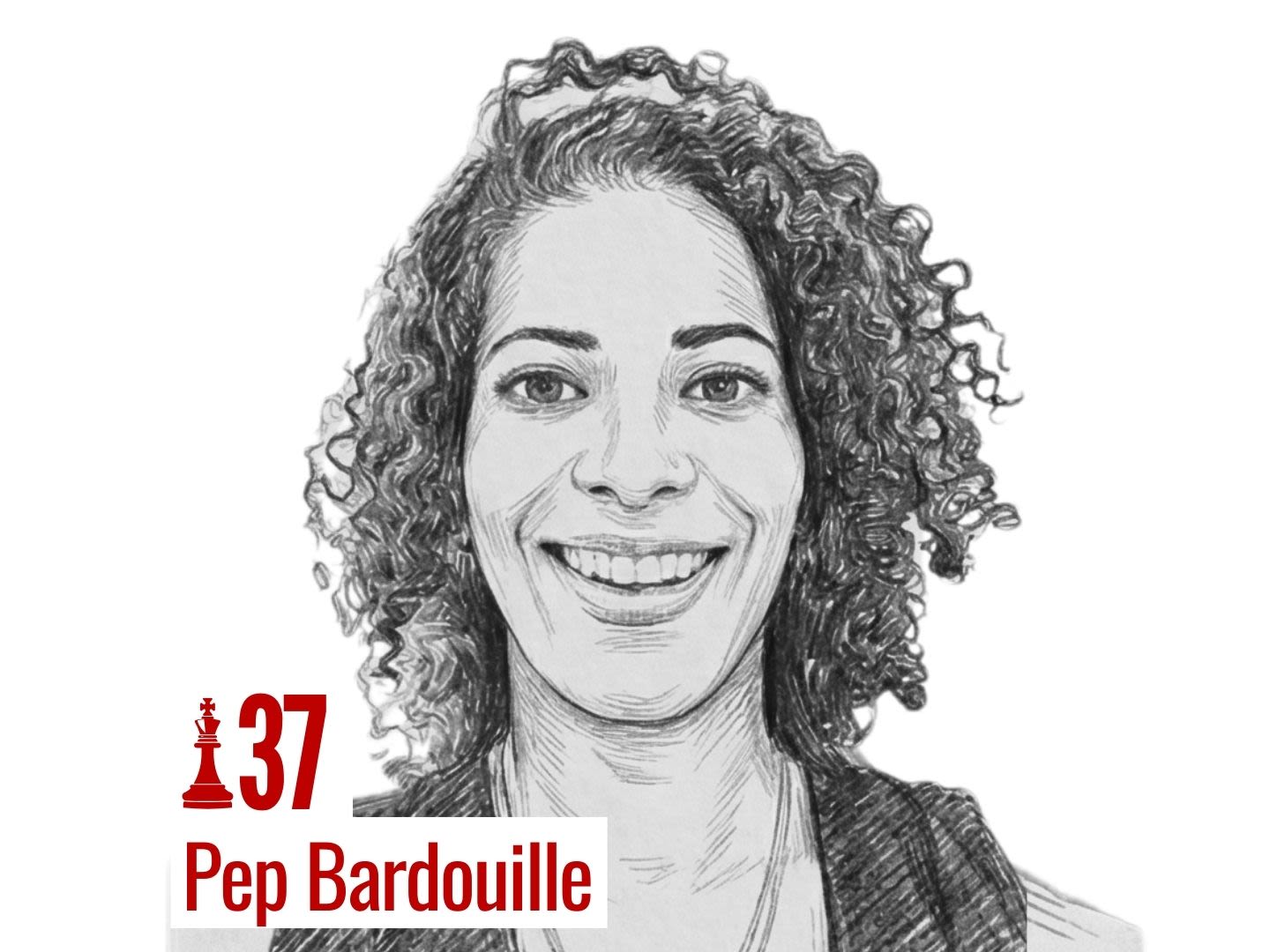
Pepukaye Bardouille

Pepukaye Bardouille

Director | Bridgetown Initiative

Backstory:Pepukaye Bardouille is the director of the Bridgetown Initiative and a special adviser of climate resilience to Barbadian Prime Minister Mia Mottley. She previously worked at the International Finance Corporation — and before that at McKinsey, advising clients in the energy, extractives, and public sectors across Africa, Europe, and the Middle East.

Why she’s on the list:Bardouille has become one of the most influential behind-the-scenes figures in global climate and debt diplomacy, helping the small island nation of Barbados — less than 200 miles from her birthplace of Dominica — punch far above its weight. Since taking over as director of the Bridgetown Initiative in 2023, she has been central to shaping Barbados’ push to overhaul an international financial system widely viewed as unfit for a world of recurring climate shocks. Working across G20, V20, and multilateral forums, she has pressed for climate-resilient debt clauses that give countries breathing room after disasters and for new concessional liquidity tools that allow vulnerable governments to access rapid financing without scrambling for donor pledges in the aftermath of a storm. Her ability to translate Barbados’ political vision into concrete proposals has pushed the Bridgetown agenda to the center of conversations on how to fix global finance.

Peter Sands

Peter Sands

Executive director | The Global Fund to Fight AIDS, Tuberculosis and Malaria

Backstory:The executive director of The Global Fund to Fight AIDS, Tuberculosis and Malaria, Peter Sands is a former group CEO of Standard Chartered Bank. He previously chaired the World Bank’s International Working Group on Financing Pandemic Preparedness and served as a lead nonexecutive board member of the U.K.’s Department of Health and Social Care.

Why he’s on the list:Sands is the rare multilateral leader who speaks fluent “finance” in a development world dominated by diplomats. While other global health initiatives face DOGE-like scrutiny, Sands has protected the Global Fund's standing by rebranding health aid as a high-yield asset class citing a 19-to-1 return on investment during the fund’s 8th replenishment summit, which explained that for every $1 invested in the Global Fund, $19 is returned in broader health gains and economic productivity. His banking pedigree allowed him to aggressively restructure the fund’s supply chains, aligning perfectly with the new U.S. focus on purchasing power and private-sector delivery models such as the deal with Gilead for Lenacapavir rollout.

Side note: He steered Standard Chartered through the 2008 global financial crisis without taking a single cent of government bailout money — a record that reportedly earned him immediate credibility with Washington's new efficiency czars.

Mohammad Safwat Raslan

Mohammad Safwat Raslan

Director-general | Syrian Development Fund

Backstory:Mohammad Safwat Raslan is a former banking professional with two decades of financial and credit services in Syria and Germany. He fled his home country in 2013, but last year, he returned to a Syria transformed — writing that he’d landed on Syrian soil “no longer as a refugee,” but “working to rebuild my homeland and restore hope to our people.” Now he’s doing just that as the director-general of the Syrian Development Fund.

Why he’s on the list:Since last August, Raslan has led the Syrian Development Fund, an institution designed to power the country’s reconstruction. Within minutes of its launch in early September, Syrian media reported that the fund raised $30 million from people both within and outside the country — including small-dollar donations — with the belief that rebuilding the country is a shared responsibility for all Syrians. And in interviews since, Raslan has outlined the priorities of his new organization: electricity, water, and transport infrastructure. According to the fund’s website, it’s now raised nearly $87 million between pledged and collected funds and is meant to facilitate donations from international institutions and other governments — while ensuring that those donors do not have undue influence over Syria’s reconstruction, Raslan explained in a recent interview. His role makes him an important figure in determining how funding from overseas, including from multidonor trust funds, gets spent.

Frannie Léautier

Frannie Léautier

Senior partner and CEO | Southbridge Investments

Backstory:Frannie Léautier is senior partner and CEO of Southbridge Investments, a Pan-African financial services firm based in Kigali, Rwanda. She’s also the nonexecutive director of Momentum Metropolitan Holdings Ltd. and board chair of the African Capacity Building Foundation. She spent time at the African Development Bank, and spearheaded the leadership campaign of current president Sidi Ould Tah.

Why she’s on the list:The Tanzanian-born engineer has been an instrumental player in a number of development institutions. She spent more than a decade with the World Bank serving in different capacities — including as vice president of the bank and head of the World Bank Institute. Before that, she worked a stint at the African Development Bank, returning recently as campaign manager for Sidi Ould Tah’s successful run to become president of AfDB. She wrote that “Tah’s decisive victory reflects a desire among shareholders for a leader with a track record of institutional transformation and financial innovation” — while specifically praising his “acknowledgment of the importance of building infrastructure that not only meets development needs but also is resilient to climate change impacts.” That praise tracks with Léautier’s own passions. She has said that “infrastructure is the foundation upon which everything else happens. It is the neighbor to people and planet, and therefore must be designed with care, built with connection, and governed with integrity.” To unlock private investment, she advocates strengthening credit ratings so projects become visible and investable and building digital deal rooms to connect opportunities with capital, among other actions. She also believes that climate finance is one of the top priorities for Africa, noting that only 4% of such finance reaches the continent.

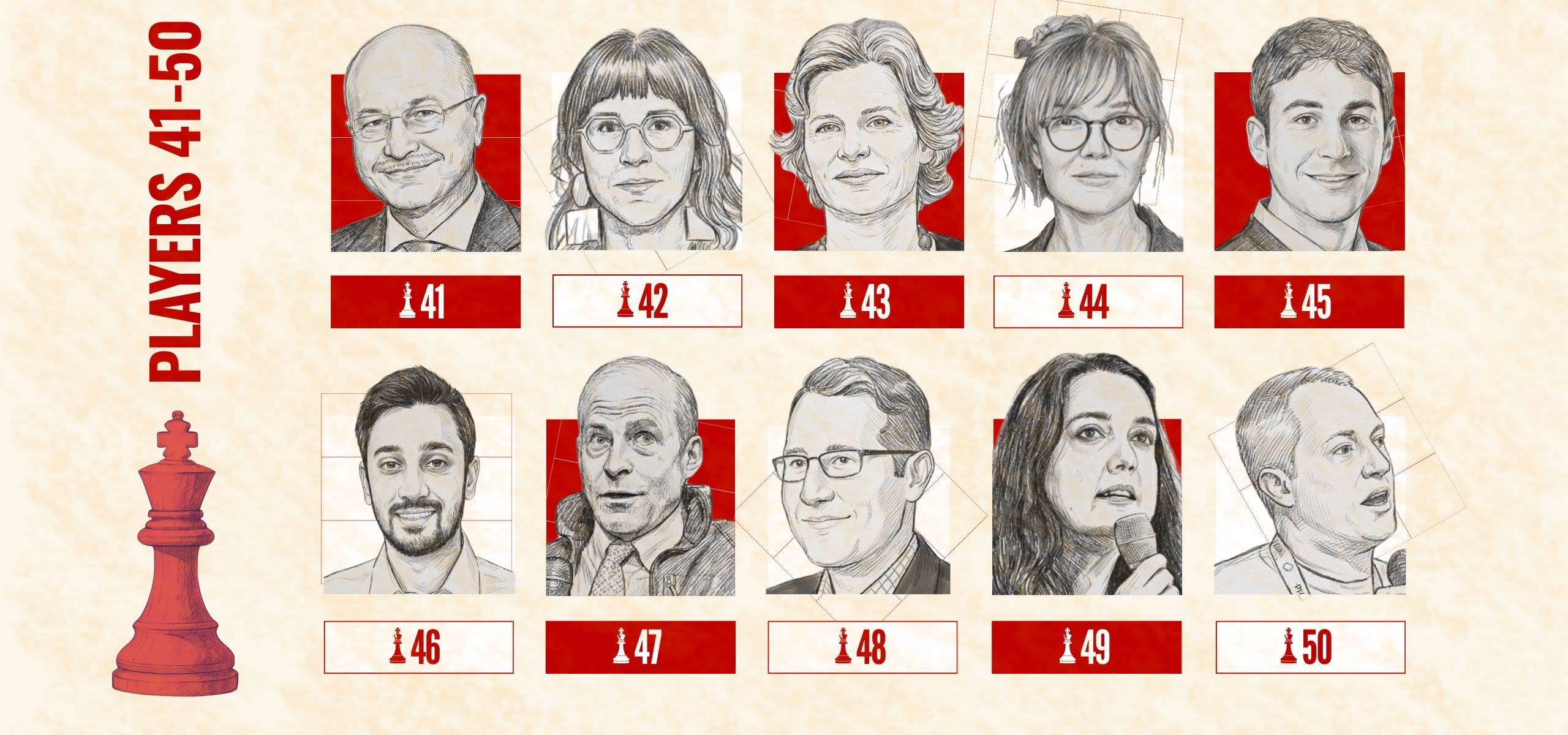
PLAYERS 41-50

41. Barham Salih

United Nations High Commissioner for Refugees

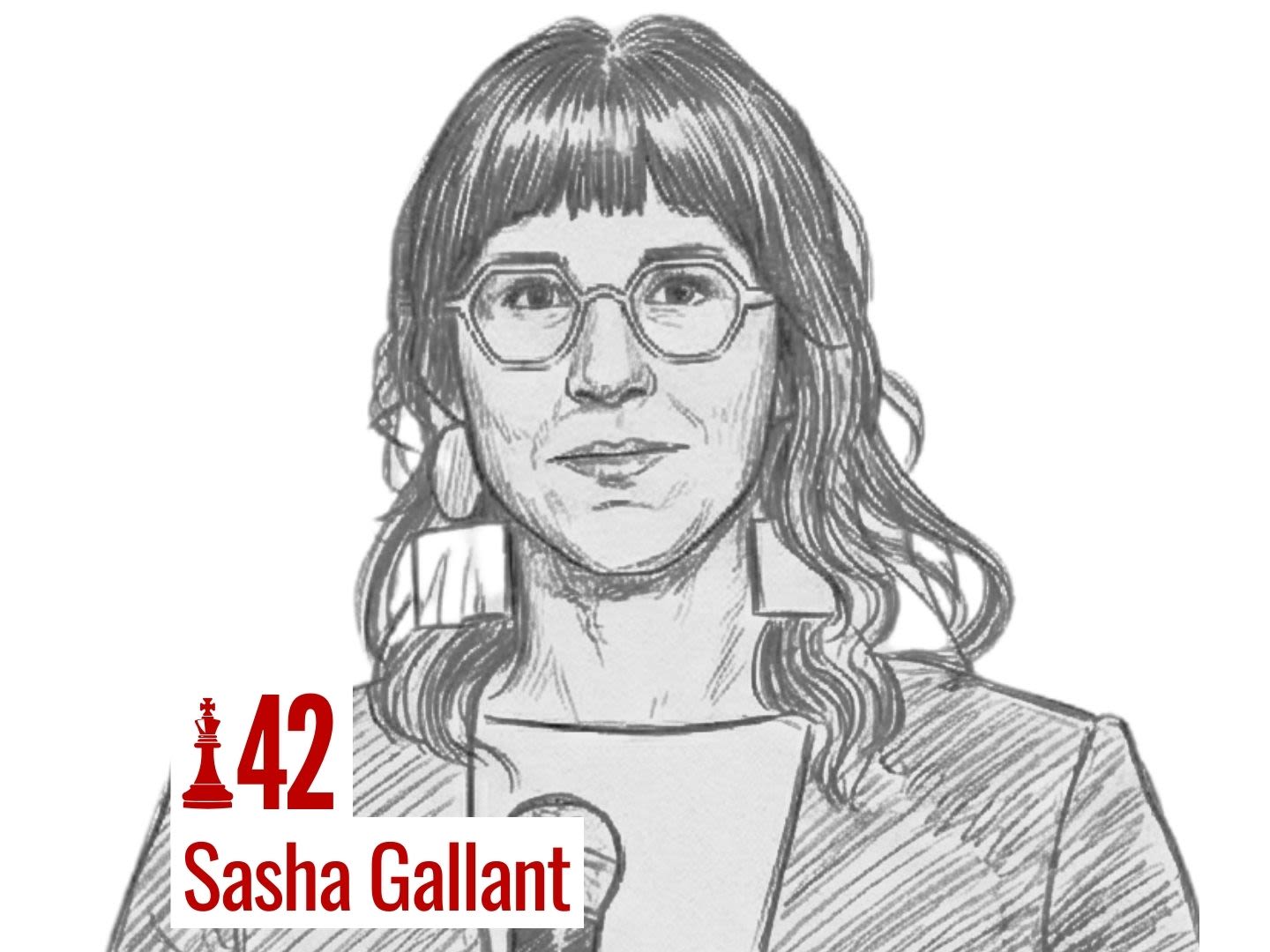
42. Sasha Gallant

Founding member of Project Resource Optimization | Former chief of USAID’s Development Innovation Ventures

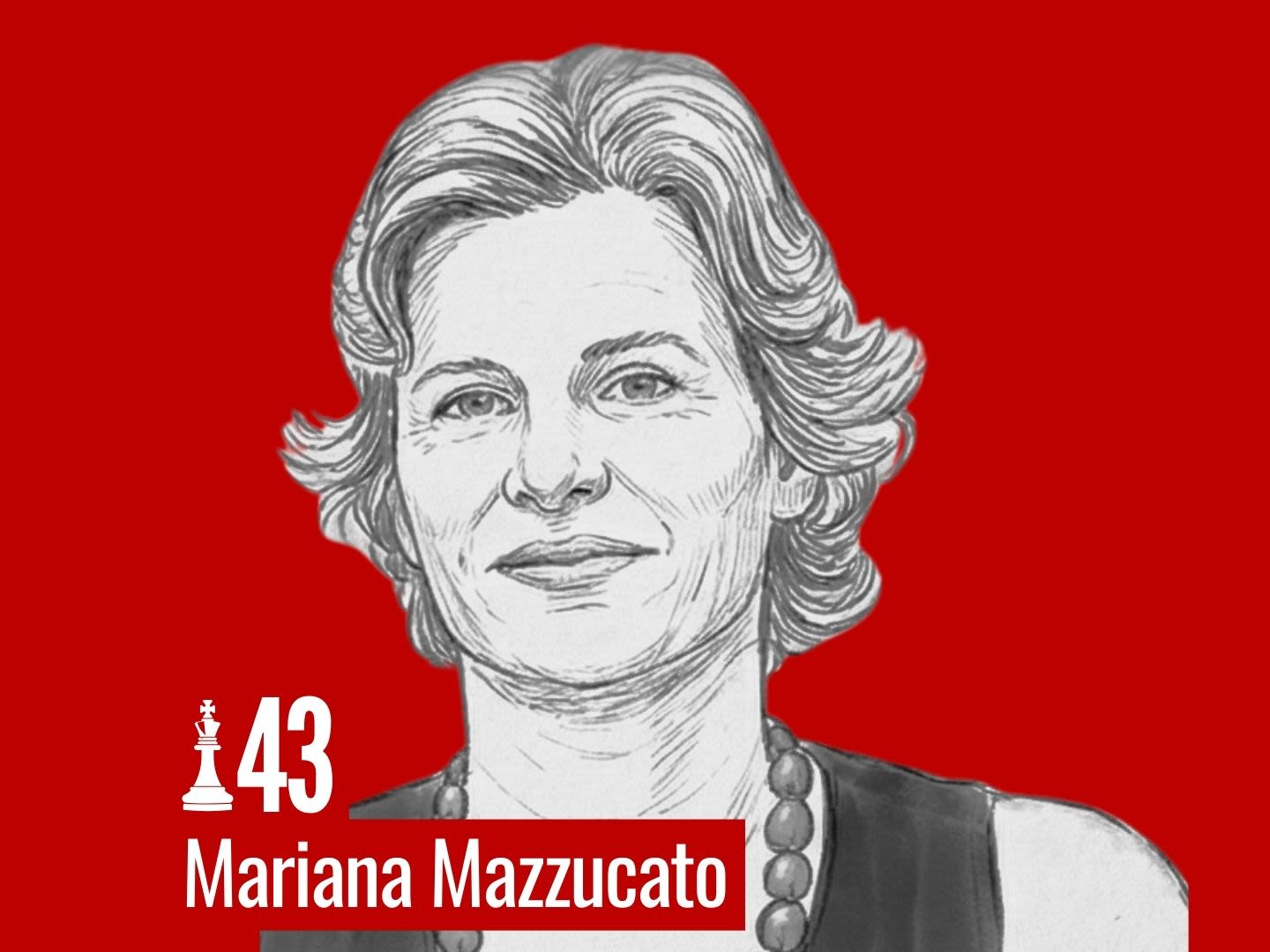
43. Mariana Mazzucato

Founding director | UCL Institute for Innovation and Public Purpose

44. Amaryllis Fox Kennedy

U.S. Deputy director of national intelligence for policy and capabilities

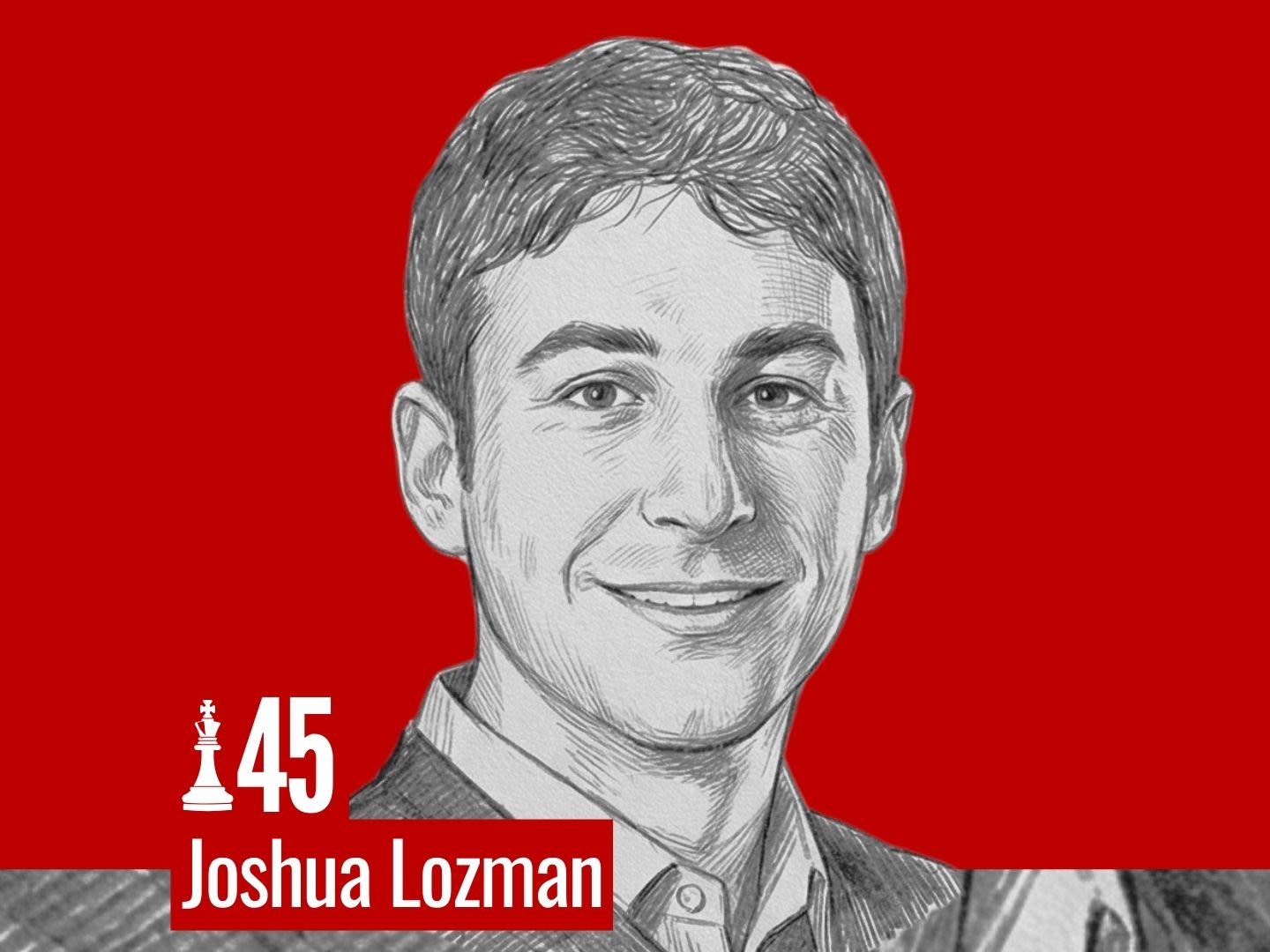
45. Joshua Lozman

Senior director | Pivotal Ventures

46. Neil Buddy Shah

CEO | Clinton Health Access Initiative

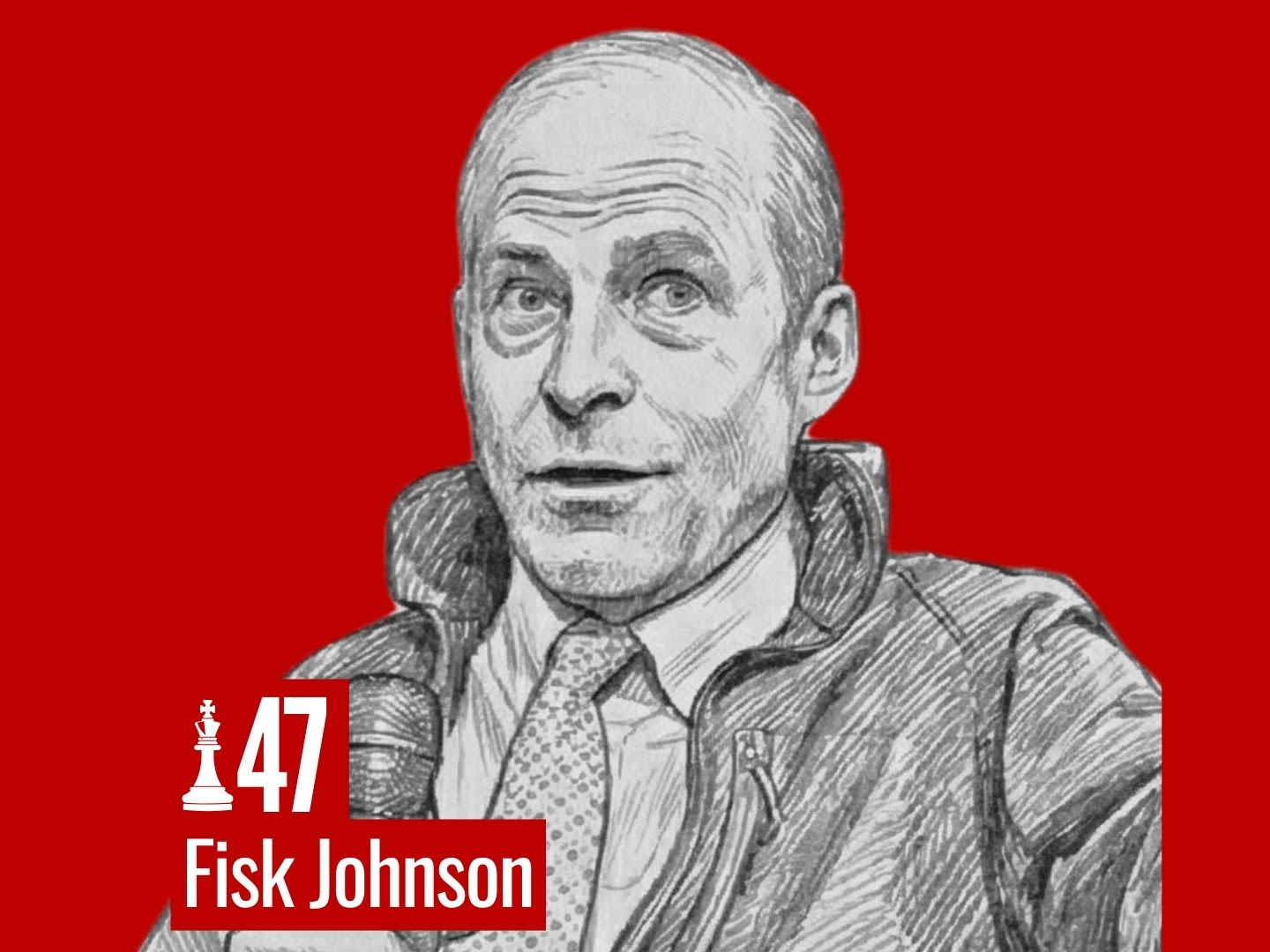
47. Fisk Johnson

Chair and CEO | SC Johnson

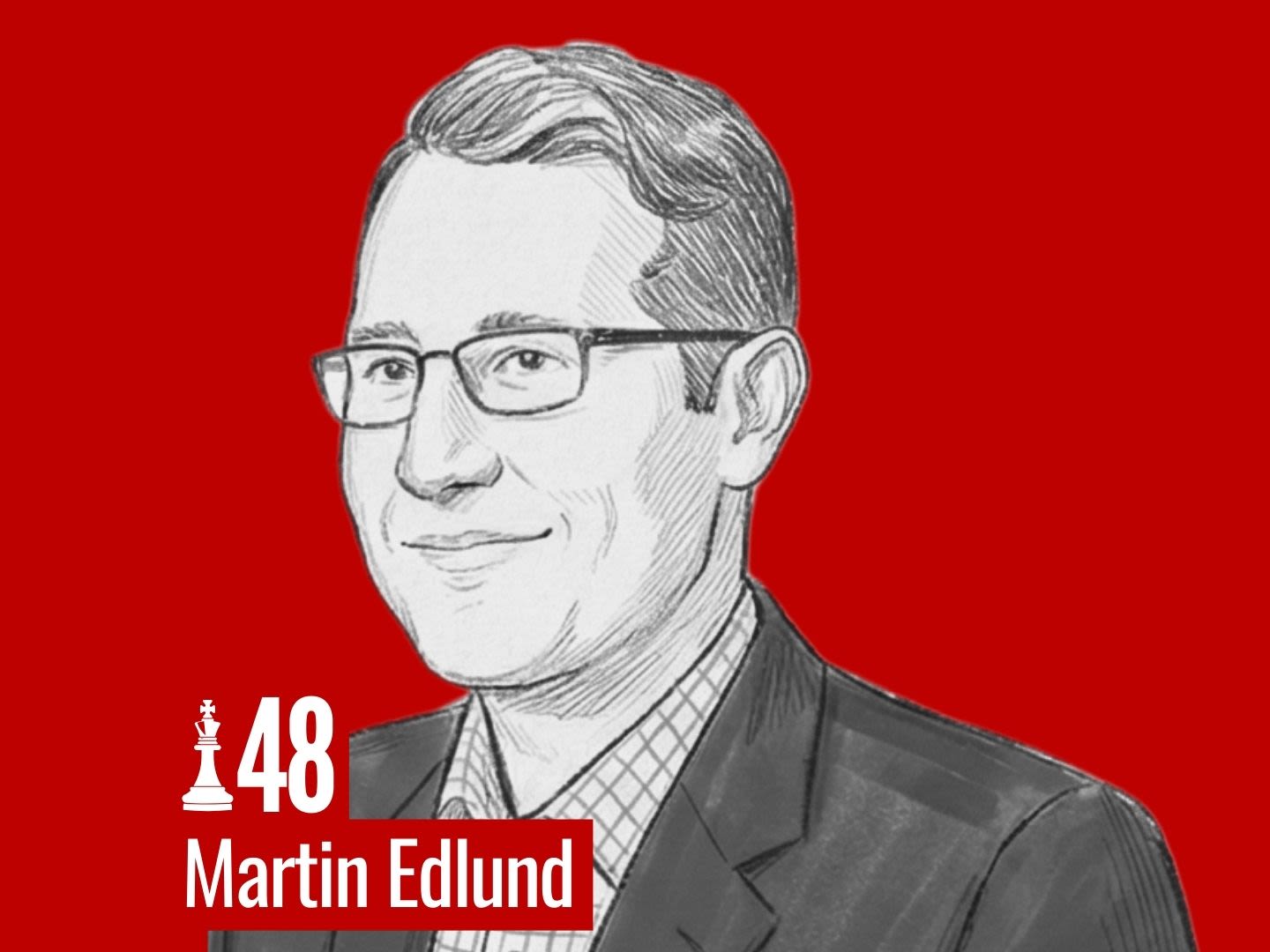
48. Martin Edlund

Founding member and former CEO | Malaria No More

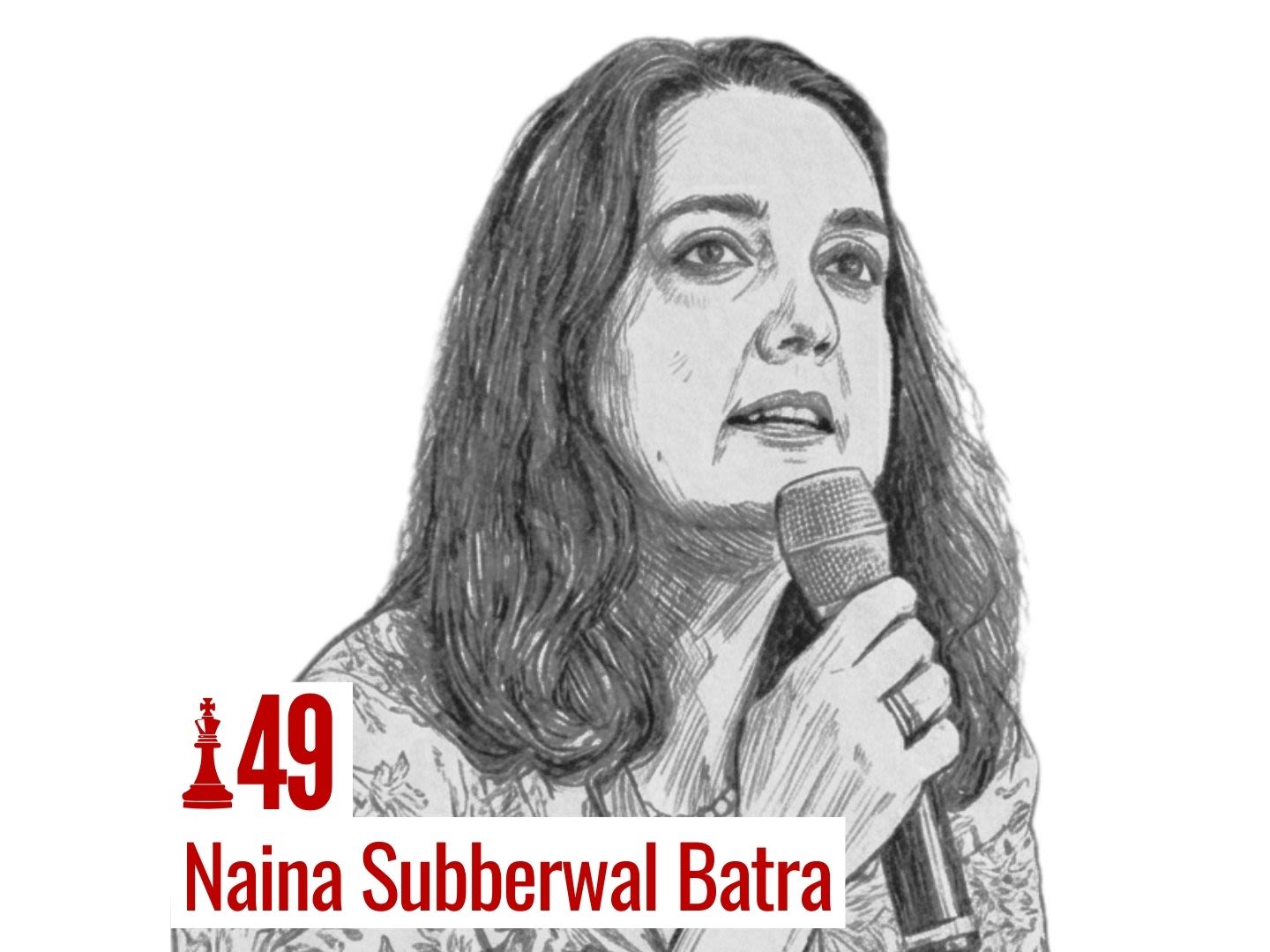
49. Naina Subberwal Batra
CEO | AVPN

50. Walter Kerr

Cofounder | Unlock Aid

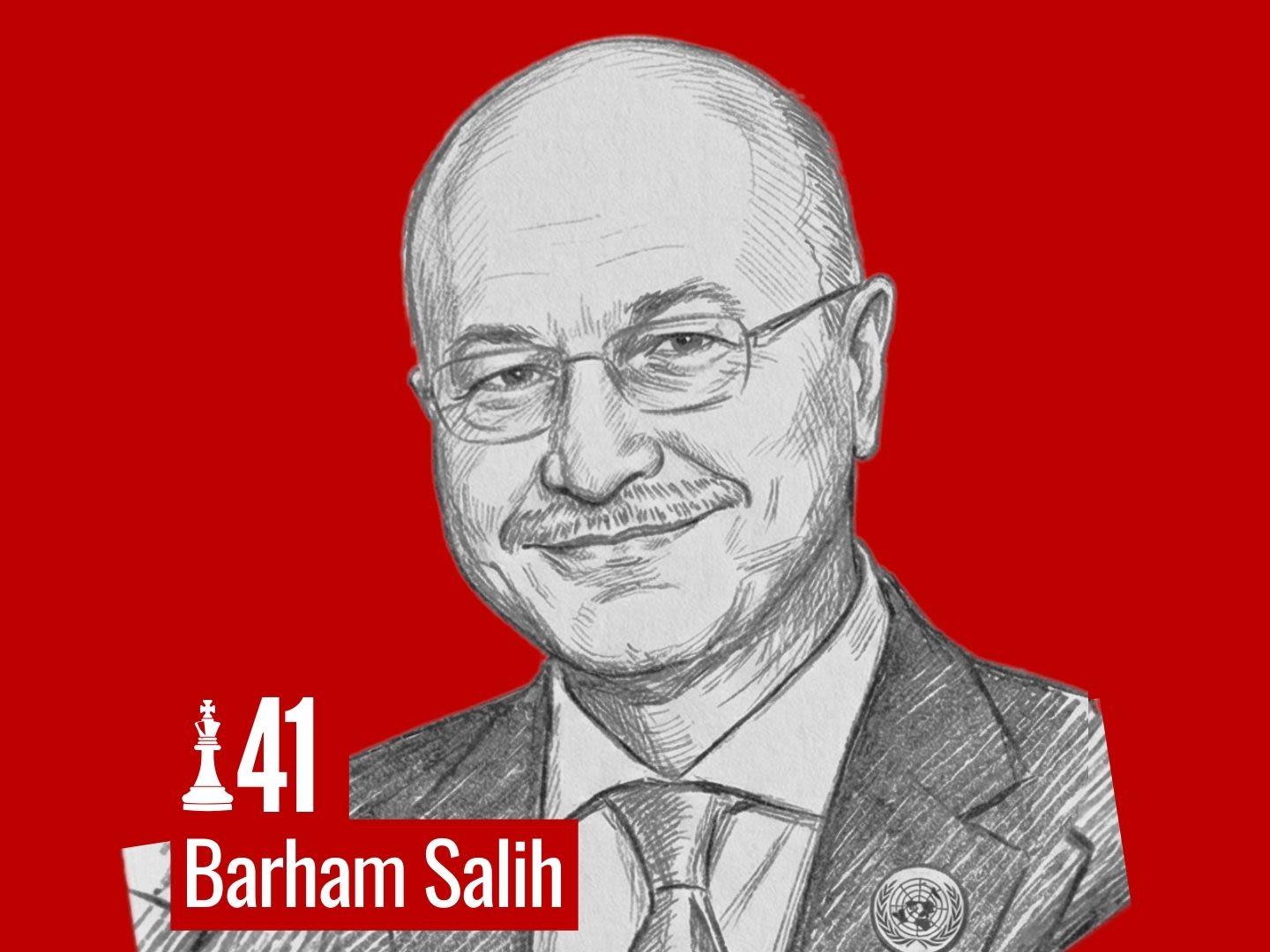
Barham Salih

Barham Salih

United Nations high commissioner for refugees

Backstory:Barham Salih was a leading Iraqi political figure in the post-war period after the U.S. invasion of Iraq, serving twice as prime minister in the Kurdish regional government and as president of Iraq from 2018 to 2022. He was recently appointed U.N. high commissioner for refugees.

Why he’s on the list:Salih leads the U.N.’s premier refugee agency in the face of rising levels of global displacement, dwindling financing, and growing anti-refugee sentiment in the United States and Europe. His appointment also marks a shift away from Europe’s near monopoly over the top refugee post, and signals hope that wealthy Arab states, which backed his candidacy, will step up their contributions to the UN Refugee Agency at a time when European governments are scaling back.

Sasha Gallant

Sasha Gallant

Founding member of Project Resource Optimization | Former chief of USAID’s Development Innovation Ventures

Backstory:Sasha Gallant is a specialist in evidence-based policy and cost-effectiveness who formerly served as chief of USAID’s Development Innovation Ventures, or DIV. She was one of the senior officials tasked with managing evidence-based portfolios before the agency’s dismantling in 2025. She is now working to push philanthropy to adopt the same discipline — moving the field toward cost-efficiency and cost-effectiveness amid a shrinking resource pool.

Why she’s on the list:Gallant is one of the key leaders behind the Project Resource Optimization initiative — a closely watched philanthropic experiment that emerged from the collapse of USAID. In just over six months, PRO mobilized $110 million to sustain 81 proven health and humanitarian programs that lost U.S. funding, ensuring continuity of services for 41 million people in more than 30 countries. Gallant was one of the architects of PRO’s urgent and vetted list, a rapid triage tool that helped guide private donors’ response to the aid retreat. She has become a central figure in preserving the “brain” of U.S. development assistance amid institutional collapse. Now, as PRO evolves from an emergency stopgap to a sustained platform for aid, Gallant is working on another project to carry on the work of evidence-driven innovation in global development, building on the work of DIV.

Mariana Mazzucato

Mariana Mazzucato

Founding director | UCL Institute for Innovation and Public Purpose

Backstory:A professor in the economics of innovation and public value at University College London, Mariana Mazzucato is the founding director of the UCL Institute for Innovation and Public Purpose, while writing multiple books about capitalism and the global economy. She is also a widely quoted commentator and media figure who has consistently argued for a different approach to market regulation and championed the innovative power of the state.

Why she’s on the list:Mazzucato is one of the primary thinkers championing a new and different way of managing the international order, with a focus on sustainable and inclusive growth. Her argument that the state must actively shape markets rather than just fix them has influenced many major players. No less a figure than Pope Francis said that her thinking on the future of capitalism “struck a chord” with him, and Mazzucato was a key member of the influential Jubilee Commission that called for global financial reform. She also holds a number of high-level policy roles, working with organizations such as the United Nations and World Economic Forum. Leaders across the global south are increasingly fighting hard for shifts in the way that international decisions are made, pushing for changes designed to reduce inequality between individuals and nations. Increasingly, high-profile economists are advancing theories that support that push. Mazzucato is a leading thinker in this movement. With industrial policy — once relegated to the fringes — now increasingly central in the thinking of both the left and right, she may prove the most influential economist in the era of aid scarcity.

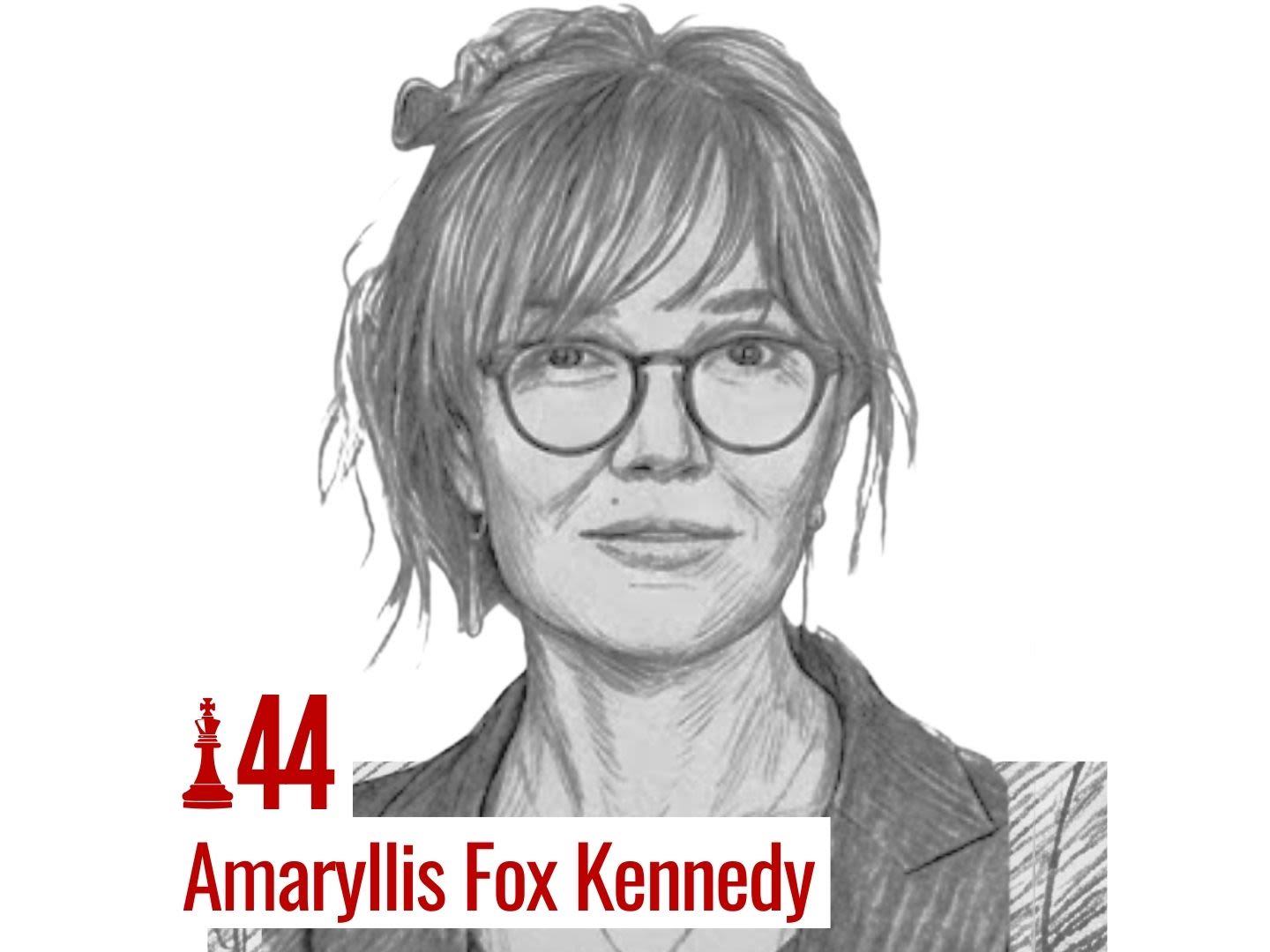
Amaryllis Fox Kennedy

Amaryllis Fox Kennedy

U.S. deputy director of national intelligence for policy and capabilities

Backstory:Amaryllis Fox Kennedy is the U.S. deputy director of national intelligence for policy and capabilities, as well as the associate director for intelligence and international affairs for the Office of Management and Budget. Before that, she was a CIA case officer focused on preventing terrorist organizations from obtaining weapons of mass destruction. Fox Kennedy is also the daughter-in-law of Robert F. Kennedy Jr., the U.S. secretary of health and human services, and managed his presidential campaign.

Why she’s on the list:Fox Kennedy holds a dual intelligence-budget role in which she has oversight over foreign aid spending — and helps determine which aid programs survive the administration’s cuts. That’s a position that has taken on outsized power in President Donald Trump’s second administration. The Office of Management and Budget mostly used to focus on overall budget requests and high-level approvals, but under the heavy-handed leadership of Russell Vought, OMB has transformed into the final arbiter of foreign aid funding — inserting itself into individual spending decisions and testing the limits of its own authority. Fox Kennedy doesn’t have a background in global development, but she does have one of the final words on which checks get written and which get voided. In 2019, Fox Kennedy published a book about her time undercover in the CIA, which garnered controversy for not receiving authorization from the agency prior to publication — and for questions over the veracity of some of her recollections. In one section, she wrote about posing as an international art dealer while living in Shanghai as she sought to infiltrate nuclear weapons procurement networks in Europe and the Middle East.

Joshua Lozman

Joshua Lozman

Senior director | Pivotal Ventures

Backstory:Joshua Lozman is a senior director at Pivotal Ventures, a group of organizations founded by Melinda French Gates to accelerate social progress, with a particular focus on expanding women’s power and influence. He previously led global policy and advocacy for women’s and children’s health and gender equality at the Gates Foundation and served as chief of staff at the National Economic Council in Barack Obama’s administration.

Why he’s on the list:As French Gates reshapes her philanthropic footprint — and the next generation of Gates family members begins defining its own — Lozman has become the strategic bridge guiding this transition. A quiet but influential consigliere, he is now advising the Gates children on their emerging philanthropy, helping shape the future of one of the most powerful families in global development. Known for his mix of policy, political strategy, and philanthropic savvy, he has become a trusted behind-the-scenes figure in the French Gates orbit.

Neil Buddy Shah

Neil Buddy Shah

CEO | Clinton Health Access Initiative

Backstory:A trained physician and development economist, Neil Buddy Shah is the CEO of the Clinton Health Access Initiative and as chair of Anthropic’s Long-Term Benefit Trust. He previously served as managing director at GiveWell and the CEO and founder of IDinsight. He has also worked extensively across global health evaluation, market shaping, and economic research, guiding some of the most influential funding decisions in the field.

Why he’s on the list:Shah is a leader of the "market-shaping" revolution. With grant funding collapsing, CHAI’s model of using volume guarantees to lower drug prices could be a future tenet of global health. CHAI is also working with countries to support local manufacturing, unifying supply chains, establishing insurance systems — the whole gamut of redesigning the market for health. Shah is one of the most vocal leaders reframing the recent historic aid cuts as a chance to redefine the global health system rather than rebuild the past. Shah, who is deeply plugged into the world of tech philanthropy and effective altruism, is advising ministries of health on how to navigate multibillion-dollar funding gaps, including by experimenting with new market-shaping alliances that no longer rely on the purchasing power of the U.S. government. He is also emerging as a critical bridge between global health and frontier AI: as chair of Anthropic’s Long-Term Benefit Trust, he is pressing major AI labs to apply their most powerful models to health challenges in low- and middle-income countries rather than defaulting to high-income use cases. Drawing on his background as a researcher-turned-operator who has built organizations from scratch and reshaped how evidence gets used in policy, he’s become a central figure in debates over what the next era of global health should look like — and how quickly the sector can get there amid profound uncertainty.

Fisk Johnson

Fisk Johnson

Chair and CEO | SC Johnson

Backstory:Fisk Johnson — his real first name is Herbert — is the chairman and CEO of SC Johnson, maker of Windex, Saran Wrap, Ziploc, and the memorably named Toilet Duck, which was founded by his great-great-grandfather. Serving as CEO since 2004, he’s guided one of the largest private companies in the world into health innovations — and campaigned for tougher rules on corporate plastic pollution.

Why he’s on the list:Johnson is proving that a consumer goods company can drive global health breakthroughs. Under his leadership, SC Johnson spent more than a decade and over $100 million developing “spatial repellents” — low-tech emanators that can protect entire rooms from mosquitoes — as part of the company’s mission to eradicate malaria. In 2025, his company secured a conditional WHO policy recommendation for the technology, creating a new product category to complement existing prevention measures such as insecticide-treated bed nets and indoor residual spraying. WHO has also prequalified two of SC Johnson’s products: Mosquito Shield, which lasts about a month, and Guardian, which can remain in use up to a year. SC Johnson is distributing both at cost, and prequalification opens the door for buyers such as The Global Fund to Fight AIDS, Tuberculosis, and Malaria to procure the products and for countries to include them in vector control programs. At $2.75, Guardian costs about the same as a bed net — and less than most indoor spraying campaigns — though bed nets can last up to three years. Johnson is also known for personally testing the company’s products, including sticking his arm into a cage of mosquitoes to demonstrate they work. In Rwanda, he even took part in a “human bait” study, where volunteers use their limbs to attract and capture mosquitoes for research.

Martin Edlund

Martin Edlund

Founding member and former CEO | Malaria No More

Backstory:Martin Edlund led Malaria No More for 13 years and will soon be launching a new venture called BillionScale Health. He is also the current executive director of the Health Finance Coalition, which aims to use blended finance to get more money into the health space. Before that, he was a journalist and a political consultant.

Why he’s on the list:As health aid shrinks, there’s a race to find new models that attract development finance and private capital for health. Edlund is a behind-the-scenes player taking that challenge head on. He has built a reputation as a global health leader with a track record of launching initiatives to tackle a wide range of challenges, particularly in malaria, where he has leaned heavily on innovative financing and private-sector partnerships to expand access to new technologies and medicines. Building on his experience scaling malaria solutions, he will soon be launching BillionScale Health, a new organization focused on finding and financing solutions to the world’s biggest health challenges. “It will be purpose-built for the radically changed global health operating environment,” Edlund told Devex, “including using blended finance to scale breakthrough technologies that can help countries bend the curve on disease burden and affordability.”

Naina Subberwal Batra

Naina Subberwal Batra

CEO | AVPN

Backstory:Naina Subberwal Batra has served as CEO of AVPN since 2013, leading Asia’s largest network of social investors focused on mobilizing financial, human, and intellectual capital for impact. She previously held senior roles at the Monitor Group, working on market-based approaches to social change, and was a partner and cofounder of Group Fifty, an initiative supporting contemporary Indian artists.

Why she’s on the list:As official development assistance declines, attention is shifting to philanthropy — particularly toward Asia, where wealth is growing fast but giving remains fragmented and undercounted. Subberwal Batra sits at the center of that shift. Under her leadership, AVPN has expanded far beyond its venture philanthropy roots into a regional ecosystem spanning philanthropists, impact investors, and corporate actors, with membership growing severalfold. A regional hub opened in Abu Dhabi, United Arab Emirates, late last year, connecting wealthy Gulf donors with the rest of Asia’s philanthropy community. Batra has pushed the network to professionalize and channel capital more strategically at a moment when Asia’s estimated giving potential runs into the hundreds of billions of dollars, much of it still informal or family-based. How effectively she helps translate that latent generosity into coordinated, institutional capital will shape the role Asian philanthropy plays in filling global development gaps left by shrinking aid budgets.

Walter Kerr

Walter Kerr

Cofounder | Unlock Aid

Backstory:Walter Kerr, a former U.S. Foreign Service officer, has led Unlock Aid since its founding in 2021. It’s an advocacy coalition built more by tech firms and social enterprises than traditional development implementers, and maybe that’s why it has had a higher risk tolerance when it comes to taking on the foreign aid establishment. Some of Unlock Aid’s attention-grabbing messaging made its way into DOGE talking points, and Kerr has taken heat from some quarters for sowing the seeds of USAID’s destruction.

Why he’s on the list:Mission accomplished or cautionary tale? A few years ago, we included Unlock Aid on a list of organizations to watch, and told you they were “shaking things up.” Well, things are certainly shaken up. Under Kerr’s leadership — and with funding from a group of disruptive social enterprises — the organization took direct aim at USAID’s biggest partners, accusing them of gaming the foreign aid contracting system, impeding innovation, and obstructing progress on the agency’s localization agenda. DOGE operatives hungry for reasons to blow up U.S. foreign aid weaponized some of that messaging, distorted the statistics behind it, and broadcast their “evidence” far and wide. As the dust settles, Unlock Aid finds itself in an unusual position — the upstart coalition looks better positioned than many of USAID’s legacy partners to play a part in the next phase of American soft power. What happens when the radical reformers get a lot more than they asked for?

+ MORE LISTICLES

24 global development organizations to watch in 2024

By Devex Editor

The key players in 'America First' foreign aid

By Michael Igoe

19 local organizations to watch

By Devex Editor

Devex is the platform for insider journalism on global development - independent, trusted, essential. We deliver the news and insights that matter most to the world's most influential community of development professionals. Together, we're driving global progress through information, insight, and influence.

© Copyright 2000-2025 Devex User Agreement Privacy Statement