
Steep aid cuts put slow gains against female genital mutilation at risk

NAROK COUNTY, Kenya — In a Kenyan county on the border with Tanzania, girls are still having their genitals mutilated at overwhelming rates.
The practice, known as female genital mutilation, or FGM, is illegal in the East African nation, but so ingrained in culture in some areas of the country that many families undertake great lengths to circumvent the law and perform it underground. They sneak girls across the Tanzanian border where enforcement is lax, cut the girls in the thick of the forest in the middle of the night, dress them as boys to blend in with male circumcision ceremonies, and mutilate them at younger ages so school systems won’t detect the injury and before girls are educated on their rights.

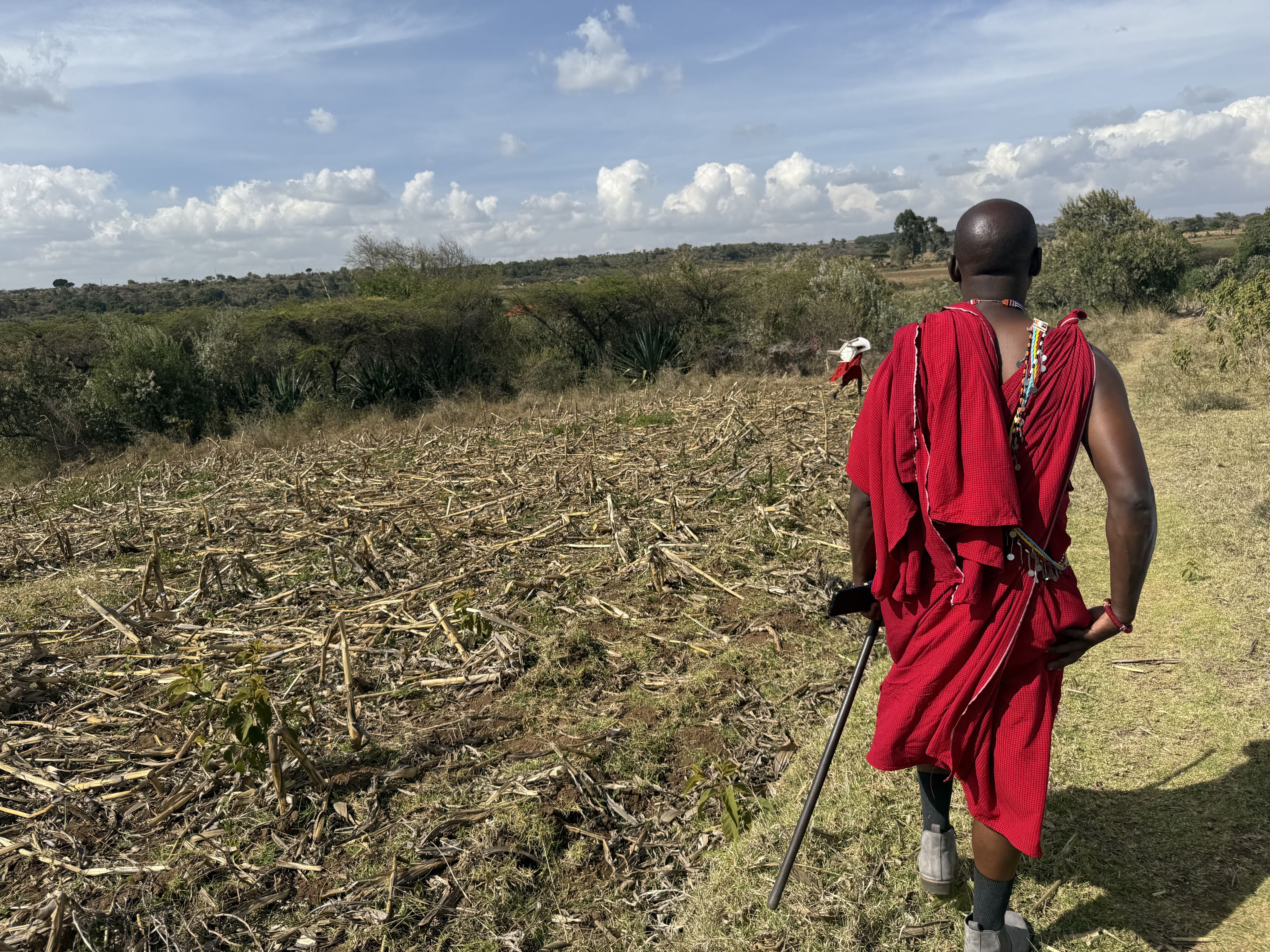

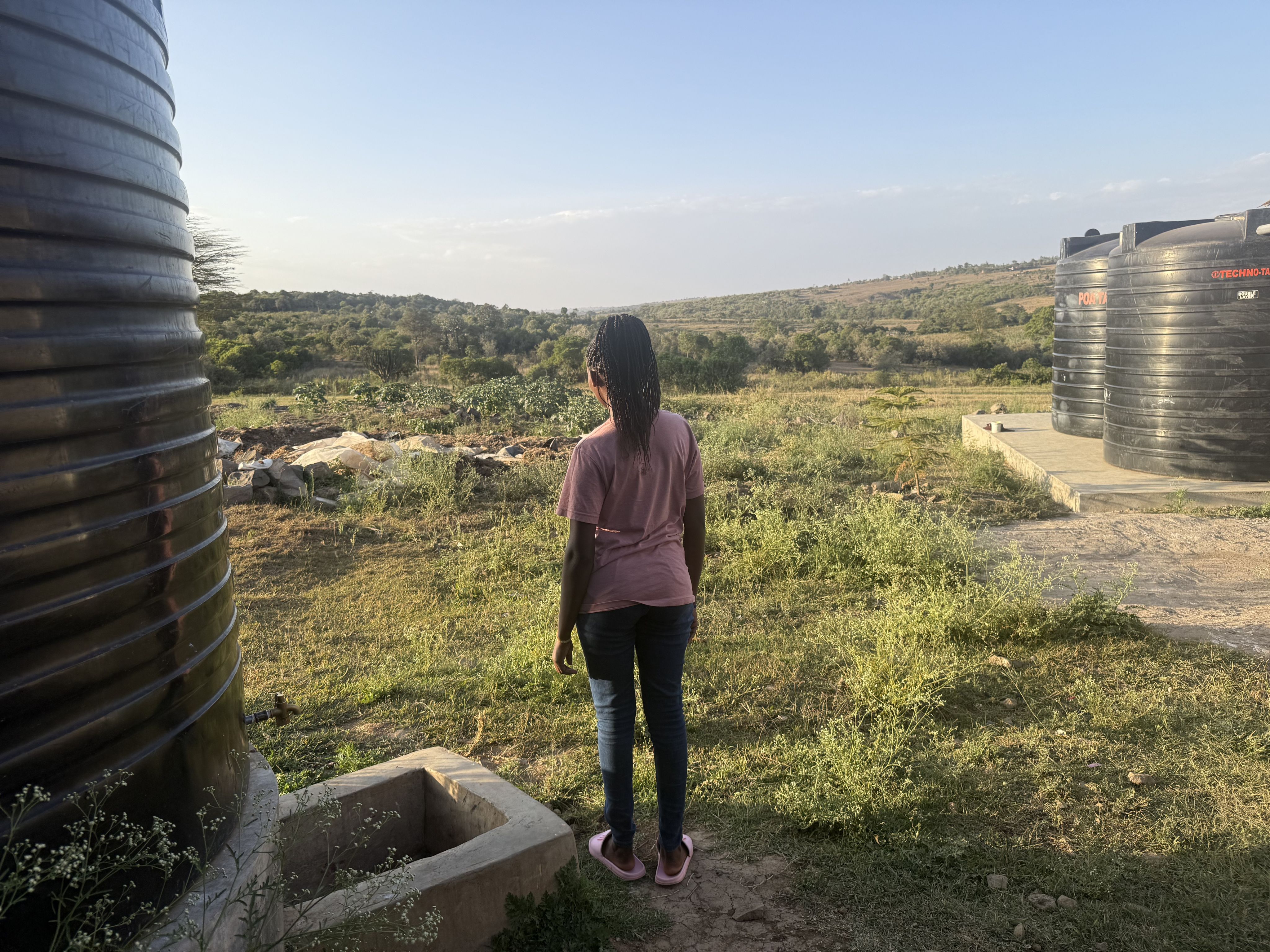


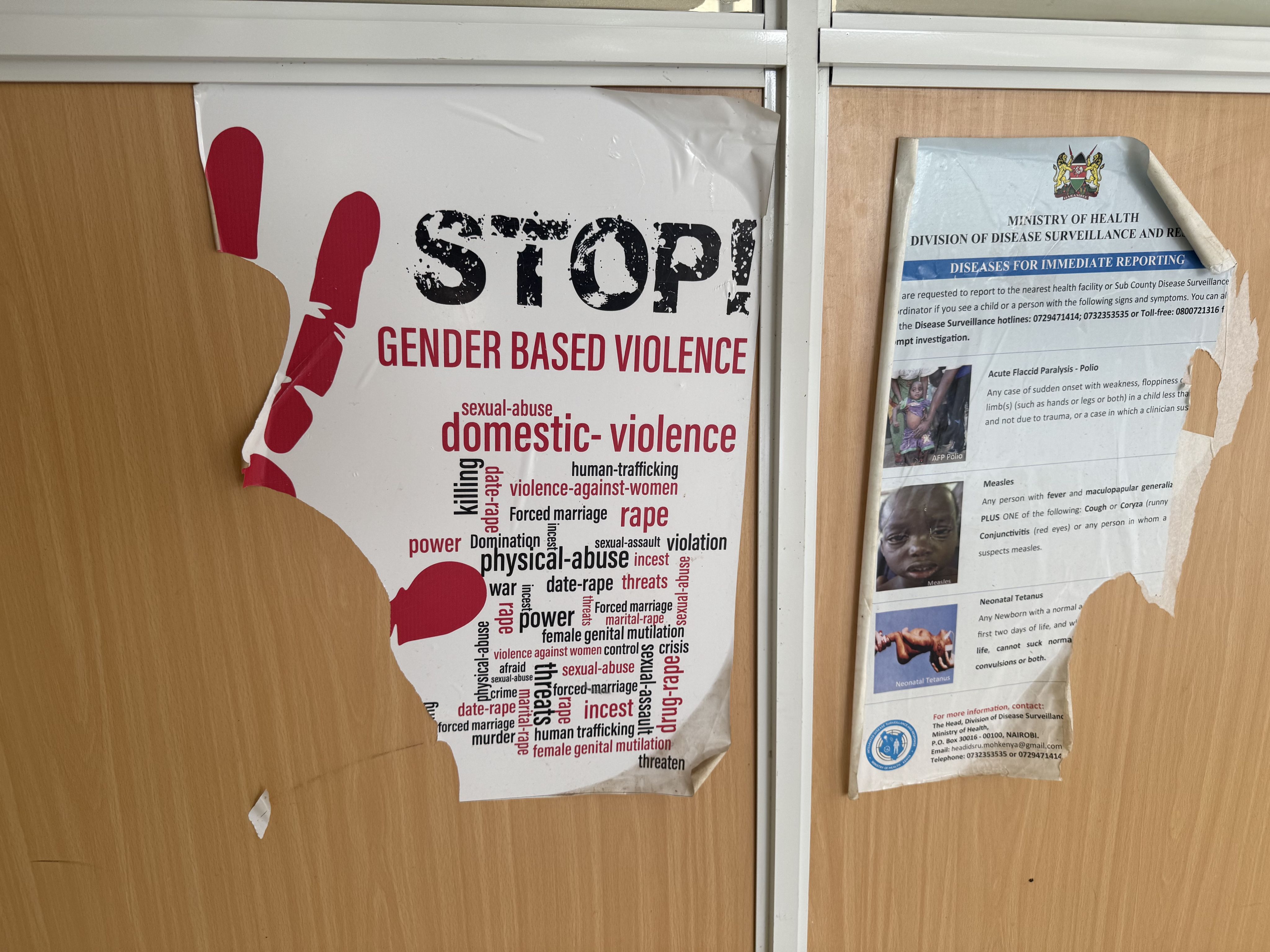
In the Maasai community living in that part of the country, the traditional belief is that cutting the genitalia signifies a girl’s transition to womanhood. Young girls who have been subjected to the mutilation are often then forced to be marry men decades older. Men often won’t marry an uncut girl, and so she and her family could be insulted, cursed, and isolated if they abstain.
Marrying off a young girl not only impacts her education, but FGM can lead to serious infections and excessive bleeding, among other problems. If a young girl, with her small pelvis, becomes pregnant, the lack of elasticity of her scarred reproductive organs can obstruct labor, among other complications. Girls and their babies have died from FGM-linked complications during delivery.
In 2011, Kenya criminalized FGM, with those who perform the cut and who aid them facing at least three years in prison and/or a fine of at least 200,000 Kenyan shillings ($1,550). The country has seen progress: In 2003, the FGM prevalence was 32%, but reduced to 15% in 2022. Even so, in parts of the country, nearly all girls continue to undergo genital mutilation. Alarmingly, rates are resurging in some areas. In at least one county, even newborns have been subjected to it.
Those working to fight this crime say high-level political commitment, laws, and prosecutions aren’t enough. Law enforcement can’t start arresting huge swaths of a community. The survivor also carries the burden of proof — often, a young girl must serve as a witness against her own family members.
“The problem is, they don’t bring the cases to the police,” said Boniface Kirema, assistant commissioner of Narok County.
In rare instances they are reported, cases are often dropped — including from witness tampering or bribery. One police officer was stoned to death in 2023 for taking FGM survivors to a hospital.

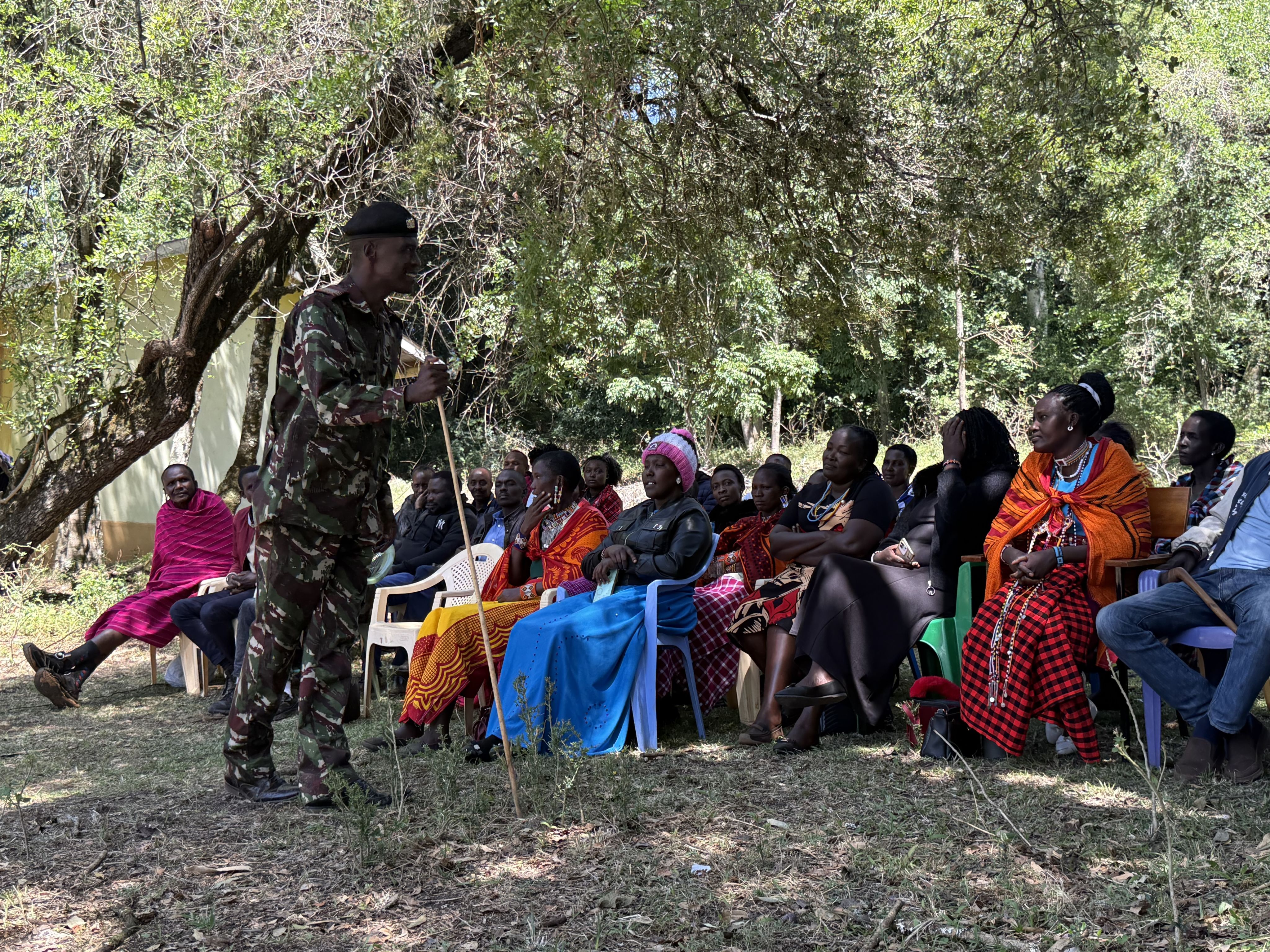
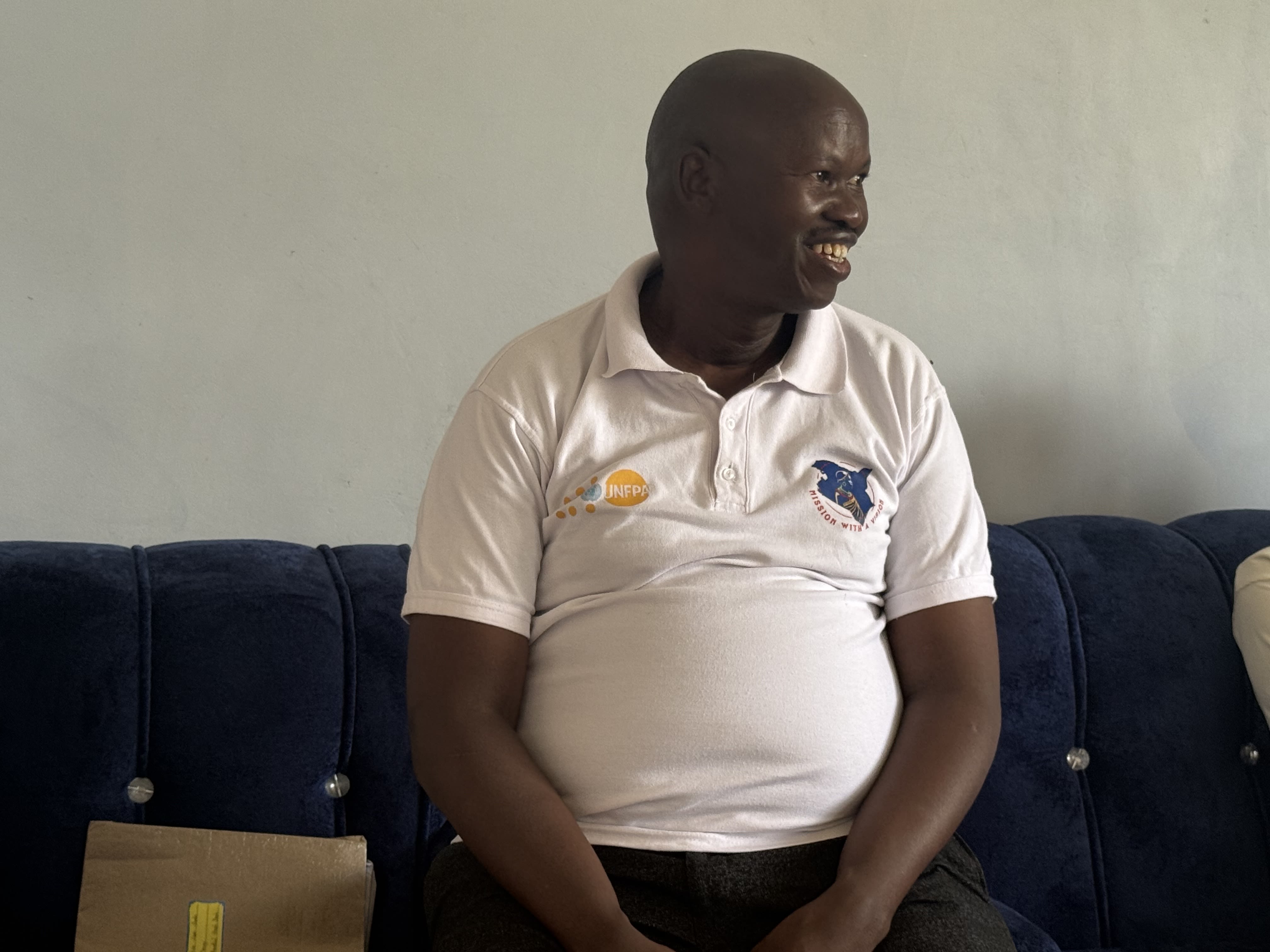
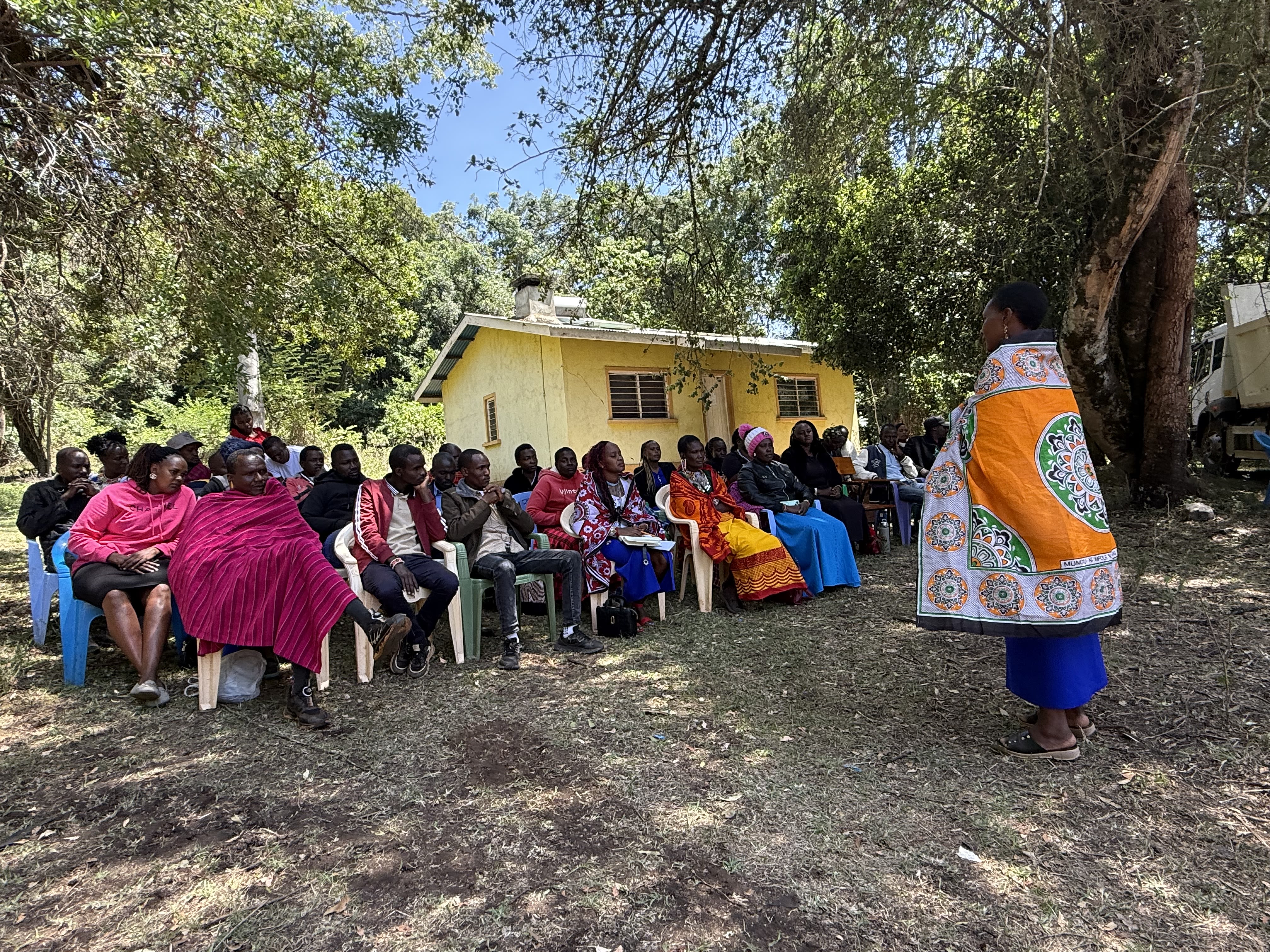
Boniface Kirema, assistant Narok county commissioner, speaks to community members in Loita about the dangers of female genital mutilation.
Boniface Kirema, assistant Narok county commissioner, speaks to community members in Loita about the dangers of female genital mutilation.
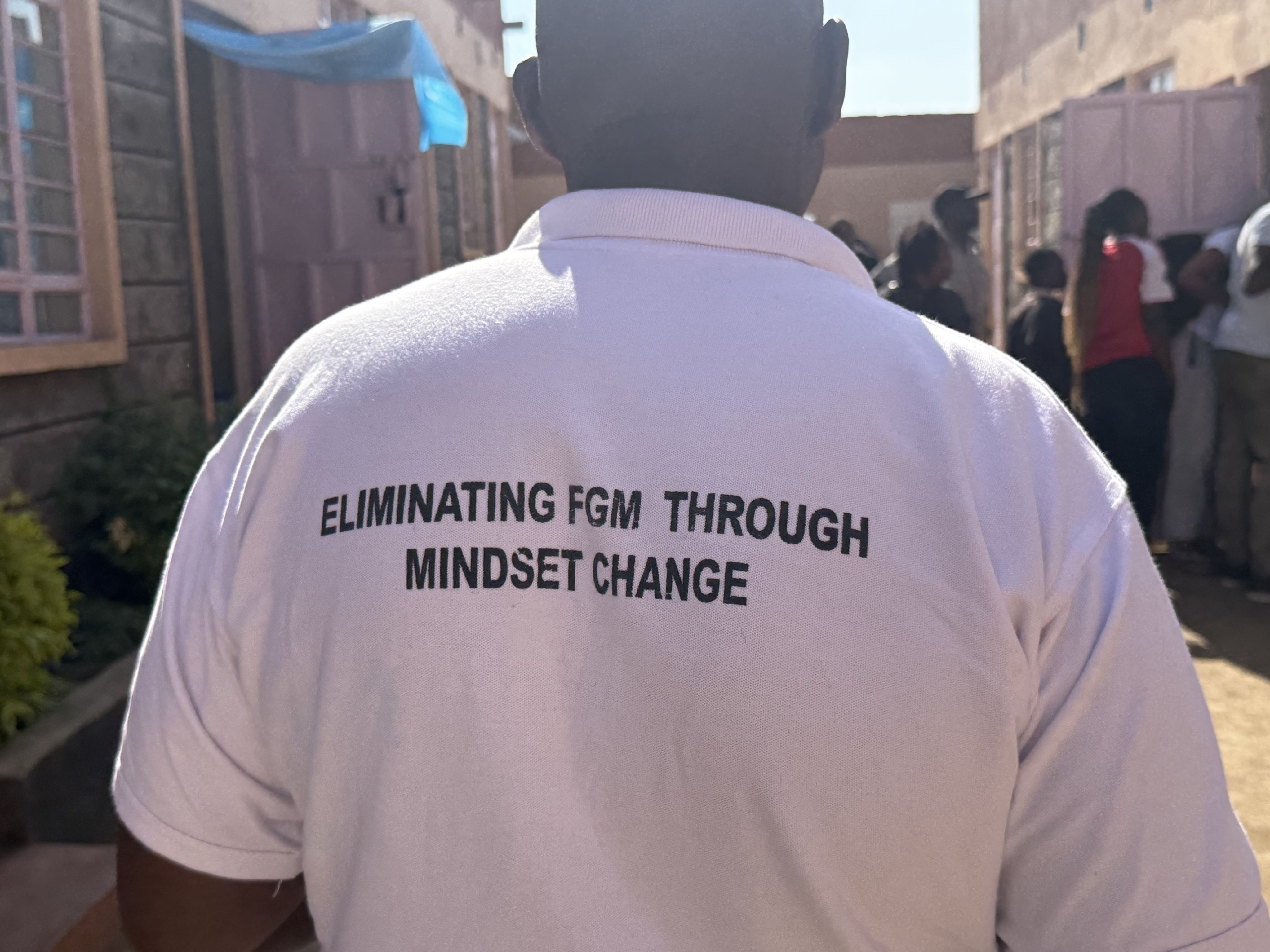
Because of this, there’s a strong belief among those working to end FGM that a slow-moving, context-specific strategy of changing mindsets is the only way it may eventually be eliminated. And because of this, there’s a trickle-down structure of government agencies and international donors that lean heavily on grassroots organizations working to change minds.
Communities need “education, education, education,” about the harms of the practice, Kirema said. “No more, no less.”

But global work to end FGM has been impacted by foreign aid cuts since much of the funding comes from development aid. The United Nations Population Fund, or UNFPA, and UNICEF have a joint program working to end the practice in 18 countries, including Kenya. It focuses on areas such as promoting girls' agency, building anti-FGM movements, and raising global awareness.
The joint program has faced a sharp reduction in resources. Its budget fell from $29.6 million in 2024 to $15.5 million in 2025, and the number of donors declined from 12 to eight, with only $5.6 million confirmed for 2026, according to UNFPA. Some of the remaining active donors include the governments of Sweden, Italy, Norway, Spain, and Luxembourg.
While the United States typically allocated $5 million annually to the program, that funding was cut last year, according to UNFPA. The United Kingdom also contributed about $1 million annually for the past three years, but that funding has also stopped.
The Trump administration has been particularly volatile toward UNFPA, among other U.N. agencies.
Kenya hoped to end FGM by 2022 — but that goal wasn’t met. The Sustainable Development Goal target is set for 2030. But there’s little optimism that even this timeline is feasible.
“The fight is far from over because we know that in some of the counties where we operate FGM is deeply ingrained in cultural traditions,” said Caroline Murgor, gender-based violence and gender adviser at UNFPA.

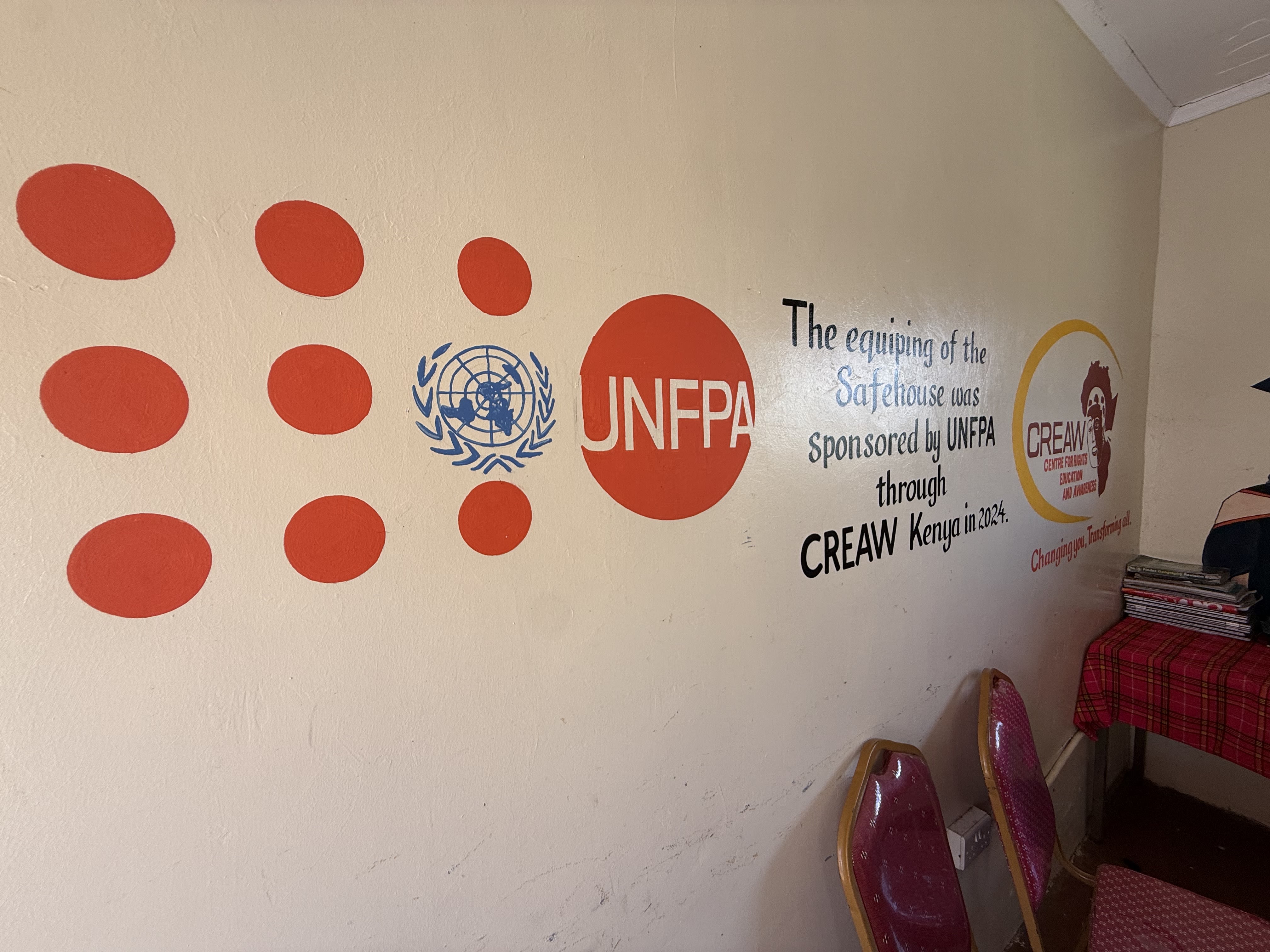
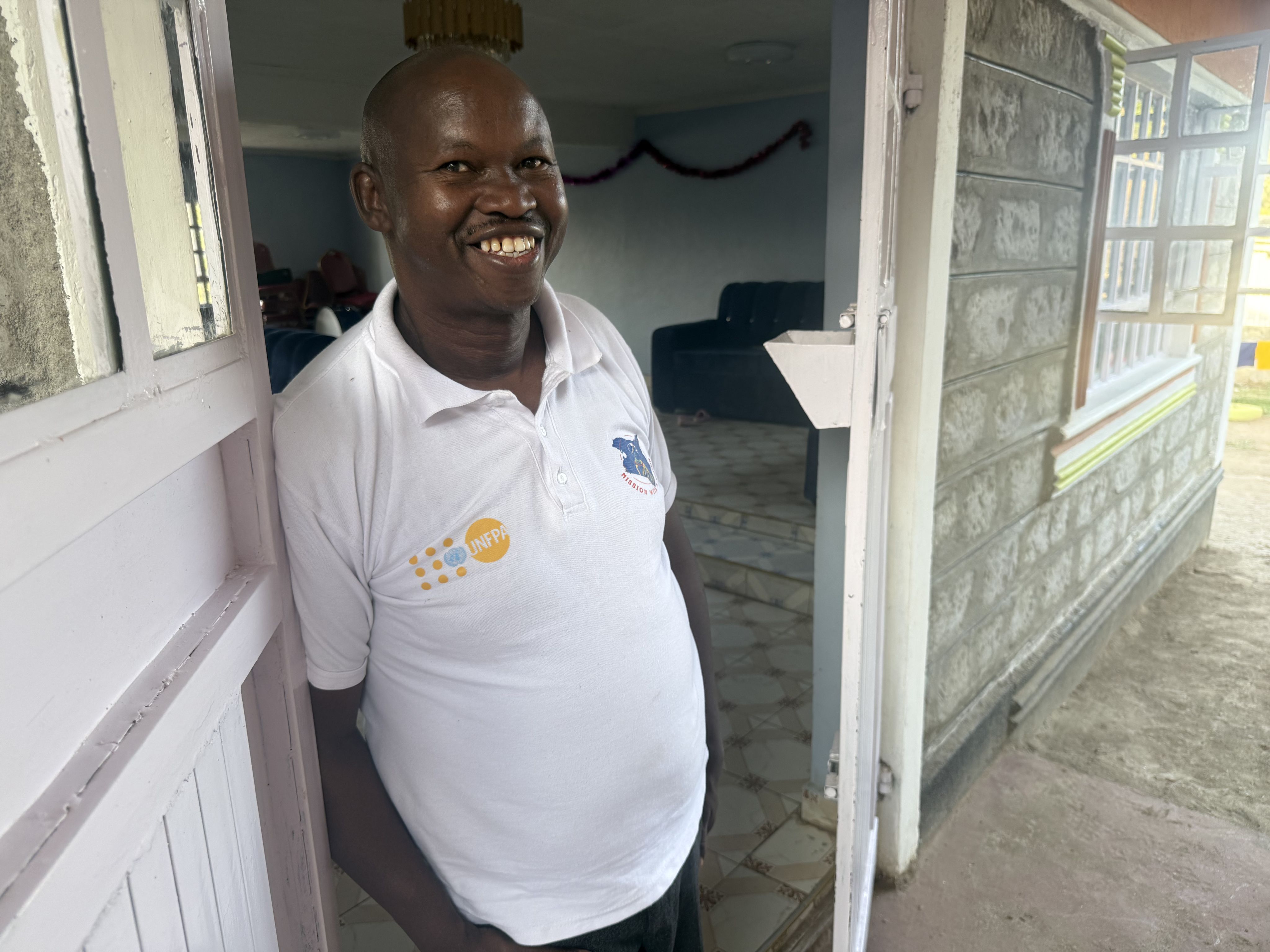
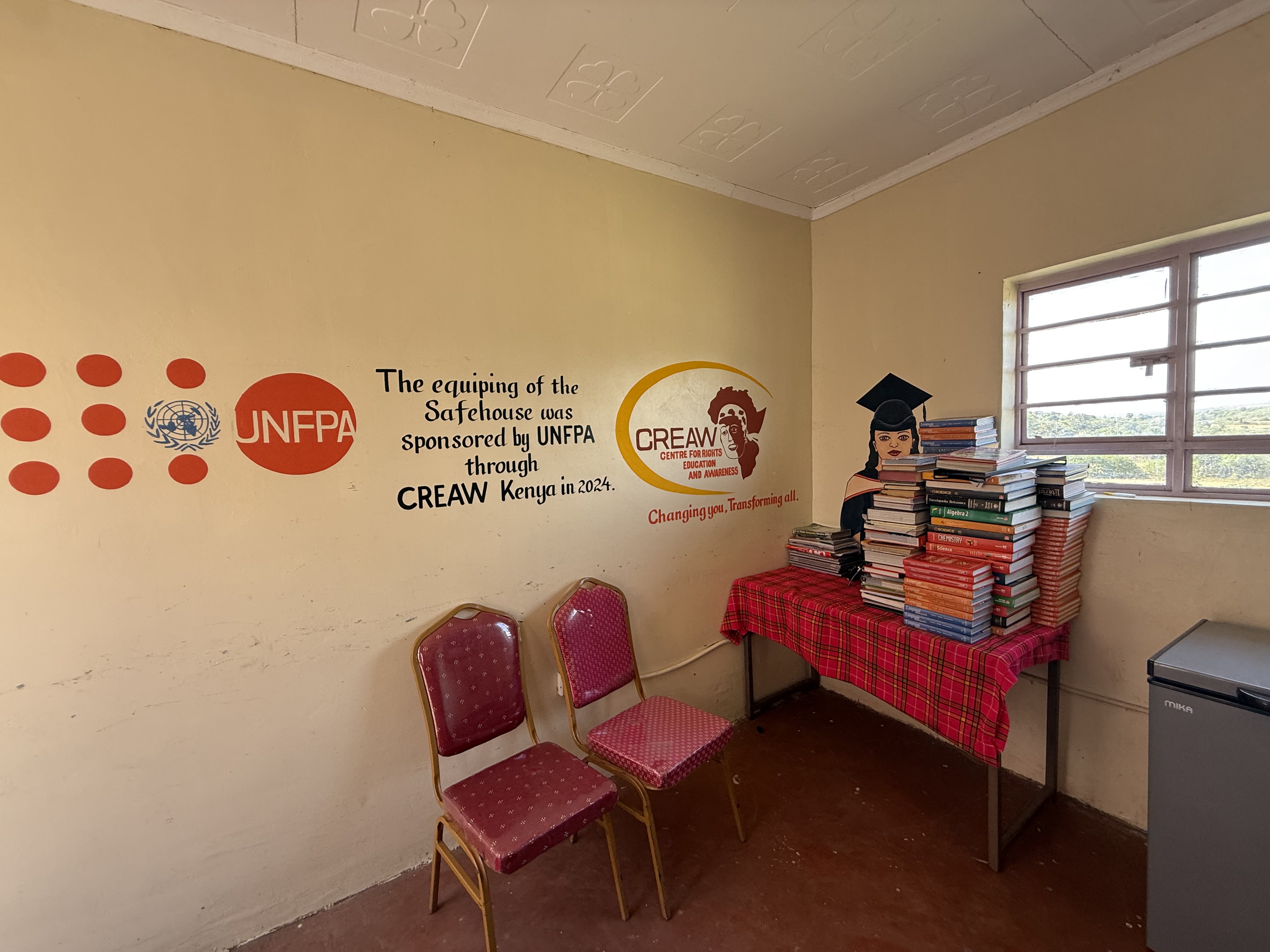
UNFPA logo at Mission with a Vision rescue house.
UNFPA logo at Mission with a Vision rescue house.
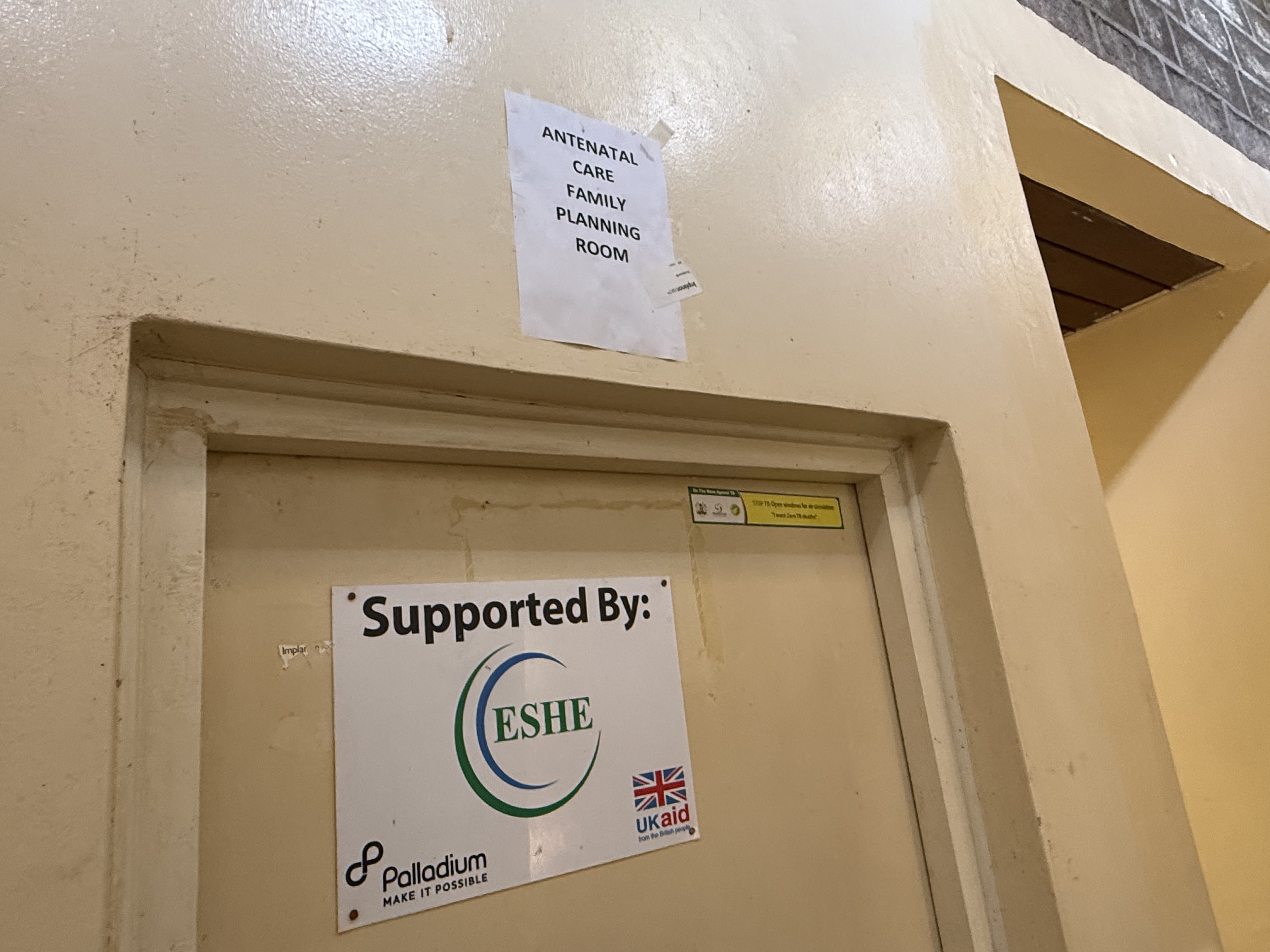
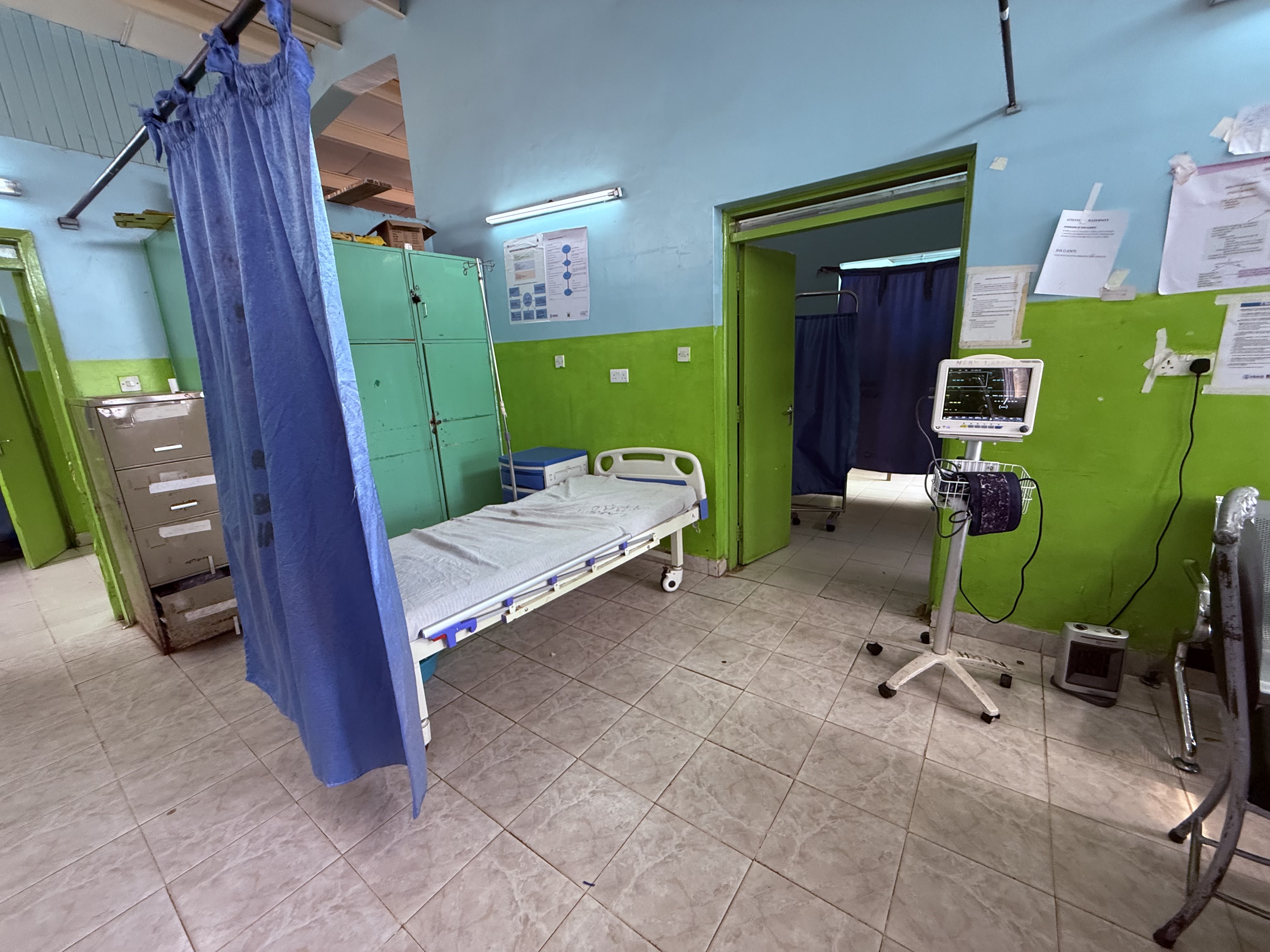
Antenatal care and family planning room at Entasekera Health Centre in Loita.
Antenatal care and family planning room at Entasekera Health Centre in Loita.
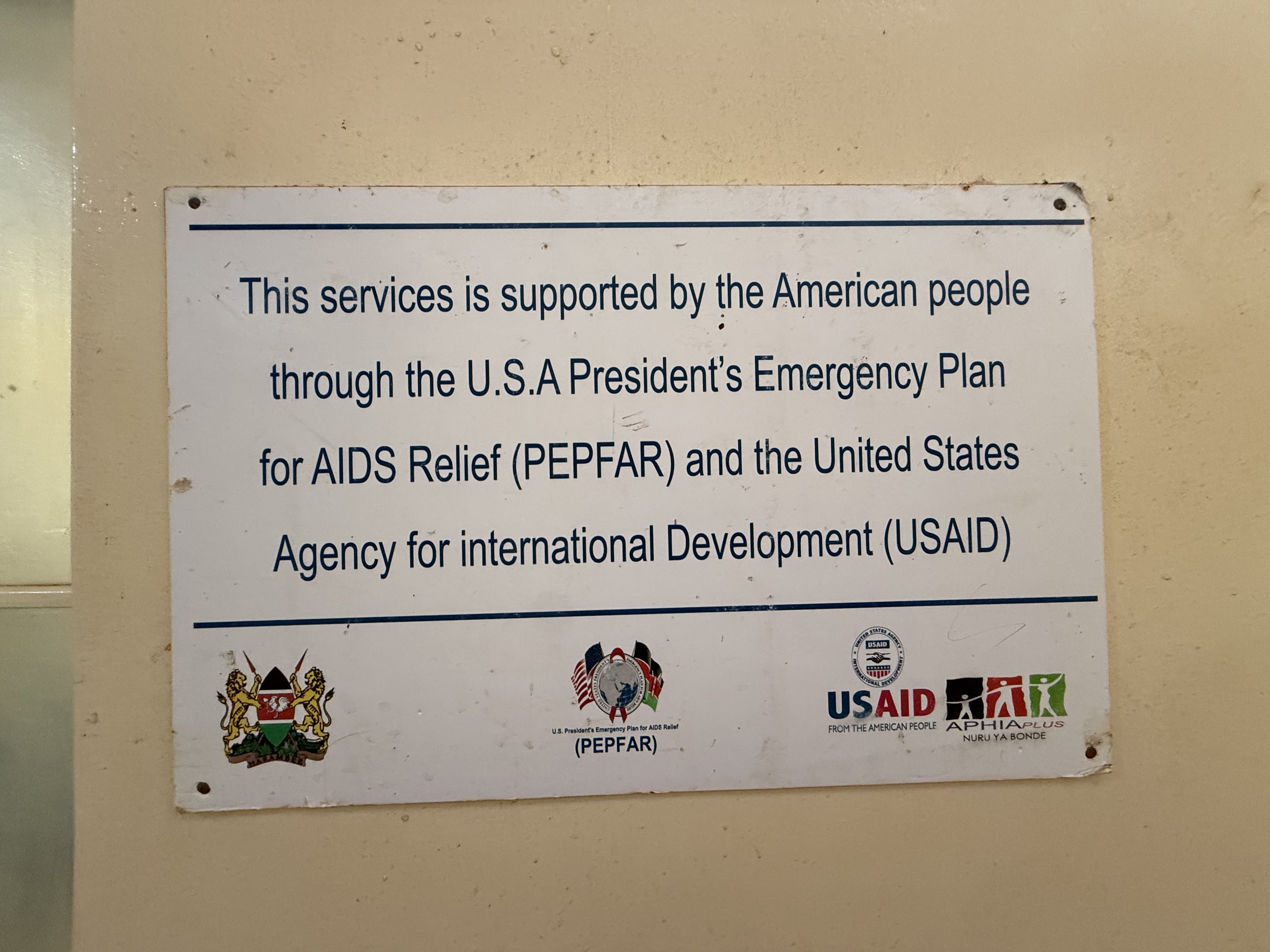
PEPFAR and USAID sign at Entasekera Health Centre in Loita.
PEPFAR and USAID sign at Entasekera Health Centre in Loita.
Running for their lives
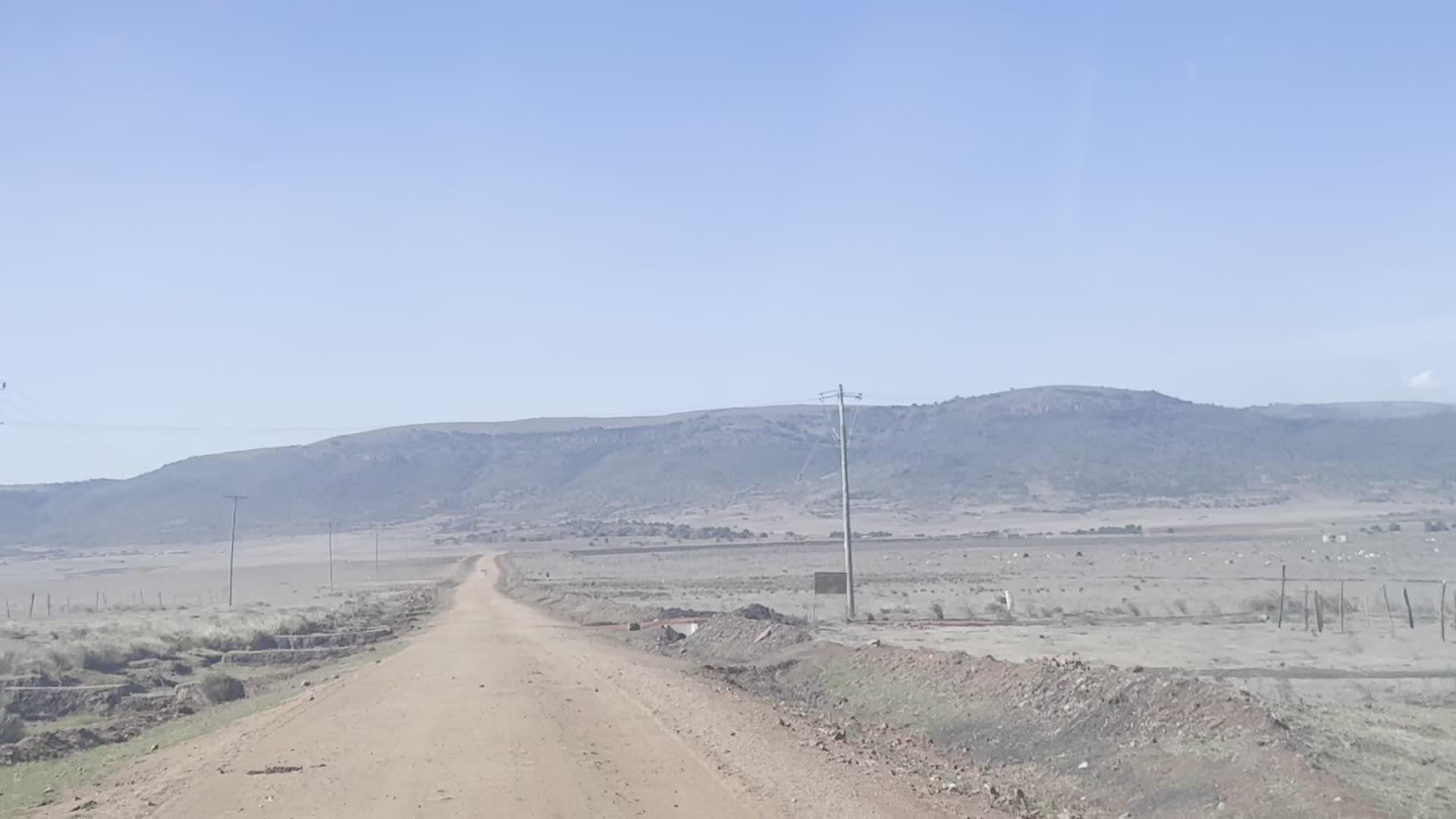

Josephine Rotiken, 10 years old at the time, was told to go outside by herself at 5 a.m. for about three hours, without anything to warm her, so the dark forest chill would numb her body. They wouldn’t be giving her painkillers before her aunt cut her.
“It was just the most horrific situation ever,” said Rotiken, who is now 34 years old. “I felt so, so, so bitter.”
There was a lot of bleeding, and the healing took time. Urinating also hurt. She couldn't sleep for two weeks.
When she was 12, a dowry was paid to her father to marry her off to a 42-year-old man.

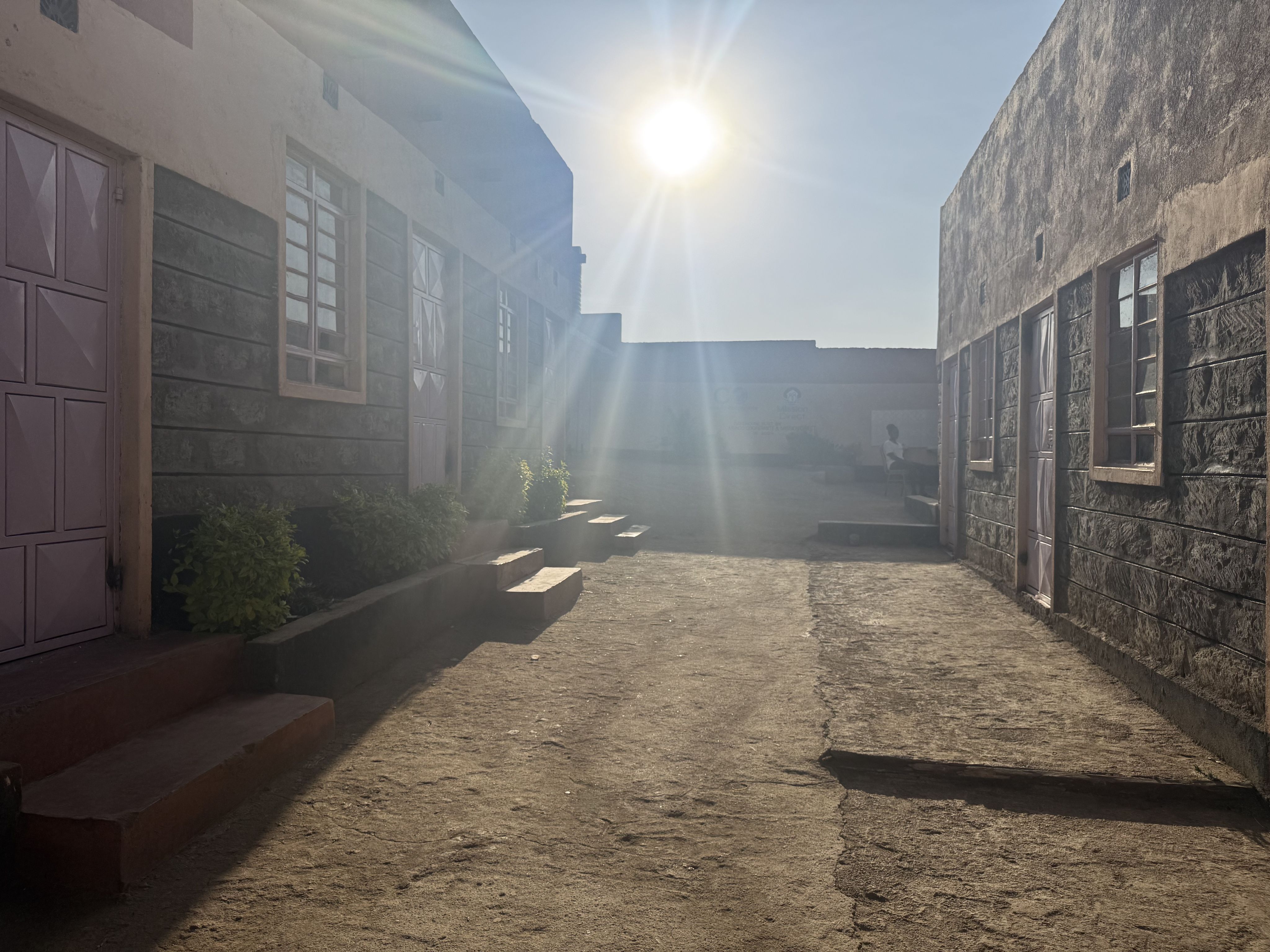
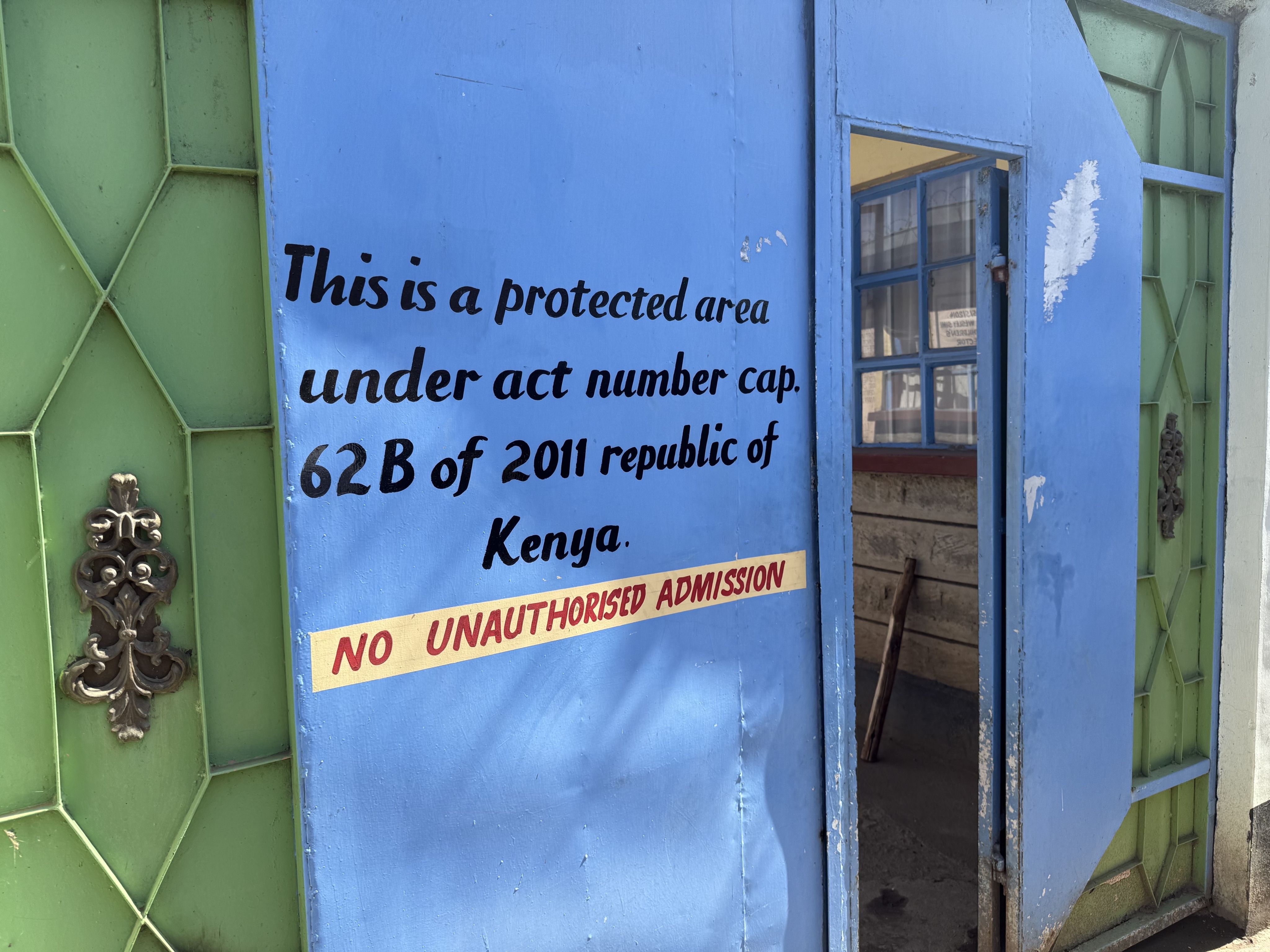
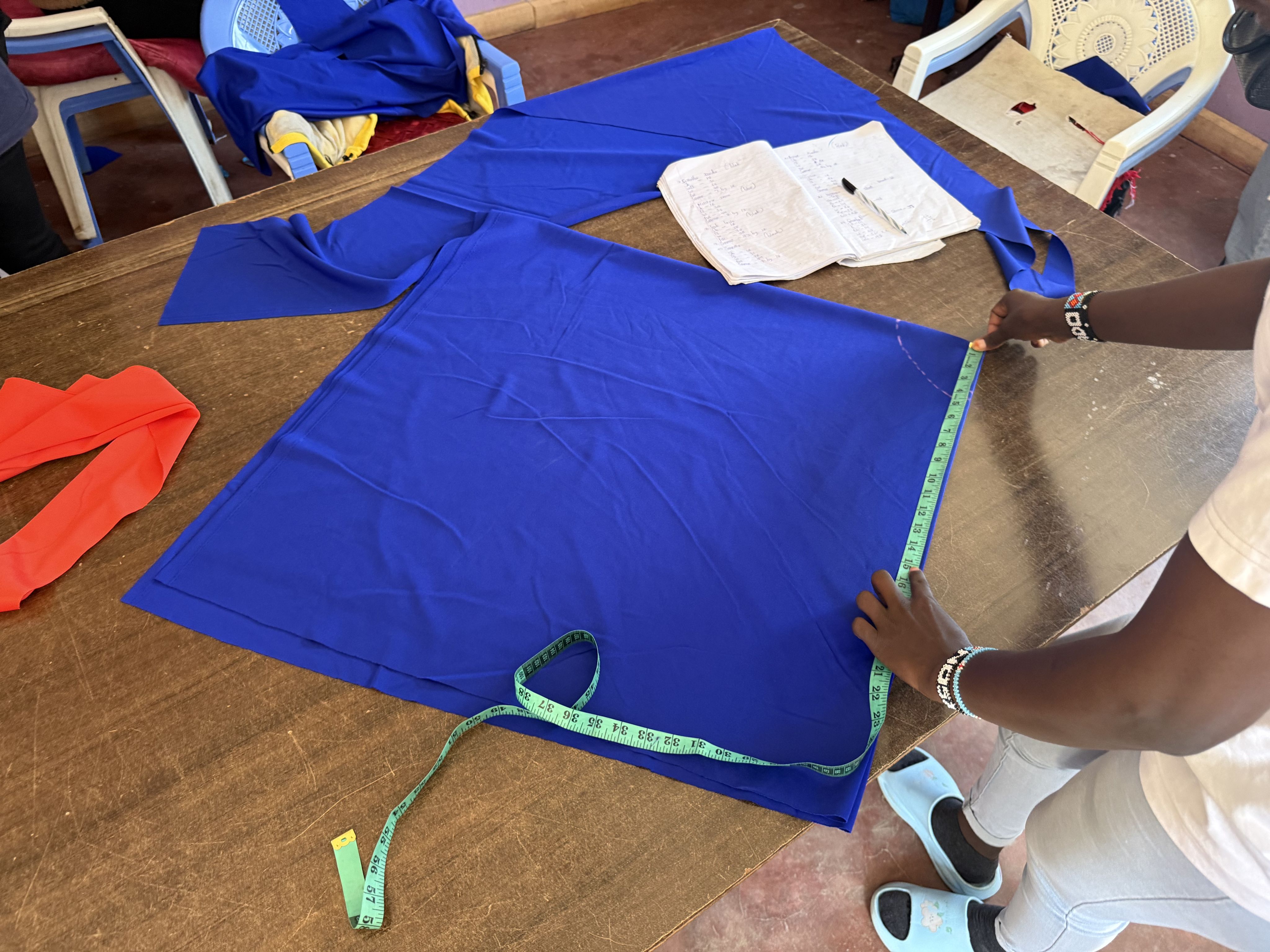
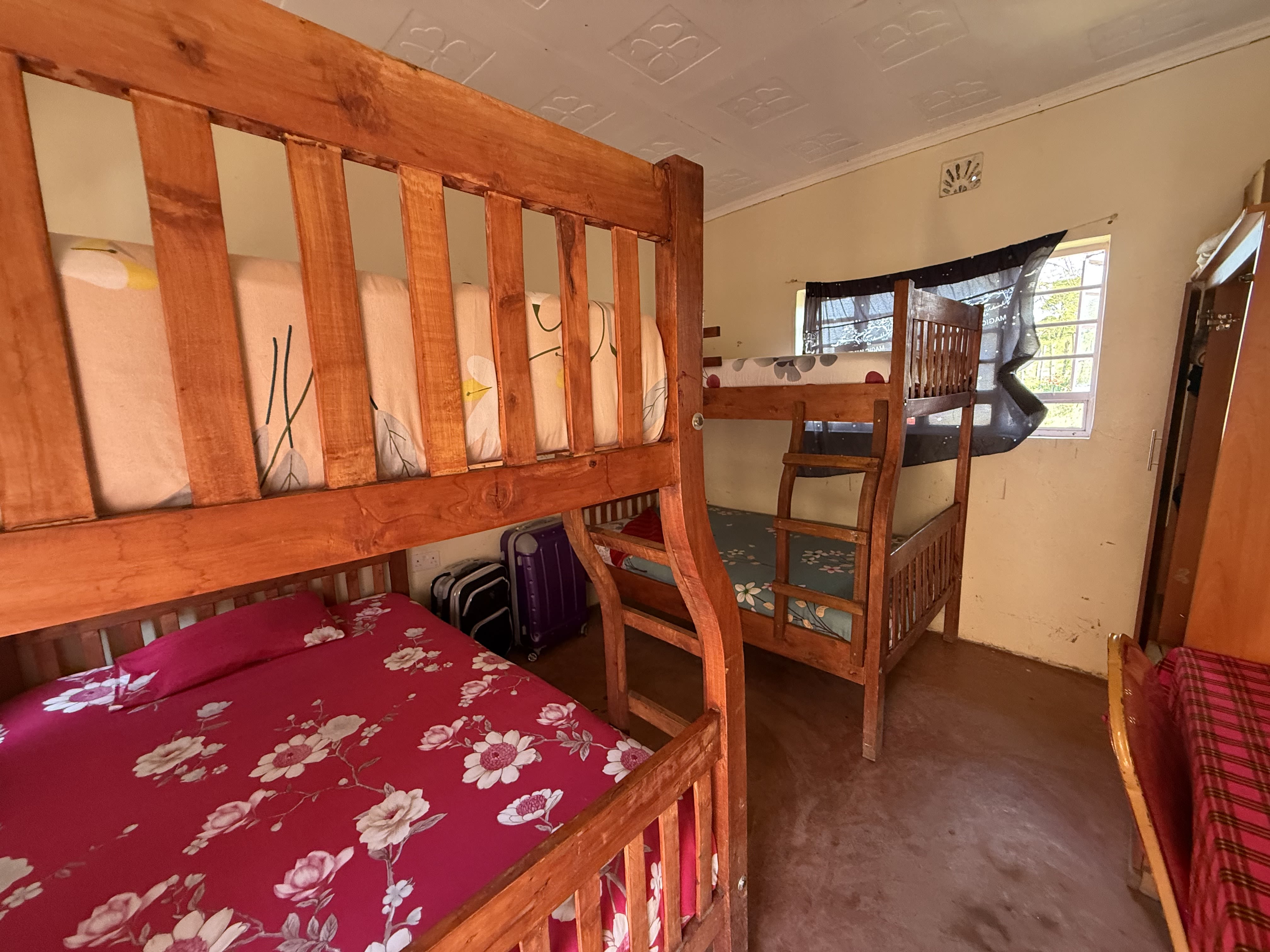
Instead, she escaped with the help of a relative and her mom to a rescue center run by Mission with a Vision, founded by Patrick Ngigi in 1997. Ngigi and his wife raise girls escaping FGM, child marriage, and other abuse. They have a center in town and an 8-acre plot in a more discreet rural area.
They have rescued some 3,000 girls. They currently house around 40 girls and have never turned one away.

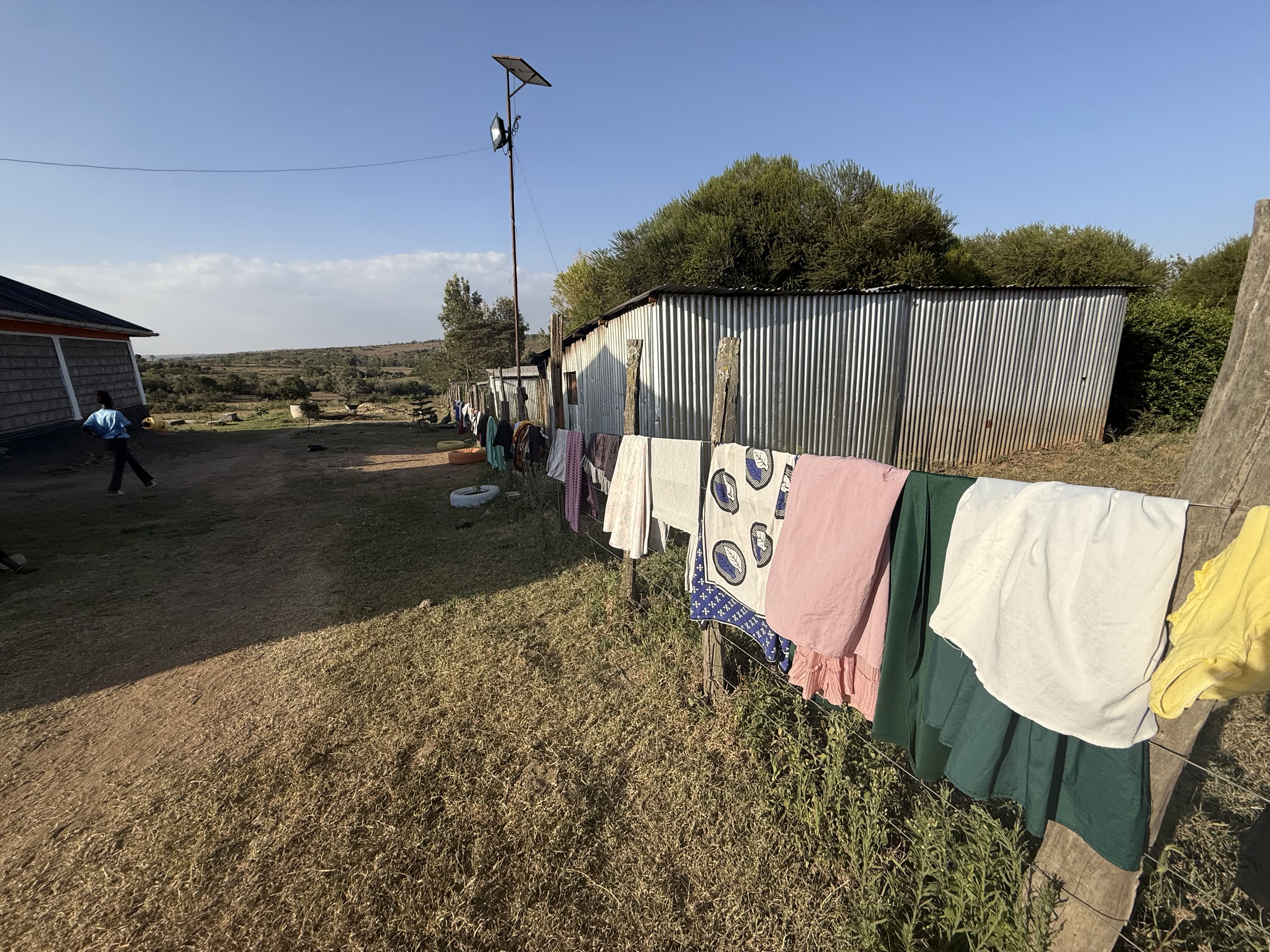

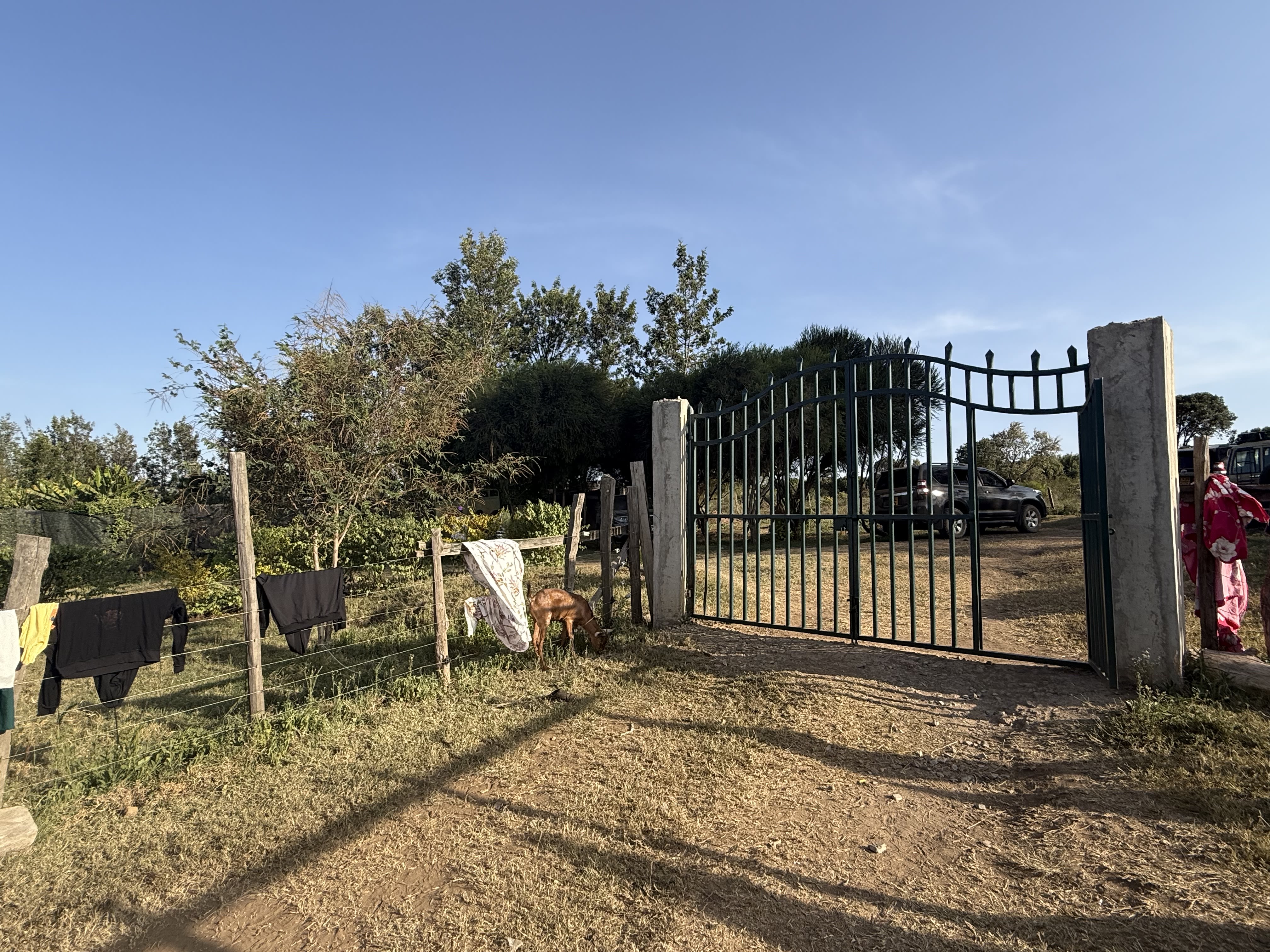

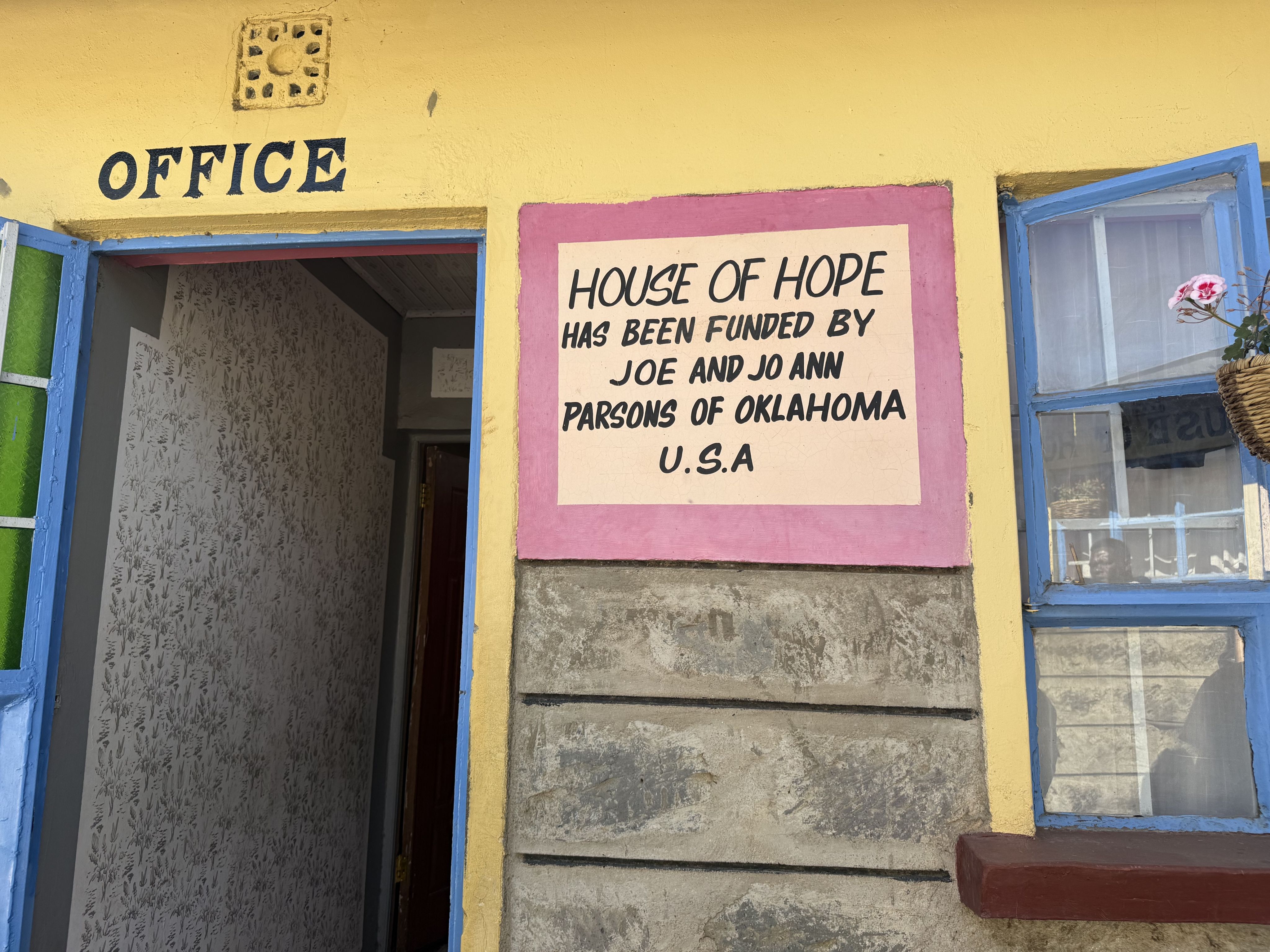


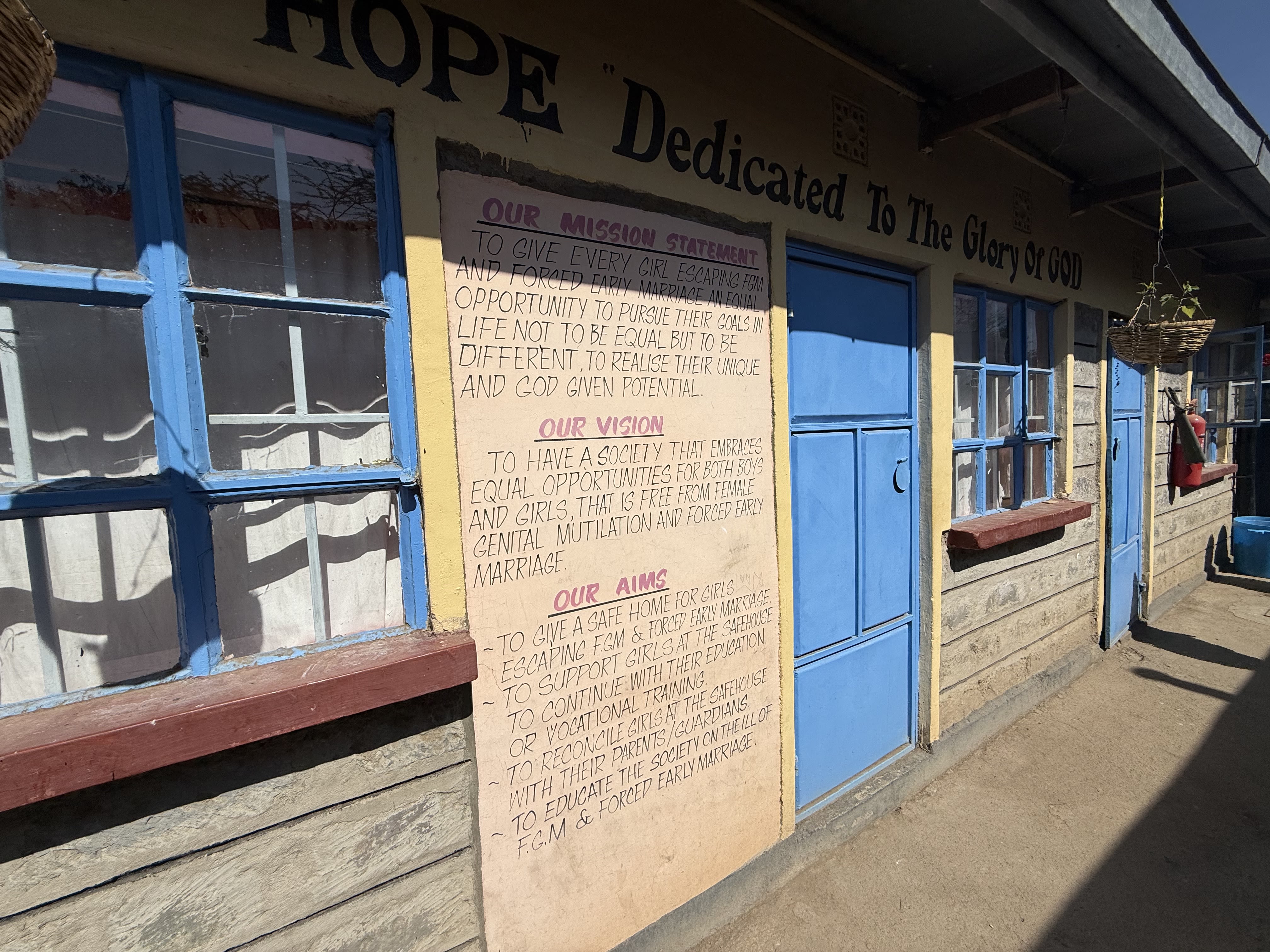

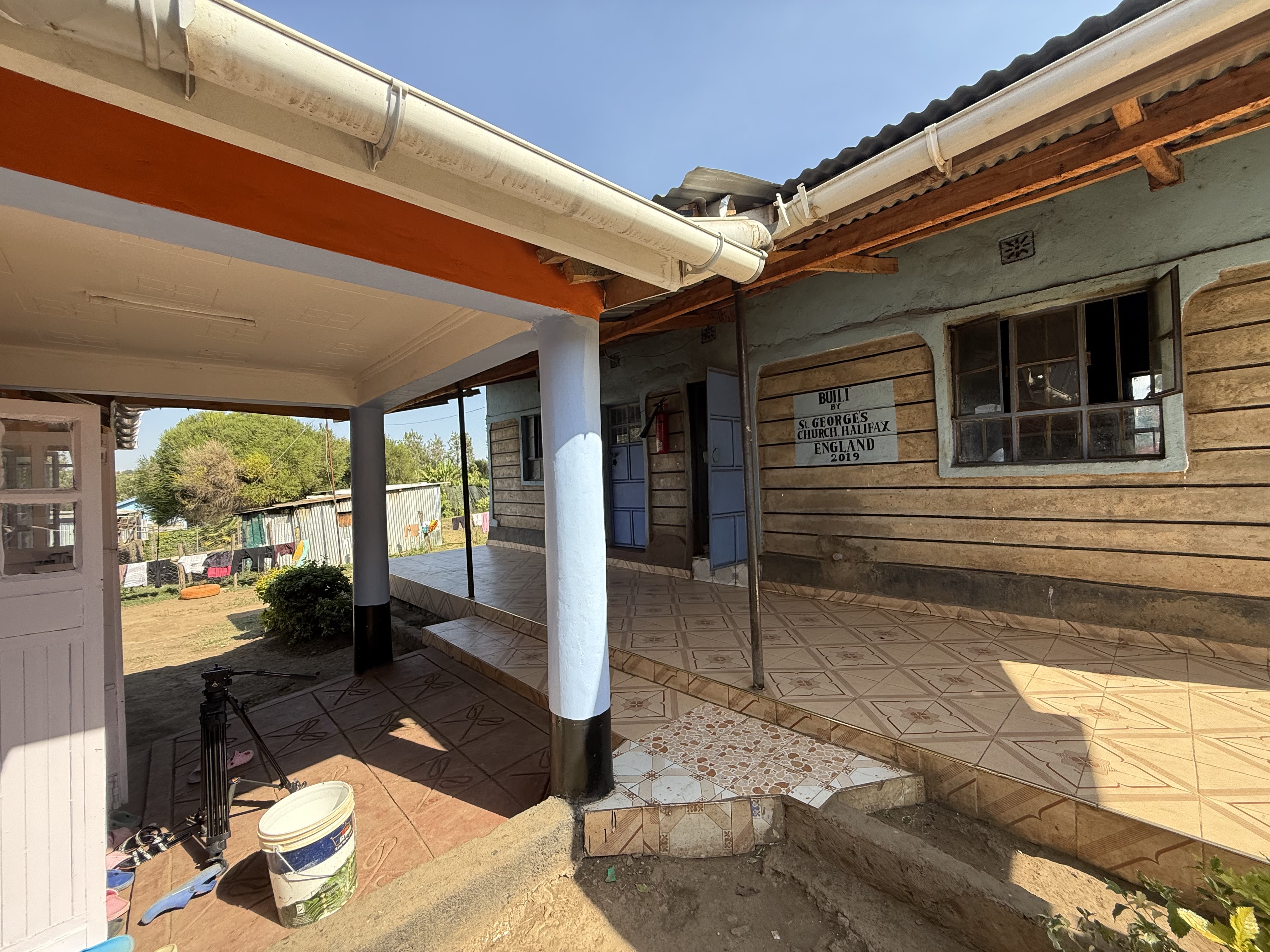

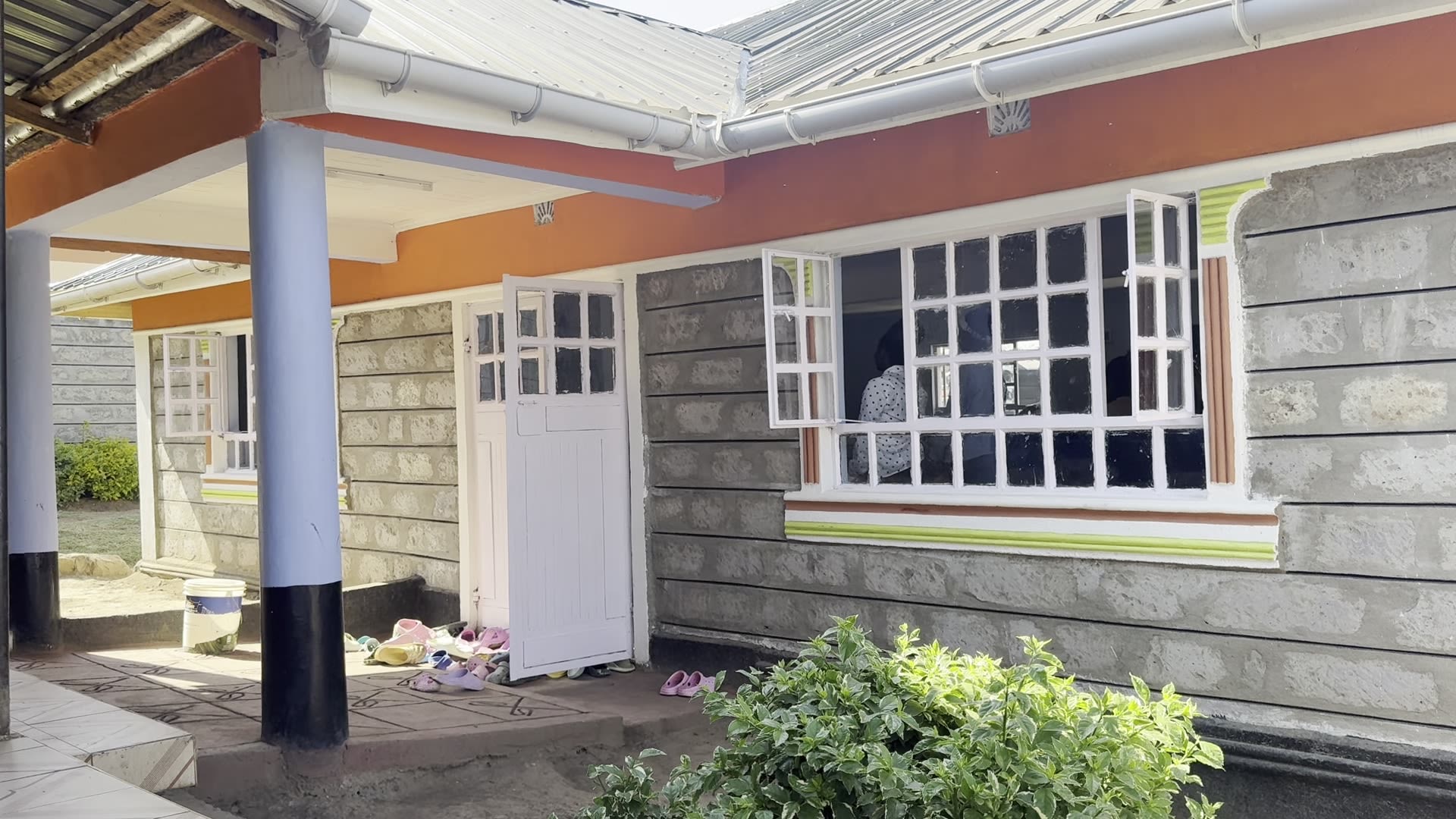

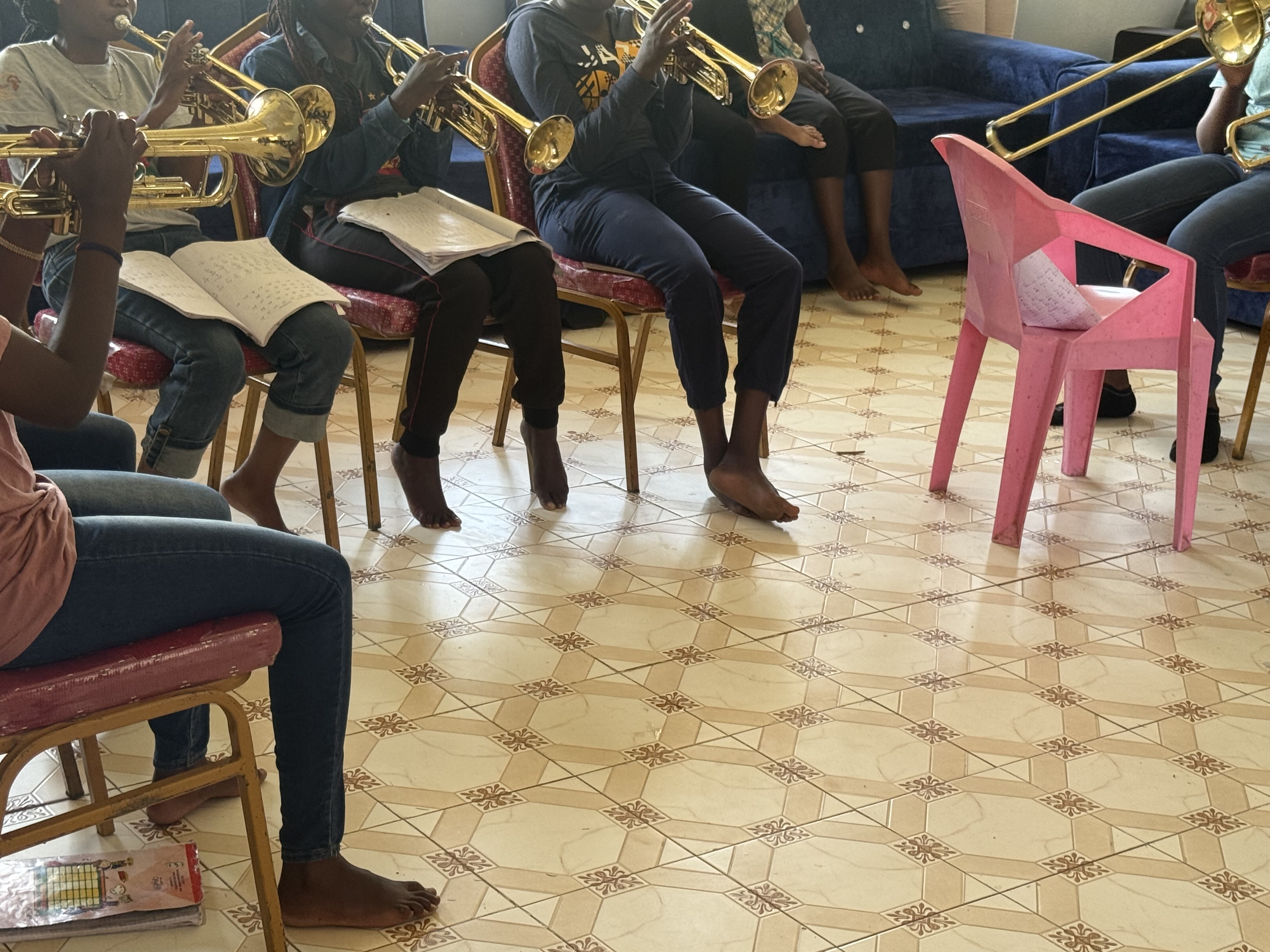




One of the teenagers staying there, 18-year-old Martha, underwent FGM at 10 years old. She was forcibly put on a motorbike at 15 years old and driven for three hours to the home of a man she didn’t know. He was introduced as her husband and he raped her. After three weeks, she escaped to Mission with a Vision. There she found out she was pregnant.
Another teenager, Grace, was 9 years old when she escaped forced marriage.
“There are a lot of sad stories here,” Ngigi said, while walking through the halls.
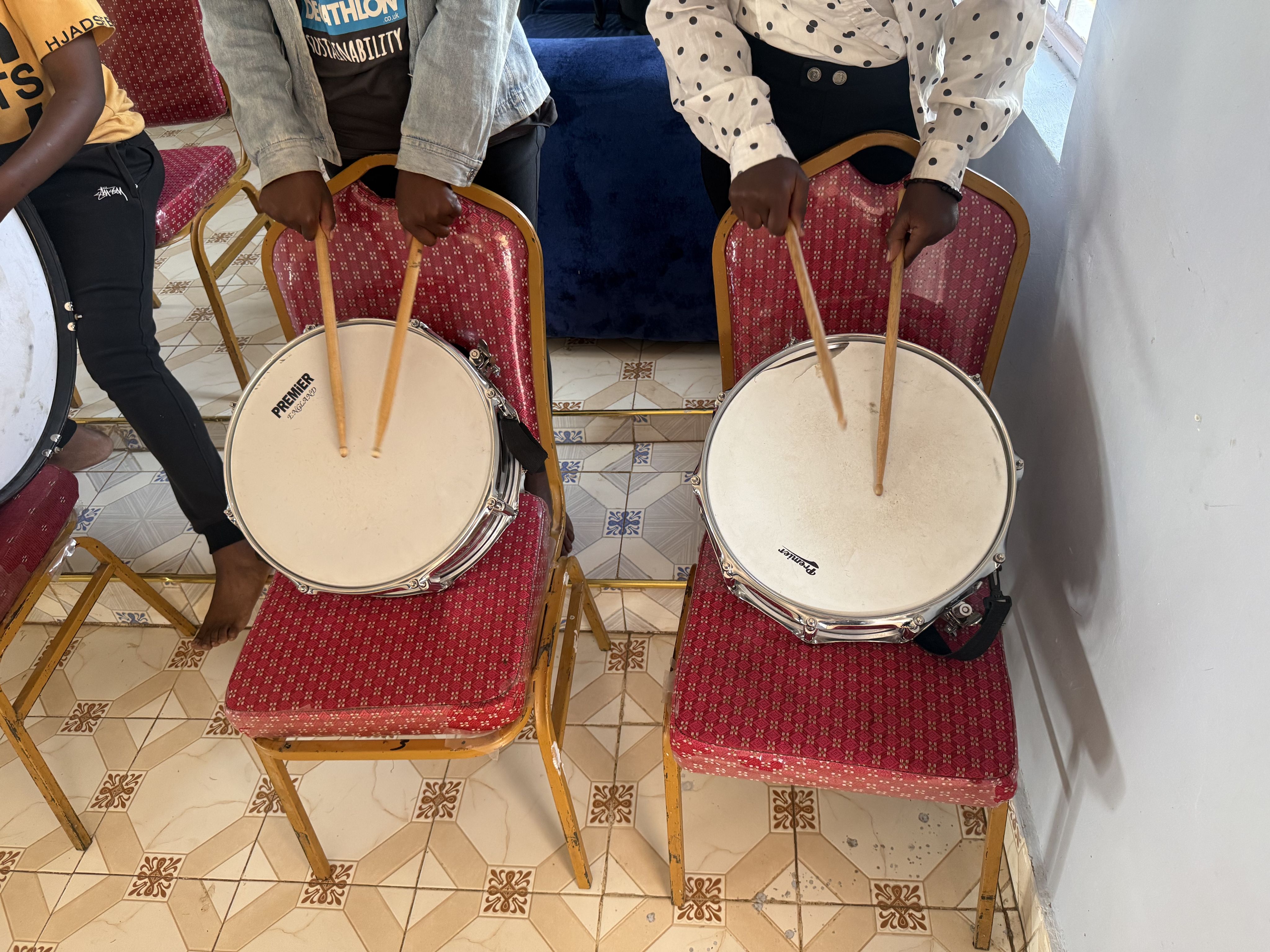
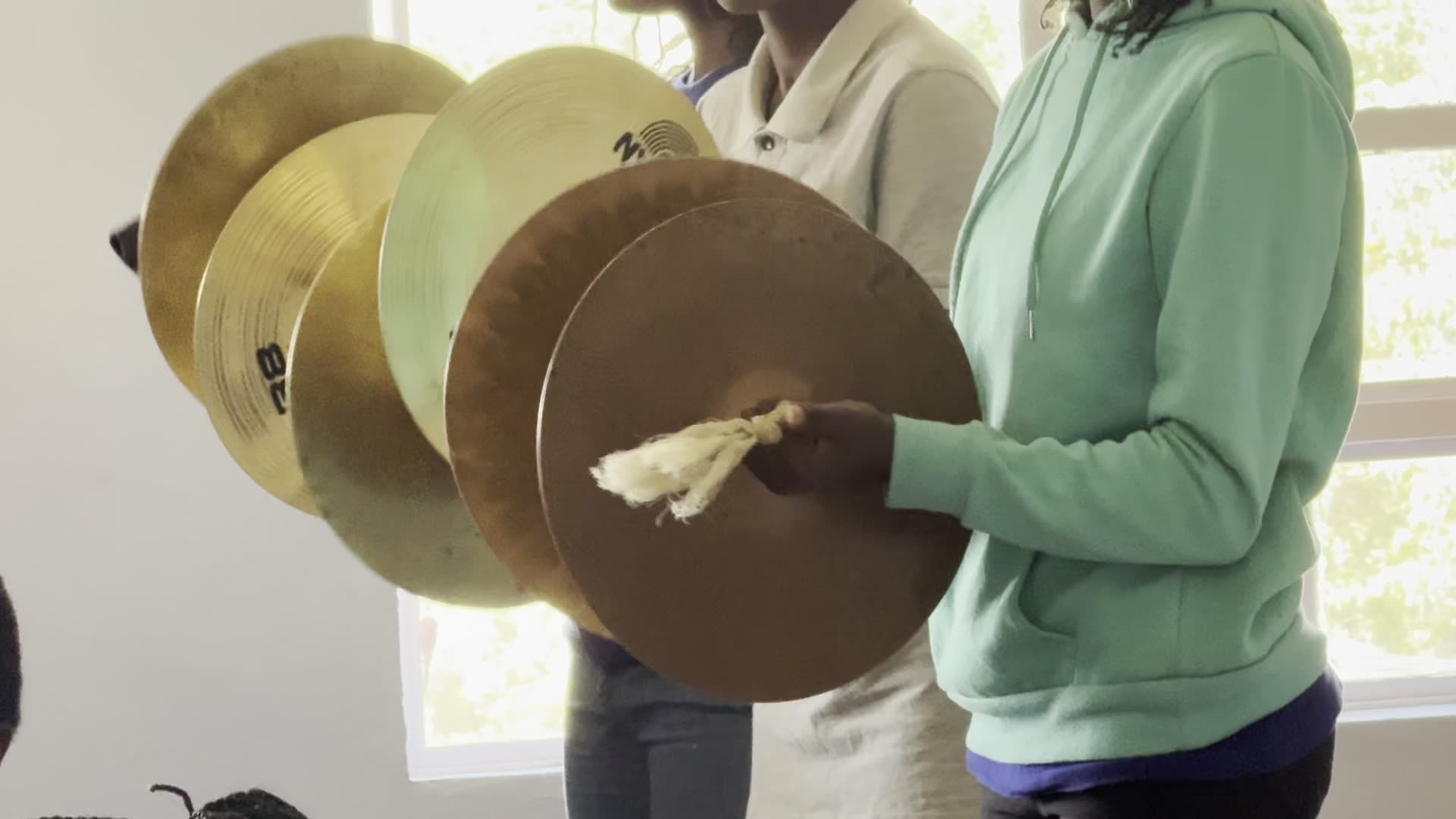
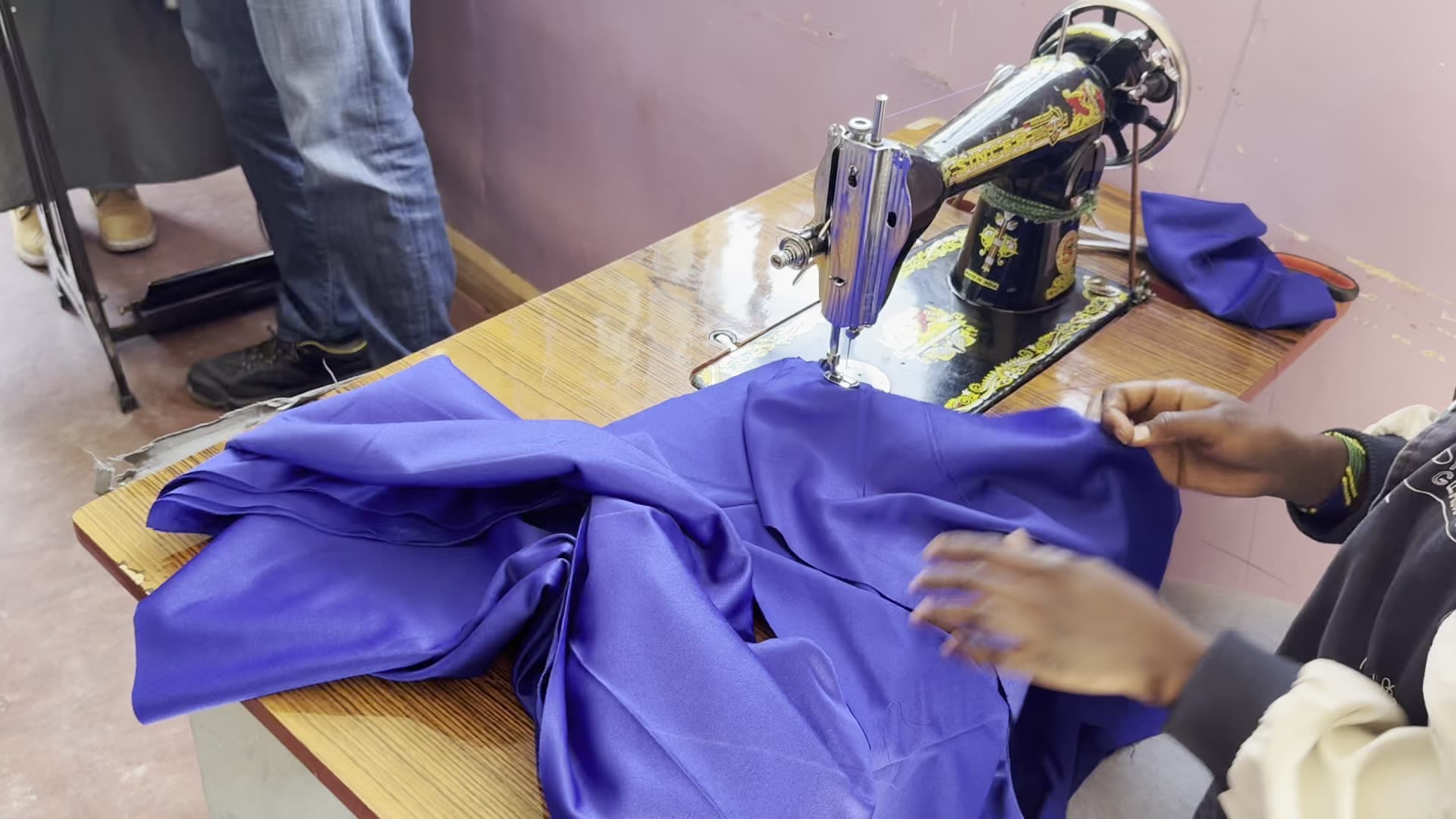
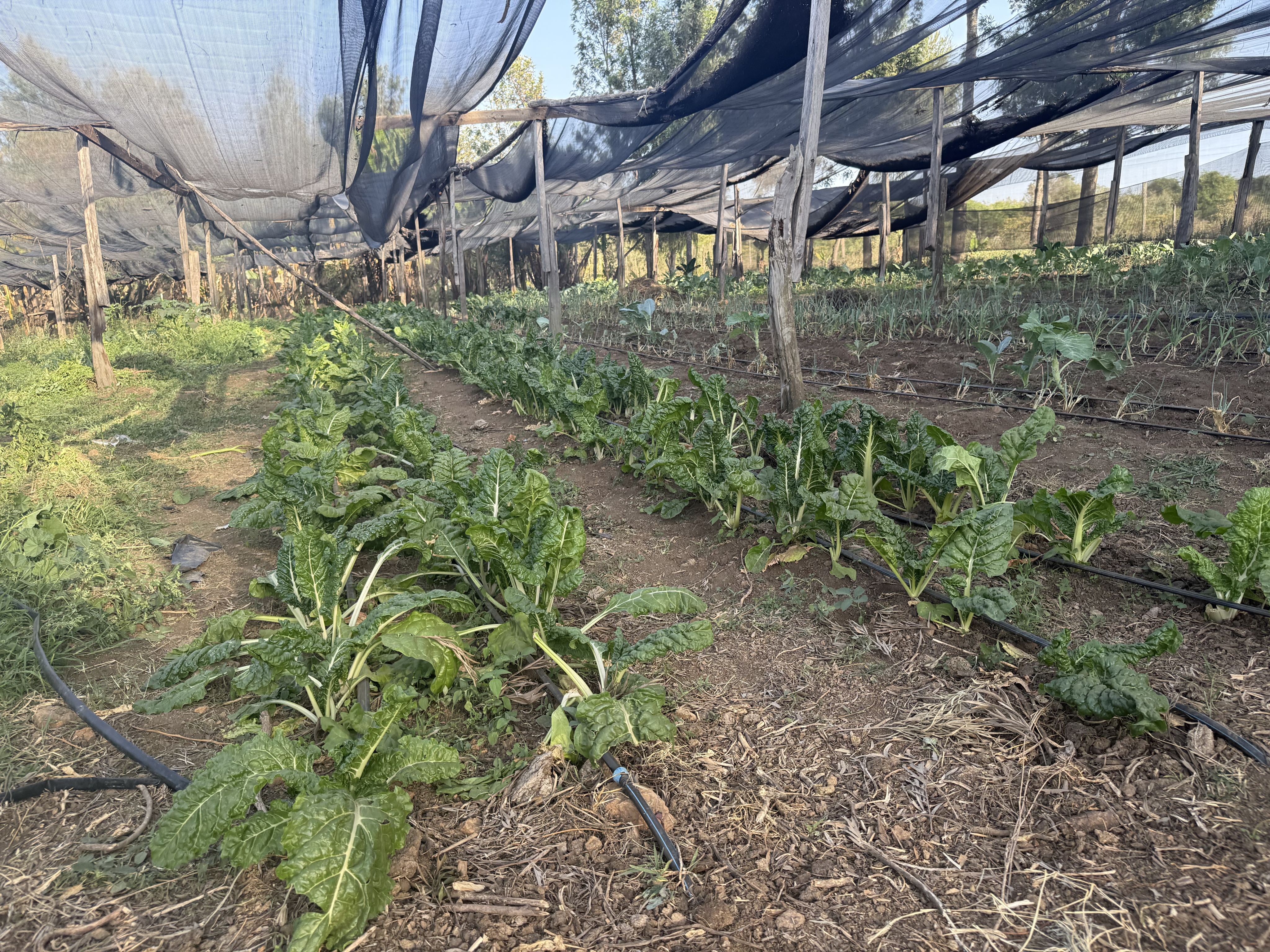
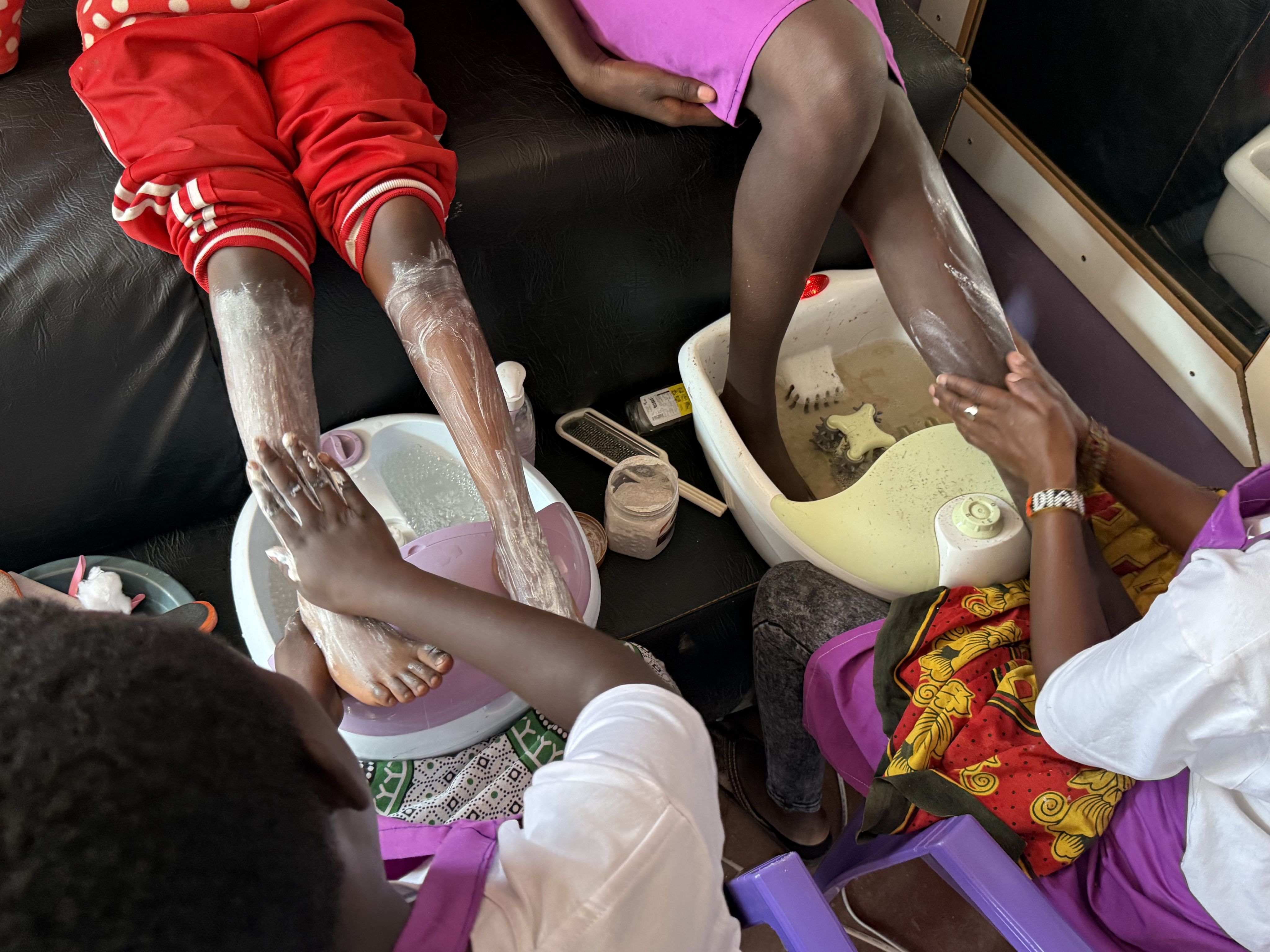
At the centers, girls learn to play musical instruments, cook, and other skills such as hair dressing and sewing. They farm in the greenhouse. They also get psychological support and the older ones mentor the younger. Ngigi also connects them with individuals willing to sponsor them through boarding school and university.
Ngigi grew up with an abusive father. “My father was the kind of father who drinks and everybody, including the dog, has to hide,” he said. “I try very much to give them a different situation.”
The girls refer to him as “baba” — father in Swahili. “He’s been the best dad ever — supporting me, spiritually, financially, emotionally,” Rotiken said.
It’s a legal process for them to be taken away from their parents to the rescue center and it’s risky work for Ngigi.
“My life is almost always at risk because you make so many enemies when you’re doing this,” he said. “So many people want to hack your head.”
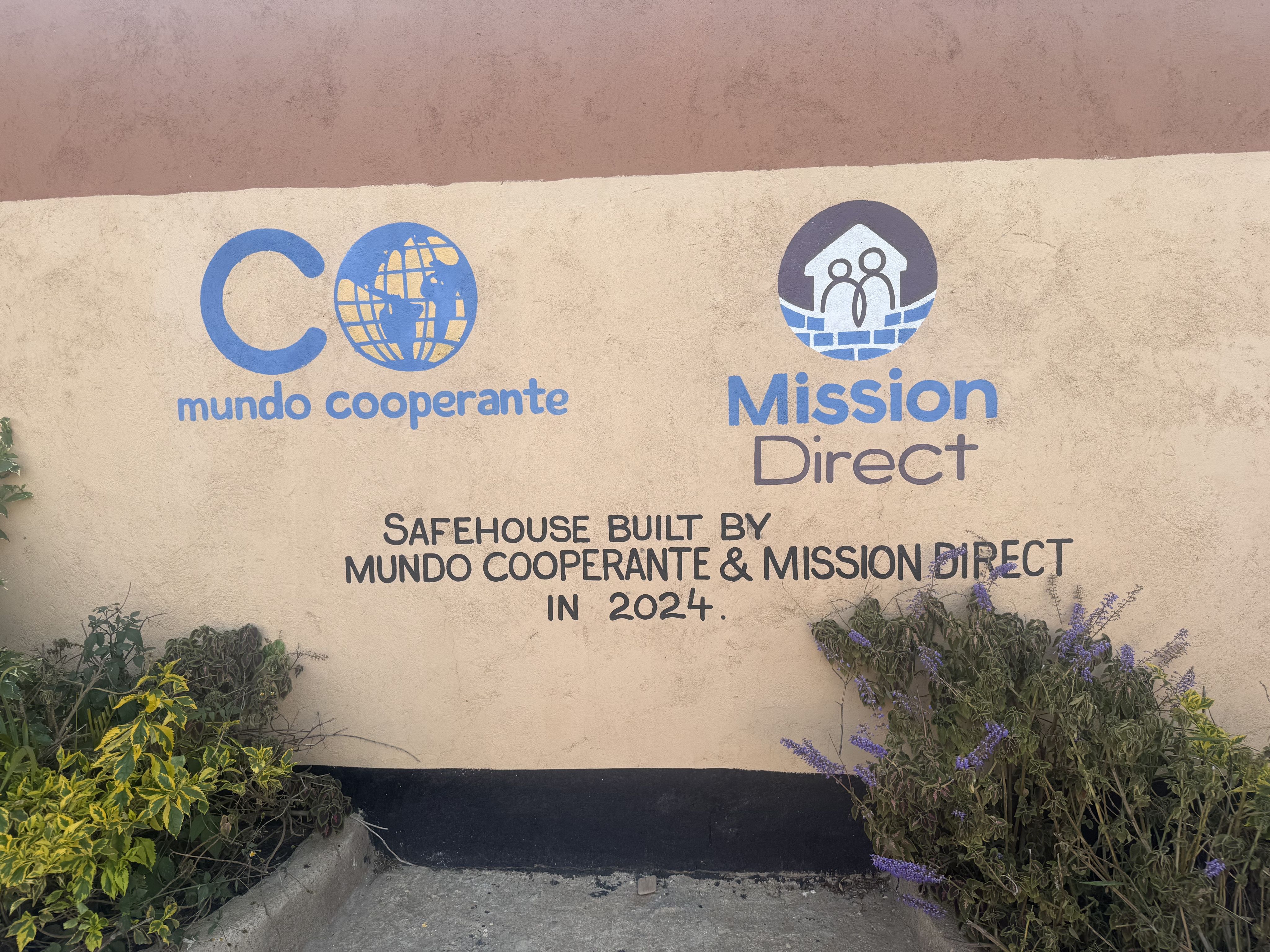
Cameras and red panic buttons are installed around the compound in case aggressive parents enter, looking for their child.
In 2002, about 50 elders came together to curse Ngigi and a pastor he worked with. They performed a traditional curse, where they threw up grass, which moved with the wind, and said: “Those two men will go down with the sun.”
“It became a psychological problem for [the pastor], and he had a stroke,” Ngigi said. “When he died, these guys really celebrated … they drank so much celebrating that they had one down, one to go.”
But still, Ngigi said, “slowly, slowly, bit by bit, we are winning the battle.”

The girls who escape to the rescue centers — and those who assist them — also pay a heavy price.
Rotiken said her mother went “through hell” in her absence — beaten by her father who was angry because he had to repay the dowry. Rotiken also helped her younger sister escape. She blames the endless stress for her mother’s death in 2019 from high blood pressure.

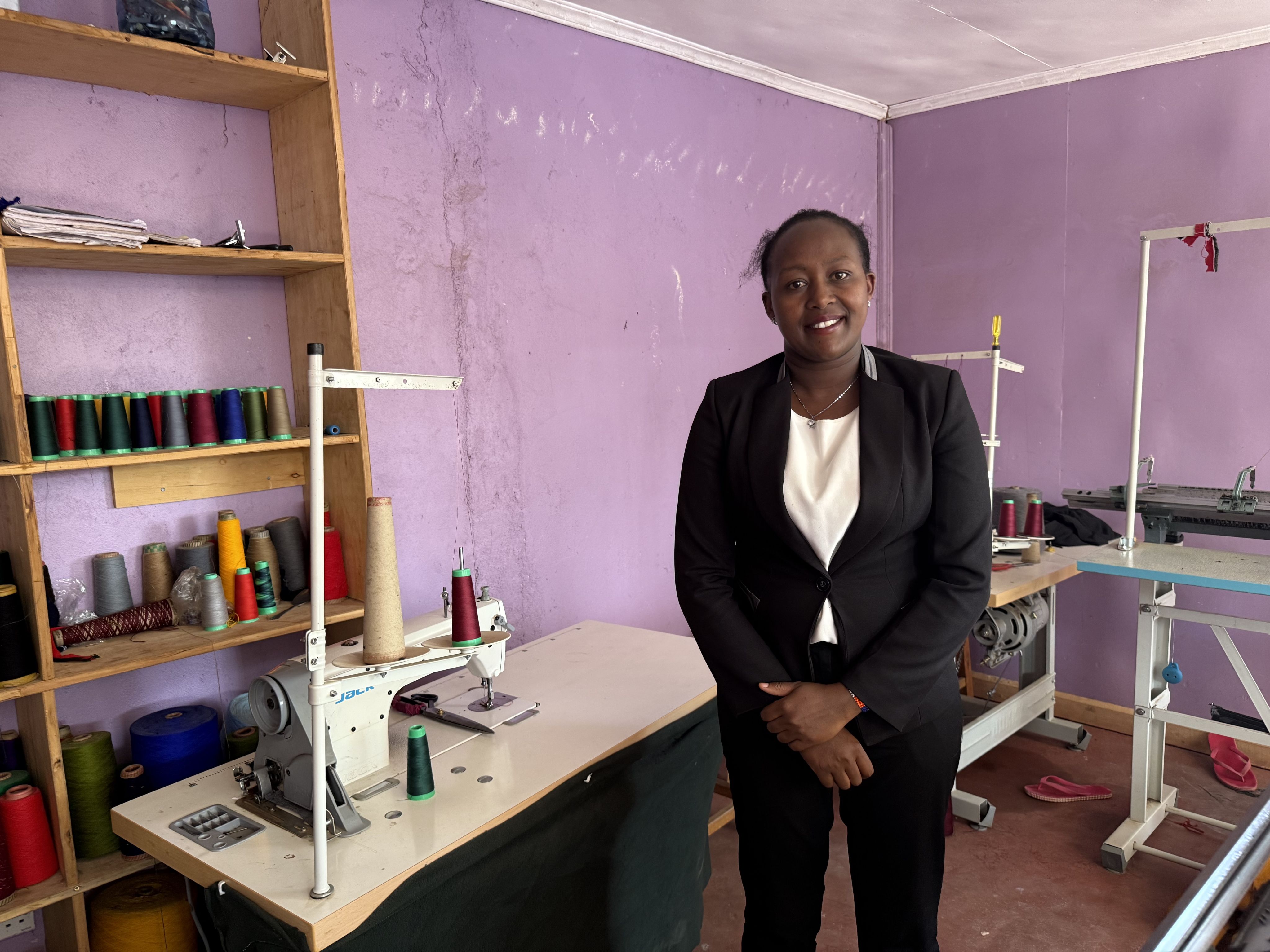

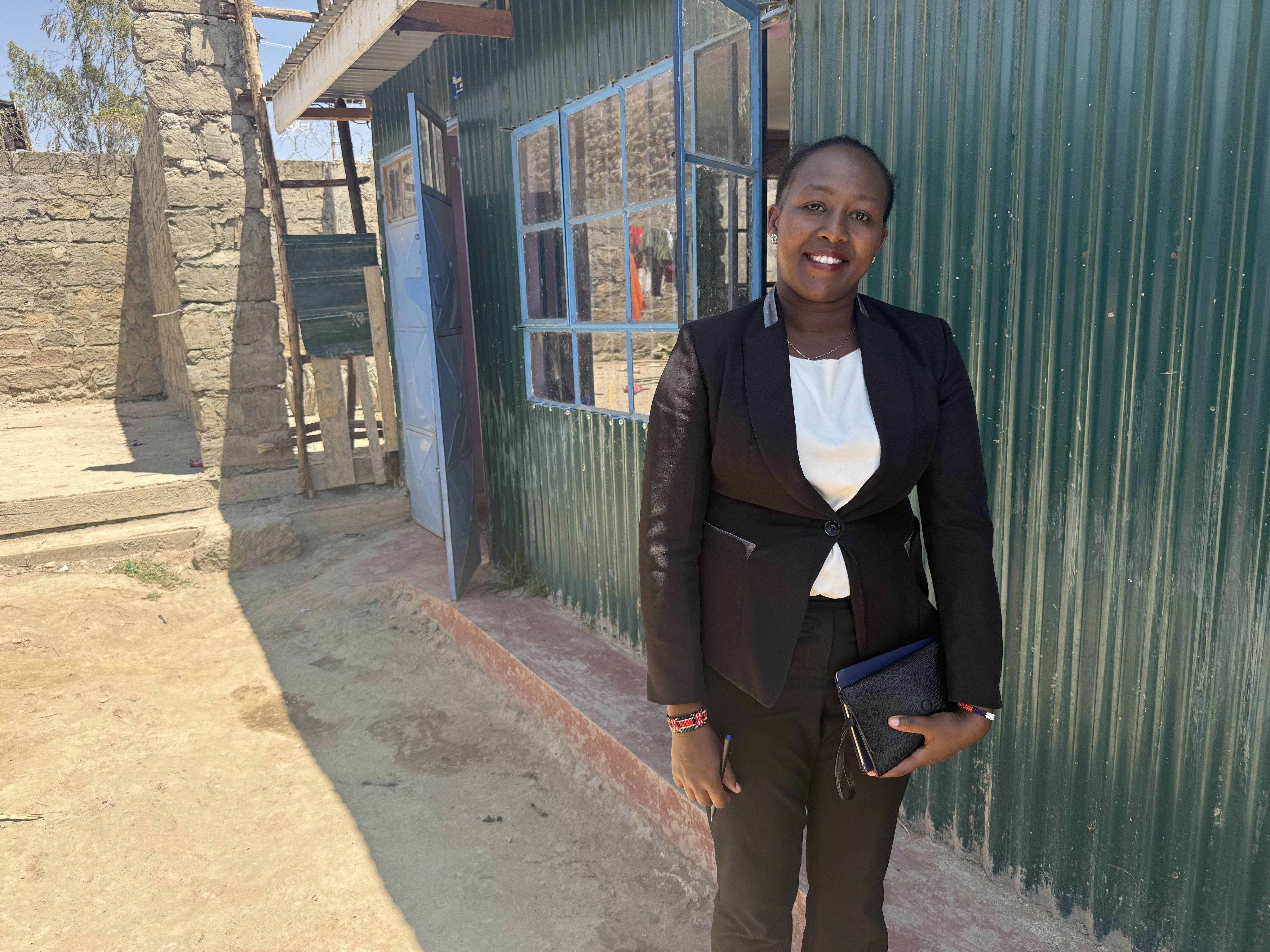

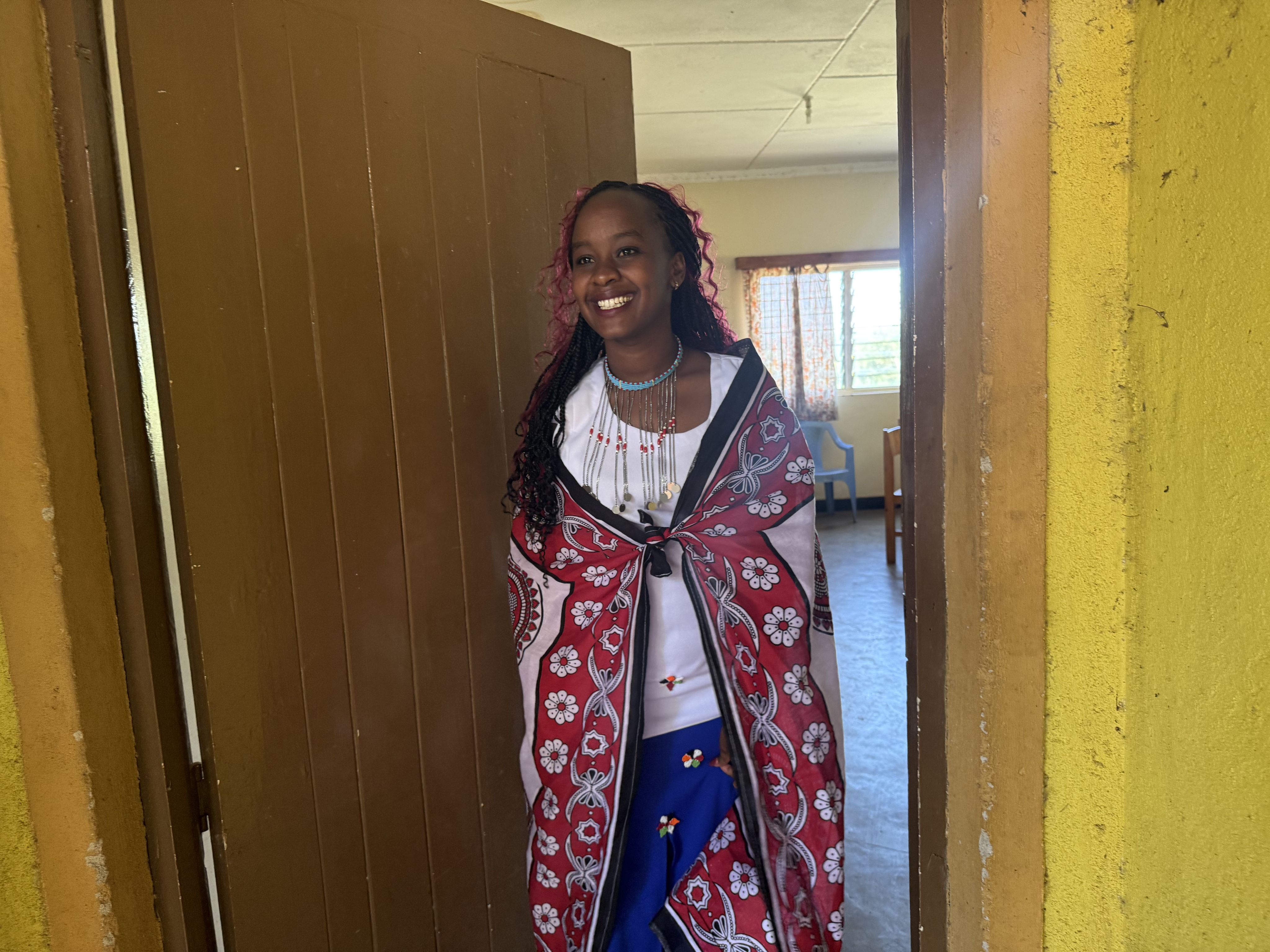

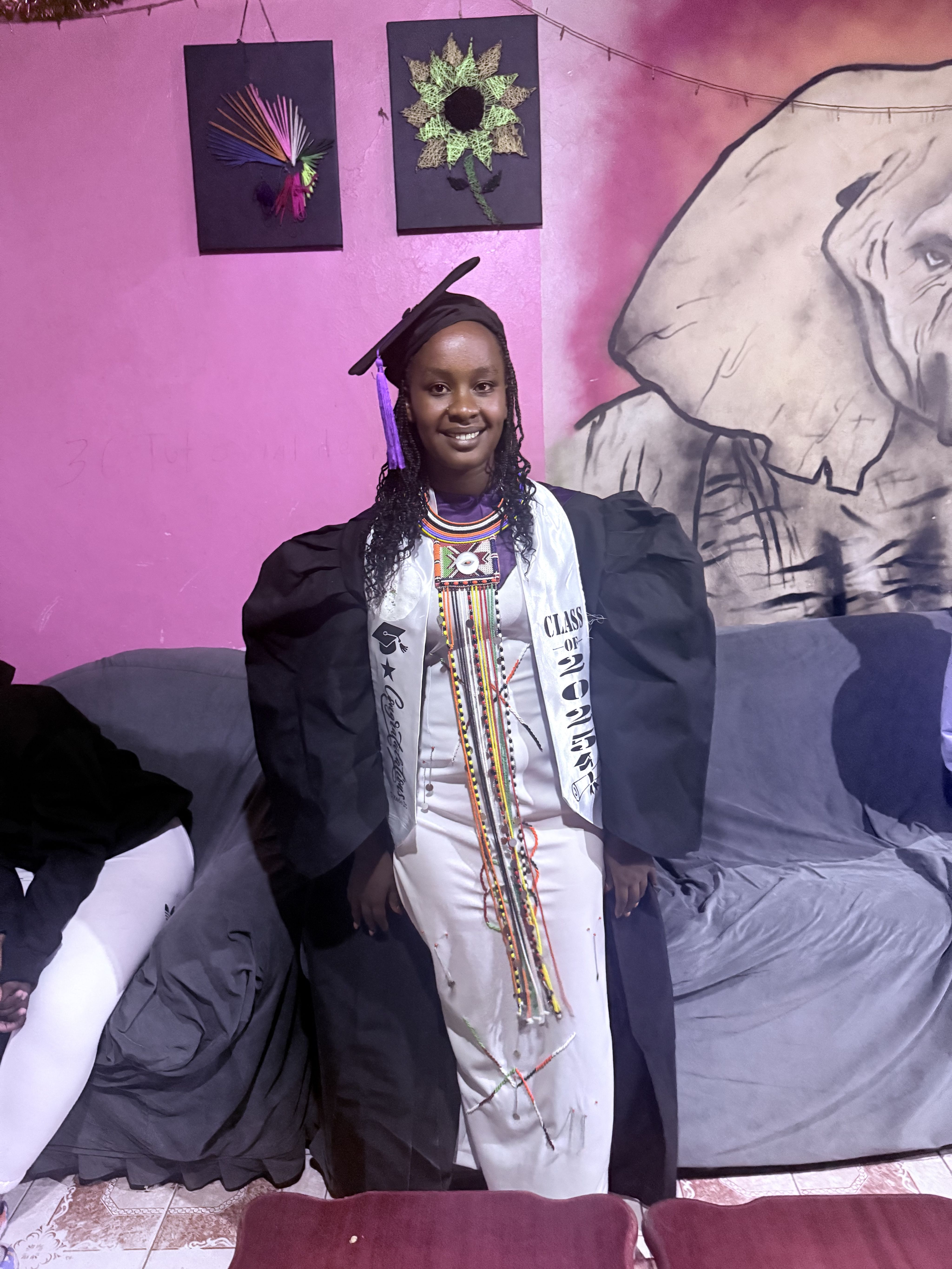
Through scholarships, Rotiken is now a lawyer.
She also goes on local radio to teach the community about the dangers of FGM and early marriage.
Cecilia, who also escaped FGM by coming to the Mission with a Vision rescue house, recently graduated with a degree in counseling psychology.
Seenoi, 23, came to the rescue center when she was 11 years old to escape her impending FGM and forced marriage. She helped her sister do the same. Her father was enraged because he had already spent the dowry. The family kicked her mother out of the house during the night for helping her daughters escape. The father said he cursed Seenoi.
“He wanted one of her kids to die so my mother could feel the pain that it cost him in the society. He wanted to kill me,” she said. “I started to be sick, actually, sick. … I was mentally sick.”
To release the curse, he insisted she buy him a cow, a bottle of alcohol, and clothing. She saved up and bought them. As part of the traditional process of reversing the curse, he spat milk at her.
“Now we are free,” she said of her and her sister. With a scholarship, Seenoi has a diploma in supply chain and procurement.
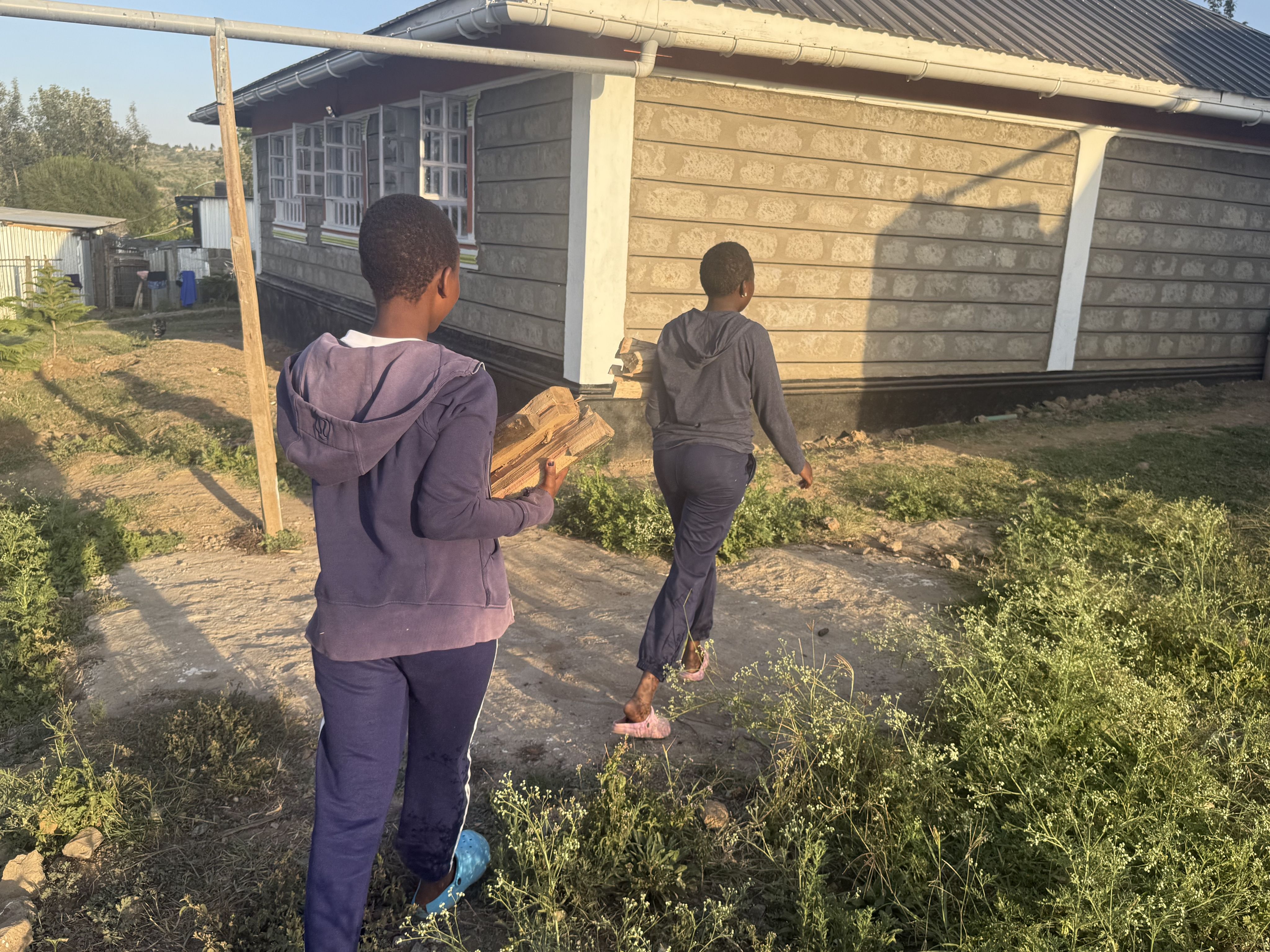
Mission with a Vision works to reconcile girls with their families — after the parents commit to not subject their girls to FGM with a signed contract, which could take many years.
And there are people on the lookout to identify cases of when girls have been cut, such as village chiefs, elders, religious leaders, and teachers.

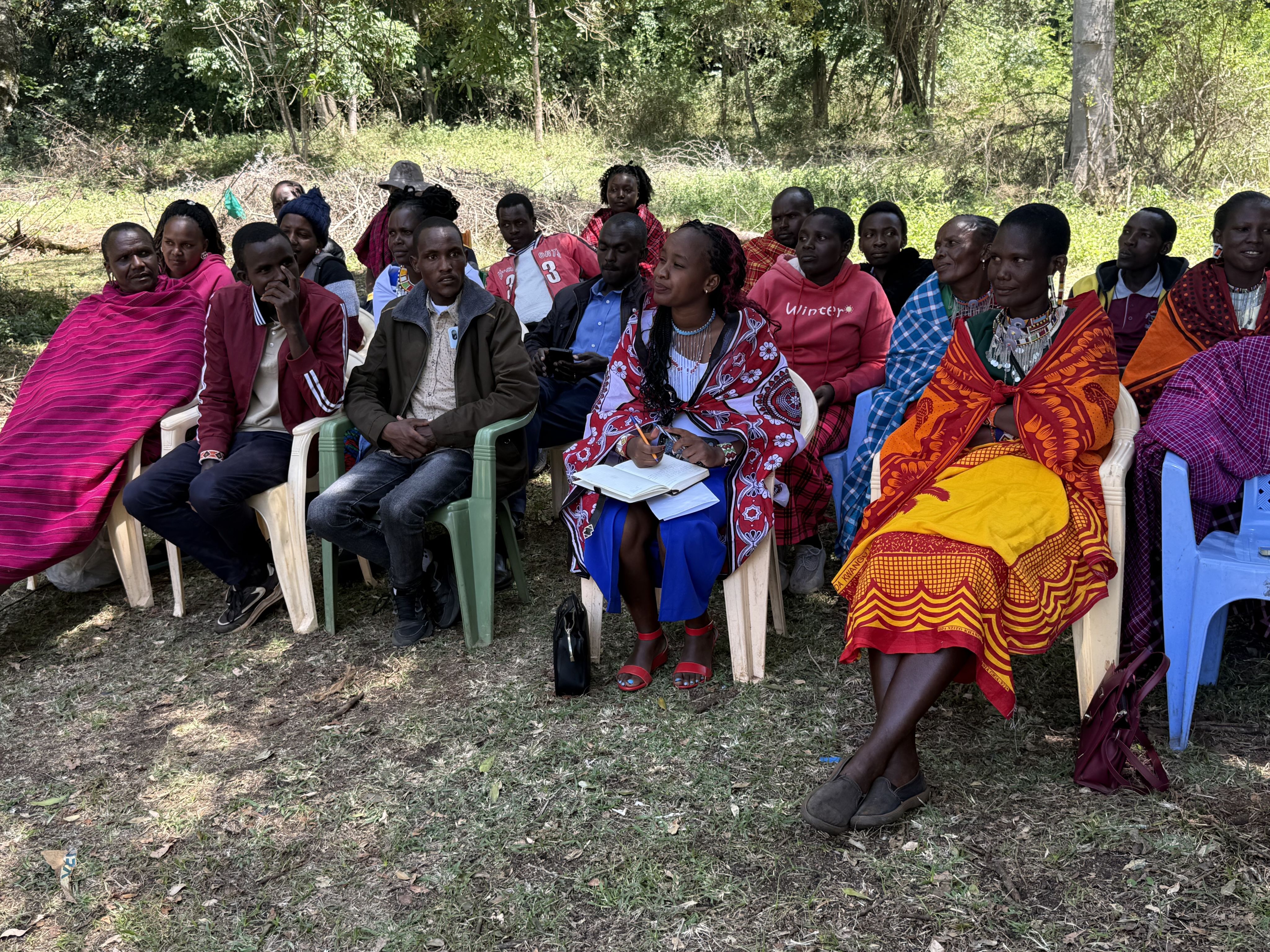








Equally important as rescuing girls is working to change minds. That’s one area where donors such as UNFPA and UNICEF place emphasis. They fund grassroots organizations that host engagement forums, engage with religious and cultural leaders, and target men and boys as allies. Donors also work to strengthen the capacity of governments and law enforcement and improve the quality of data and research on FGM.
That includes Mission with a Vision’s advocacy work hosting community dialogues. For example, they work in a place called Loita where rates of FGM could be as high as 99%, according to the organization — although it’s hard to know the exact rates given it’s an illegal practice.
Ngigi and his team arrived at this estimate after visiting the four high schools in the area and, through an anonymous survey, which only found one girl who hadn’t been subjected to FGM. “That girl is in a living hell,” he said.
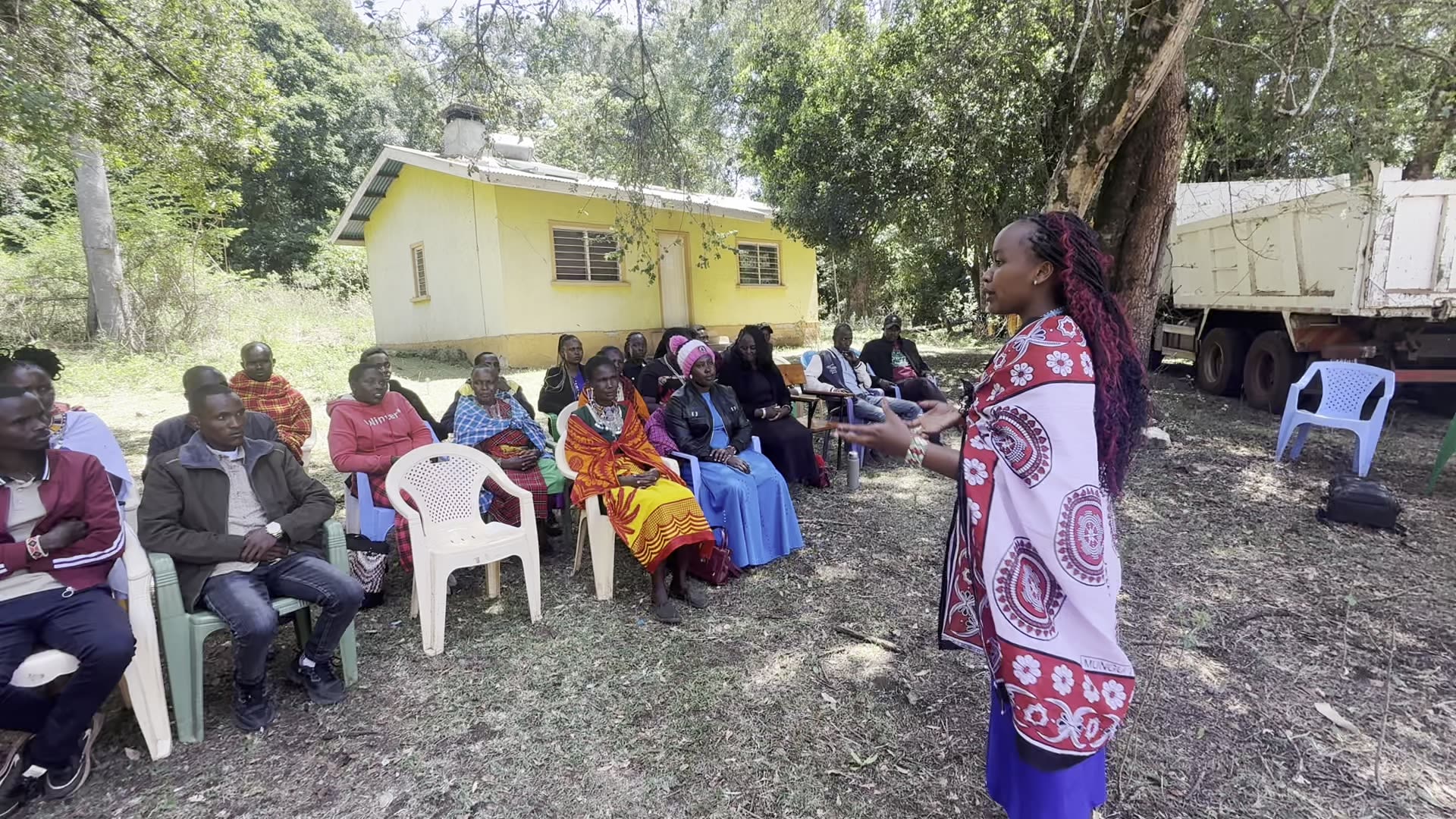
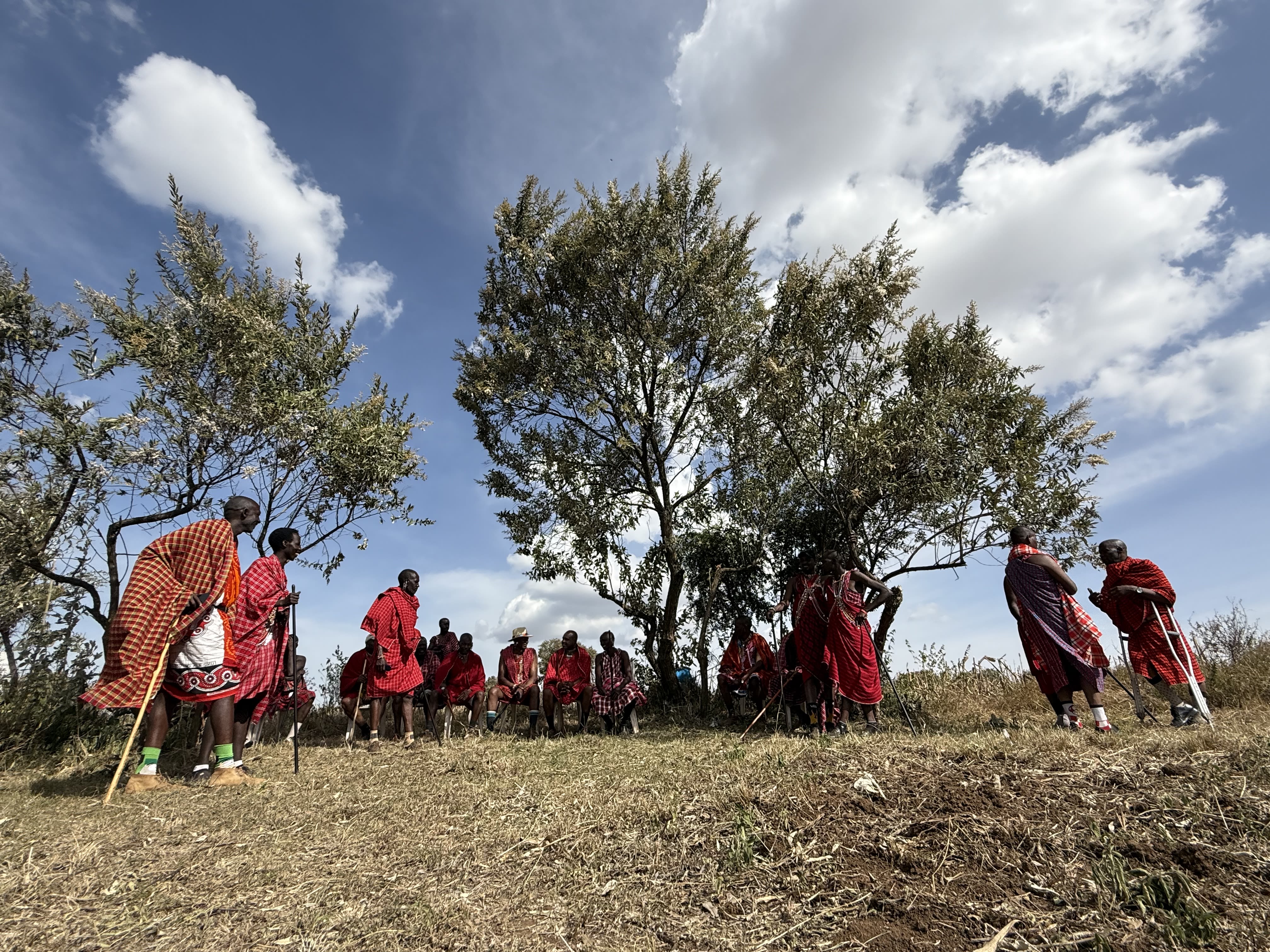
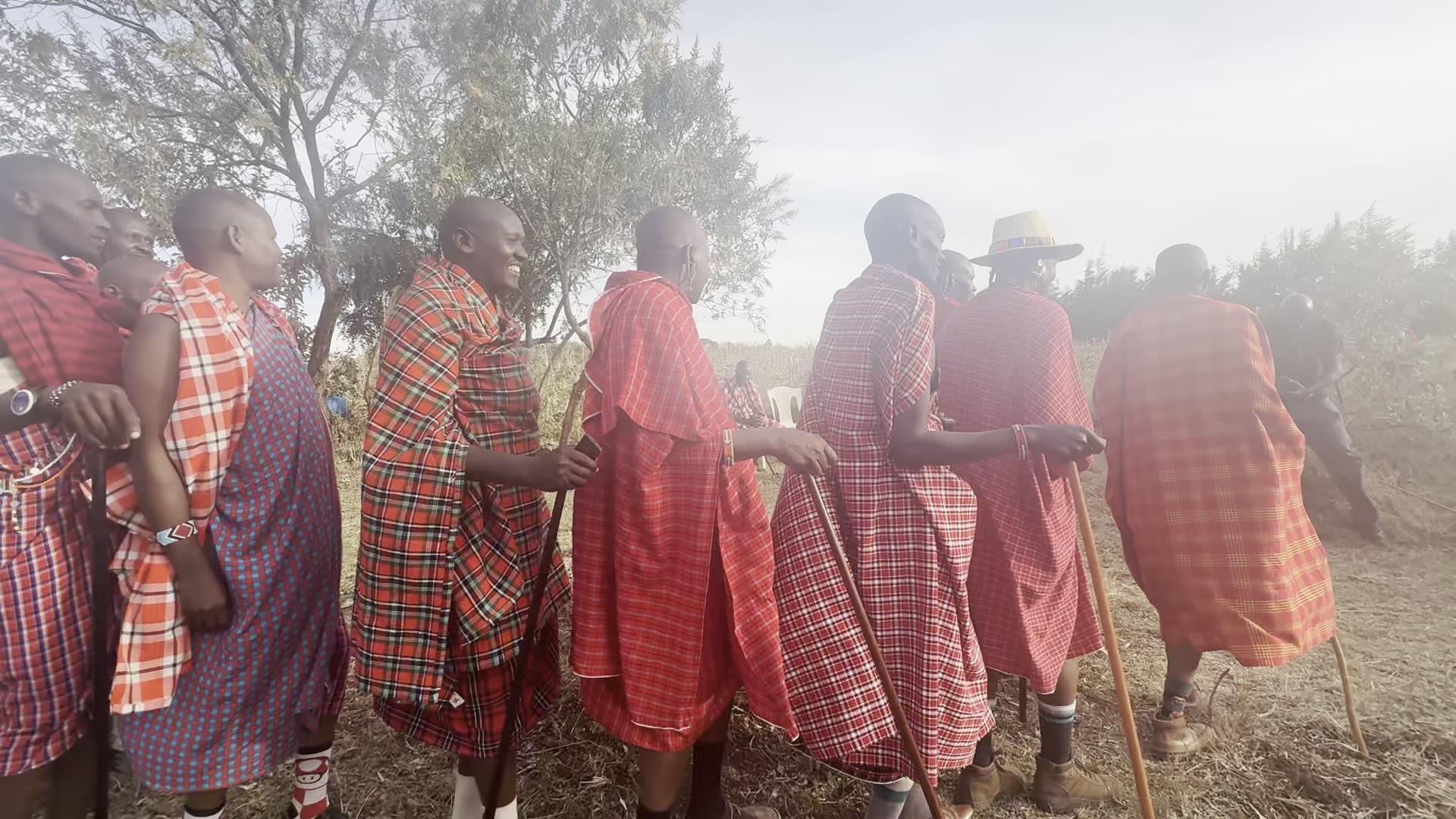
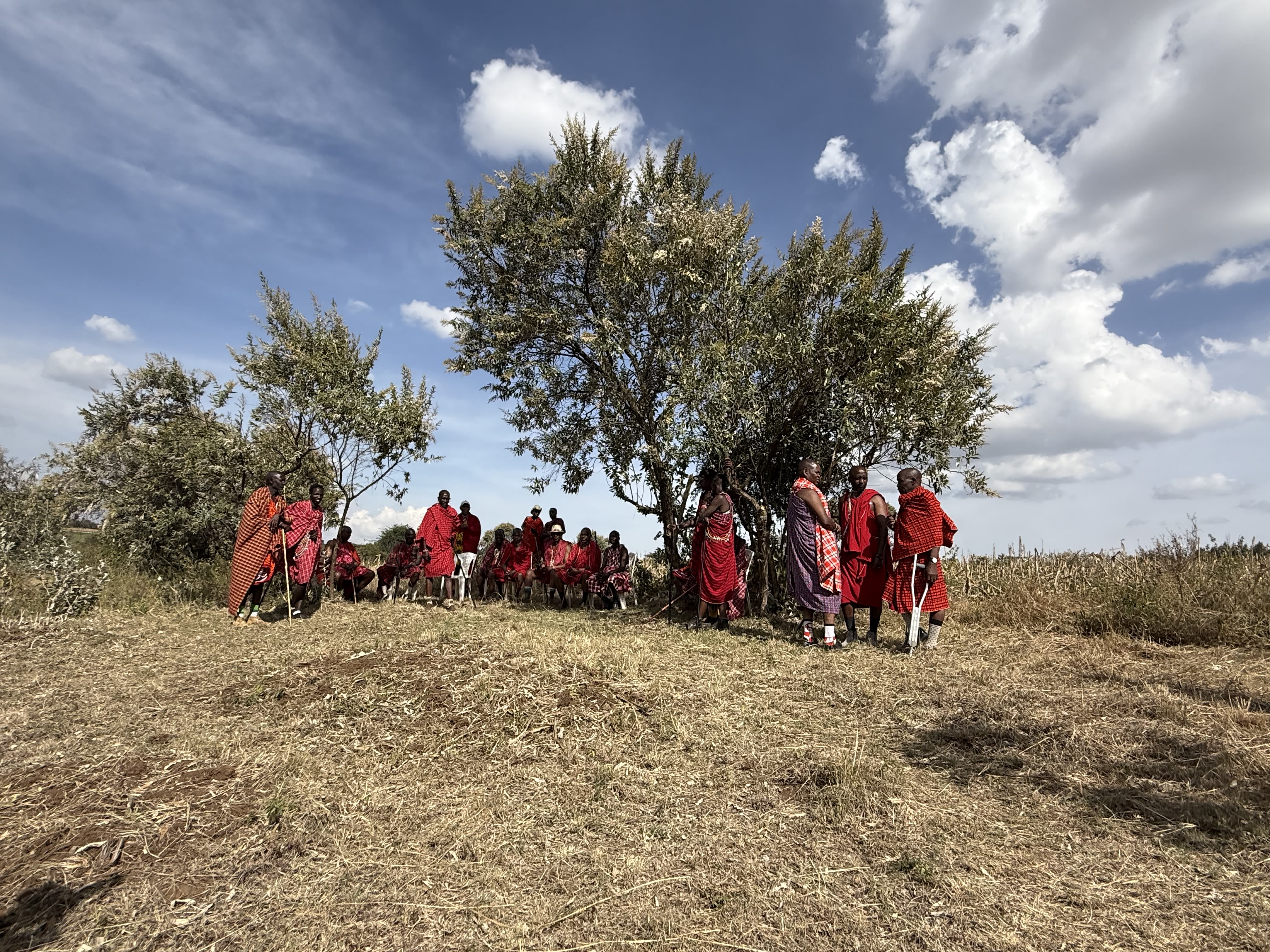
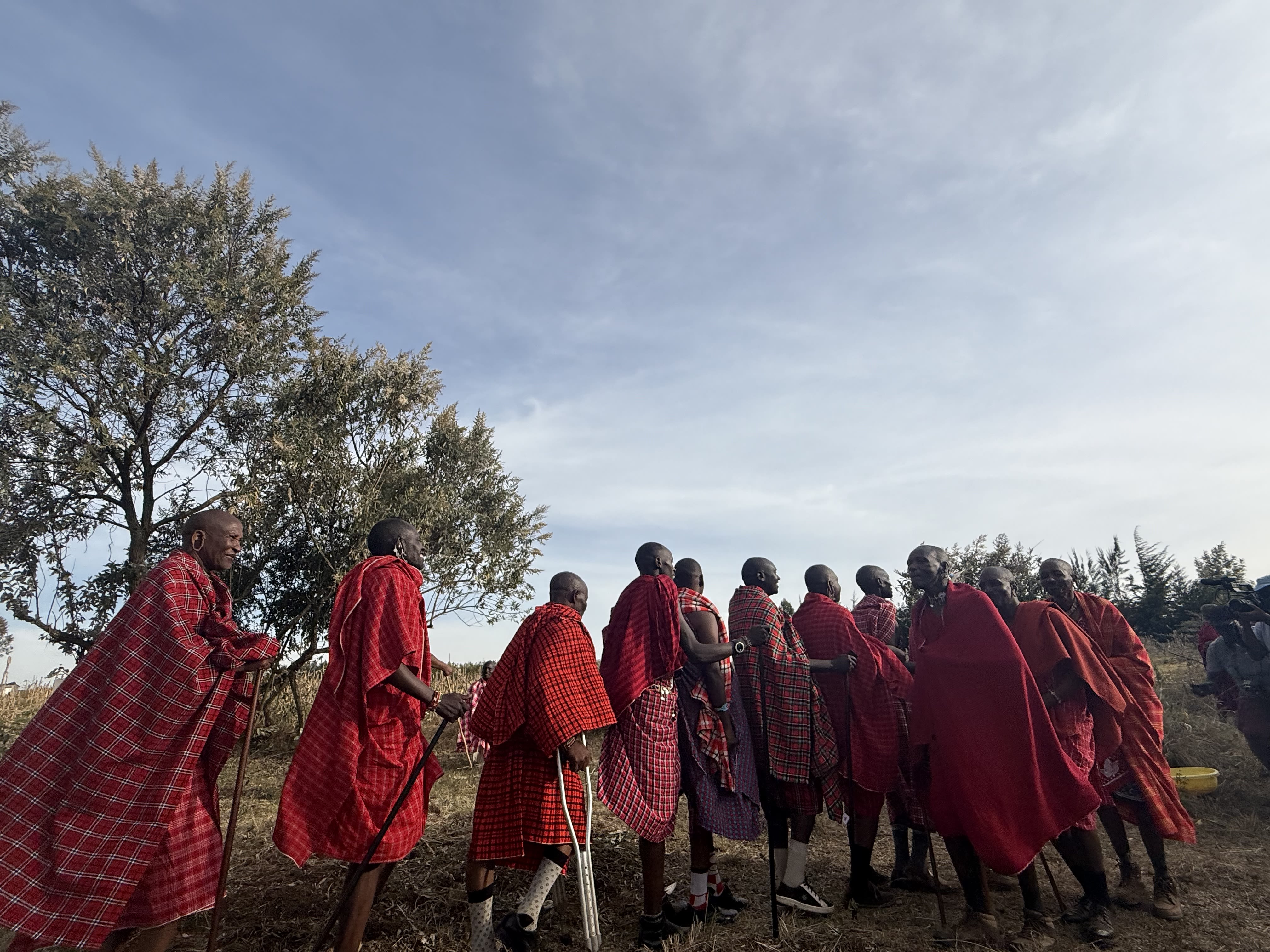
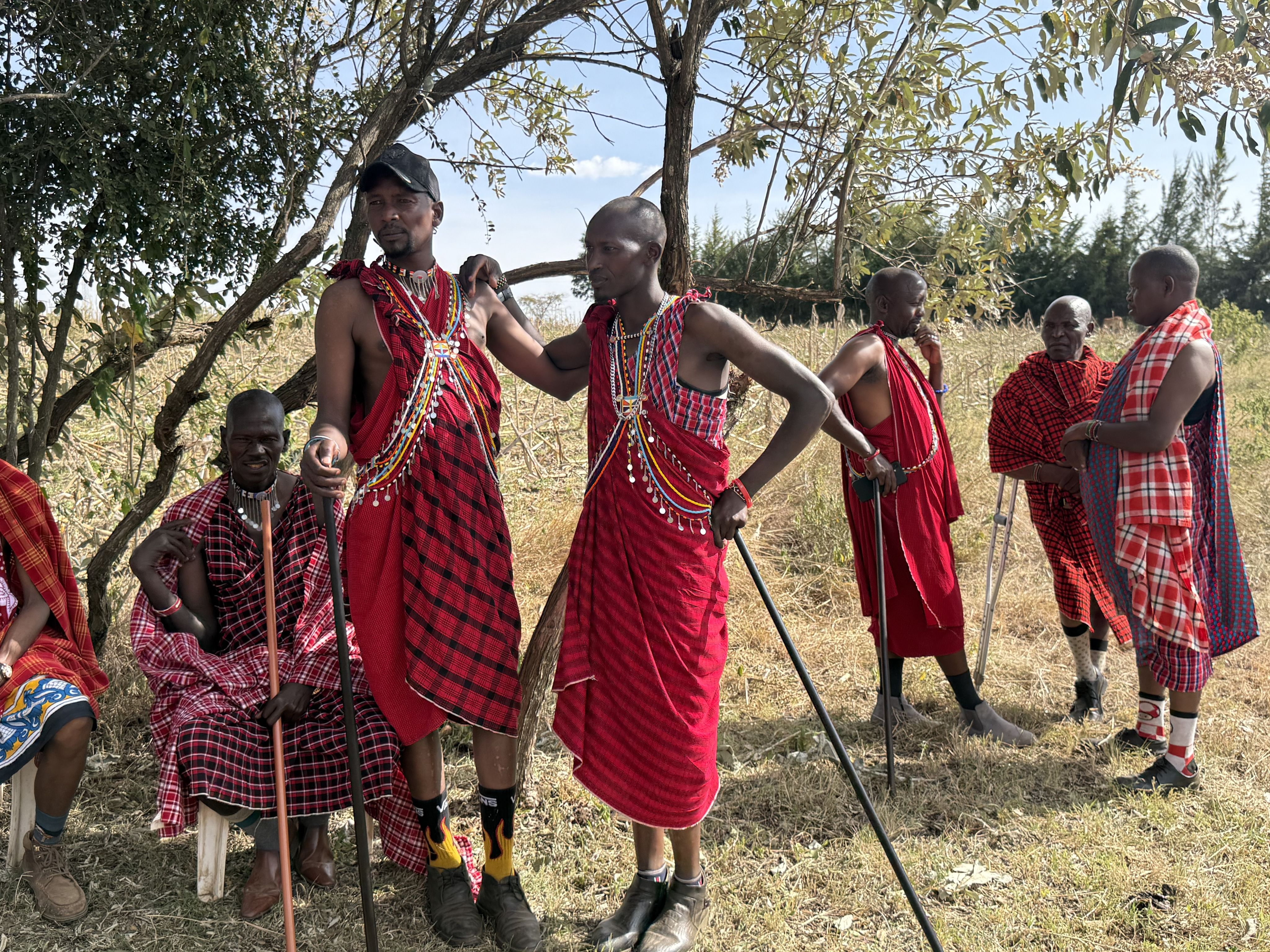
In a patriarchal, polygamous society, getting men on board is critical. On a recent afternoon in the town of Ntulele, an intergenerational group of men sat around eating a freshly slaughtered goat and herbal soup, in a grassy opening amid sprawling fields. They were discussing the harms of FGM. The organization, Centre for Rights Education and Awareness, or CREAW, with funding from UNFPA, has been working with these men for about a decade to change their minds.
Narok County is home to one of the world’s most famous safari destinations, and the Maasai is an iconic Kenyan tribe known for wearing vibrant red blankets, beaded jewelry, and their traditional ceremony of jumping with tall sticks.
Rev. Adam Lasiti ole Nairuko stood before the men of his community and spoke about how these other traditions are the ones they should cherish as opposed to archaic ones such as FGM.
“So many people would like to look like this,” he said, pointing to the men’s red outfits and beads.
None of his four daughters are cut. His daughter was named after former U.S. first lady Michelle Obama and his granddaughter after former U.S. Vice President Kamala Harris.
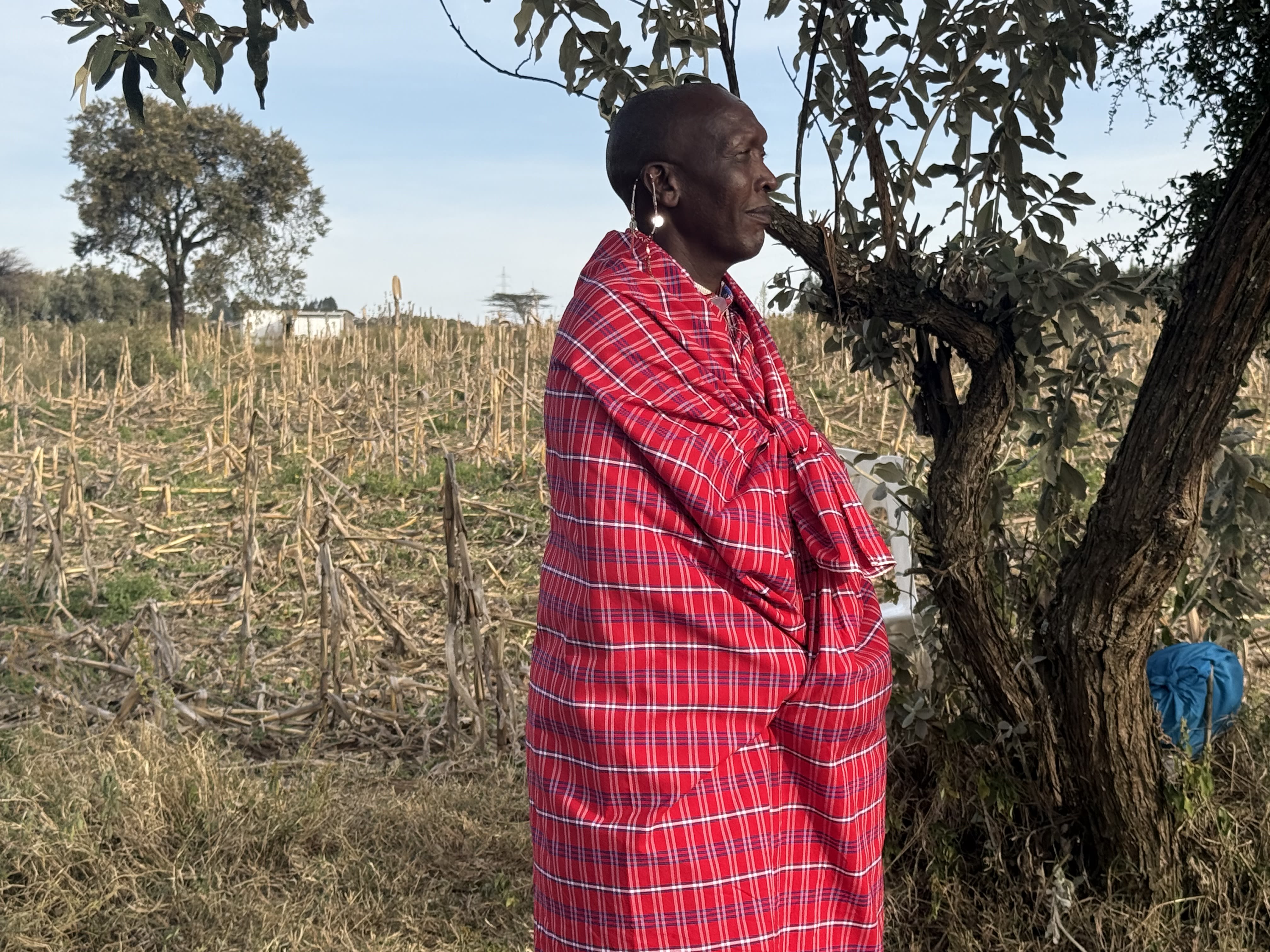
“We are no longer people of the past,” Nairuko said. But even so, he can’t say his community has completely stopped.
“A few of them are still doing it,” he explained. “They are hiding it!”
Men become isolated when they don’t cut their daughters.
“Your friends will desert you,” Nairuko said. “Even if you have a ceremony somewhere, they will not come.”
Generation Z men in attendance said they are willing to abandon the idea that they could only marry someone who’s been cut. Twenty-two-year-old Mark Leseyio said as a child, his friend bled to death after she was cut. “That hurt me. I started hating circumcision,” he said.
But male gatherings like this are still rare in that community.
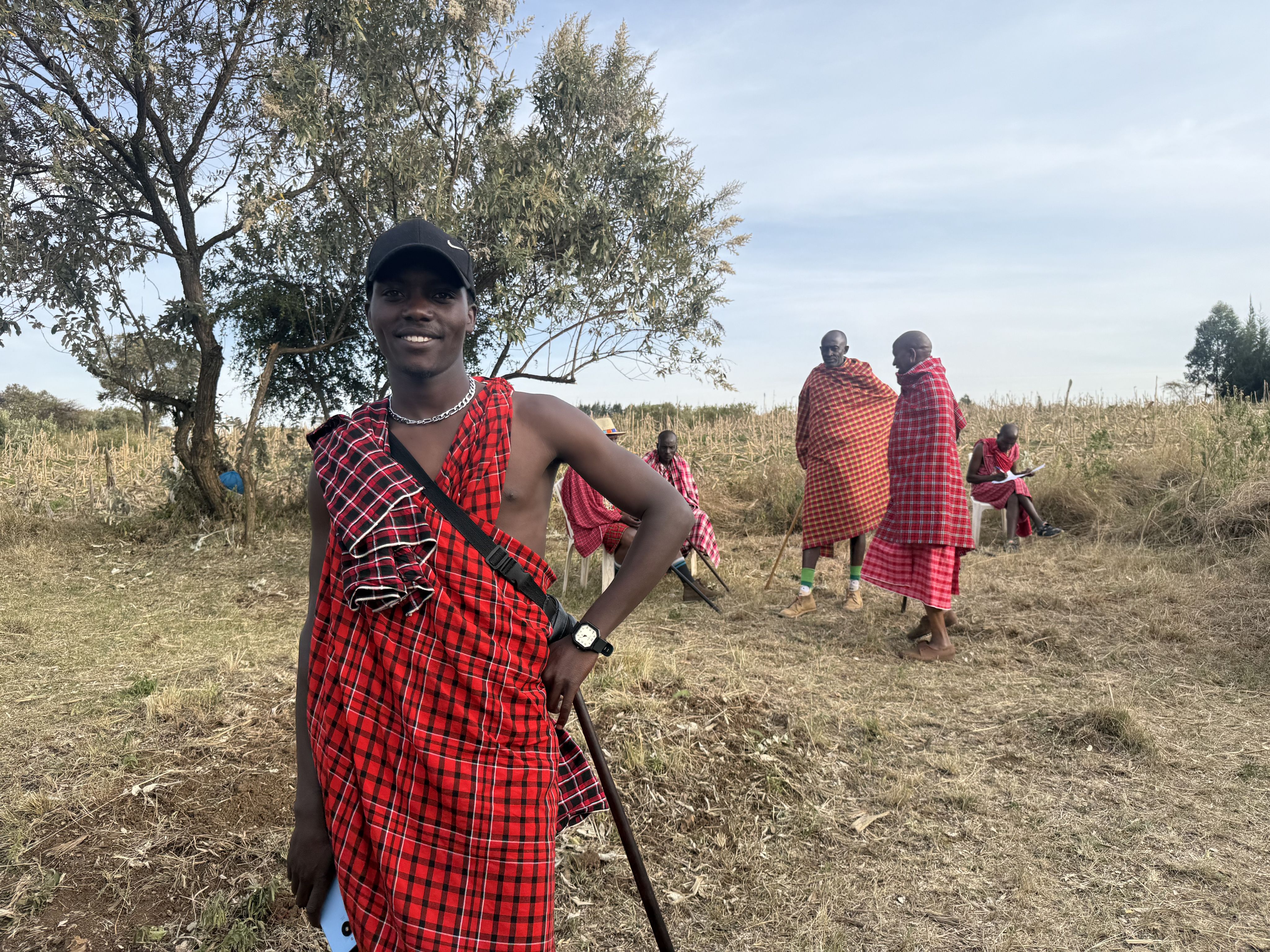
Twenty-two-year-old Mark Leseyio is one of the Maasai men speaking out against female genital mutilation.
Twenty-two-year-old Mark Leseyio is one of the Maasai men speaking out against female genital mutilation.
UNFPA and UNICEF support school clubs as well. Mission with a Vision’s Ngigi said they see targeting younger generations as most effective, but it’s a long game. He said they’ve reached between 5,000 and 6,000 adolescents through school outreach.
“The short game is not going to work,” Ngigi said. “It might take 10 to 20 years.”
In Kenya, high rates of FGM also persist within the Somali community, including in Nairobi neighborhoods and among some diaspora members who cut their daughters in the country when they come for the holidays. Some communities, notably some around Mount Kenya, declared they would phase it out — but haven't.
Another challenge is the medicalization of FGM — 1 in 4 girls globally undergo the cut by a health worker.
“There’s a medical oath there that’s being violated, which we are deeply concerned about, in addition to breaking the law of the land,” said Anders Thomsen, who was the UNFPA country representative for Kenya at the time of this interview.
Children delivering children

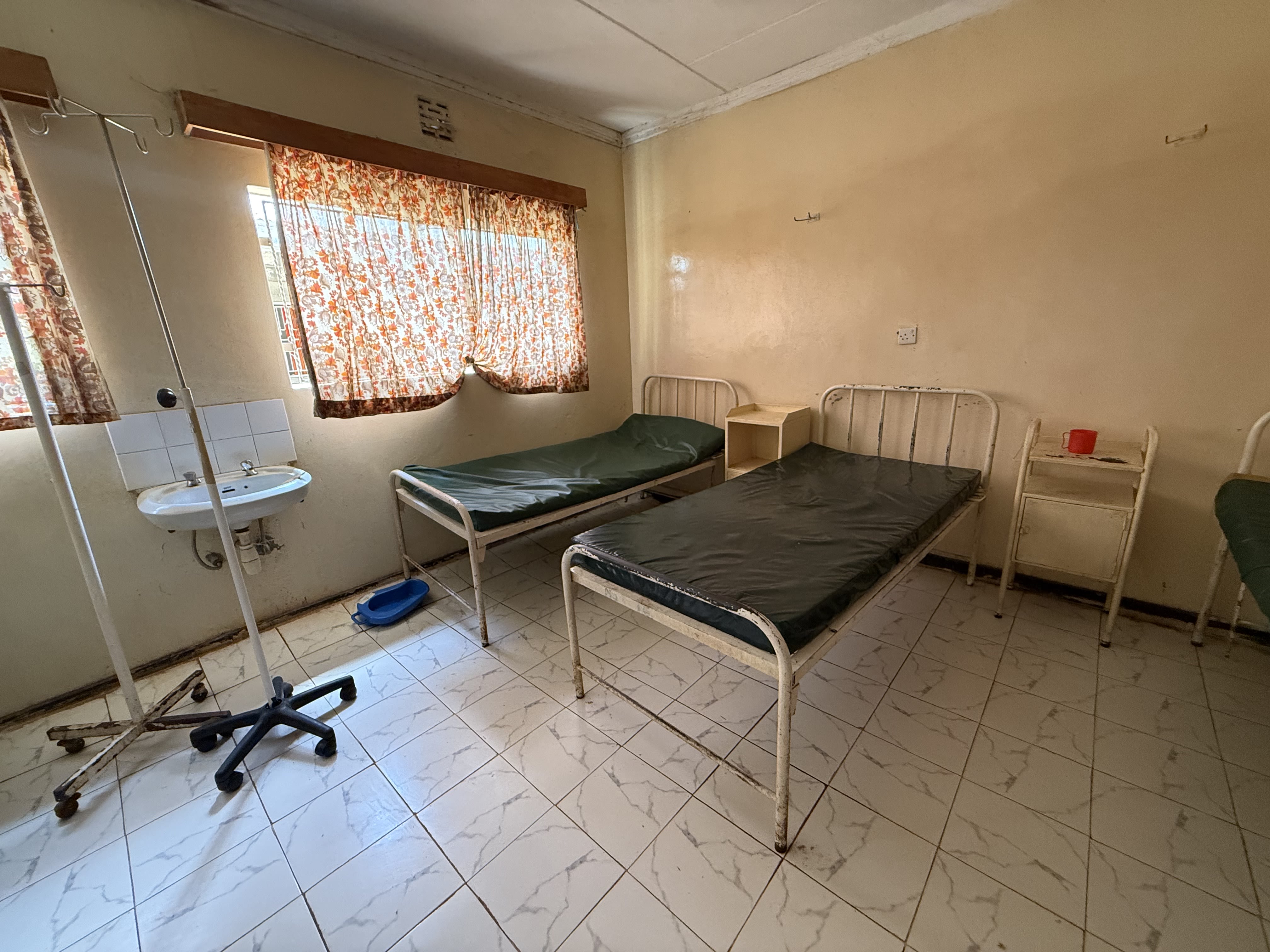
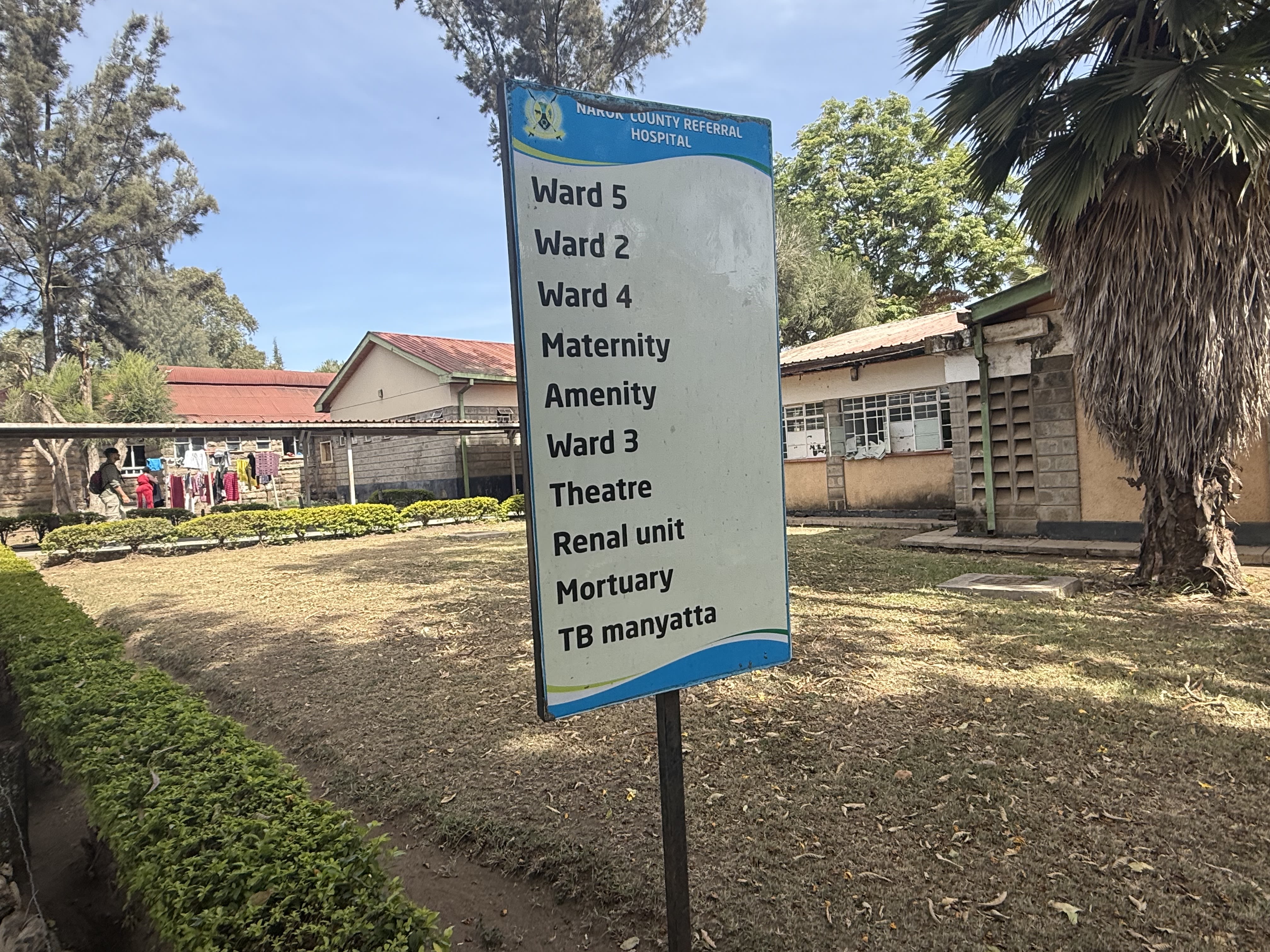
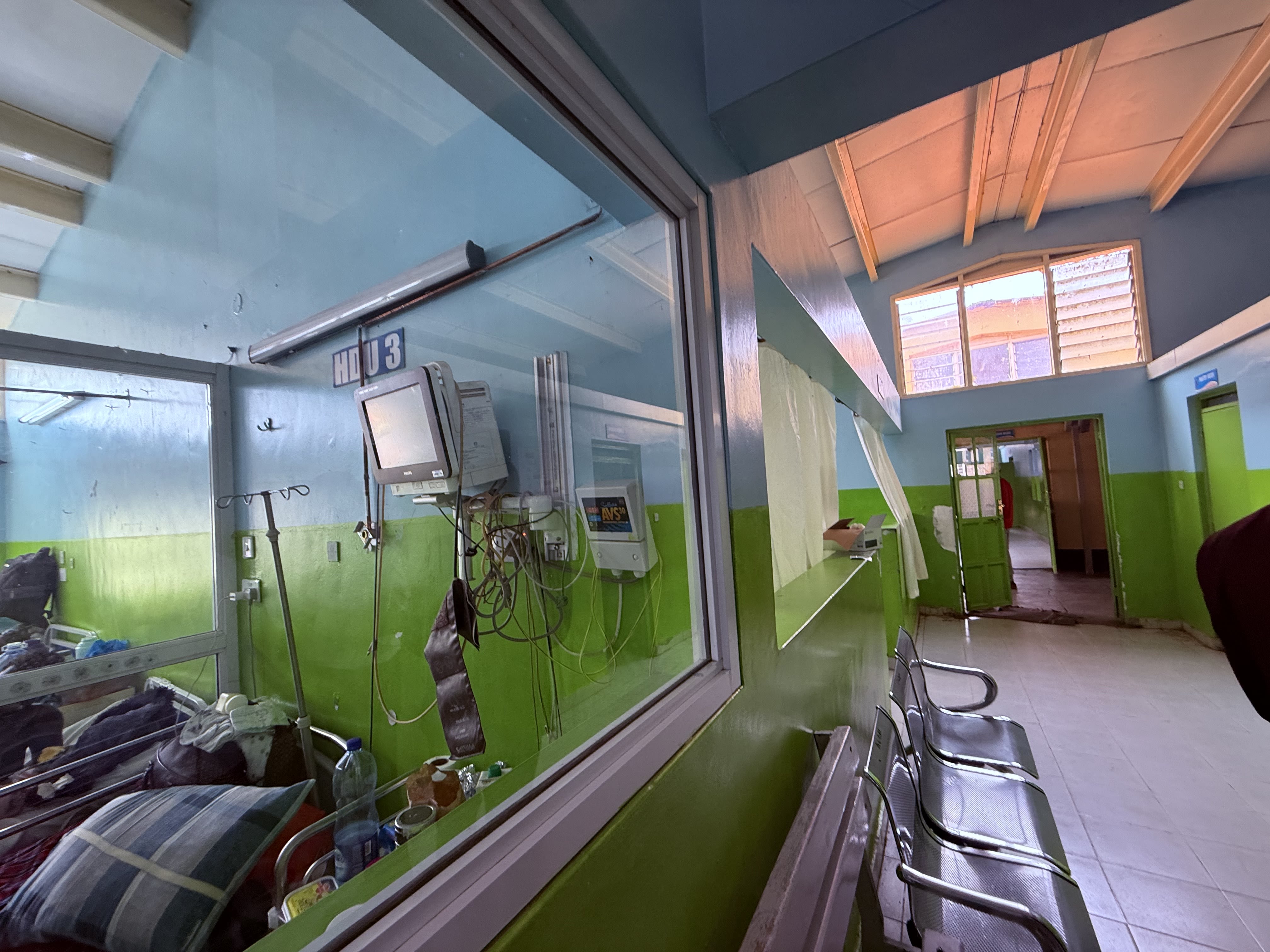
Wobbling around the halls of the Narok County Referral Hospital was a petite teenage girl holding her very full belly, moaning in pain. She was on the verge of giving birth.
This is where many girls who have been subjected to FGM in the county are referred because of their high-risk pregnancies. They often need a cesarean section because their scarred reproductive organs compromise the body’s natural elasticity.
About 20% of all reported pregnancies in the county are teenagers, according to health professionals at the referral hospital — but that’s only those who come into the facilities, and many don’t.

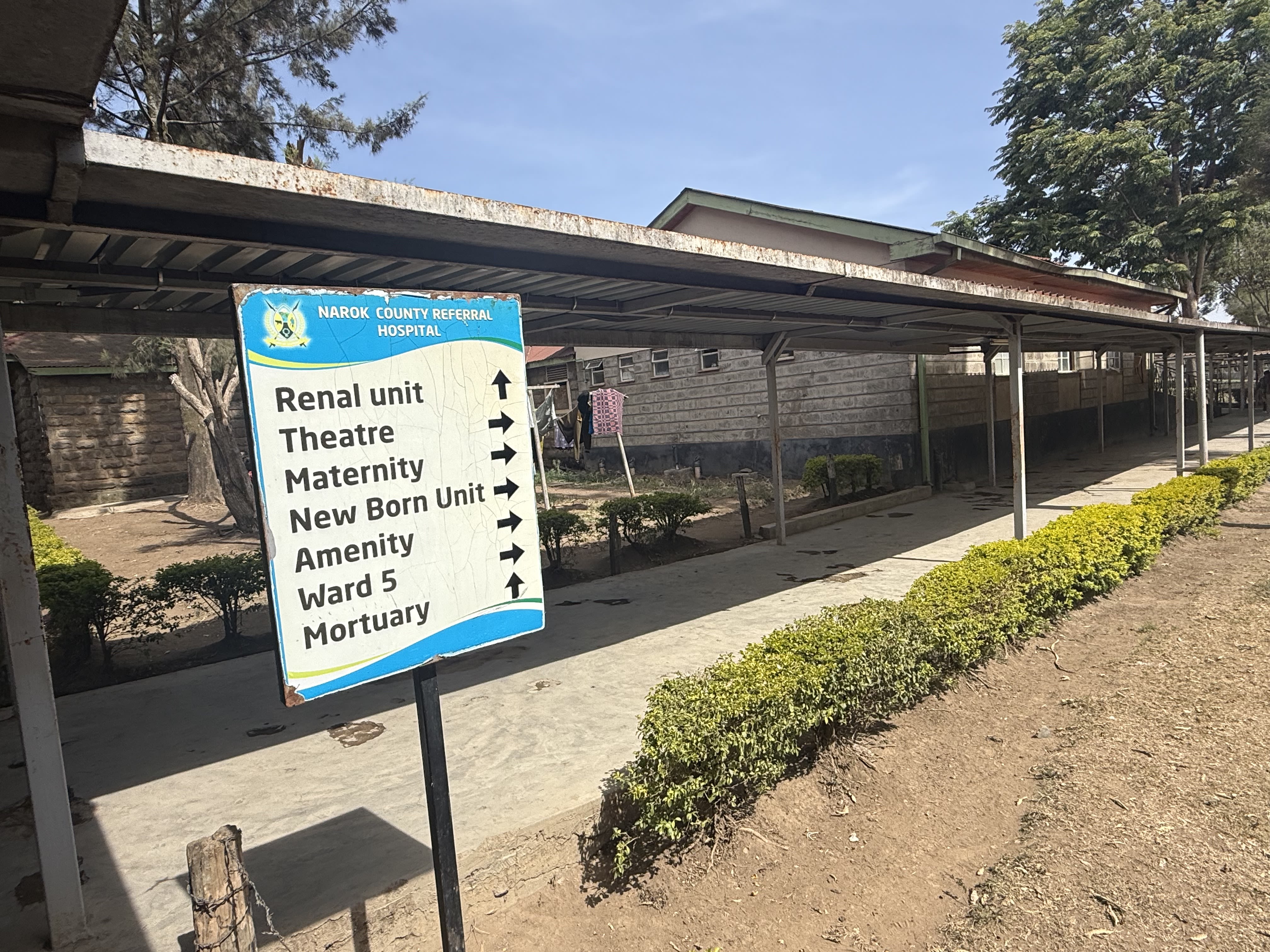

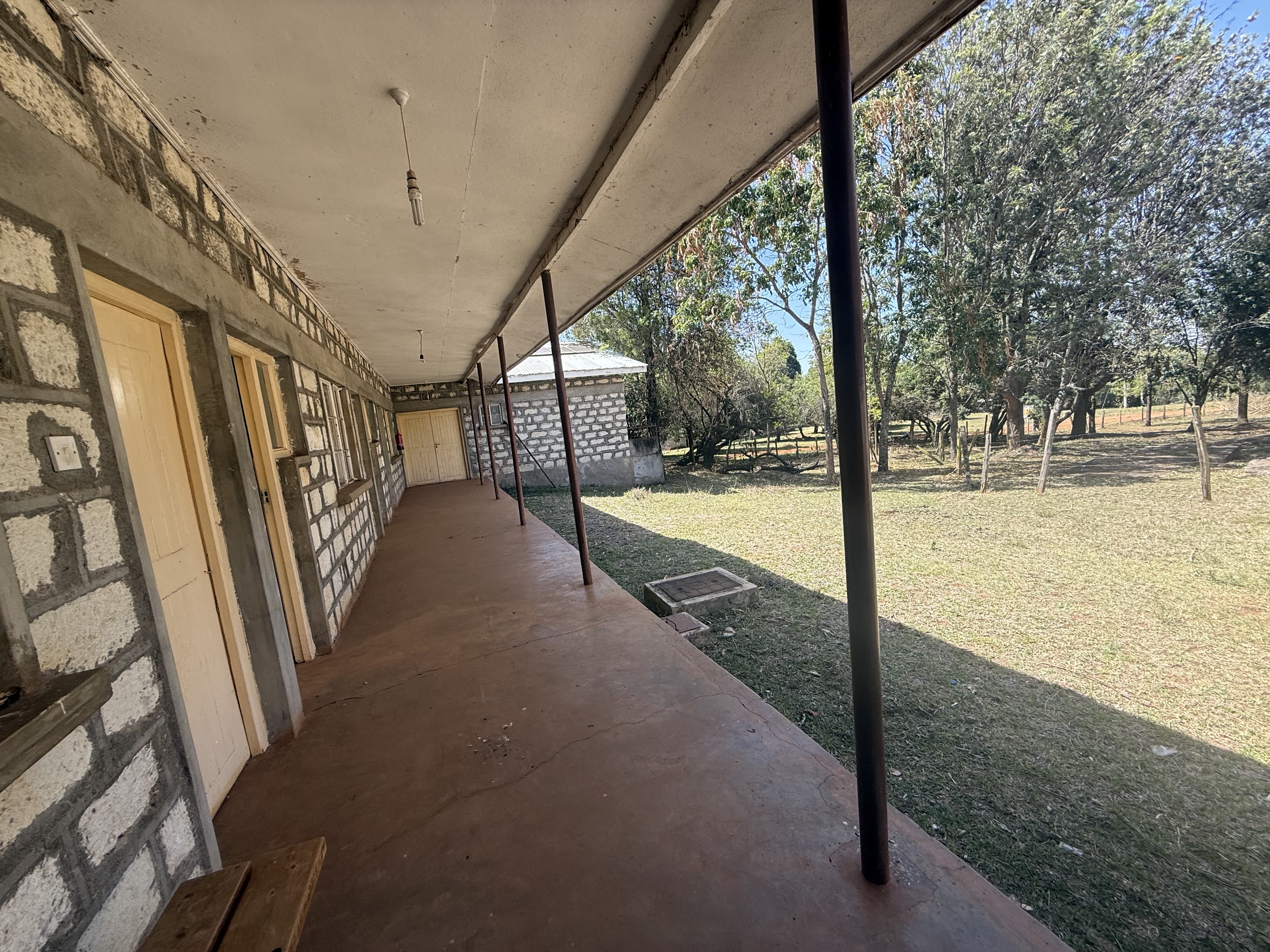

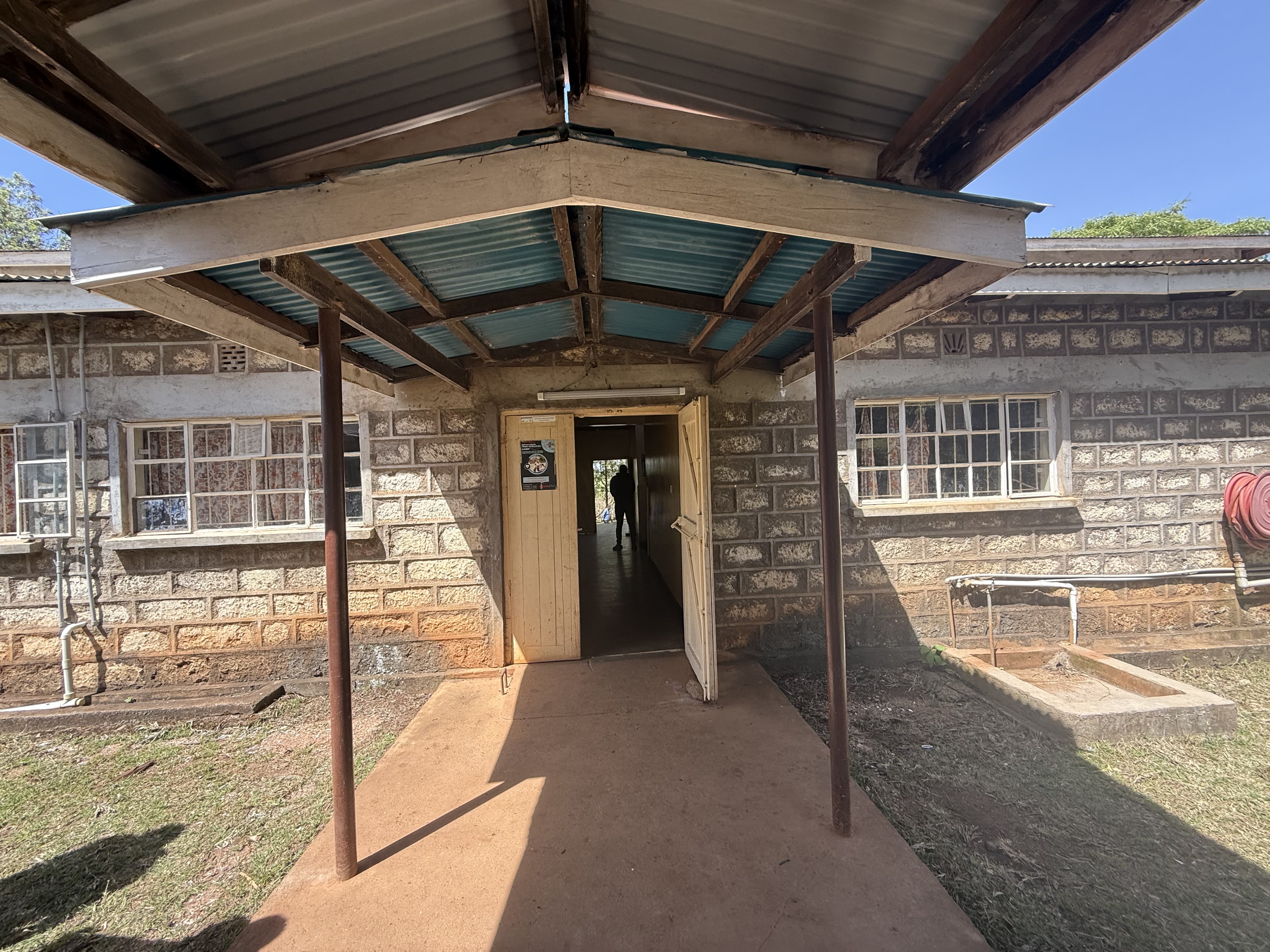


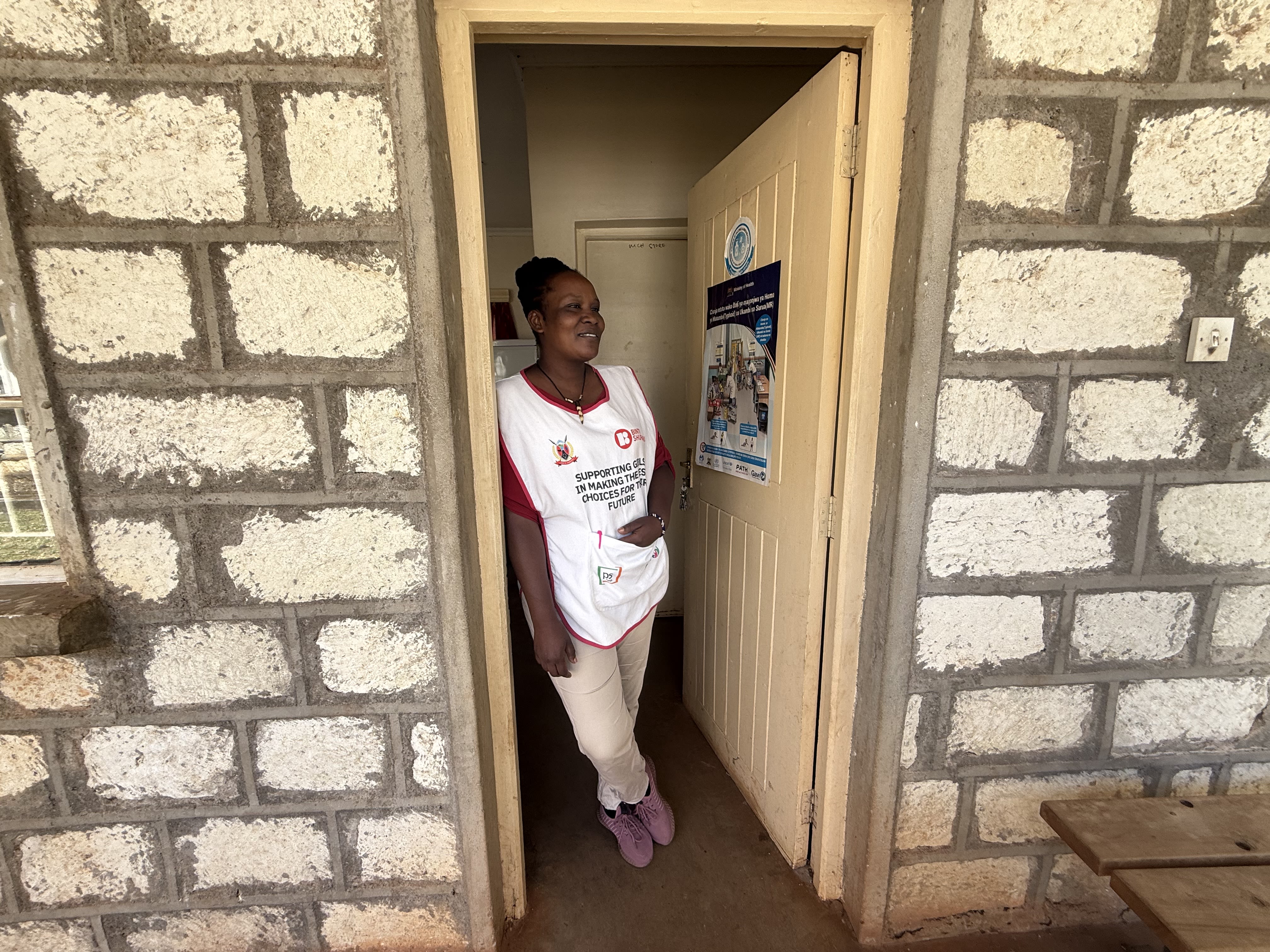

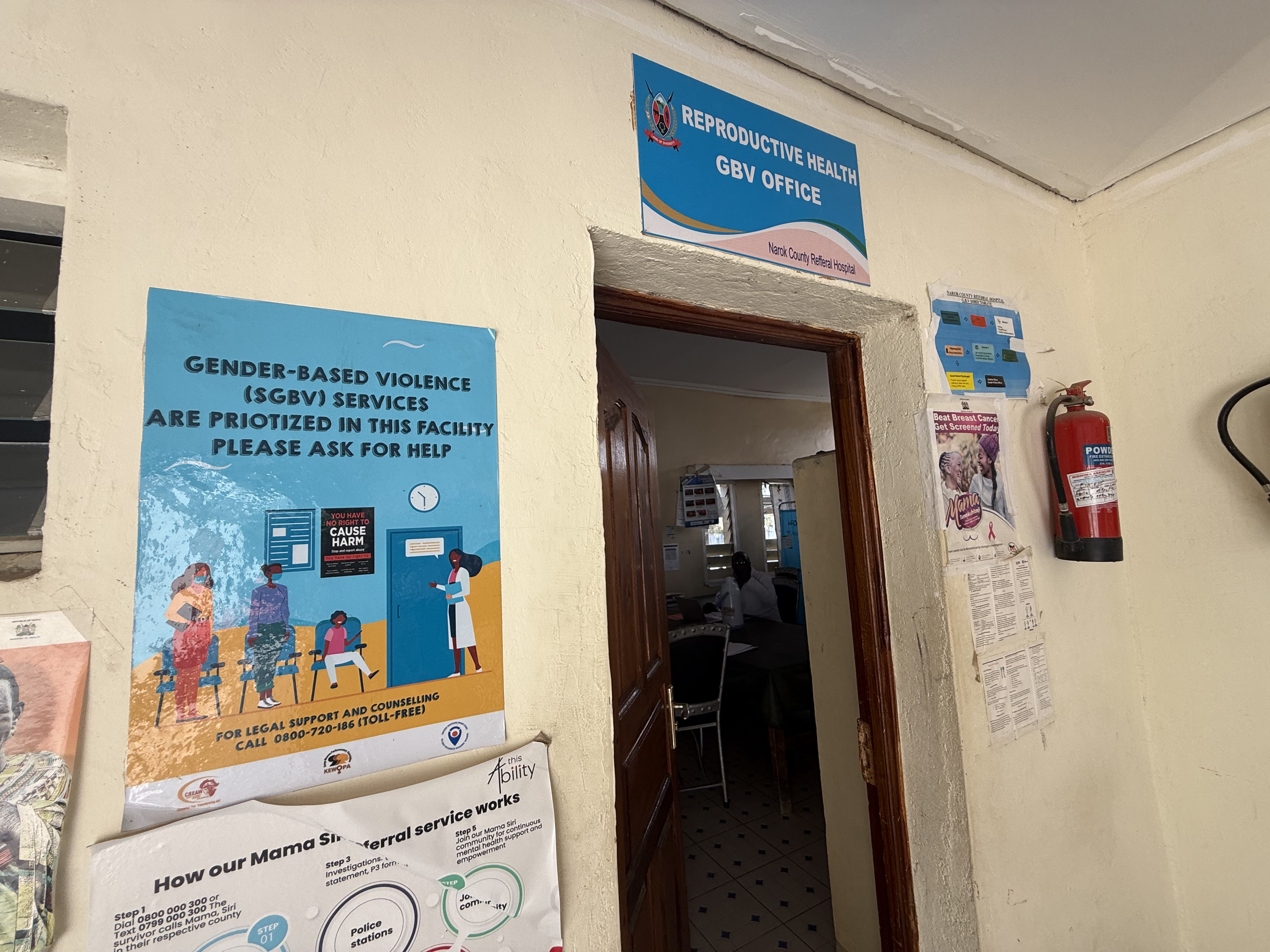

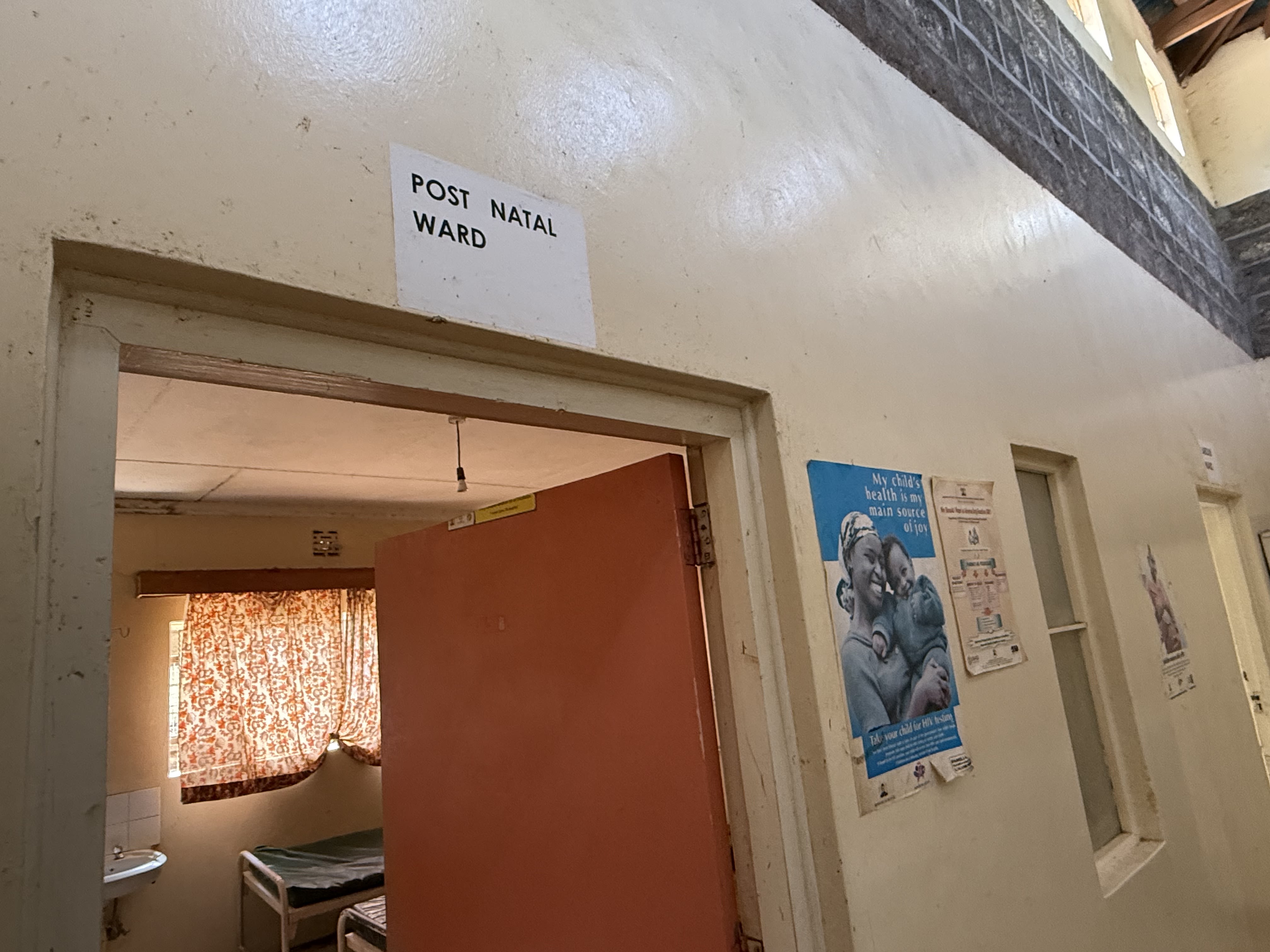



Obstructed labor is common in girls who've been subjected to FGM, said Dr. Mark Odhacha, acting medical superintendent at the Narok County Referral Hospital. Scarred tissue often needs to be cut during delivery so the baby can come out. Other complications they commonly see among girls who’ve undergone FGM are postpartum hemorrhage, eclampsia, and fistula.
With complications, the girls often need supplemental blood, but the blood bank doesn’t have steady supplies and can become depleted, Odhacha said.
And so, girls and their newborns have died from FGM-linked delivery complications, health workers said.
“Most of them arrive as referrals when it's too late, when they already have a stillbirth,” Odhacha said. “The deaths that are commonly linked with FGM are mostly the neonatal deaths.”
And foreign aid cuts exacerbate this. When the U.S. Agency for International Development was dismantled, Narok County laid off 46 health workers who were supported by U.S. aid, especially nurses and clinical officers, according to Chesang Toroitich, county sexual and reproductive health and gender-based violence coordinator.
In Narok County, while the main focus of these U.S.-supported workers was on HIV, they also delivered babies and other services, Toroitich said.
This means when a girl comes into a health facility, they might not find a health care worker skilled in managing delivery complications. And some of the health facilities were run by U.S.-supported health workers, so when funding stopped last year, some of these clinics closed. This came in the wake of a separate, prolonged strike in 2024, when some health workers left their jobs.
“It added salt to an injury which has already been there,” Toroitich said.
The county is sparsely populated with bad roads, and so if the nearest clinic is closed, or if a pregnant girl is referred for a risky delivery at a hospital far away, many girls would opt to deliver at home.
“The mothers will assess and see that the facilities are far. If they are far, they’ll definitely prefer to deliver at home,” said Mirriam Nkirote, subcounty community strategy coordinator.
Loice Nashipai, a nurse at Entasekera Health Centre in Loita, said home births without a health worker to perform the episiotomy — the cut between the vaginal entry and anus so the baby can come out — means people in the village may do the cut, but don’t stitch it back together, and the two openings come together, leading to fistulas.
Nearly all of the pregnant teenagers who come in have undergone FGM, she said.
Evans Nyabwari, subcounty reproductive health coordinator, added that with closed facilities, “we are having even more home deliveries because they’re not able to access services because the staff is not there.”
“Almost half of our pregnant women are delivering at home, so we cannot be able to capture those complications,” Toroitich said.
And those deaths are often not counted in national statistics, health workers said.
“You die in the morning and by 2 p.m. you are buried,” Nashipai said. “They don’t come to report about any mortality.”
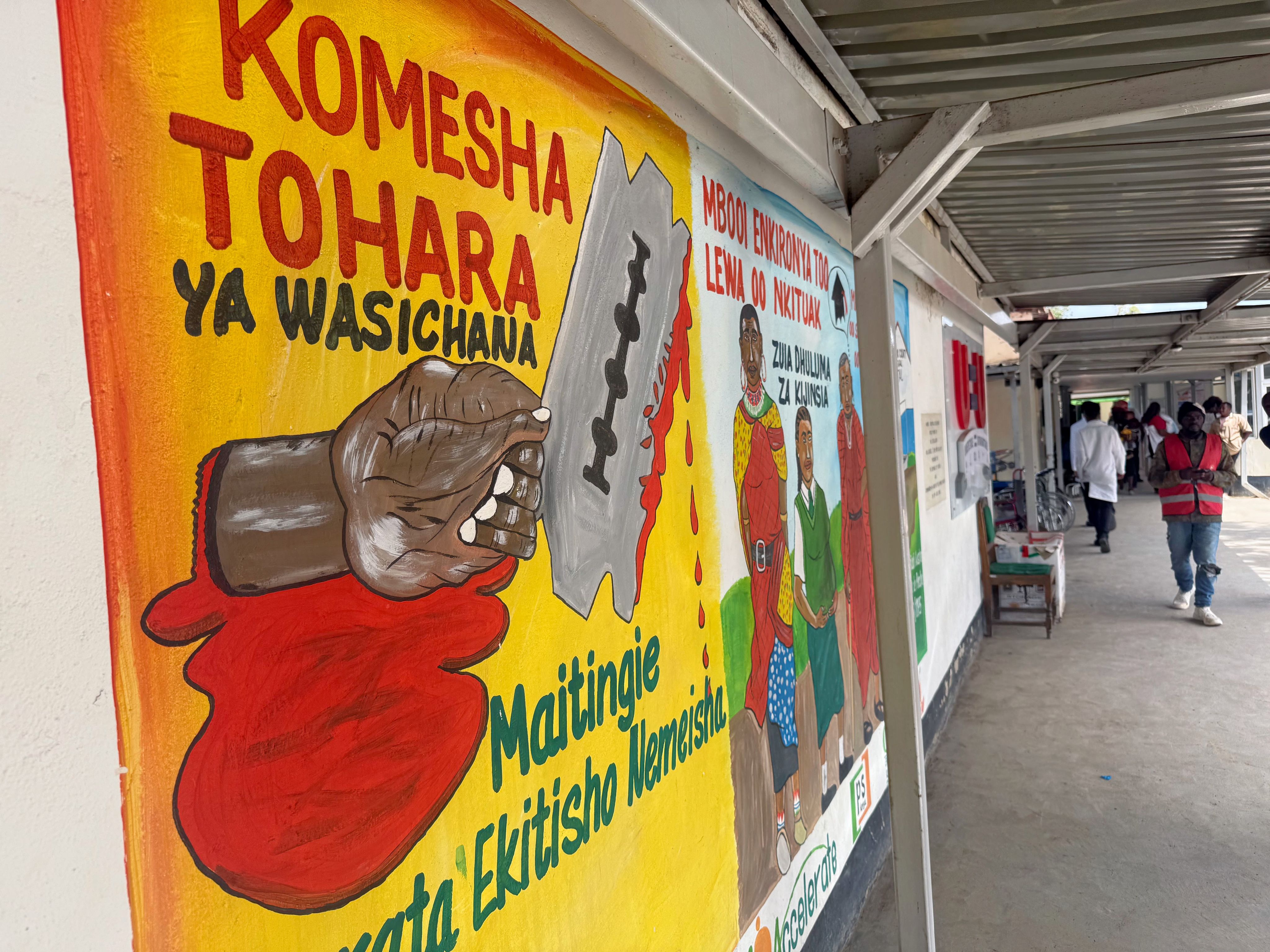
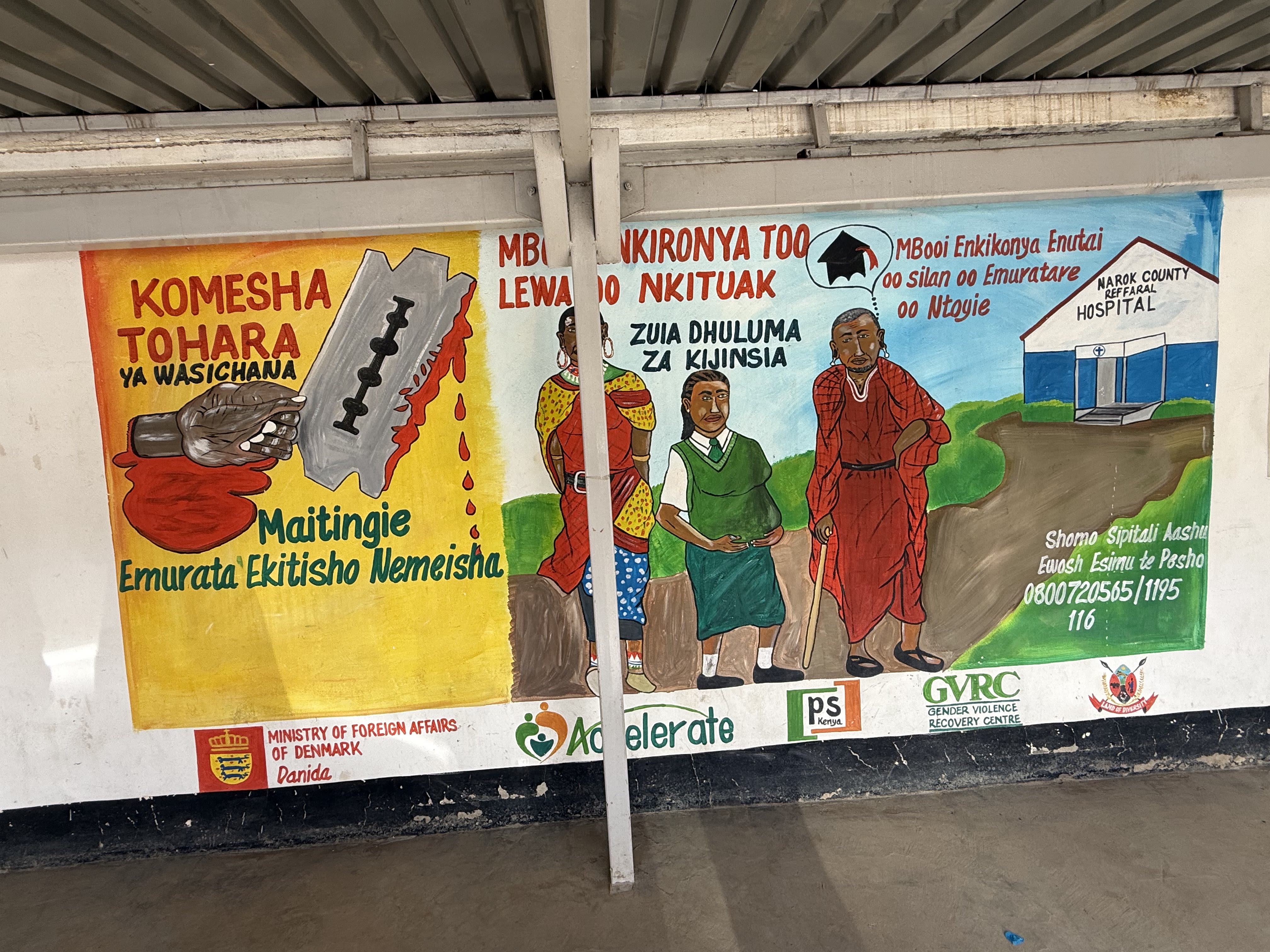
Not far from the delivery ward, the referral hospital has a mural depicting a blade dripping with blood and a pregnant girl in a school uniform to discourage FGM and teenage pregnancy.
When a teenage girl that’s experienced FGM comes in to deliver, she’s often educated about family planning and provided with contraceptives. With only one child, she may have a chance of returning to school.
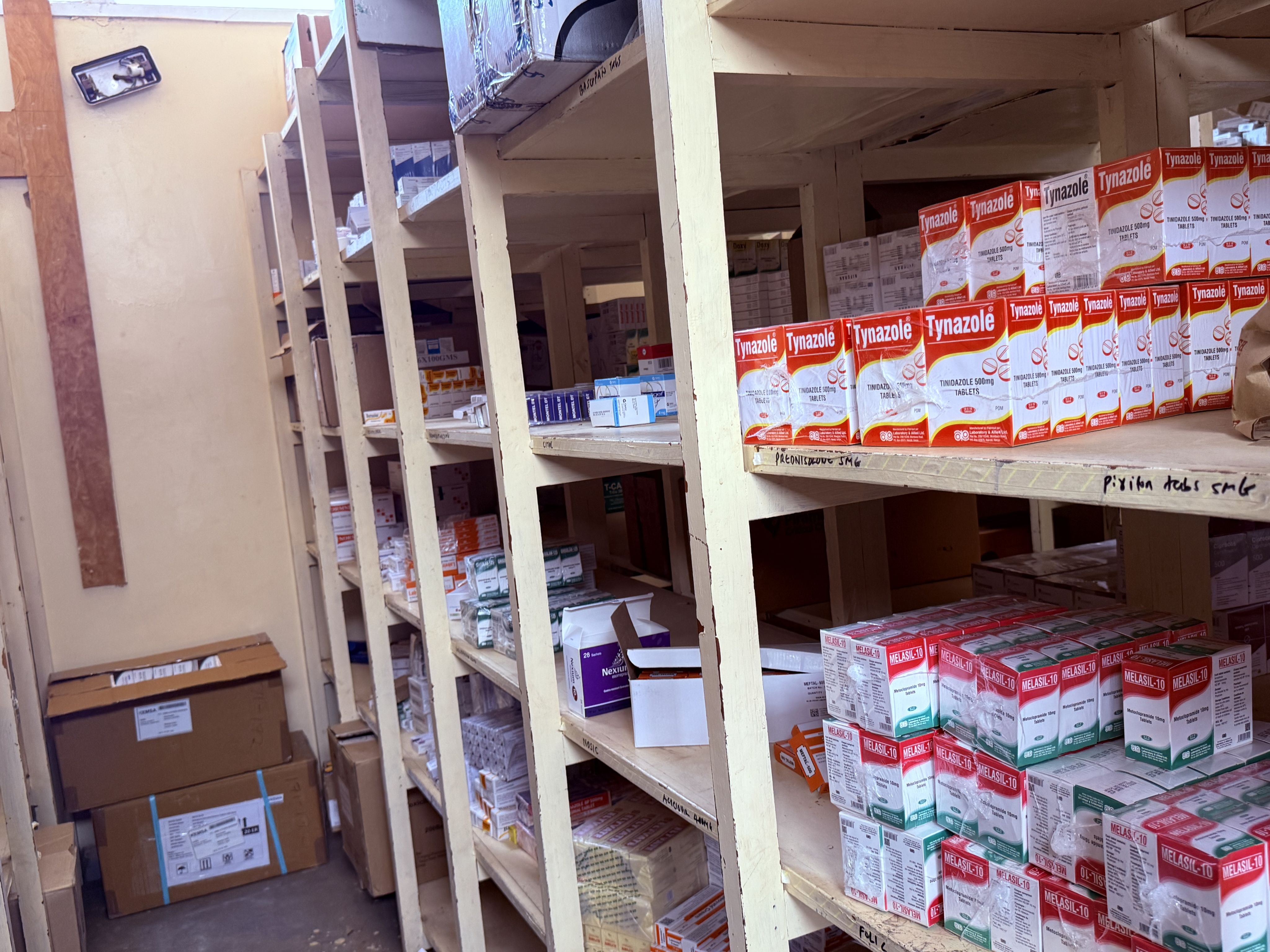
Before it was dismantled, USAID provided contraceptives. Now, the facilities in Narok County report concerning levels of stock shortages. Nyabwari said there are “erratic” family-planning supplies.
There’s also the issue of community health promoters. Narok County has about 3,000 of them, according to Nkirote. They work to sensitize communities on FGM’s dangers and keep records of the girls in their communities, so they can flag if one has been cut. Nkirote said foreign aid cuts mean they’re not able to provide the same level of capacity building for these health promoters.
Some community health promoters received consistent stipends from the U.S. In response to the aid cuts, the Kenyan government issued a directive in September 2025 to include stipends for community health promoters in county payrolls. But a group of promoters in Narok County told Devex in early December that they hadn’t been paid by the county since January 2025. One said this makes continuing the work harder, given they have their own families to provide for and they’re asked to travel long distances.
“The deployment of community health promoters is a very important instrument in the fight against FGM,” UNFPA’s Thomsen said.
The aid cuts

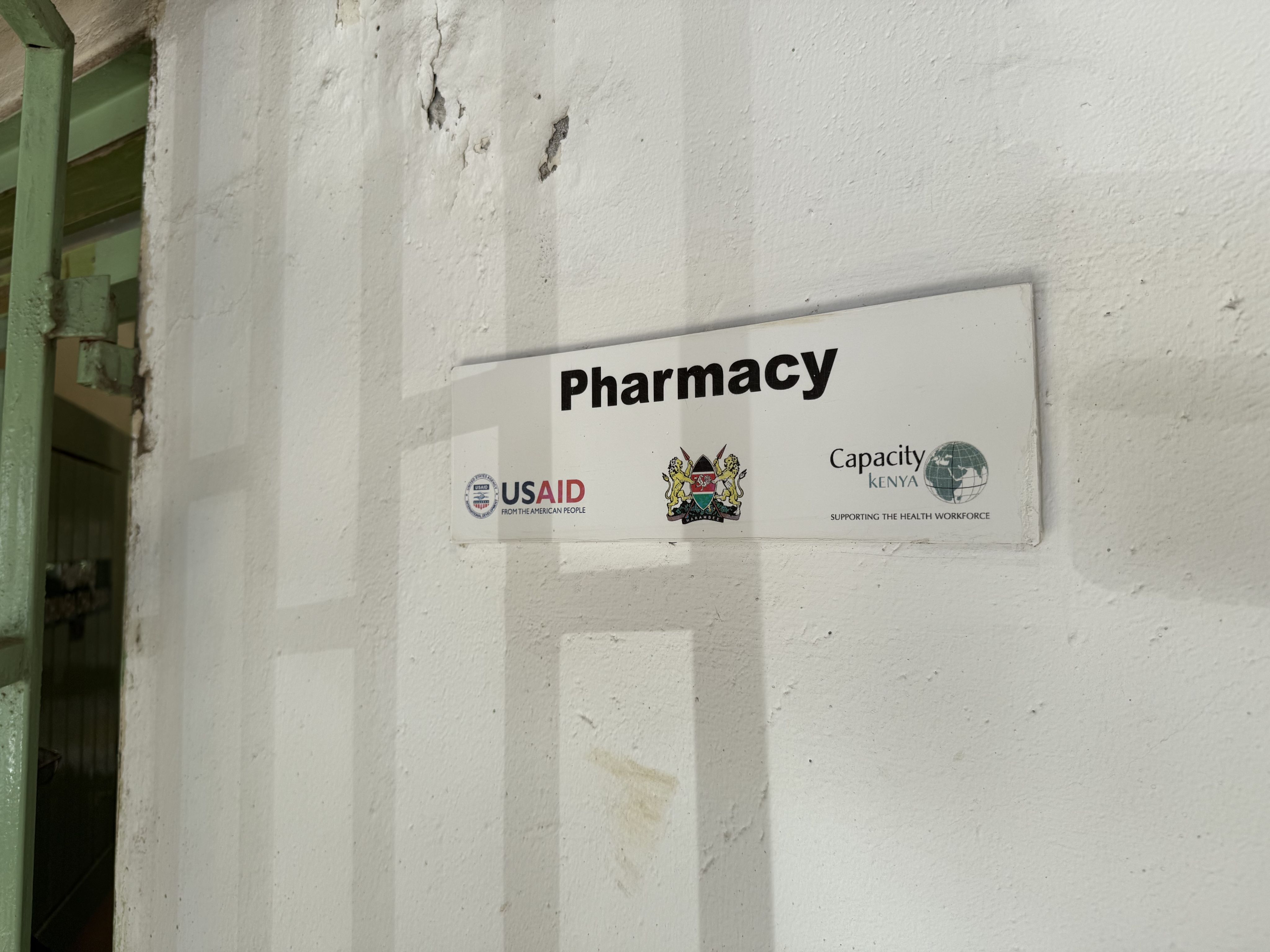
USAID committed about $470 million in foreign aid to Kenya annually between 2020 and 2025, with some 80% allocated toward health-related programs. A new report warns that U.S. funding cuts opened a major financing gap in Kenya’s health sector that threatens health care delivery and outcomes.
The U.S. is amid a seismic shift in how it delivers foreign aid in the wake of USAID’s dismantling. For global health, the U.S. State Department is signing bilateral agreements, including a five-year $1.6 billion agreement with Kenya — though a court has suspended parts of it over data privacy concerns while the case proceeds. The memorandum of understanding has the government taking over a greater share of salaries and benefits for health workers in the coming years — with the U.S. ultimately stopping that type of support.
And while the “cooperation framework” includes efforts to prevent maternal and newborn mortality, FGM isn’t mentioned. The agreement is also not slated to go into effect until April.

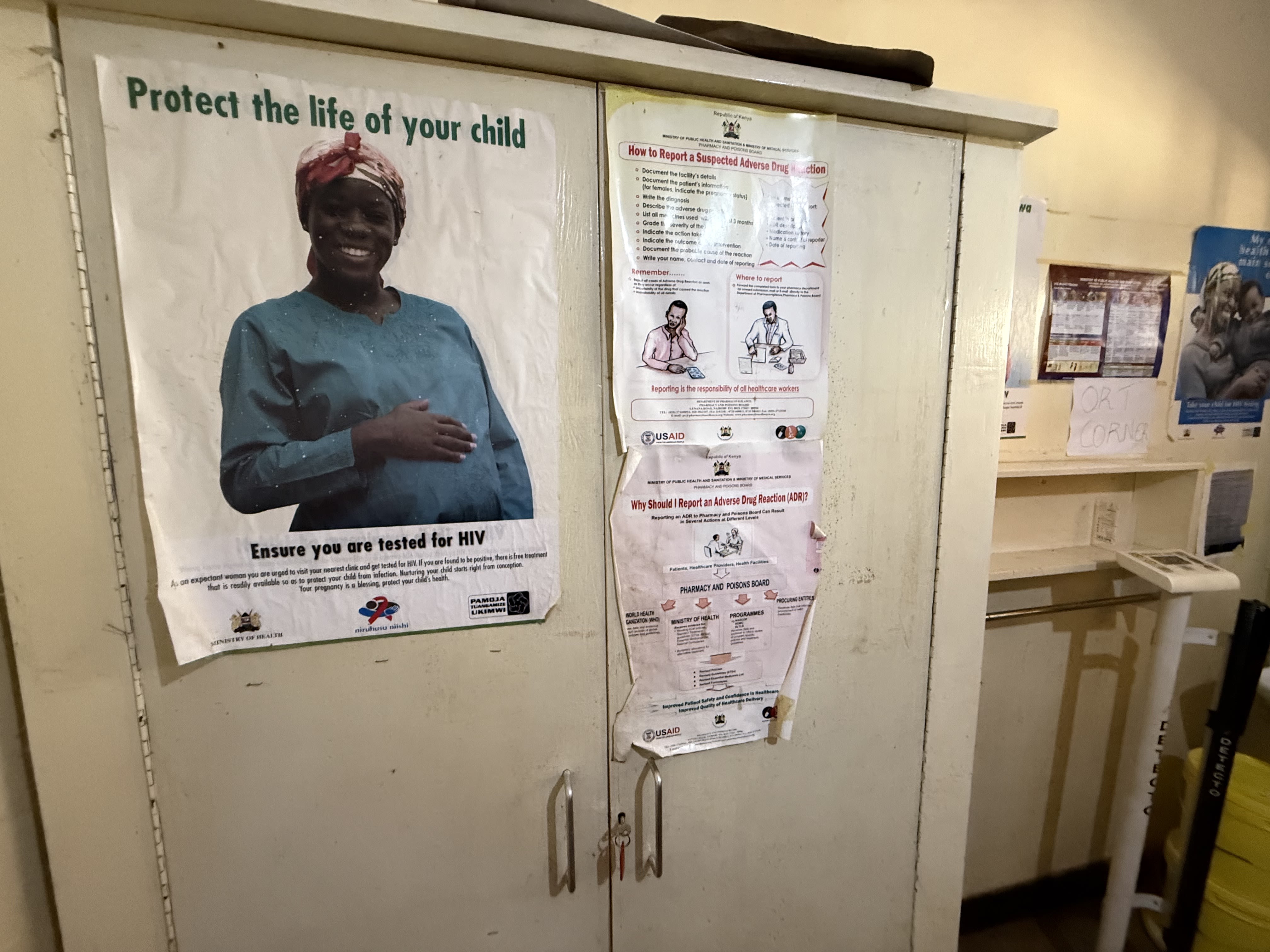

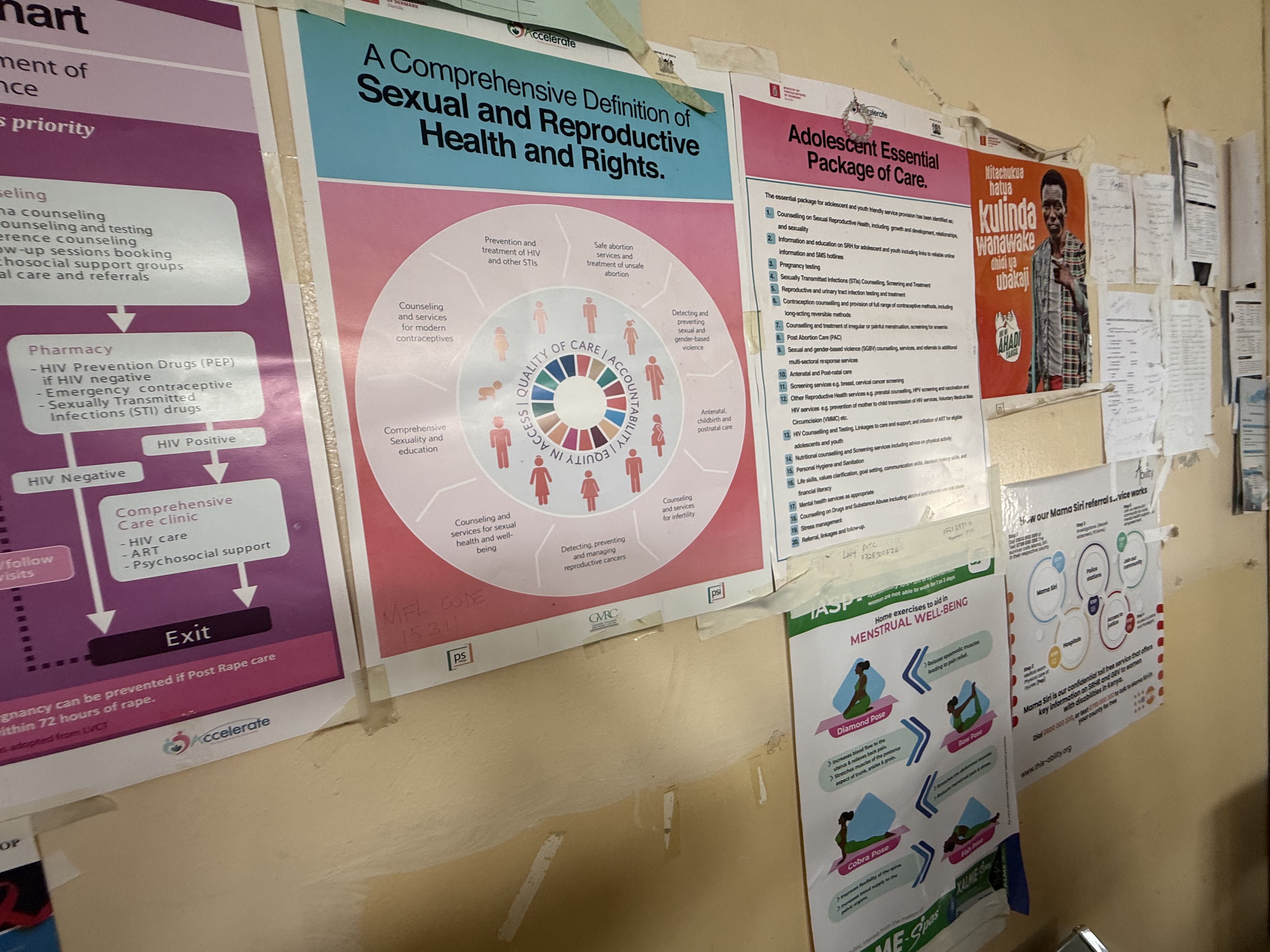


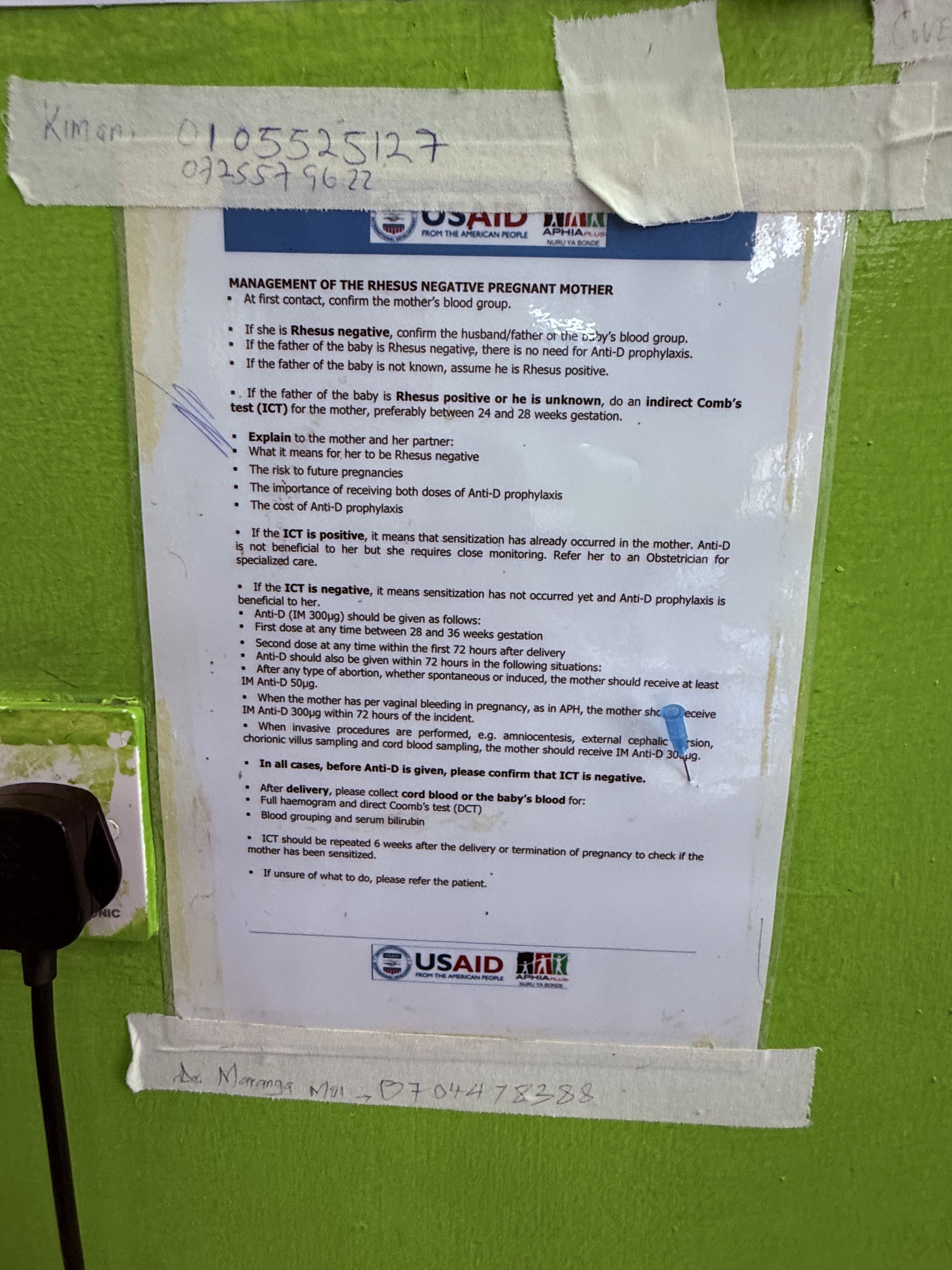
In the meantime, health facilities exist in limbo. USAID posters with detailed guidance on managing pregnancy complications remain on the walls of delivery wards.

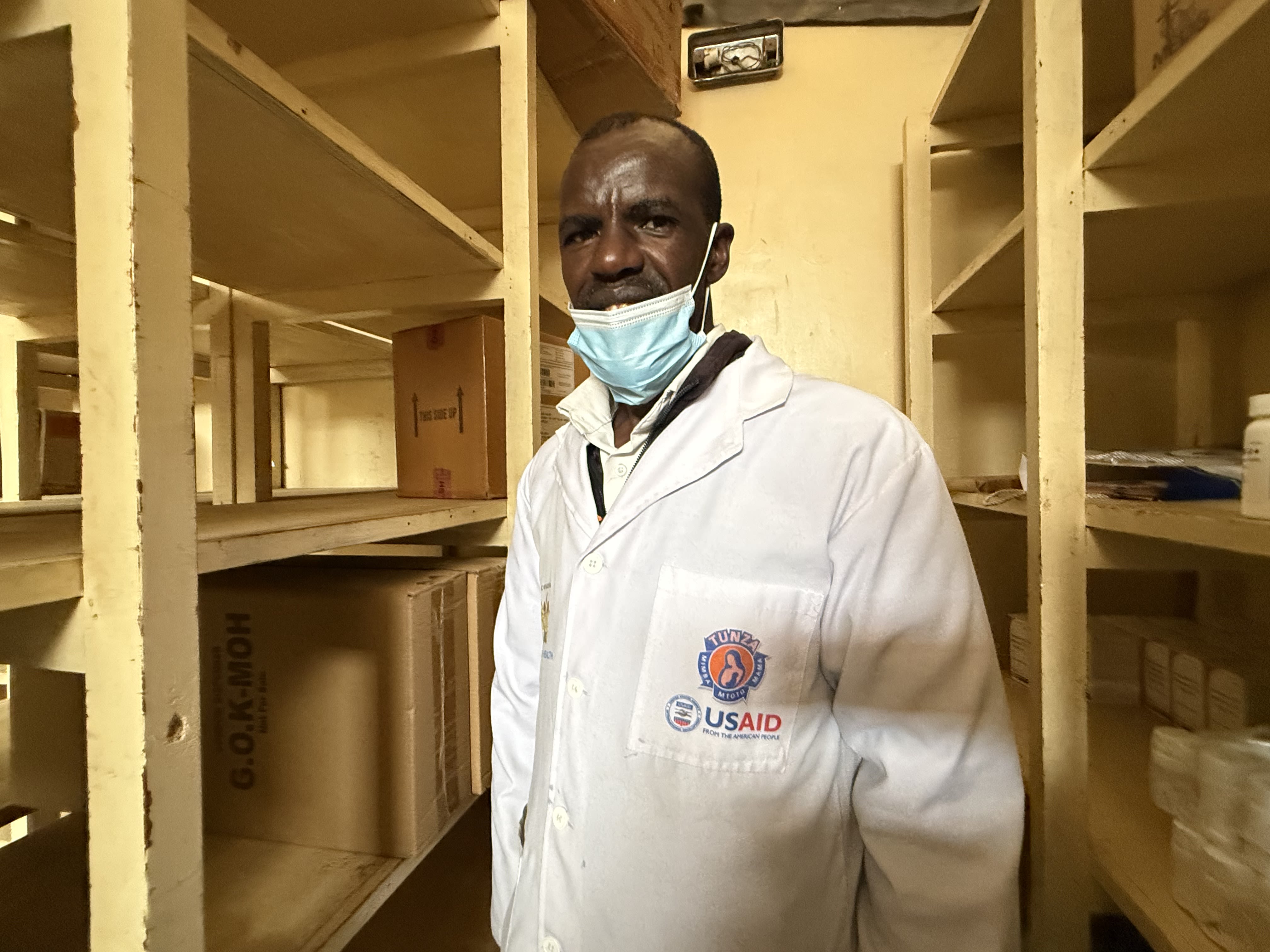
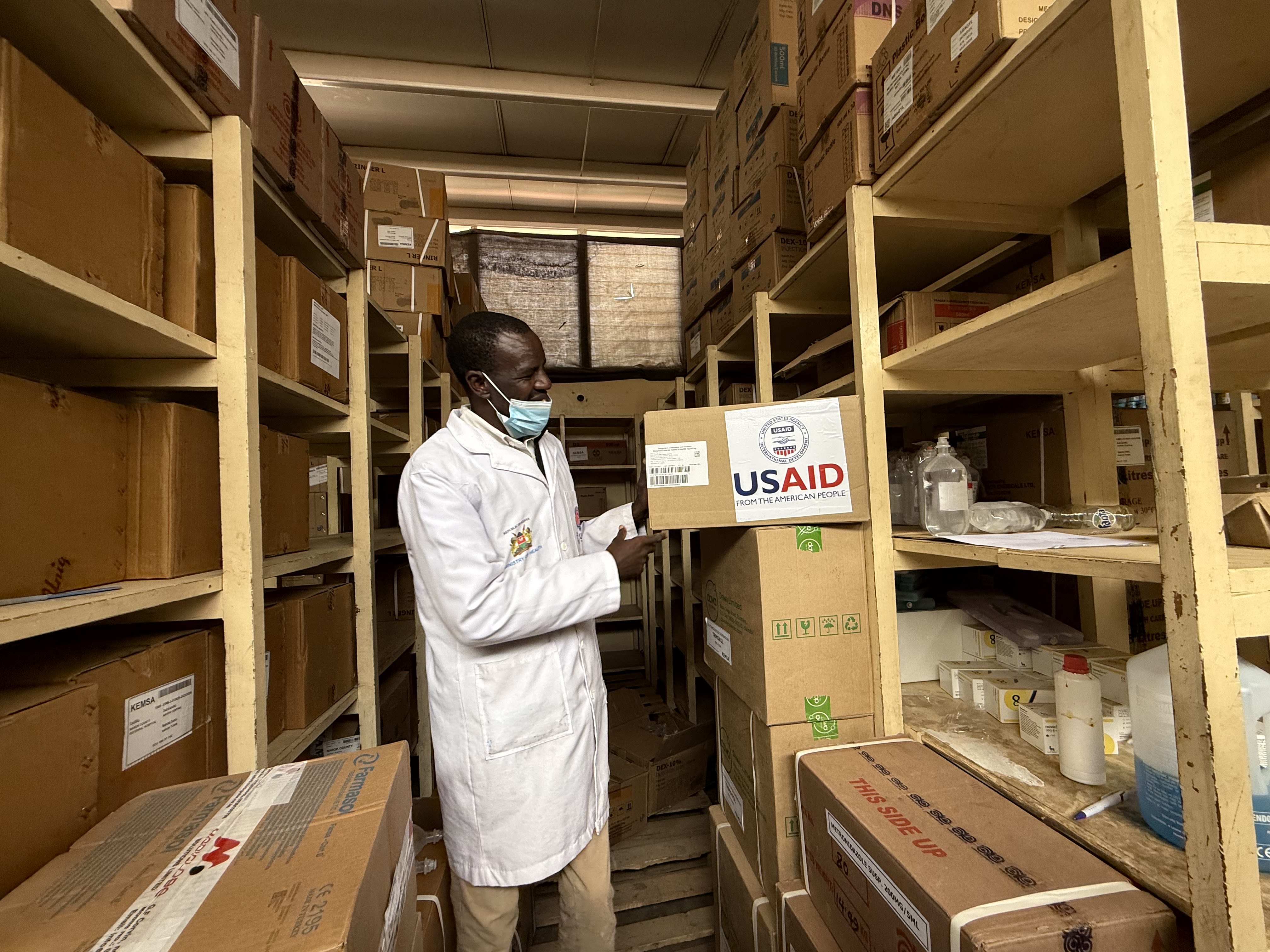
Health workers still wear coats marked with USAID logos, and remaining stocks of health products from the defunct agency remain on hospital shelves — some on the verge of running out.



And the Trump administration has taken particular aim at UNFPA — including removing its funding in its proposed budget, along with eliminating funds for family planning. Last year, the Trump administration terminated 44 of its UNFPA grants, totaling $335 million.
Last month, the Trump administration also withdrew from 66 international organizations, including UNFPA.
And while U.S. President Donald Trump signed a $50 billion foreign affairs bill that did include funding for UNFPA and family planning, it’s unclear if his administration will spend the funds.
The Trump administration also dramatically expanded the Mexico City Policy, with new rules that would significantly restrict how organizations implement U.S. foreign assistance. The policy blocks U.S. federal funding to international nongovernmental organizations that provide abortion services or offer information about abortion, even when those activities are funded by other donors. While UNFPA doesn’t promote abortion as a method of family planning or fund abortion services, the Trump administration has, without evidence, used this policy to withhold funding from it.
But now there are also three new rules, including one that dictates organizations not use funds to “promote gender ideology” or provide “sex-rejecting procedures.” The administration’s expansion includes applying the rules to U.N. agencies, which is unprecedented.
Beyond programs targeting FGM, UNFPA supports the training of health care workers on navigating birth complications and repairing fistulas, providing commodities needed for safe births, and logistics. UNFPA also supports countries with family planning through cofinancing, matching agreements. But it also previously received funding from the U.S. government to do so.
“I can’t say that we are filling all the gaps. Definitely not. There will be a big gap,” Thomsen said.
He also said the aid cuts from the U.S. and other countries reduce UNFPA’s capacity to respond, and in Kenya, it will likely need to prioritize some counties over others.
“We are very concerned that we are not going to be able to do the same with less,” he said.
UNFPA-UNICEF joint program’s Ahmed said that with the program facing sharp resource reductions, their teams are working to scale up their interventions within national health systems and in the social and education sectors, funded by domestic resources. They are also looking to innovative funding from the private sector, such as development impact bonds — a results-based financing model funded by the private sector which, if successful, is repaid by donors or governments.
In 2023, the United Nations in Kenya, led by UNFPA, UNAIDS, the World Health Organization, and the SDG Partnership Platform, in collaboration with the government of Kenya, global nonprofit organization Triggerise, the Children’s Investment Fund Foundation, and Bridges Outcomes Partnerships, announced a groundbreaking $10.1 million development impact bond for adolescent sexual and reproductive health in Kenya. FGM-related interventions will be included in its second phase.
Additionally, at the end of 2024, the European Union announced a three-year €4 million initiative specifically targeting FGM in Kenya.
Amref Health Africa also just launched a five-year, €50 million regional initiative, supported by the government of the Netherlands, to fight FGM and forced marriage across Kenya, Ethiopia, and Somalia.
But still, this delicate, slow-churn work of changing minds hangs in the balance. Nurse Nashipai said they’ll need to work harder to end FGM in Kenya.
“Because, actually, it’s a monster,” she said.
Update, Feb. 17, 2026: This piece has been updated to reflect Amref Health Africa's announcement.
Editor’s note: UNFPA facilitated travel for this reporting with funding from the Novo Nordisk Foundation. Devex retains full editorial independence.
Photos and videos by: Sara Jerving
Edited by: Rumbi Chakamba
Copy edited by: Florence Williams and Nicole Tablizo
Production by: Mariane Samson
 Built with Shorthand