

From breakthroughs to better lives: The path to dengue-free communities?
In Brazil, scientists and communities are teaming up to release mosquitoes that block dengue transmission. This visual story follows the journey from lab to neighborhood, showing how R&D protects communities from disease.

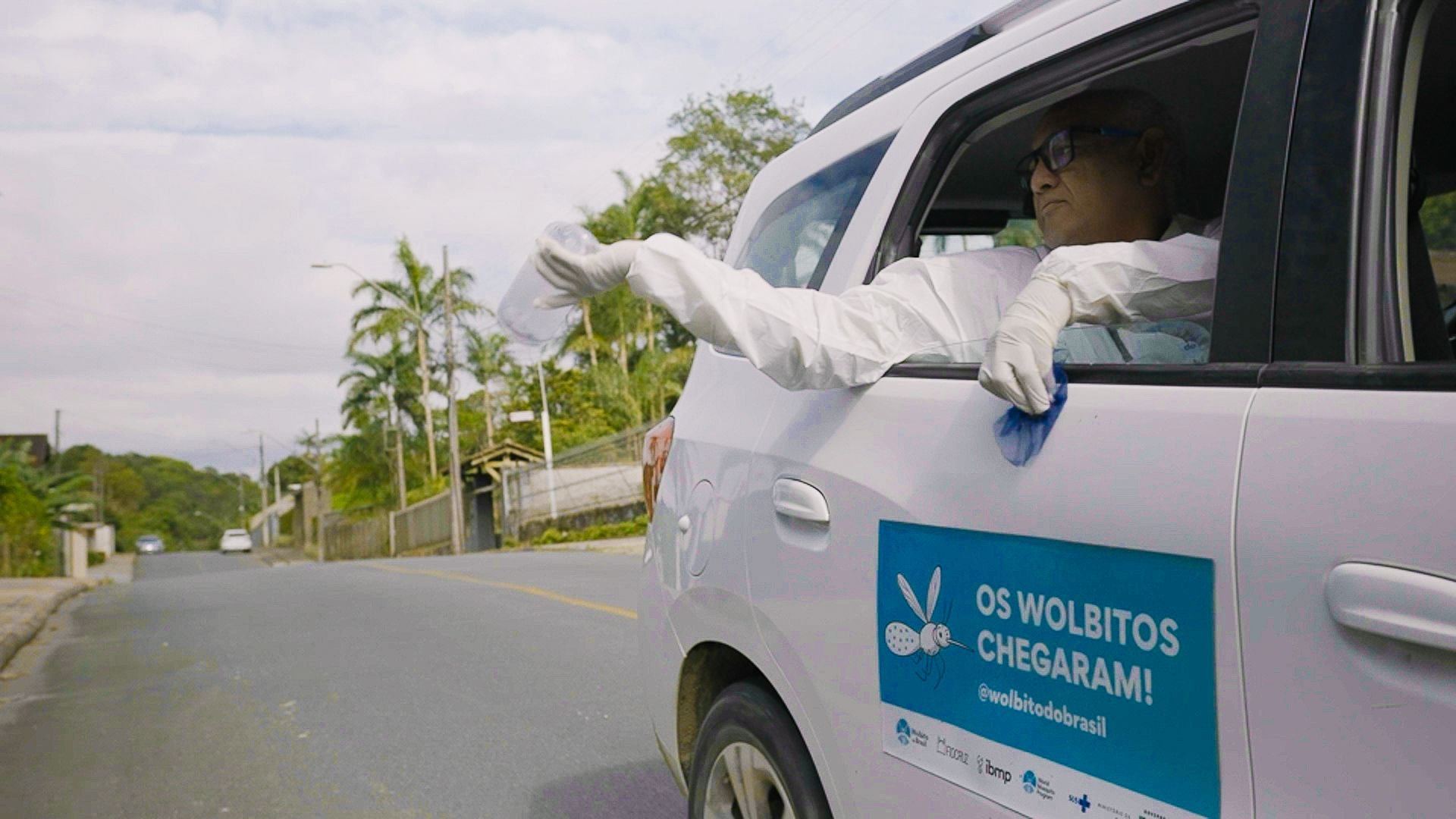
In the glow of daybreak in Joinville, a city in southern Brazil, a white minivan navigates the quiet residential streets. It is a scene that, at first glance, resembles a standard municipal pest control operation. But the team inside is not there to fumigate. They are not wearing masks to protect themselves from insecticides, and the tubes they are carrying do not contain chemicals.
Instead, they are holding mosquitoes — 72,000 of them.
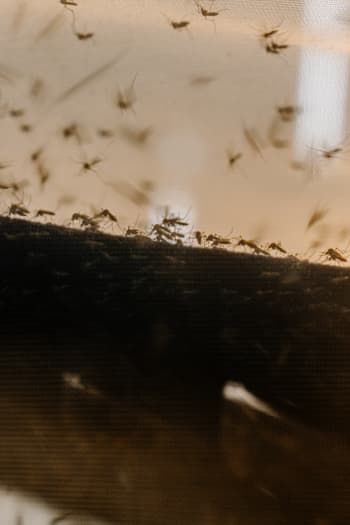
Guided by a navigation app to reach a designated coordinate, a health professional leans out of the window, uncaps a tube, and shakes it. A small cloud of Aedes aegypti — the same species responsible for transmitting diseases such as dengue, Zika, and chikungunya — drifts into the air.
For decades, public health messaging in Brazil has been singular and martial: Eradicate the mosquito. Eliminate standing water. Fumigate the streets. Yet here, in the aftermath of the worst dengue crisis in the country’s history, the strategy has been inverted.
“Many people thought it was very strange,” admits Noel Maciel, a resident of Joinville who watched the releases with hope — and a little trepidation. “How can you release more mosquitoes? But my thought was that it would work, I just didn’t imagine it would work in such a short time.”



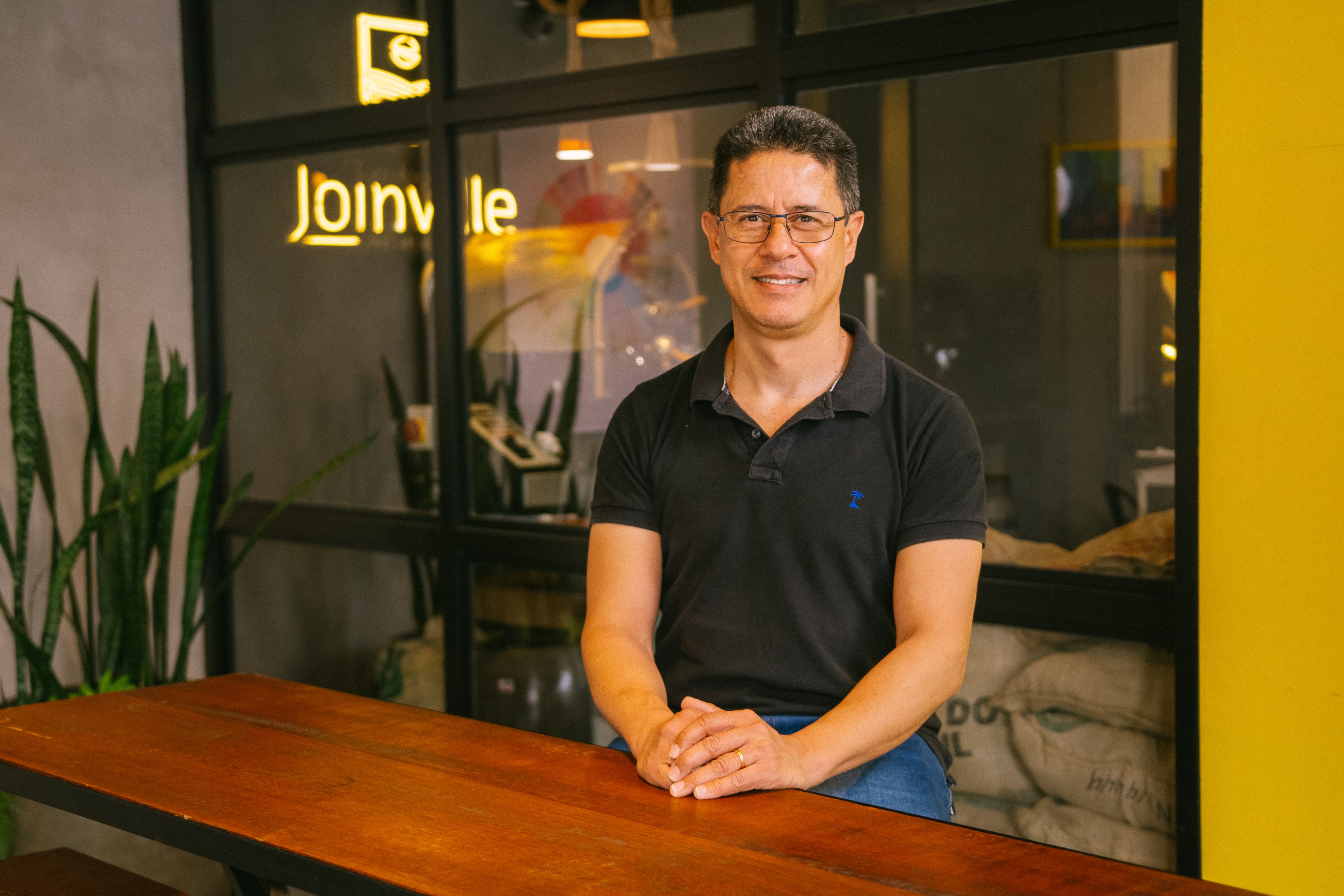
Maciel’s neighborhood is on the front line of a biological innovation. These mosquitoes are “Wolbitos” — infected with a naturally occurring bacterium called Wolbachia. This microscopic tenant renders the insect incapable of transmitting some viruses, including dengue, chikungunya, and Zika. By releasing them to breed with wild mosquitoes, scientists are not trying to wipe out the Aedes population, but to make it harmless to people.
What might seem a counter-intuitive approach requires scientific rigor, industrial-scale production, and — most of all — the trust of a community asked to welcome a creature they have long feared.
A crisis amplified by climate


In 2024, Brazil faced a startling resurgence of dengue, recording more than 10.2 million cases and over 6,300 deaths. In both cases, that was more than two-thirds of the global total, placing a substantial strain on the country’s national health care system and the economy.
The crisis in Brazil was a pivotal moment, causing a global shift: In 2024, cases globally were 12 times higher than in 2014. Dengue is a climate-sensitive disease, and as temperatures rise and rainfall becomes more erratic, Aedes aegypti is expanding its range, reaching into higher altitudes and latitudes that were previously too cool for it to survive. Climate change could also lead to longer transmission seasons and increased mosquito prevalence throughout the year.
That included Joinville in Santa Catarina state, known as the City of Flowers, which only recorded its first dengue case in 2011 but reached 80,220 cases and 83 deaths in 2024. Symptoms of the disease include severe fever, muscle pains, and internal and external bleeding.
“It took me almost 60 days to fully recover,” says Adrielly Amarante, a hotel worker from Joinville who had dengue four years ago.“I wasn’t very active, but I used to ride my bike. Even pedaling slowly or doing daily activities was difficult. I had joint pain, especially behind my knees, and pain behind my eyes.”

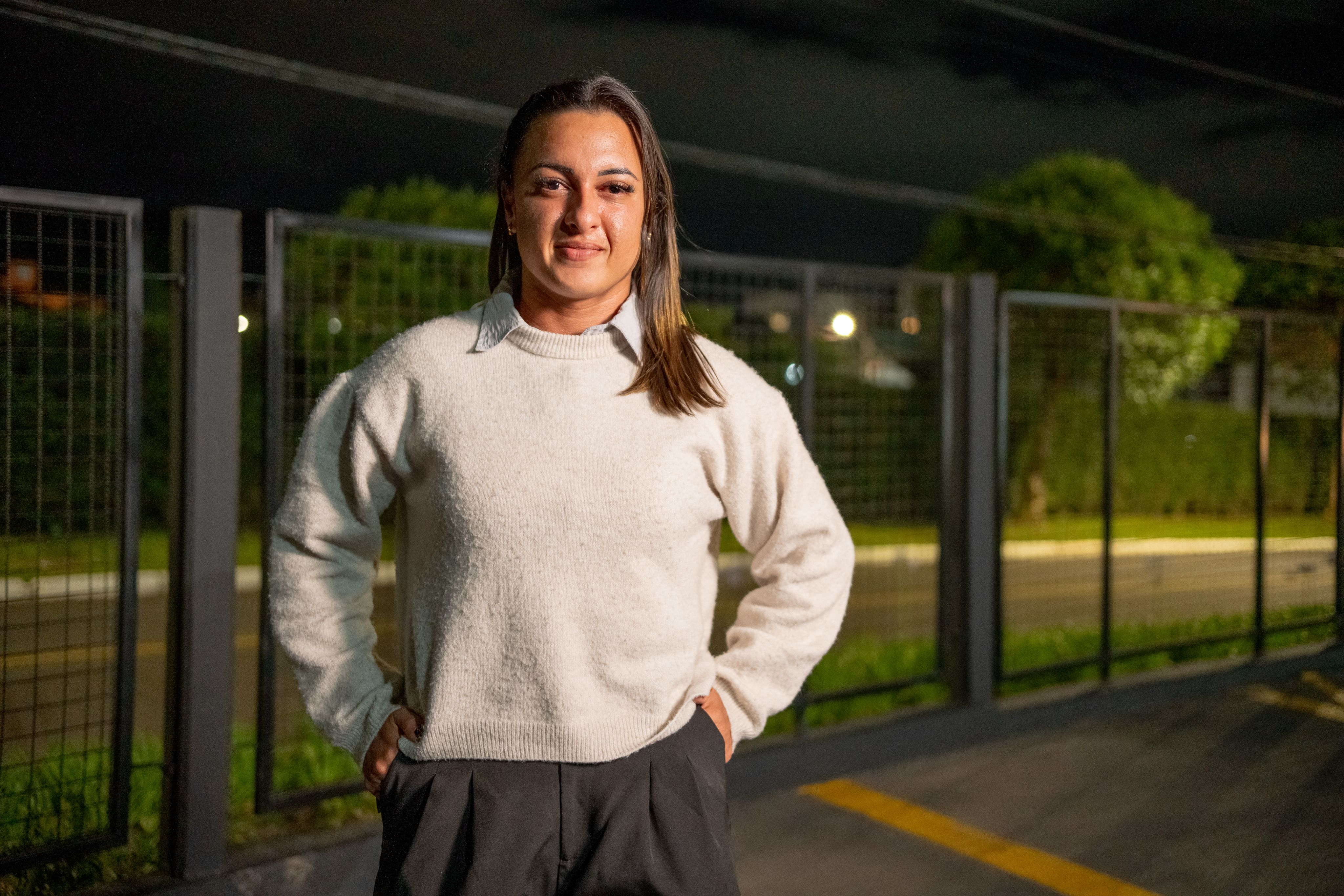
"It took me almost 60 days to fully recover. I wasn’t very active, but I used to ride my bike. Even pedaling slowly or doing daily activities was difficult."
Luciano Moreira, the CEO of Wolbito do Brasil, the company breeding Wolbachia mosquitoes, says climate change is driving dengue’s spread into new areas. “In Brazil, especially, we are seeing dengue spread all over the country. In the south of Brazil ... the situation is really bad because people have never seen dengue before.”


Traditional control methods are failing to keep pace. Insecticides are becoming less effective as mosquitoes develop resistance, and the sheer speed of urbanization provides endless breeding grounds for the vector. A sustainable, climate-smart solution was needed.
“We were experiencing chaos and needed to do something different,” says Anderson da Silva, environmental surveillance manager at the Municipal Health Department of Joinville. “We pursued Wolbachia as a complement to our existing measures — we didn’t stop anything; we integrated it into the work we were already doing.”
“Even though there are tools available today, on their own they’re not consistently effective,” says William Garrood, senior research manager for vector control and therapeutics on Wellcome’s infectious disease team. “New options — like vaccines and, we hope, future therapeutics — will help, but the aim is an integrated dengue‑control approach so we’re not over‑reliant on any single tool. That’s why sustained research and development investment matters.”
The answer lay in a discovery made thousands of miles away, involving a bacterium that exists naturally in about 50% of insect species — but crucially, not in Aedes aegypti.



The trojan horse

World Mosquito Program, or WMP, scientists in Australia — which reported 5,853 locally acquired and imported cases of dengue between January 1999 and December 2010 despite being nonendemic — made the key breakthrough nearly two decades ago. In 2011, WMP conducted the first community releases of Wolbachia-infected Aedes aegypti in northern Queensland, and after just a few releases, local dengue transmission in those suburbs ceased — an early case study that demonstrated the promise of the technology well before its rollout in low- and middle-income countries.
Researchers were investigating Wolbachia to see if it could shorten the mosquito's lifespan. Instead, they found something far more valuable.


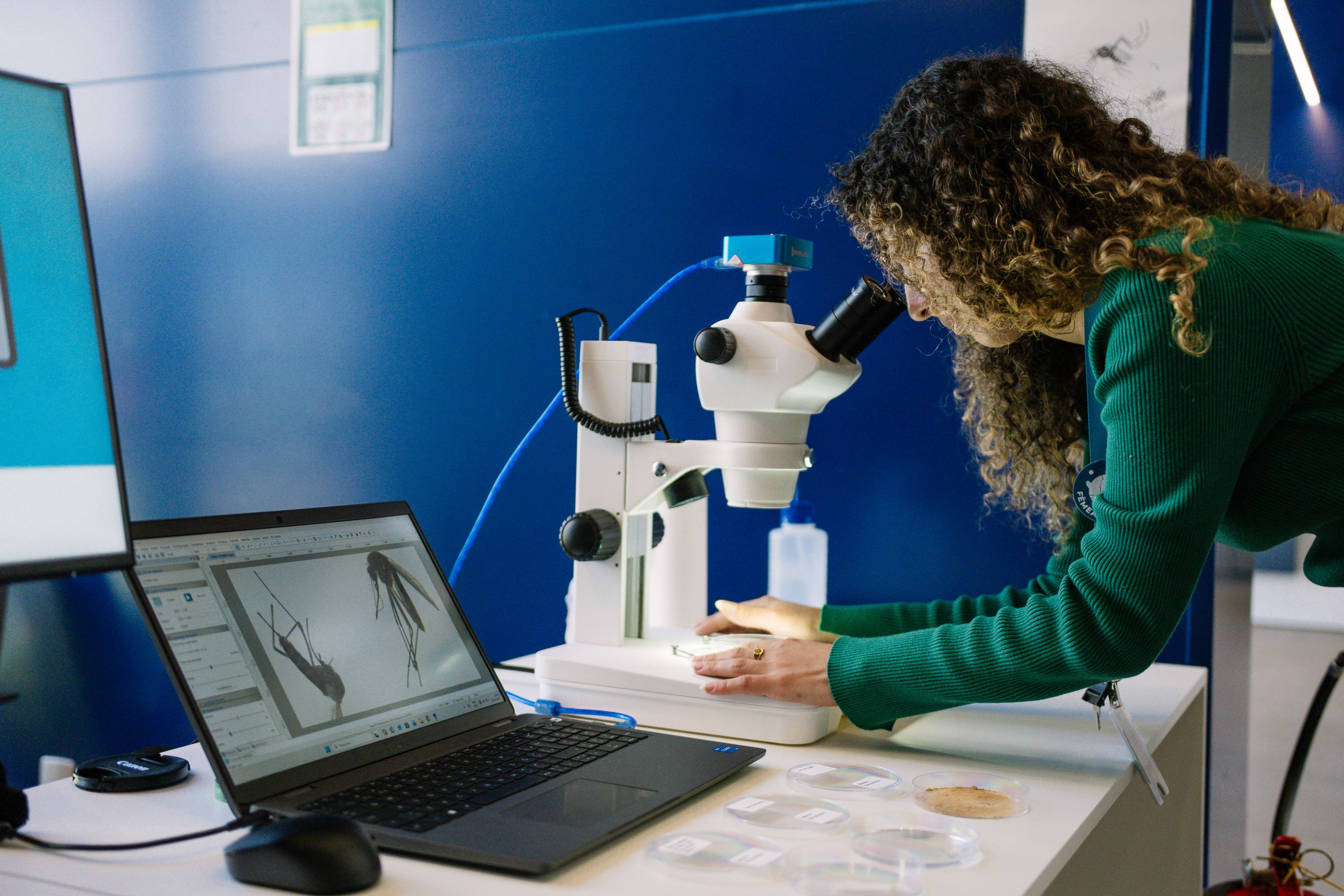




“When we challenged these mosquitoes with dengue, we discovered that Wolbachia was actually blocking the virus inside the cells of Aedes aegypti,” Moreira, who participated in the early research efforts in the Antipodes, recalls. “So that was a huge discovery.”
The mechanism is effectively a biological competition. The bacteria compete with dengue for resources within the mosquito's body, preventing the virus from replicating. If the virus cannot replicate, the mosquito cannot transmit it to a human.
However, the genius of the method lies in its sustainability. When a Wolbachia-infected female mates with a wild male, she passes the bacteria to all her offspring. When a Wolbachia-infected male mates with a wild female, her eggs rarely hatch. Once a threshold is reached, the “Wolbito” population naturally replaces the wild population without any additional interventions.
The impact of these mosquitoes lasts well beyond their initial release, Gabriel Sylvestre, Wolbito do Brasil’s implementation manager, explains. “The offspring have Wolbachia and then, generation after generation, they are replaced with mosquitoes that cannot transmit [the disease].”
The Biofactory
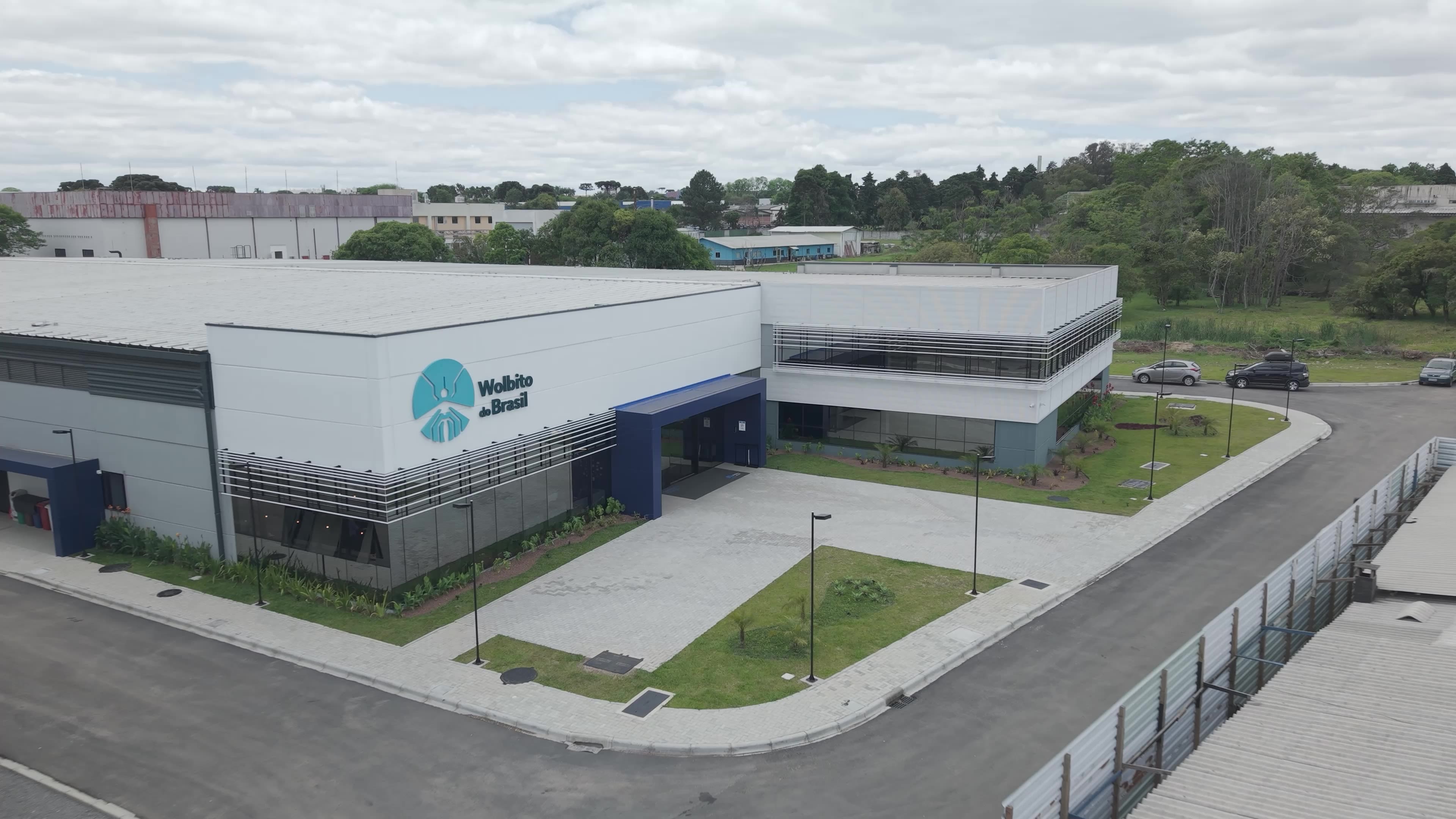

To turn a laboratory discovery into a national health policy, you need an evidence base and a factory. After successful pilots in Rio de Janeiro and neighboring city Niterói, WMP established one of the largest mosquito breeding facilities in the world in Curitiba, in the southern state of Paraná. The biofactory is a joint venture between WMP, Fiocruz, and the Institute of Molecular Biology of Paraná, or IBMP.
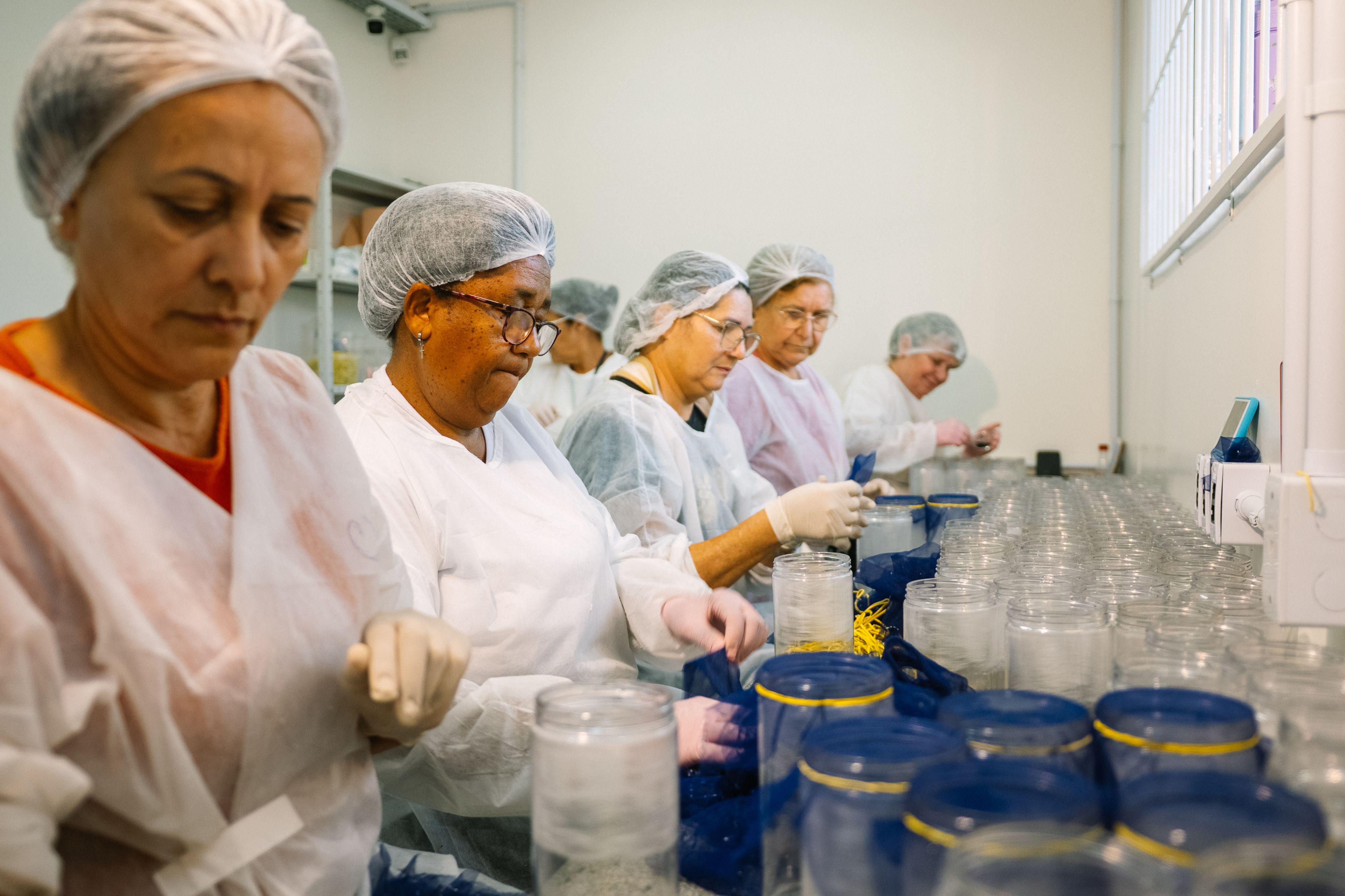
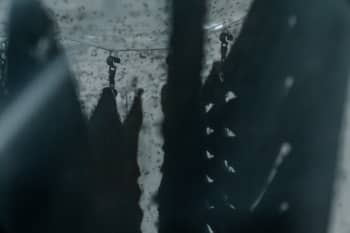
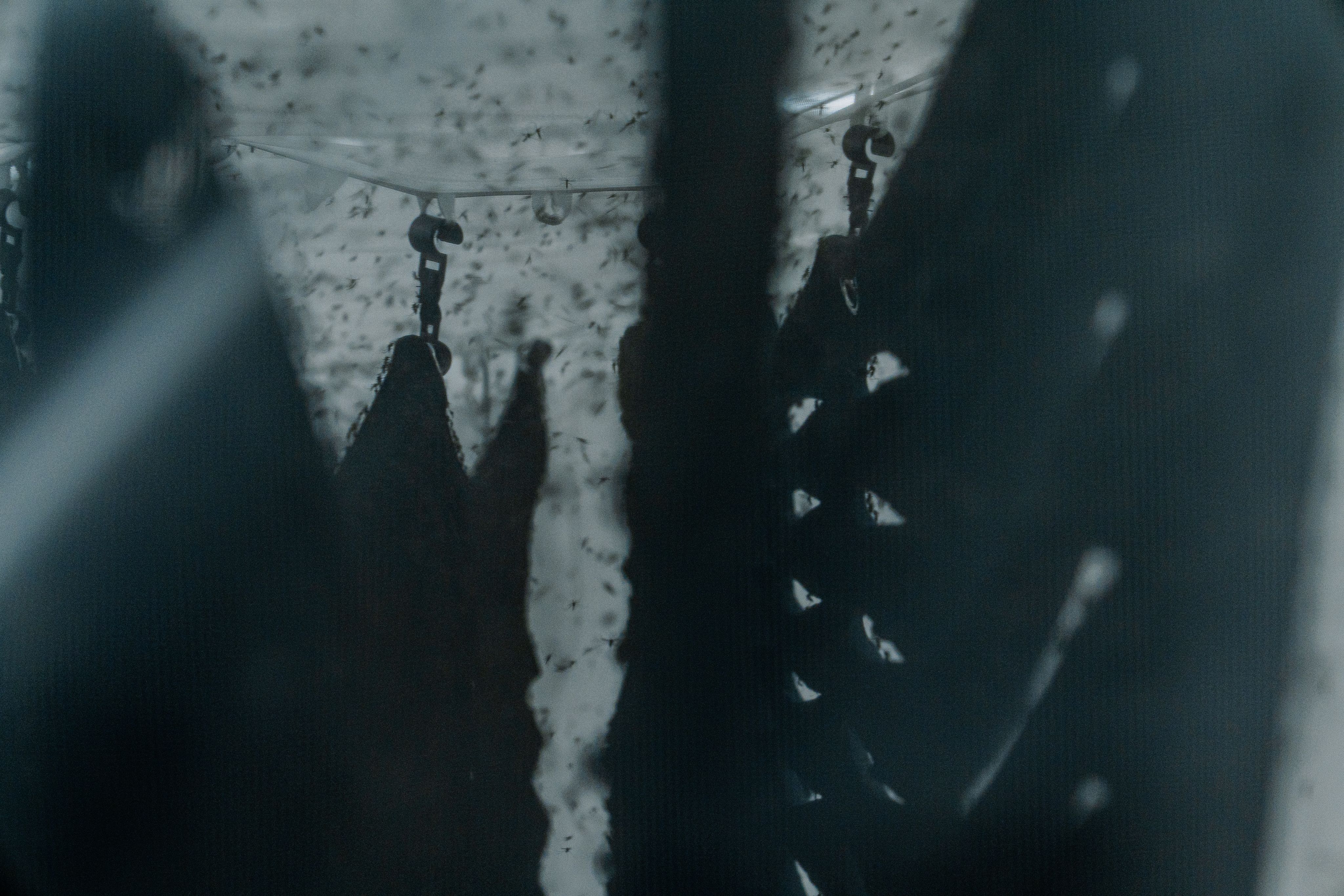
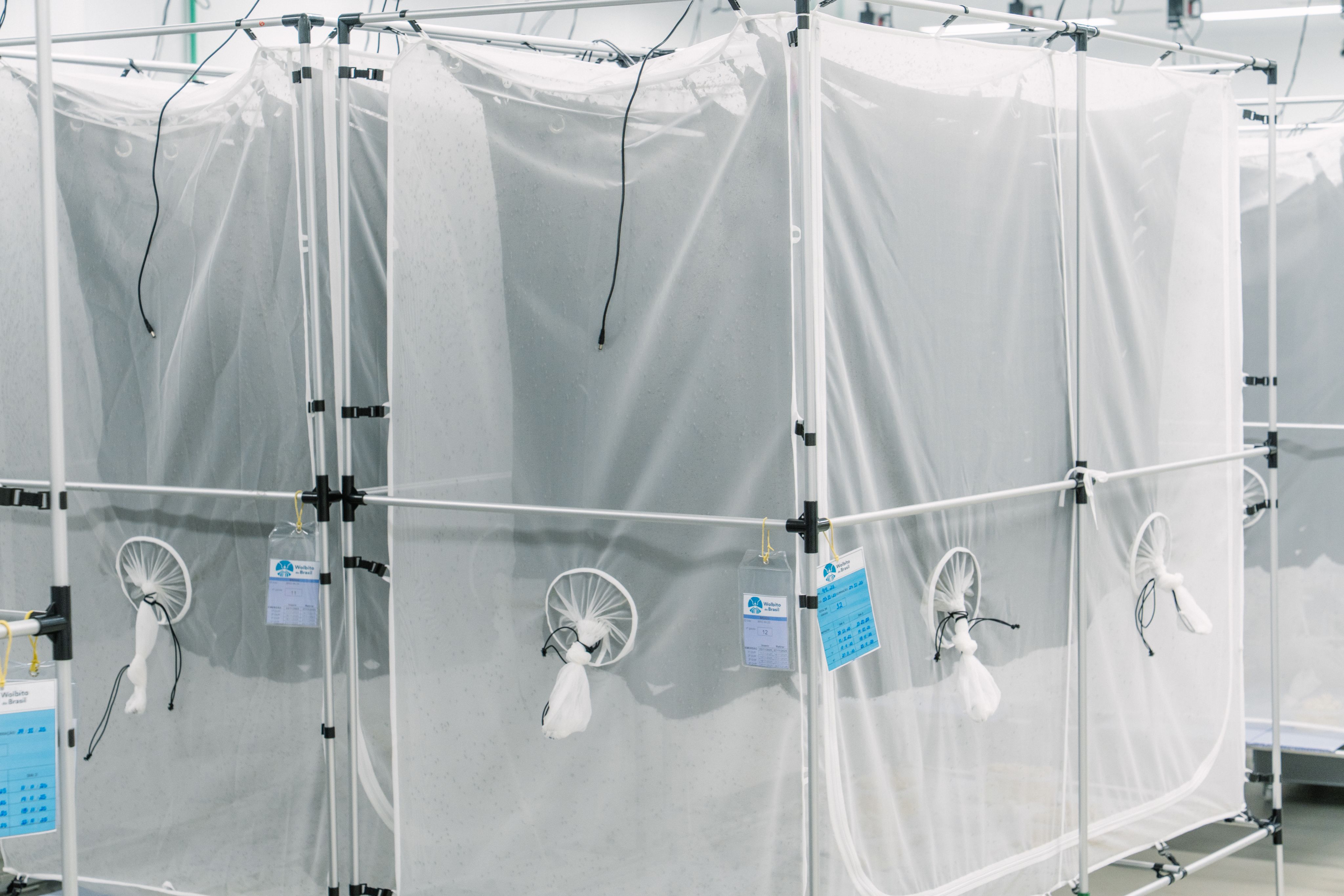
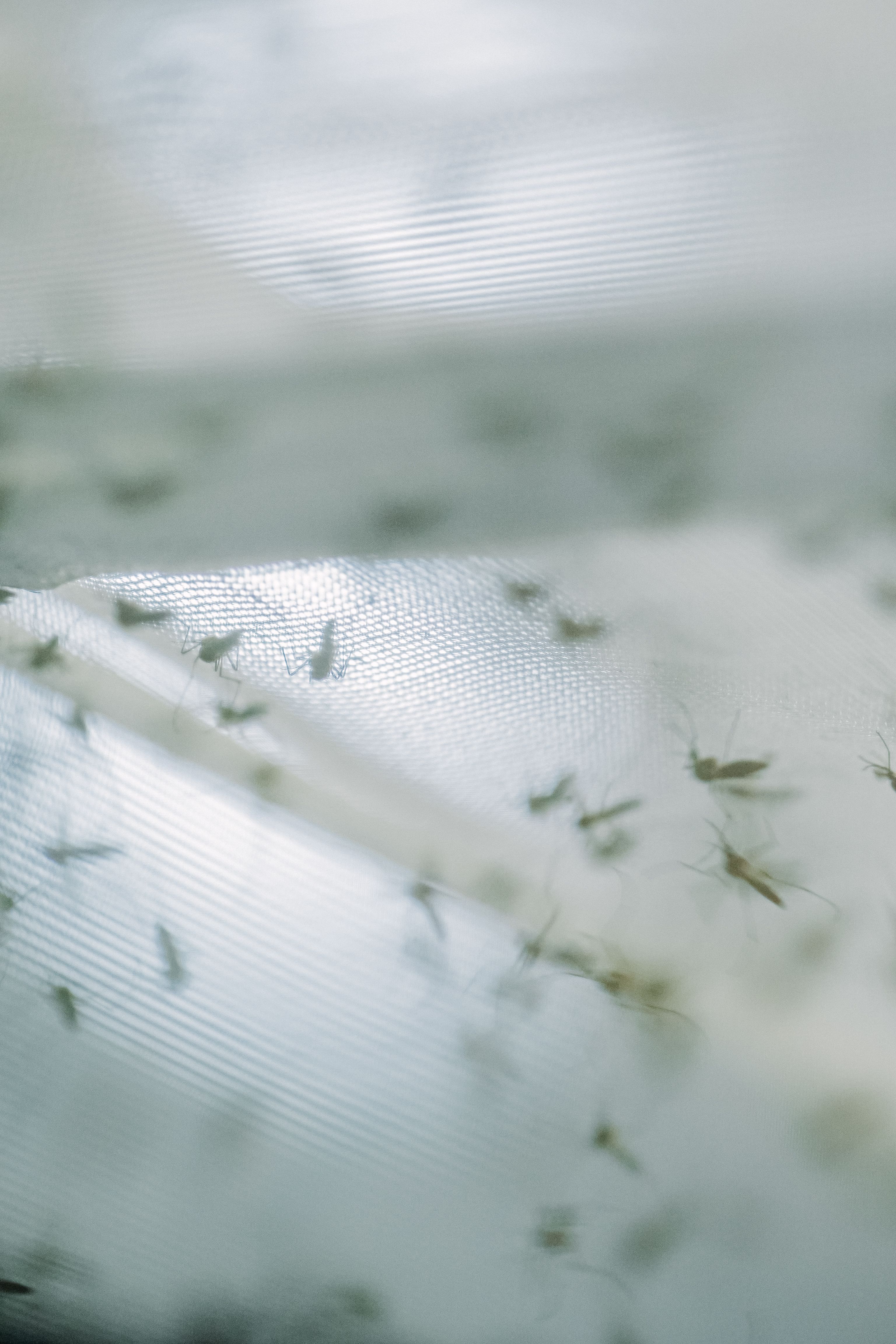
Entering the sealed zone of the 5,600 square meters installation requires facial recognition and personal protective equipment. Near the dozens of head-height cages, which are shrouded in mosquito nets, the air is kept at a tropical humidity. The facility is designed to optimize every stage of the mosquito’s life cycle, from larval rearing to egg harvesting. “The idea was to produce 100 million eggs per week. So more than five billion eggs per year,” says Moreira, standing amid the rows of breeding cages. “This is the biggest [facility] so far in the world.”



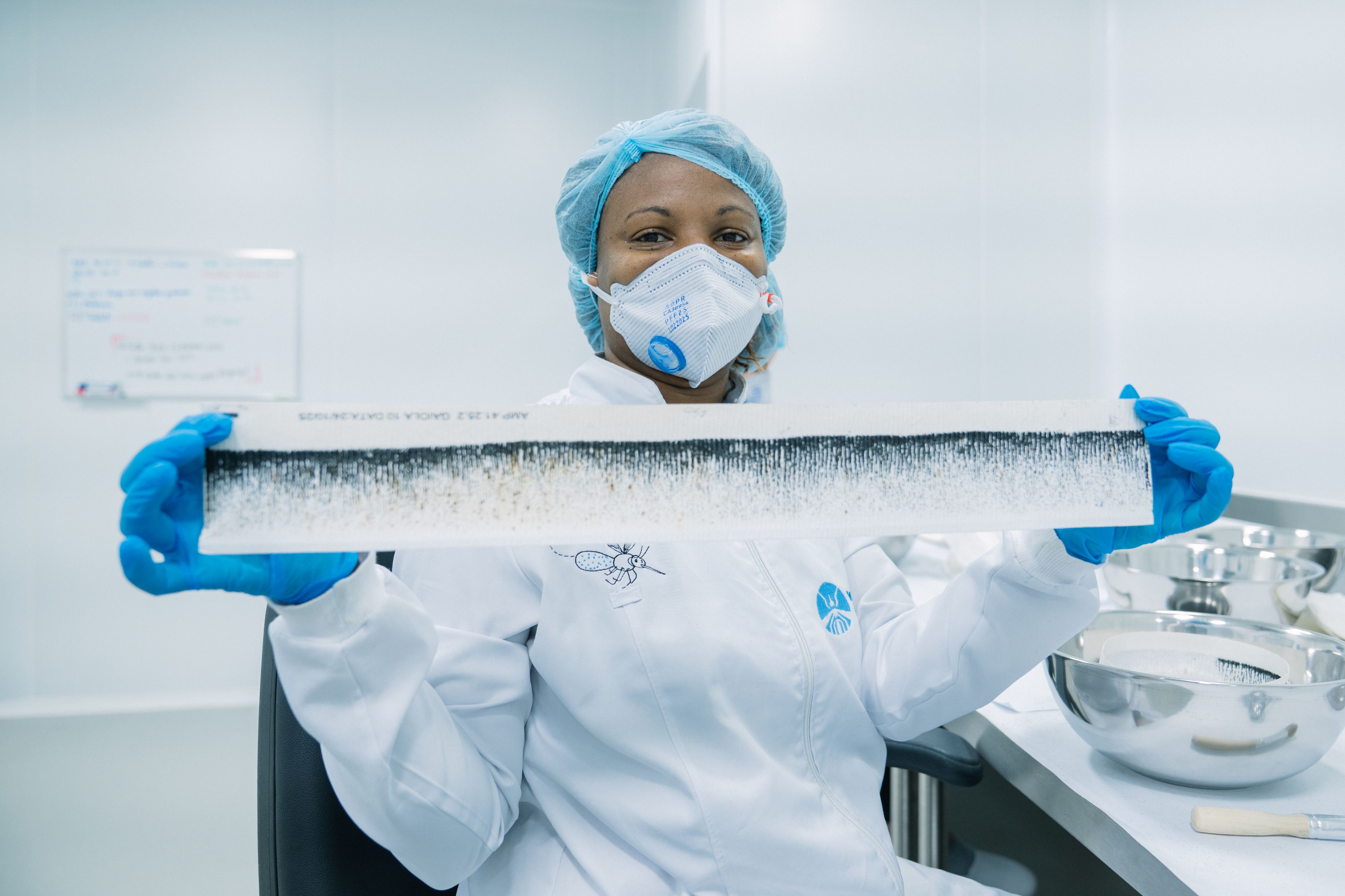
Scientist Yanelis Perdomo holds a paper strip containing mosquito eggs removed from a breeding enclosure at the Wolbito do Brasil biofactory in Curitiba, Brazil. Photo by: Léo Mello/Camisa Preta Filmes.
Scientist Yanelis Perdomo holds a paper strip containing mosquito eggs removed from a breeding enclosure at the Wolbito do Brasil biofactory in Curitiba, Brazil. Photo by: Léo Mello/Camisa Preta Filmes.

Scientist Livia Lopes uses a small sieve to count mosquito eggs at the Wolbito do Brasil biofactory in Curitiba, Brazil. Photo by: Léo Mello/Camisa Preta Filmes.
Scientist Livia Lopes uses a small sieve to count mosquito eggs at the Wolbito do Brasil biofactory in Curitiba, Brazil. Photo by: Léo Mello/Camisa Preta Filmes.

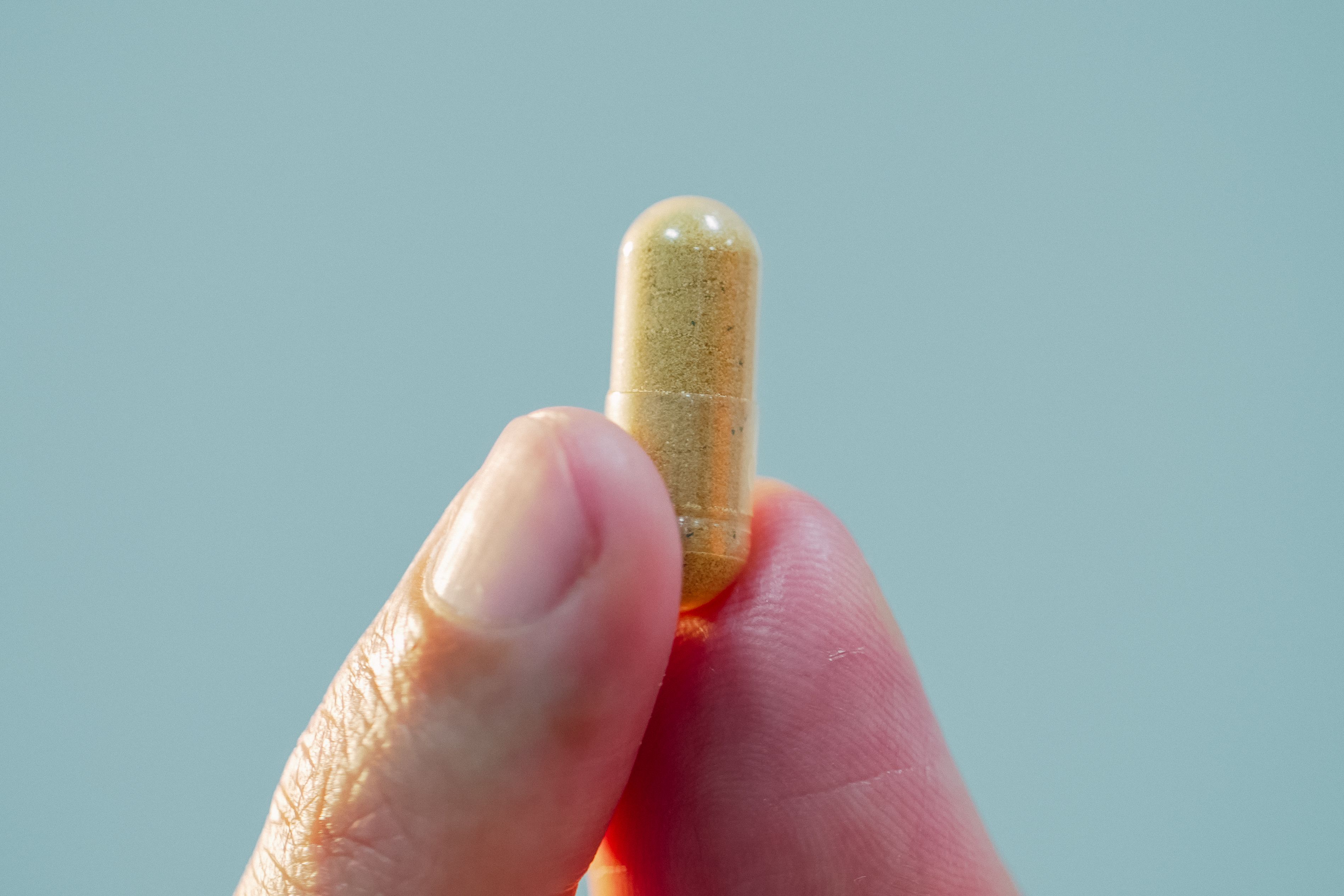
Capsules containing the eggs of Wolbachia mosquitoes ready for transportation. Photo by: Léo Mello/Camisa Preta Filmes.
Capsules containing the eggs of Wolbachia mosquitoes ready for transportation. Photo by: Léo Mello/Camisa Preta Filmes.
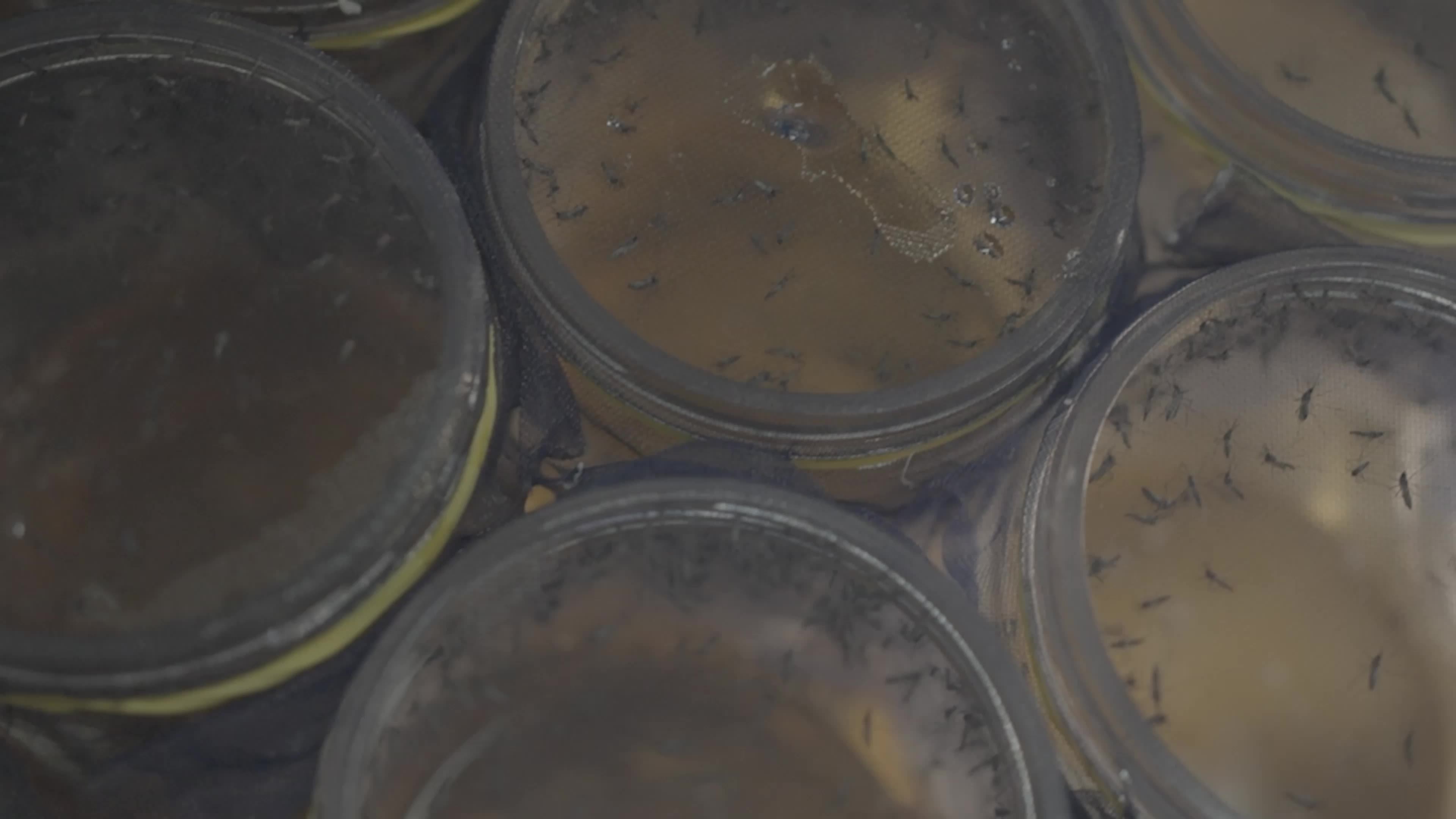
The logistical operation is vast. The mosquitoes are fed a diet of sugar (for males) and horse and donated human blood (for females) to stimulate egg production. The resulting eggs are highly resilient; they can be dried, packaged, and shipped across the country by car, plane, or boat. They remain viable for months, waiting only for water to trigger the hatching process.
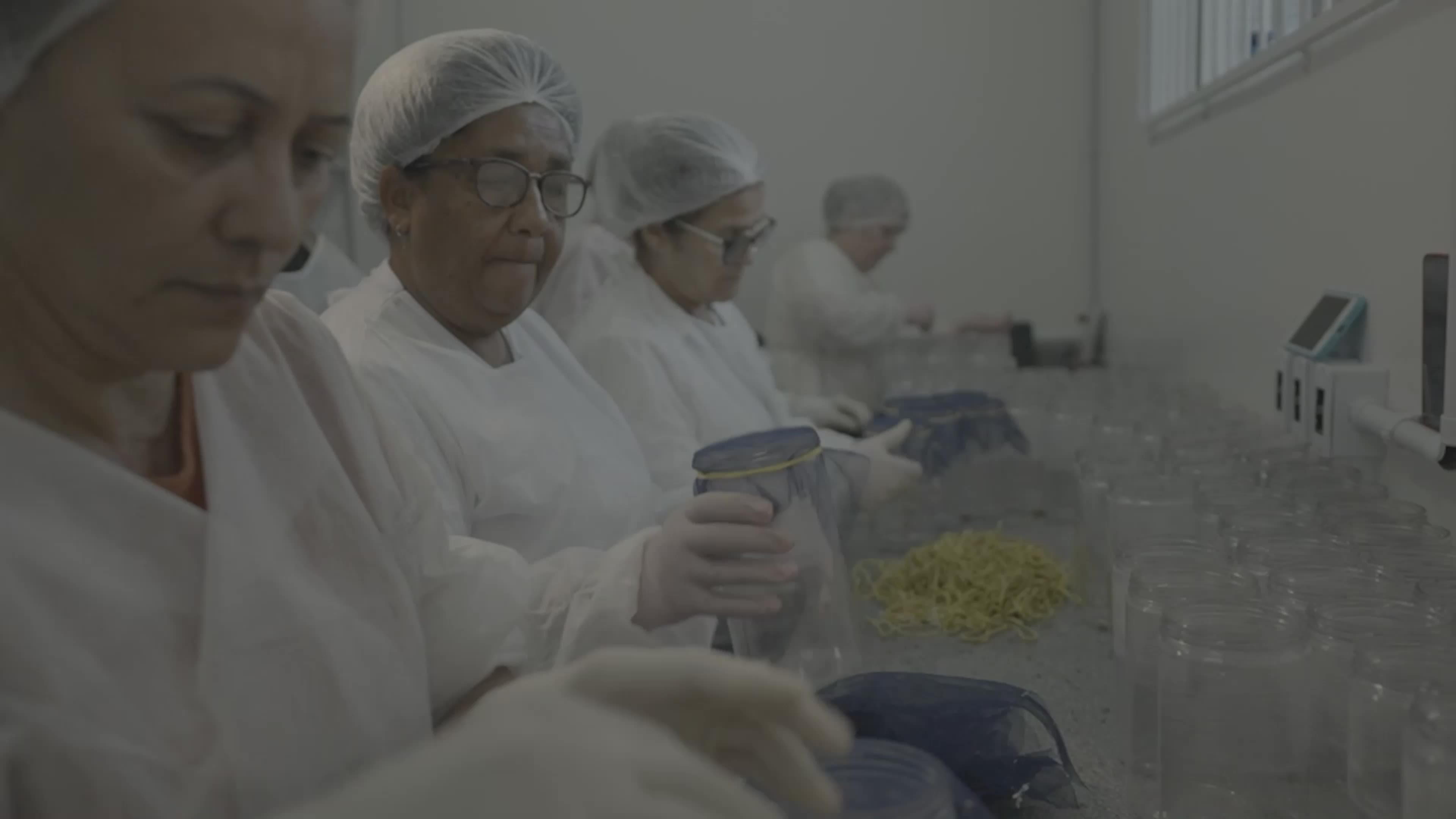
This durability allows the Curitiba facility to act as a central hub, supplying “Wolbito” eggs to local release sites potentially thousands of kilometers away, which activate the egg capsules simply by adding water. The larvae then take about a week to develop into adult mosquitoes, ready to be released.
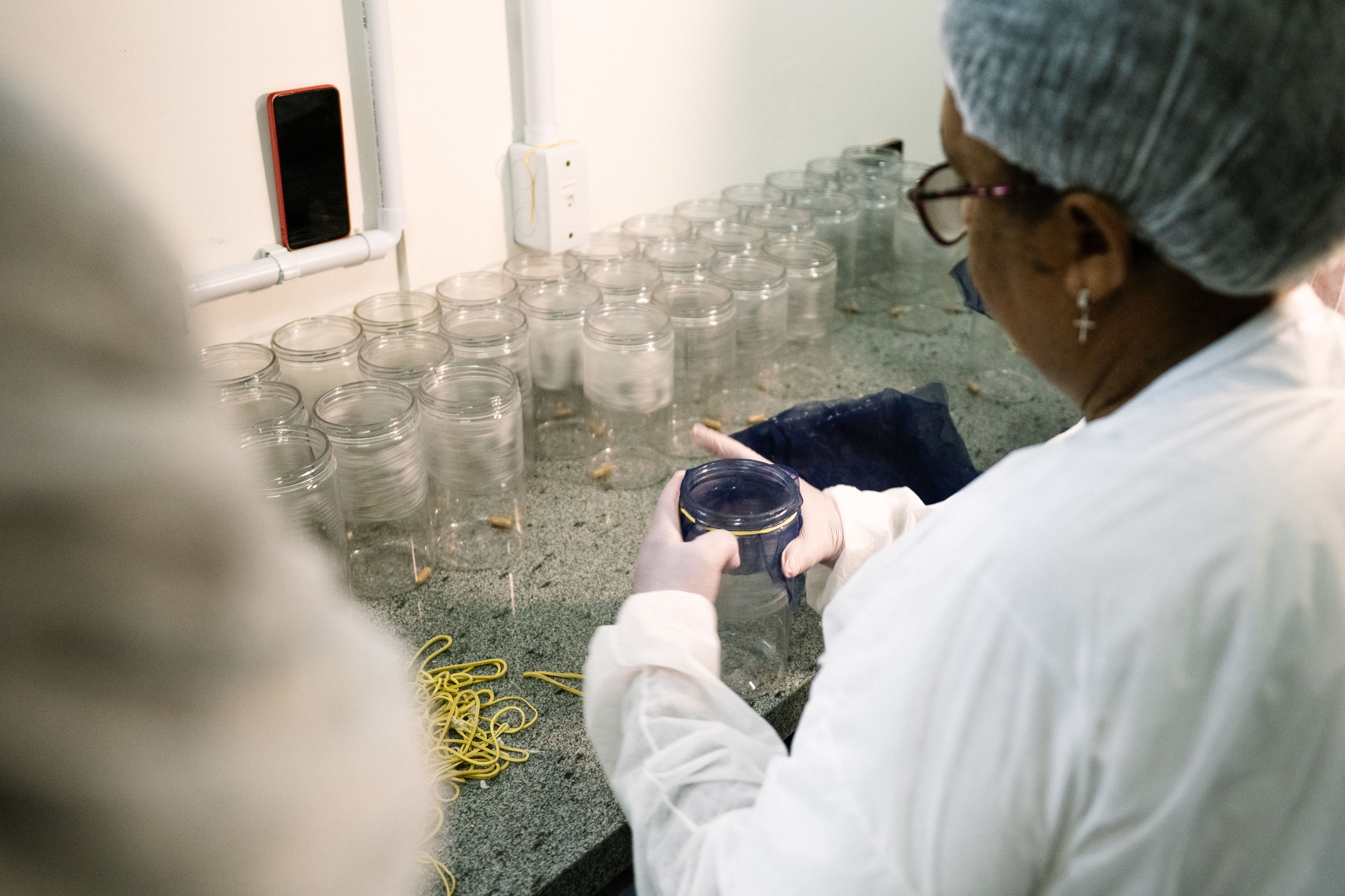
“To move a promising idea like Wolbachia from small pilots to a country program, you need long‑term planning and investment. That means manufacturing capacity, robust logistics to reach the communities that need it most, technical expertise in the workforce, and strong community engagement — alongside secure financing and government partnership so programmes can be sustained.”
the human variable

Yet, the most sophisticated biofactory is useless if the public refuses to accept the product.
And, in Brazil, the team faced a significant cultural barrier. For generations, Brazilians have been taught that the only good mosquito is a dead mosquito. Convincing residents to let a van release thousands of them outside their homes required a nuanced, human-centric approach.
“Since our culture is about eliminating mosquitoes, suddenly someone arrives releasing mosquitoes and saying it’s beneficial,” says Tamila Kleine, Wolbito’s regional coordinator of implementation. “We needed to explain this to the population.”

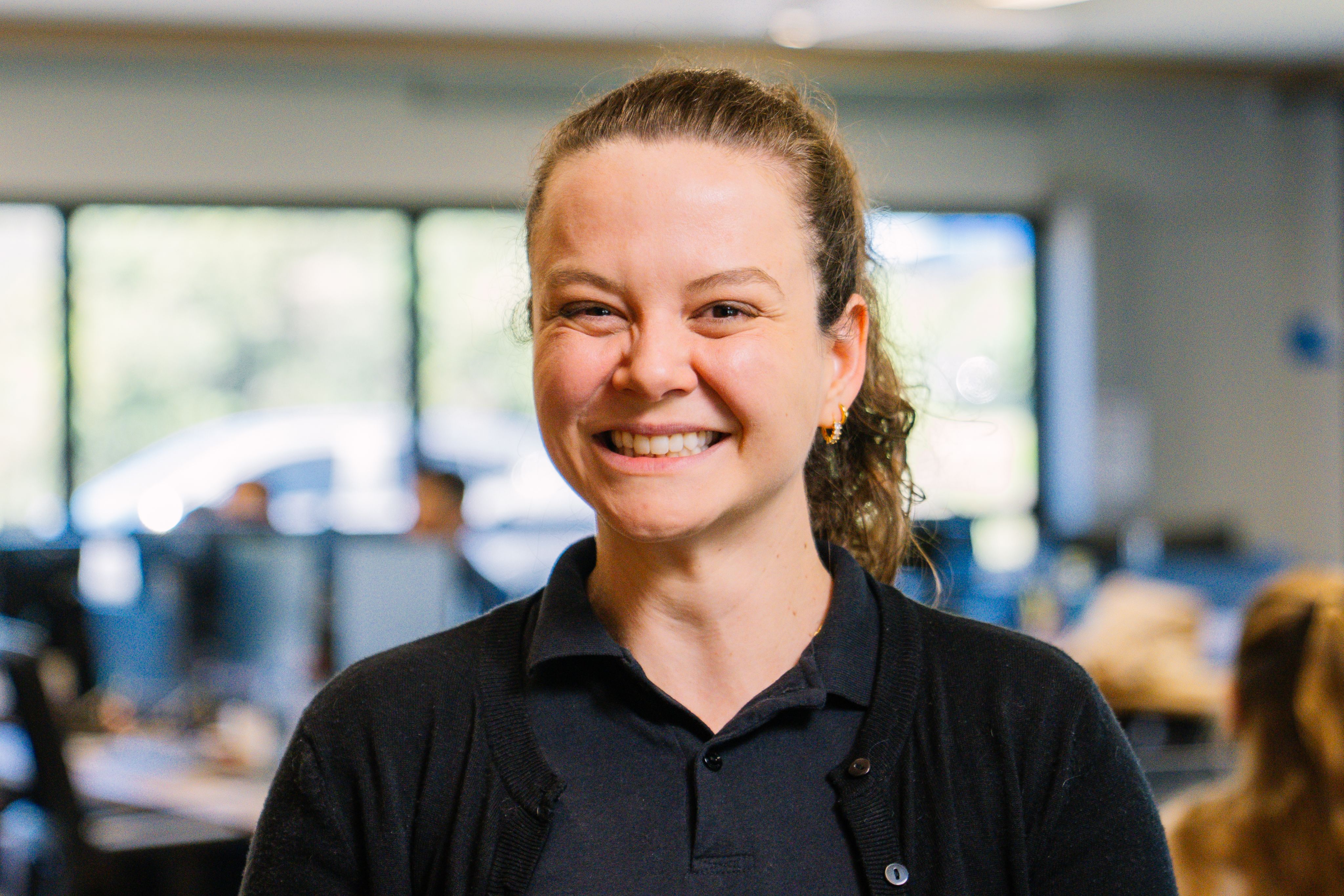
Tamila Kleine, regional coordinator of implementation of Wolbito do Brasil at the company's office in Curitiba, Brazil. Photo by: Léo Mello/Camisa Preta Filmes.
Tamila Kleine, regional coordinator of implementation of Wolbito do Brasil at the company's office in Curitiba, Brazil. Photo by: Léo Mello/Camisa Preta Filmes.


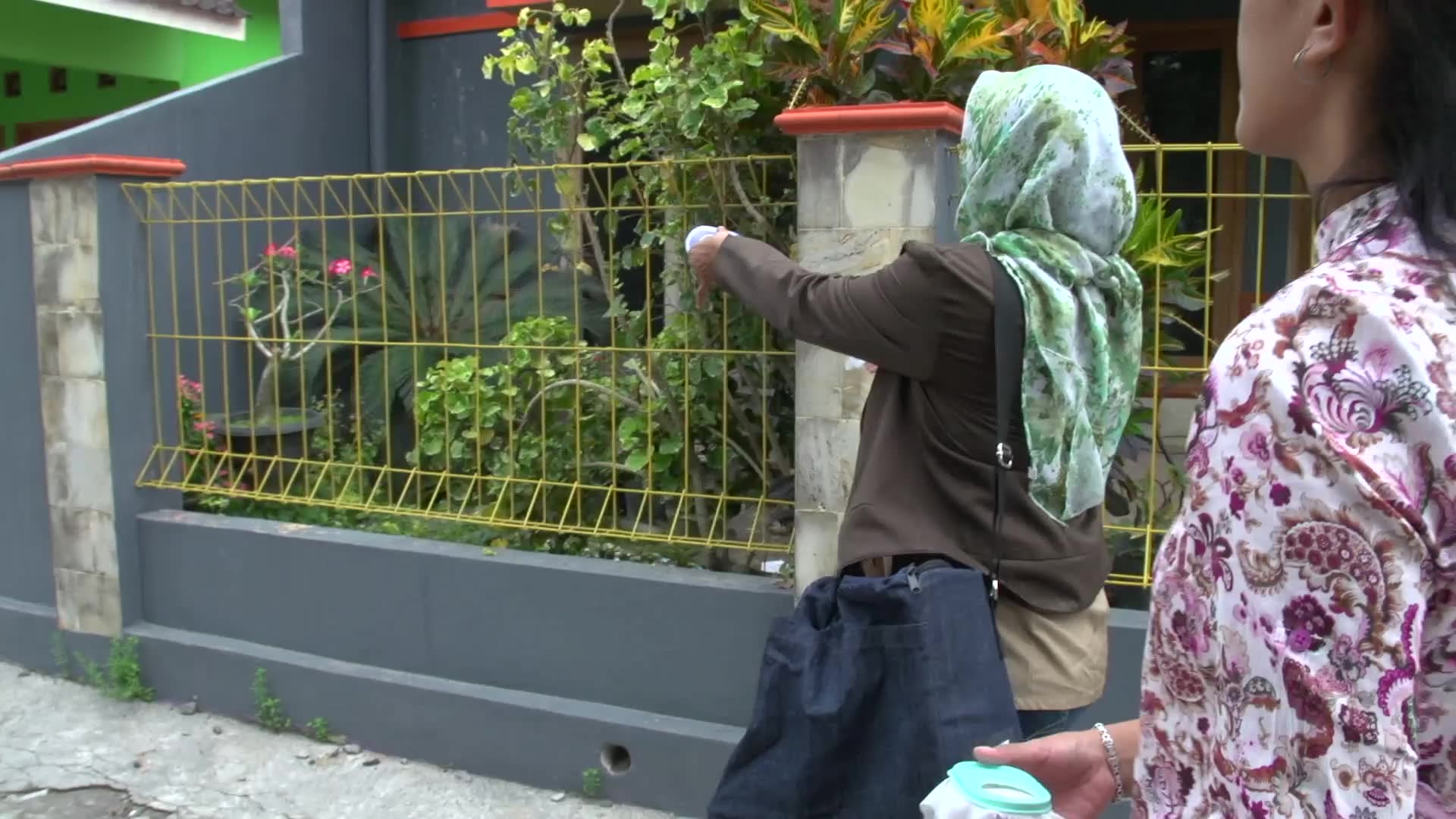
Before a single mosquito is released, teams spend months on the ground. They meet with community leaders, health officials, and school teachers. They knock on doors and hold meetings. The message is consistent: This is a temporary discomfort for a permanent gain.
“Once they understand the method, everyone agrees,” Kleine says. “We explain that it’s temporary. We’re not in the municipality forever. It’s a short period.”
The transparency is vital. The vans are clearly marked. The release staff are local. The ultimate goal? To ensure residents trust and understand the science, even if they are initially hesitant.
evidence of victory

The trust is being rewarded with results. The early data emerging from Brazil is positive. In Niterói, the first Brazilian city to be 100% covered by the method, dengue cases dropped by approximately 90%. This aligns with a peer-reviewed study conducted in Yogyakarta, Indonesia, which showed a 77% reduction in dengue incidences and an 86% fall in hospitalizations.
Joinville is seeing similarly encouraging early signals. While it’s still too early for definitive epidemiological results, field monitoring suggests Wolbachia has firmly taken hold in the release areas. “We finished the first release phase in Joinville with about 96% of mosquitoes in the area carrying Wolbachia — roughly 96 out of every 100 — which gives us a sense of security,” says da Silva.
To support Wolbachia’s establishment, his team adjusted the timing of other control activities — for example, delaying fumigation by a few days after releases — and has now begun monitoring the second phase, with results to be released by the health department.
Following the first release in 2011, the method is currently present in 15 countries, with releases coming to a close in East Timor. More importantly, independent risk assessments show no evidence of harm to humans, animals, or ecosystems — and release results indicating a decline in dengue cases and hospitalizations are consistent across the board. “Our results corroborate what other countries have found,” says Moreira. “Australia was more than 90% [reduction in dengue cases], Colombia as well. So it is pretty much what we are seeing in other countries.”

The success has galvanized the Brazilian government. Brazil’s health regulator approved the method in 2022, the Ministry of Health has selected the method as a key pillar of its national dengue strategy, and the Wolbito factory will go from supplying 11 municipalities to more than 40 areas by the end of 2026, Sylvestre says.
“We are really keen to see this going even bigger,” he adds. “In Brazil, we have a commitment with the minister of health to cover 7 million people every six months. ... We have a plan to cover close to half of Brazil in 10 years” — and that includes a second biofactory in the northeast of Brazil.
Mathias Westphal Gonçalves, WMP’s executive director of manufacturing, emphasizes that this government buy-in is the linchpin for scaling the method to the more than 90 countries with dengue cases. Beyond Latin America, that includes expansions in Africa and Southeast Asia. “Brazil is a big reference in terms of scale up ... to use as a model for other countries,” he says. “It's so important we have the partnership with government.”


A new normal


Back in Joinville, the vans will soon move on, but the “Wolbitos” will remain, silently doing their work. It is too early to give definitive figures on their impact, but in 2025, Joinville has so far only registered 1,159 dengue cases and no deaths. For residents such as Noel Maciel, the change is palpable. The frantic discussions about who is sick and who has been hospitalized have faded.
“This year, [dengue] has fallen dramatically,” Maciel observes. “People stopped commenting, stopped saying, ‘Oh, so-and-so has it, another so-and-so got sick.’ So, it really became very noticeable.”
As climate change continues to rewrite the map of infectious diseases, the collaboration between scientists in Curitiba and the communities in Joinville offers a blueprint for the future. It suggests that the most effective way to fight nature is not to destroy it, but to work with it.
“We are saving lives ... using this self-sustainable method,” says Sylvestre. “From science to large-scale implementation with great success.” In the battle against dengue, Brazil has found a powerful ally. And for the first time in history, that ally is the mosquito itself.
SPONSORED BY


CREDITS
Reporter/writer: Juliana Horta
Videography/photography: Léo Mello / Camisa Preta Filmes
Story editor: Rachael Perrett
Video editor: Léo Mello
Shorthand producers: Rachael Perrett, Olivia Scotti, Rebecca Radix
 Built with Shorthand