
Aid 2.0
Exploring innovative solutions to reshape the future of aid
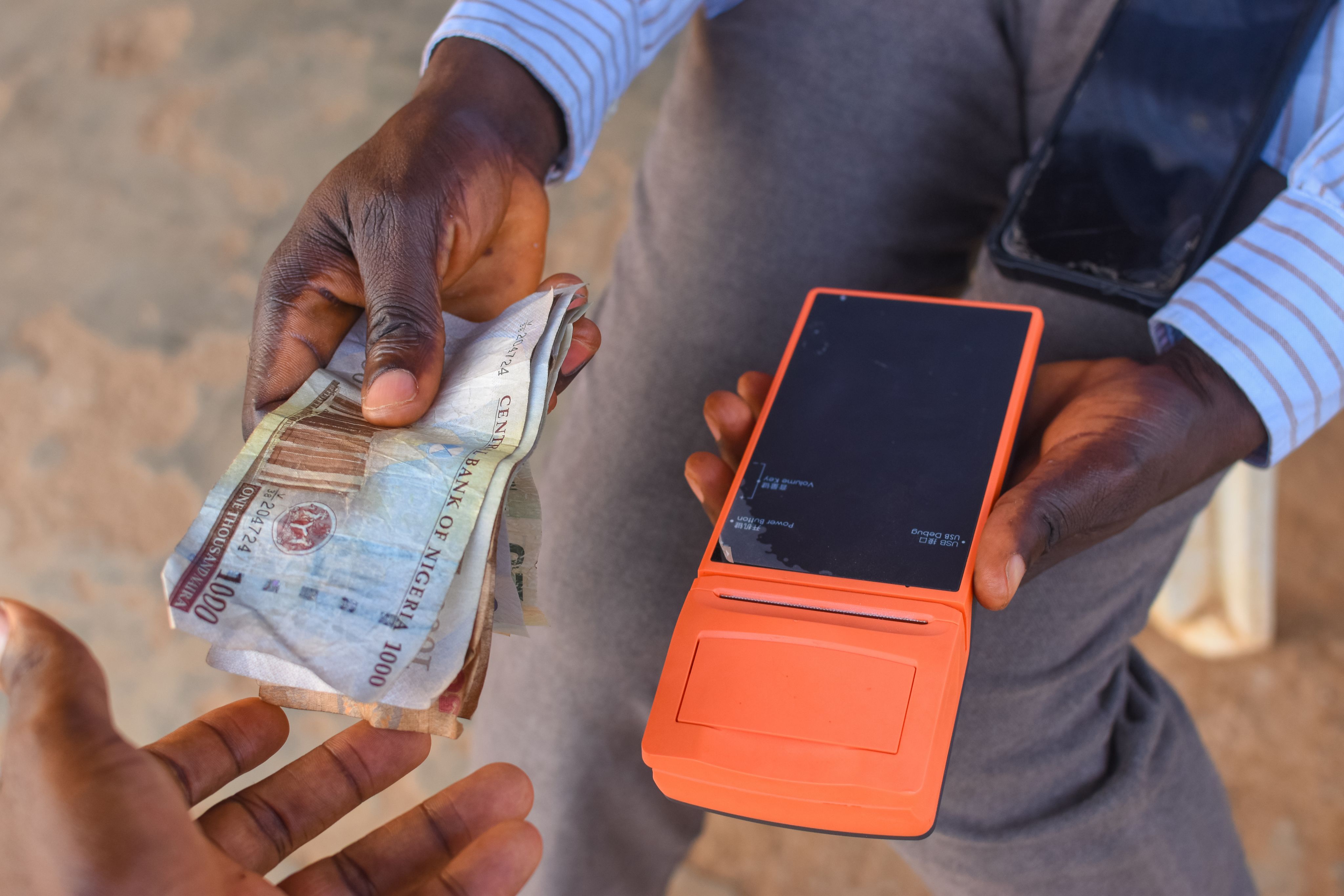

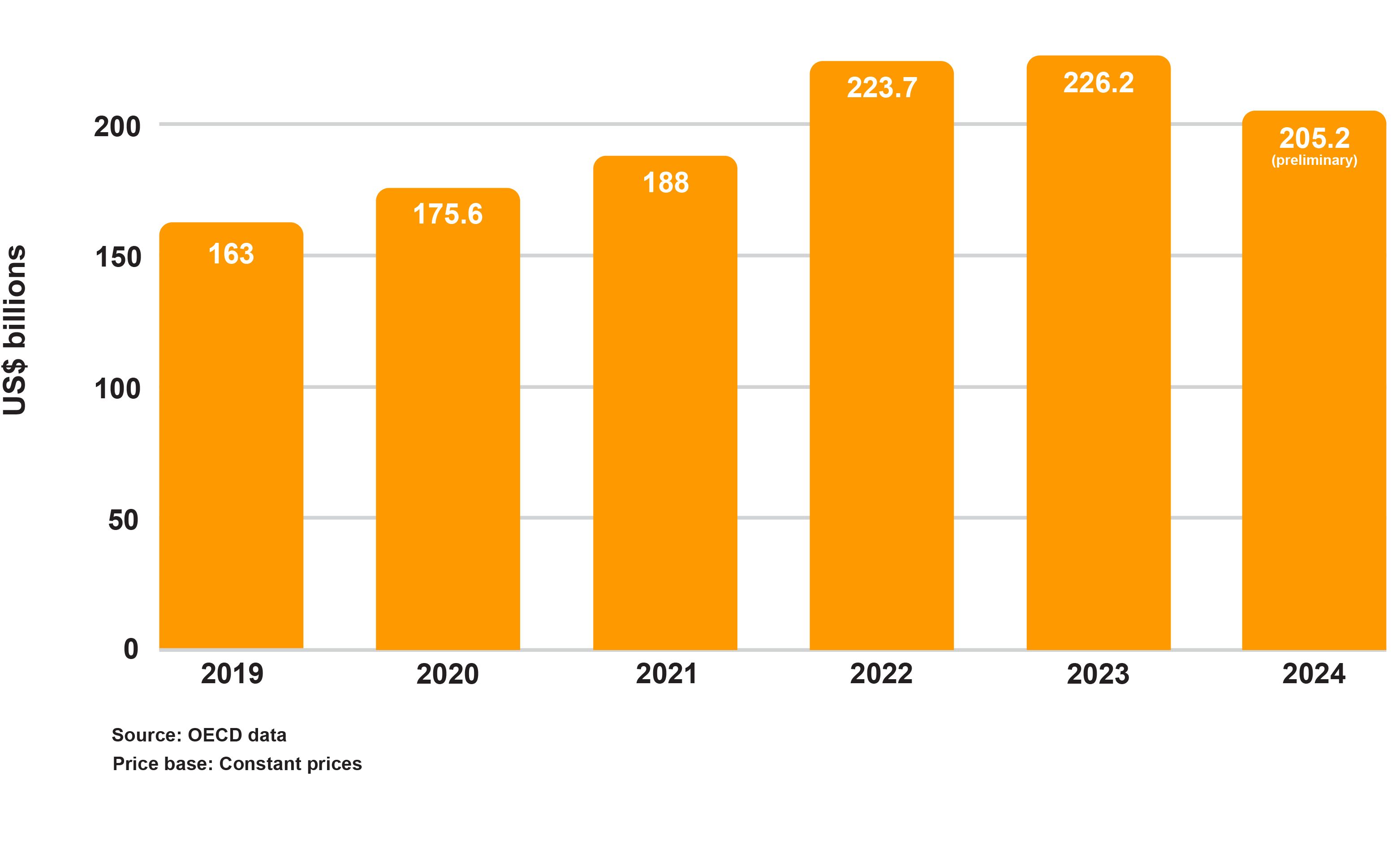
As escalating crises and shrinking budgets pressure traditional donor-driven models, the aid sector stands at a crossroads. Official development assistance, or ODA, fell for the first time in six years in 2024 — a 7.1% decrease in real terms compared to 2023. Yet low- and middle-income countries require an estimated $4 trillion annually to achieve the United Nations’ Sustainable Development Goals.
Recent cuts by major donors, including the sudden dissolution of the United States Agency for International Development and announcements to cut 40% of U.K. official development assistance, or ODA, over the next two years, have increased the burden, highlighting the urgency for new, more resilient approaches.


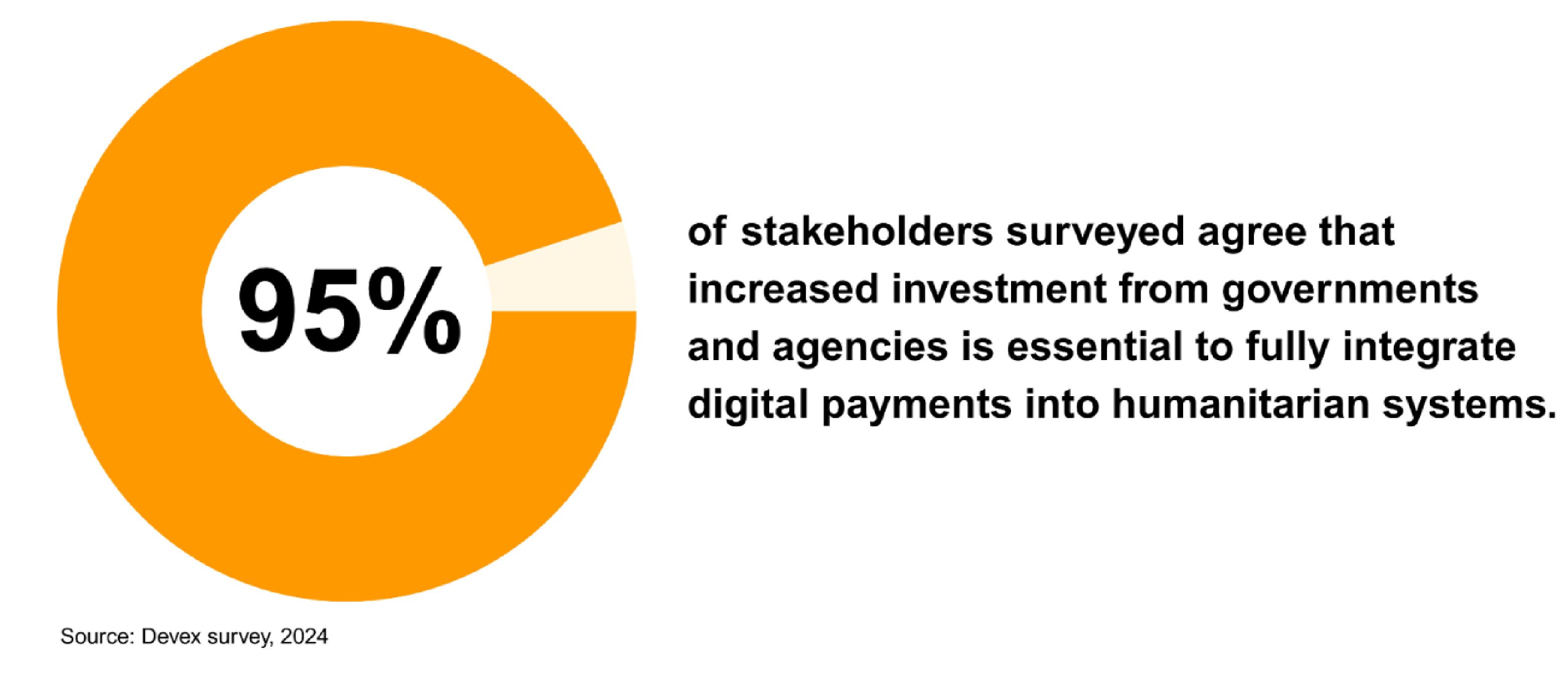
While funding remains critical to scaling solutions, expected ongoing strain on ODA means a business-as-usual approach is insufficient. Shifting donor priorities are pushing organizations to rethink old models and pursue systemic reform in the humanitarian and development architecture. To deliver more efficient and accountable support, the sector is investing in digital infrastructure, harnessing data to demonstrate impact and build trust, and forging strategic partnerships to streamline and amplify efforts.
Devex and Visa, drawing from expert insights and a 2024 online survey of 998 aid professionals on digital payments, examine the challenges and opportunities within these areas to address the widening gap and contribute to more sustainable aid systems.
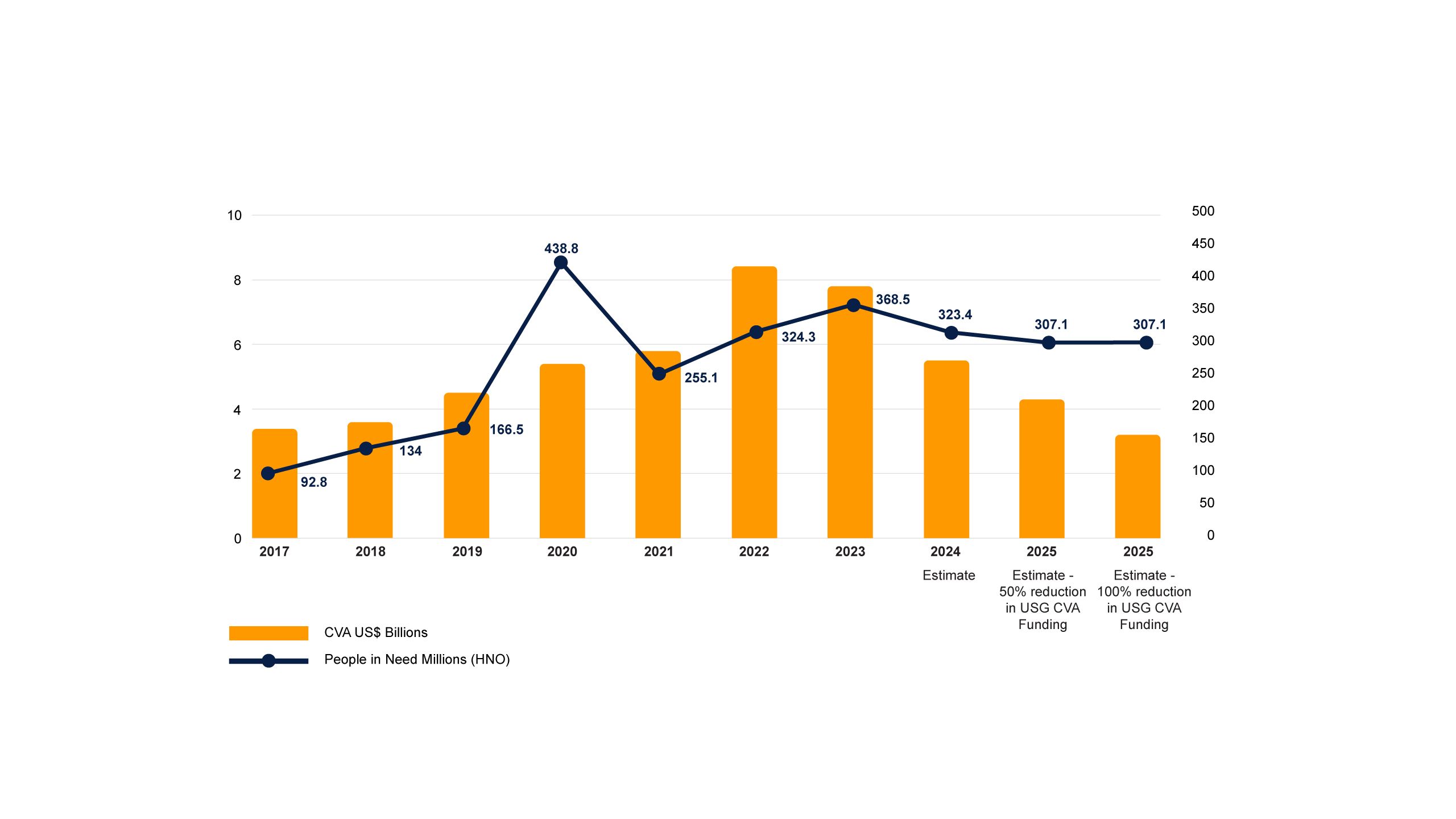
A CALP Network study reveals that global cash and voucher assistance (CVA) volumes could drop by 42% from 2024 levels — but with more than triple the number of people in need.

Building digital infrastructure to transform aid


Dealing with increasingly frequent and complex global crises amid a global funding shortfall requires innovative and adaptive solutions. Digital public infrastructure, or DPI, mobile solutions, and blockchain offer potential as tools to drive transparency, speed, and trust while expanding financial access to populations in crisis.
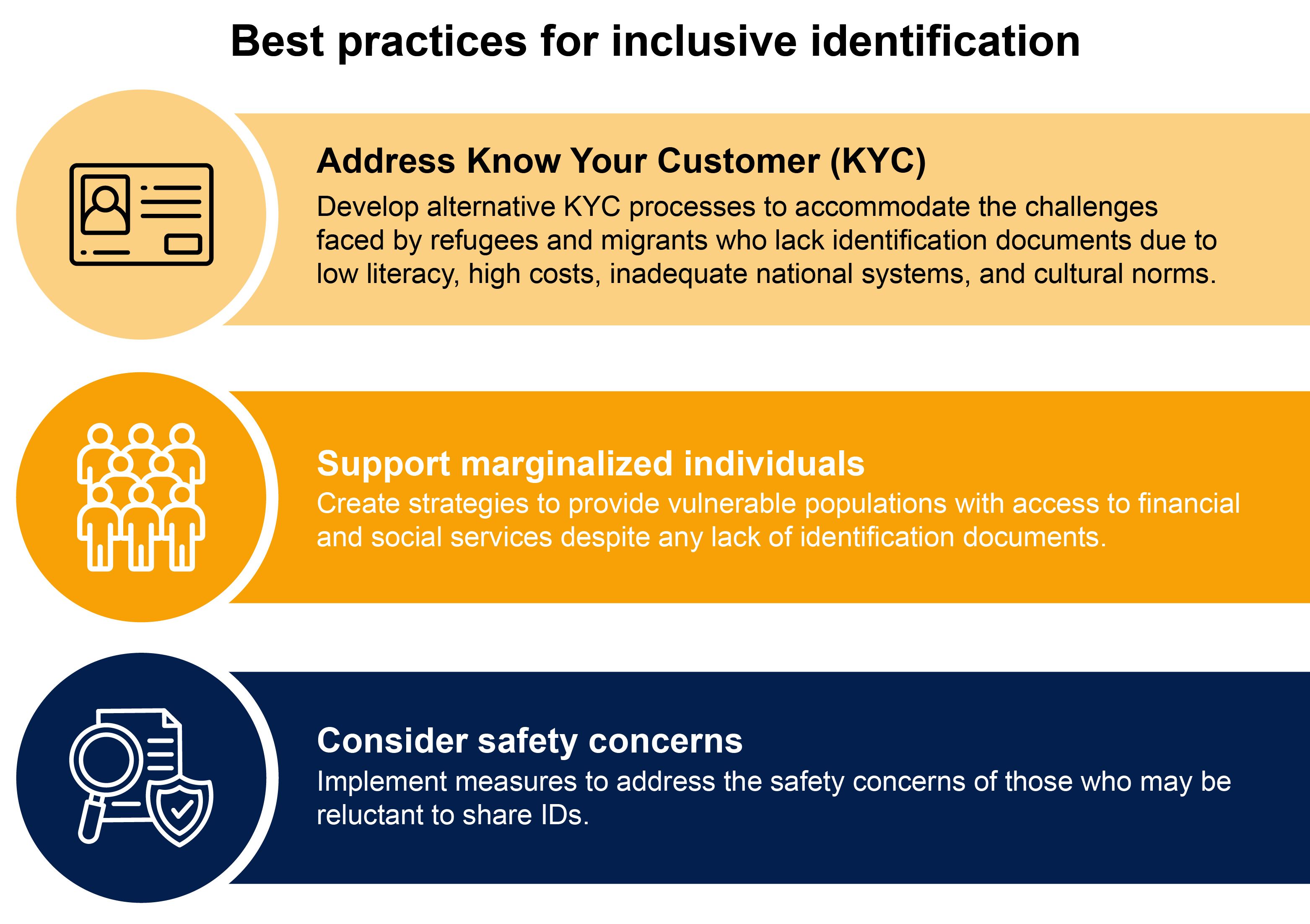
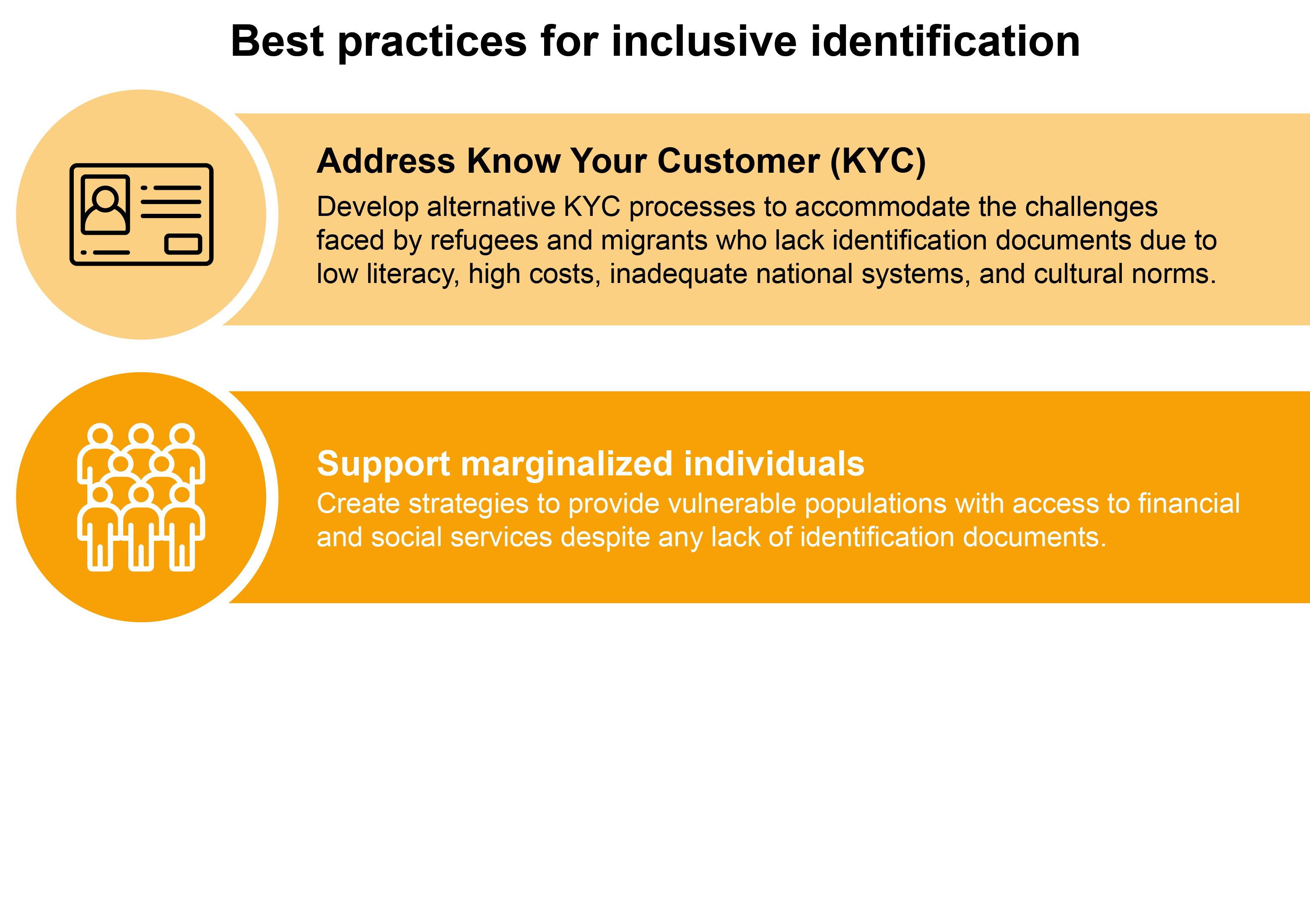
To access mobile wallets, prepaid cards, and other digital payment technologies securely and quickly, building robust DPI solutions like digital IDs is essential to ensure that the right individuals can access financial services during emergencies, and also enable aid traceability. Digital IDs can enhance access by bridging vulnerable populations who often lack formal IDs to the digital financial ecosystem.
For example, Ethiopia’s Fayda ID is an initiative that integrates displaced populations into the national digital ID system through a partnership between the government of Ethiopia and the UN Refugee Agency, UNHCR. Unlike temporary functional IDs issued by humanitarian agencies, Fayda ID grants legal recognition, allowing individuals to open bank accounts, access mobile payments, and register businesses, improving immediate access to aid while promoting long-term economic participation and resilience.
Emrys Schoemaker, Senior Director of Advisory and Policy, Caribou Digital, on the importance of digital IDs
Technology-enabled digital solutions
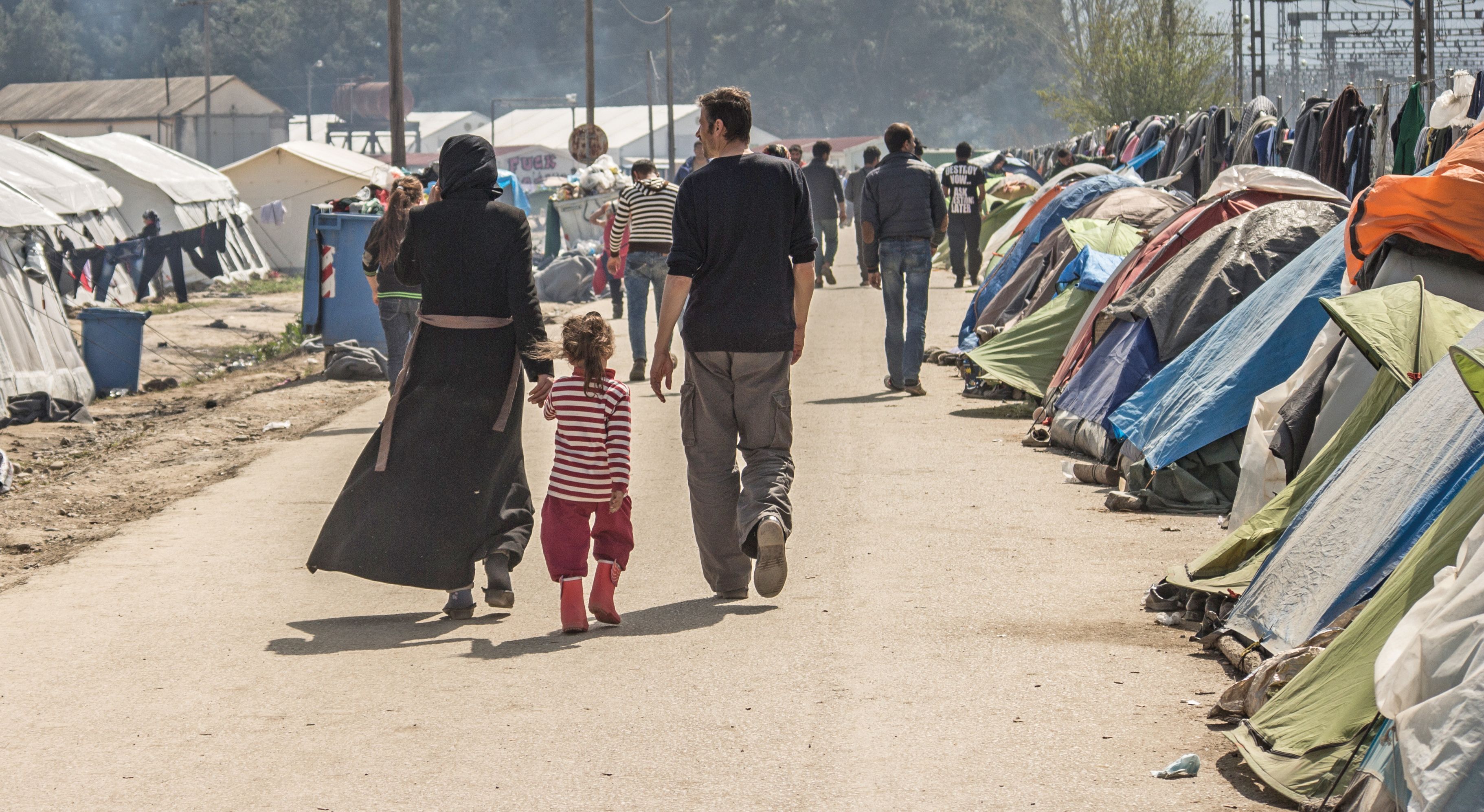
The Stellar Disbursement Platform is a blockchain-based platform developed by Stellar Development Foundation to enable rapid, secure, and transparent delivery of cash aid. Built on the Stellar network, the tool allows organizations such as the UN Refugee Agency and the International Rescue Committee to send digital payments directly to recipients' mobile wallets that are accessible even without a bank account. Recipients can then convert funds into local currency through certified partners. The Stellar Disbursement Platform is used in environments such as Ukraine, where it has streamlined aid distribution for conflict-affected populations, ensuring more control, dignity, and faster access to life-saving financial support.

Waterkit Wallet is a money-powered card that allows communities to access credit easily. With this card, users can directly access credit for water, sanitation, and hygiene services and energy products without having to pay any interest rates. Powered by a microfinance banking system, individuals can use the card at community stores, as well as access a digital wallet. The solution has currently enrolled over 500 water sources in Uganda.

Humanity Link is a digital platform that offers seamless registration and communication channels for vulnerable individuals, regardless of their literacy level or language proficiency. Catering to both smartphones and basic phones, the platform facilitates self-registration and conducts data cleaning, deduplication, and vulnerability assessments. It is also integrated with financial service providers to ensure quick and efficient disbursement of funds to those in need.
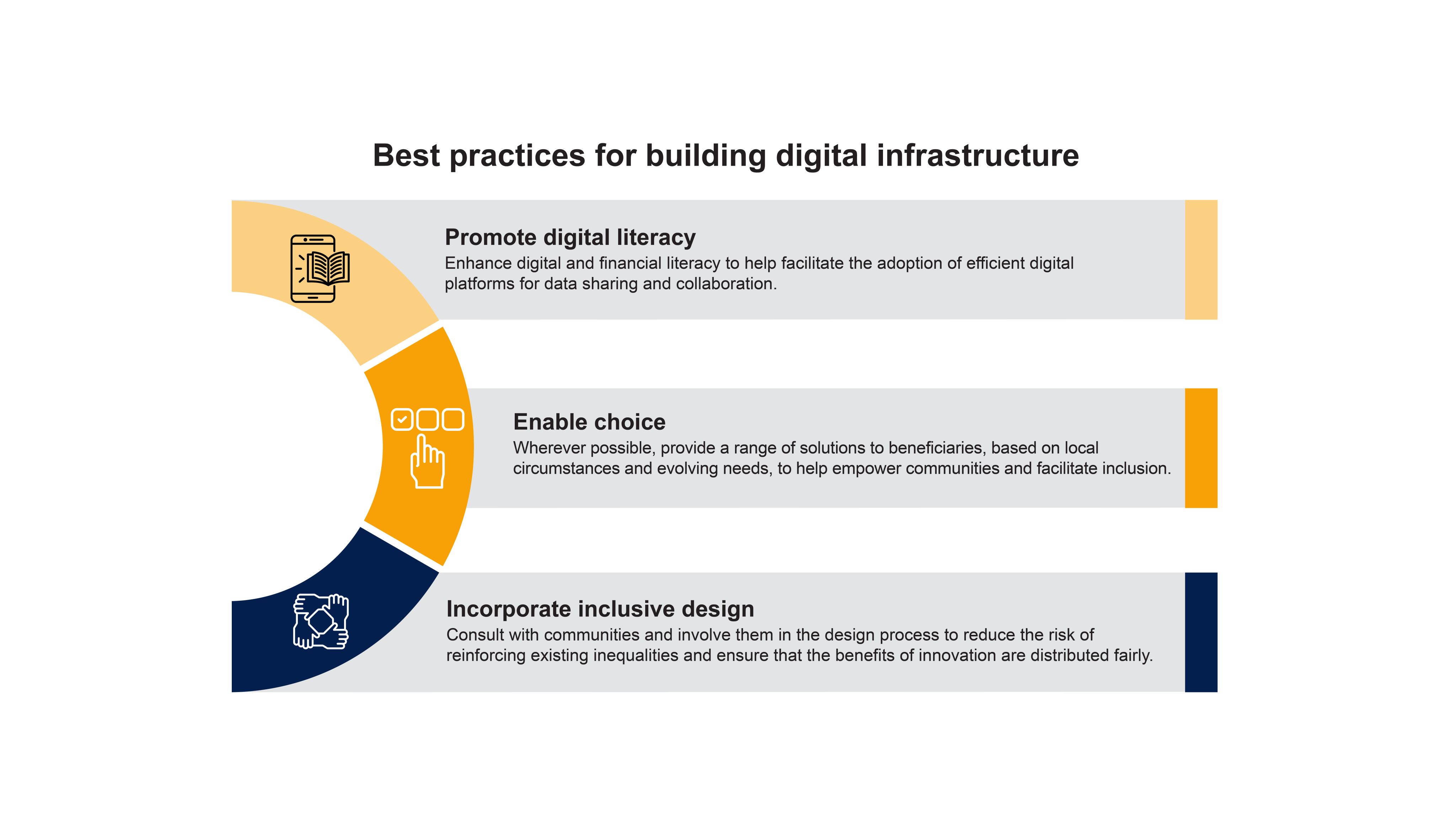
As technology becomes more central to aid, there's growing recognition of the need for digital tools to be inclusive by design. Many marginalized groups (such as women, the elderly, and persons with disabilities) face significant barriers to accessing digital financial services, including inaccessibility to ATMs and systemic exclusion due to legal or social status. While systems change is needed, addressing biases and ensuring inclusivity with digital tools are imperative, especially when leveraging nascent technology such as artificial intelligence.
“Let’s not miss the moment to redesign a system that works for all — if the new tool continues to exclude people who don't have access to or knowledge of blockchain, or know how to use AI, or feed into the design and development of AI and some of these tools, then is it really a new tool, or is it just a new way to exclude?”
— Stephanie Dei, Head of the Private Sector Partnerships Division at the International Organization for Migration
“Service delivery must be inclusive by design. That means offering both physical cards for those less digitally savvy, and seamless, digital-first options for those who are, without compromising service quality on either side. Both should provide the same level of service. We shouldn’t force aid recipients into one option or the other.”
— Michael Fabricius, Head of Customer Onboarding at Enfuce


Fragmentation presents another ongoing challenge to the sector, where efforts are often duplicated, uncoordinated, or siloed — leading to inefficiencies, delays, and even harm. Without shared standards and infrastructure, organizations may struggle to respond quickly or share insights that could strengthen outcomes.
“One of the biggest gaps is stakeholders’ reluctance to share data or adopt common systems due to data protection concerns and internal protocols. This hinders seamless coordination. Greater investment is needed in secure, shared platforms that respect compliance requirements while enabling collaborative access to essential digital payment information.”
Investing in interoperability and shared infrastructure can reduce inefficiencies caused by fragmented systems.
“Currently, the duplication of registration platforms, payment systems, and needs assessment processes leads to significant inefficiencies across agencies,” said Emrys Schoemaker, senior director of advisory and policy at Caribou Digital, a research and advisory firm focused on inclusive digital economies. “Transforming these systems won’t be straightforward, as solving these challenges requires not just technical innovation, but also deep cross-sector collaboration and a commitment to putting people and not platforms at the center of data systems.”
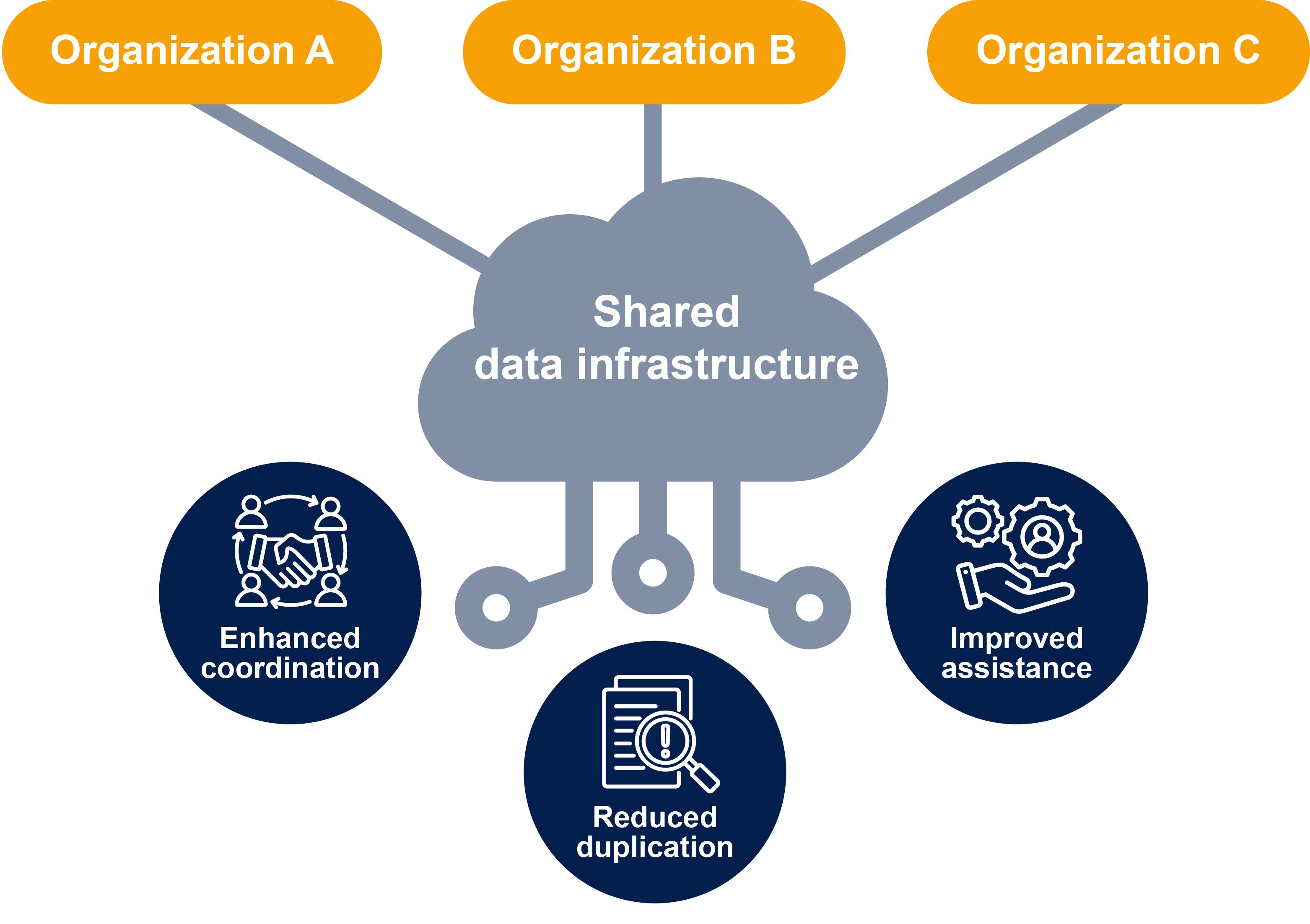
Improving aid delivery through shared infrastructure
|
UN Financial Gateway |
Building Blocks |
|
|---|---|---|
|
SCOPE |
• Global, with emphasis on developing countries and regions with significant displaced populations. • Launched in 2022 and supported by UNHCR's Treasury and Cash Service, the Digital Hub of Treasury Solutions, the UN International Computing Centre, and the Government of Switzerland. |
• Initiated in 2017 with a pilot in Pakistan; currently active in Bangladesh, Jordan, Lebanon, and Ukraine, where the program supports over 4 million people each month. • Involves collaboration between the WFP, UN Women, UNHCR, and other aid organizations. |
|
KEY OBJECTIVES AND FEATURES |
• Enhances digital financial inclusion and streamlines the delivery of humanitarian aid through digital financial technologies. • Standardizes and harmonizes infrastructure and processes for financial transactions across the UN system. • Aims to enable real-time aid delivery with minimal overhead costs, and promotes broader financial and economic inclusion. |
• Enhances the efficiency, transparency, and security of aid delivery by leveraging blockchain technology. • Facilitates coordination among organizations and streamlines cash-based assistance to refugees. • Uses a private blockchain network to record transactions securely — beneficiaries access aid through biometric verification, such as iris scans, reducing fraud. |
|
OUTCOME AND IMPACT |
• Improved efficiency across the UN system, enhancing financial, social, and digital inclusion, and helping beneficiaries access services, sustain livelihoods, and support local economies. • Reduces costs, saving up to $60 million annually. |
• Enhanced coordination among actors, reduced aid duplication, and faster and more secure assistance delivery. • Has processed over $555 million in cash-based transfers, saving approximately $3.5 million in bank fees. |

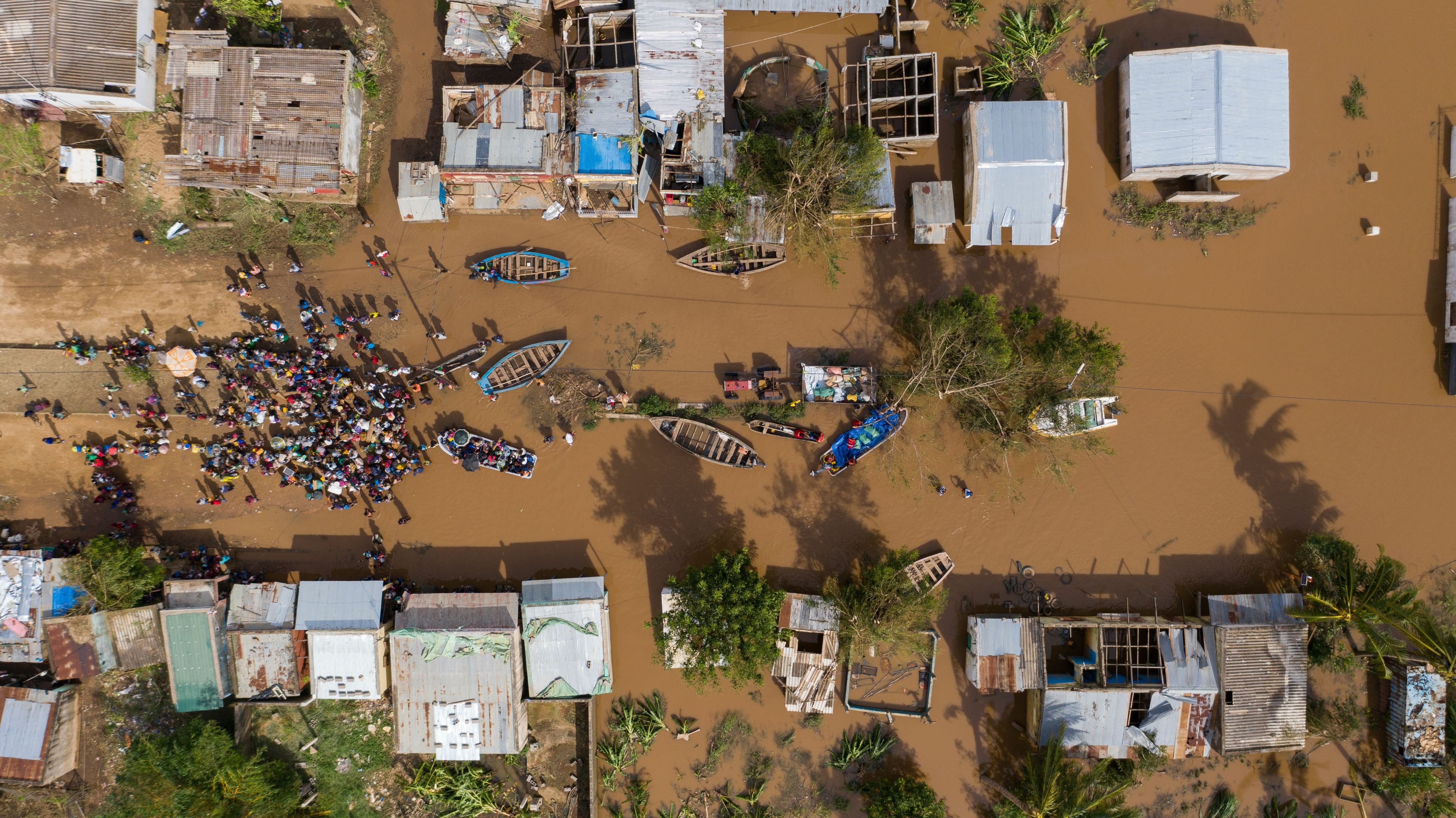
Carmen Hett, treasurer at the UNHCR, on how the UN Financial Gateway helps deliver aid faster, cheaper, and more equitably.
“We're building out inclusive and interoperable payment rails — including blockchain-based infrastructure — to expand our digital payment capabilities. The objective is to ensure that all modalities are operational and ready to deploy, tailored to the regulatory and operational context of each jurisdiction. Whether mobile money, card-based solutions, or bank transfers are most appropriate, we aim to have the necessary connectors in place. With these rails established, we can deliver assistance reliably through any required channel.”
— Carmen Hett, Treasurer at UNHCR

Strengthening data management for impact and accountability


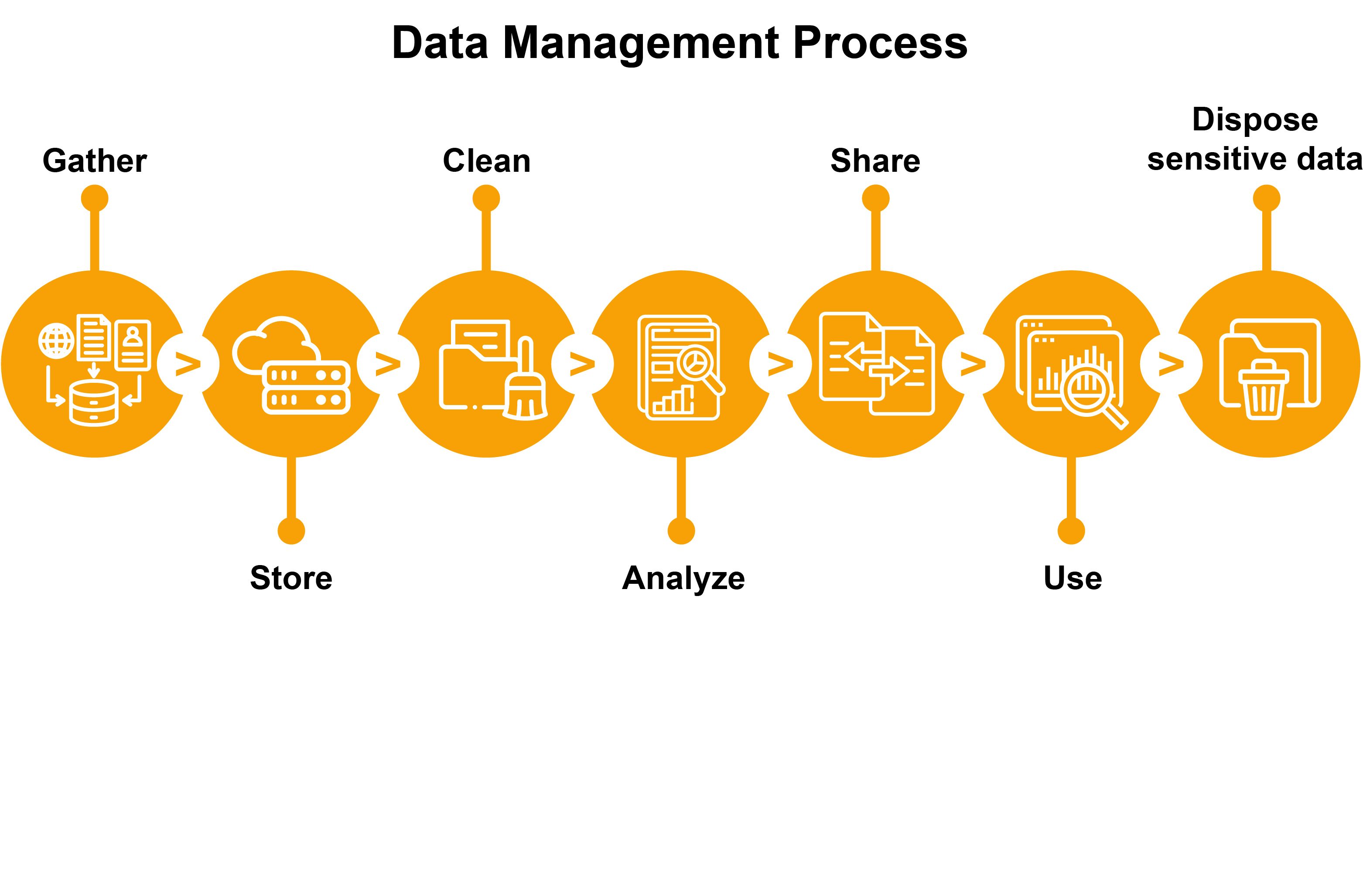
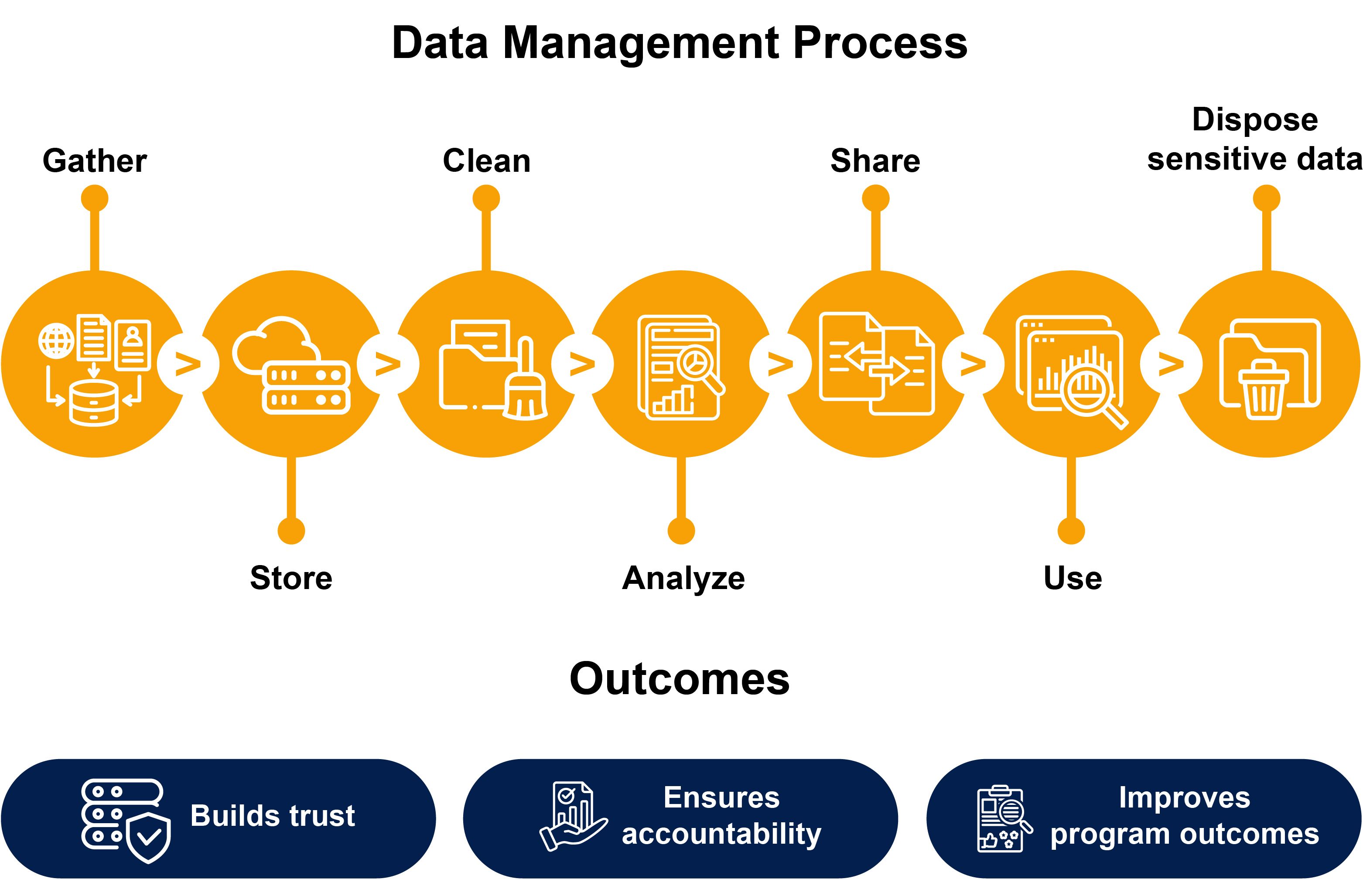
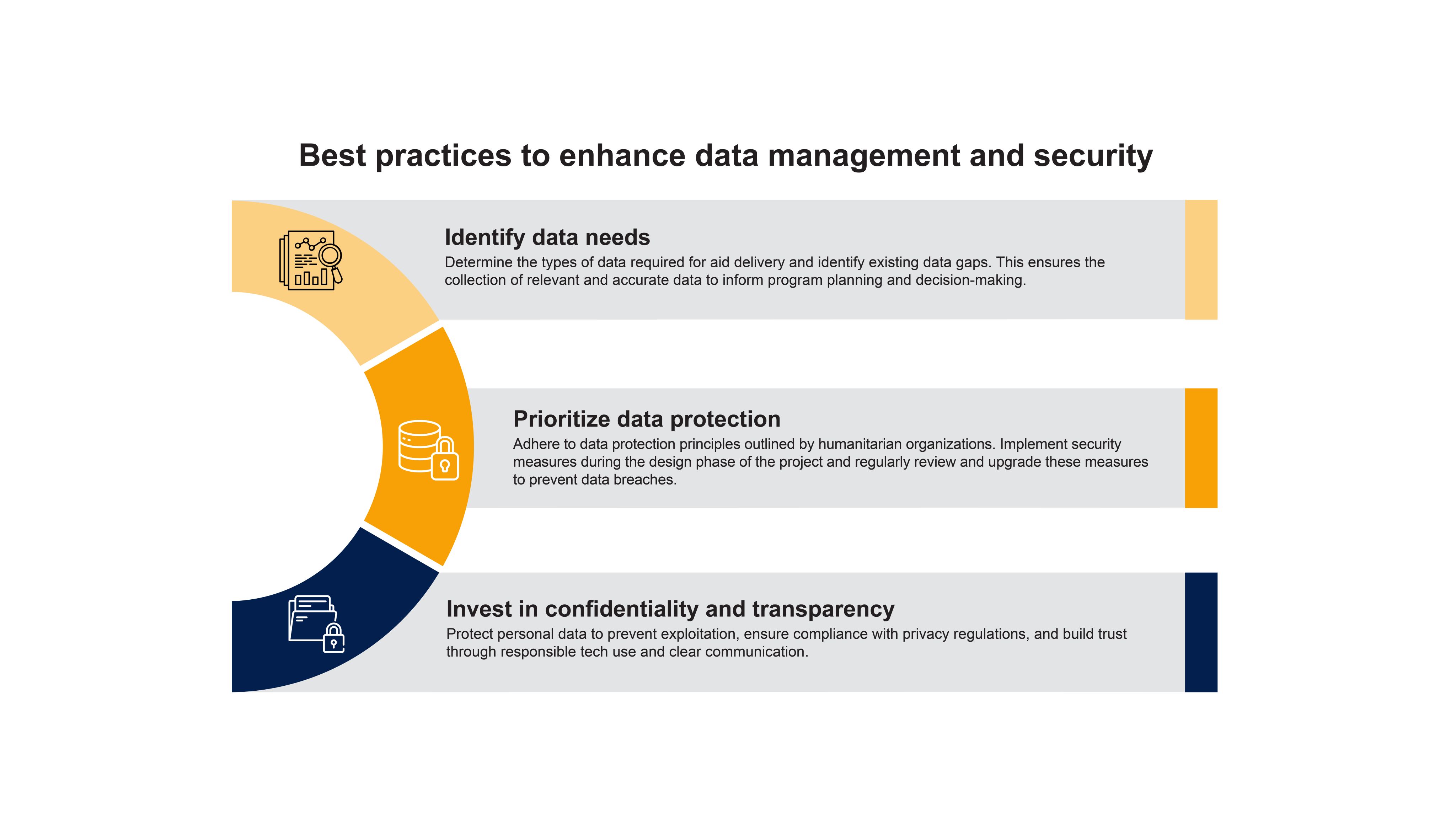
A strained funding environment underscores the need to ensure that every resource goes where it is needed most. Improved data management — or the process of collecting, storing, analyzing, sharing, and using data — ensures that resources are maximized by enabling evidence-based action carried out in a coordinated, systematic, and responsible manner. It fosters transparency and accountability while protecting aid beneficiaries from data misuse.
Collecting the personal information of aid recipients — including their location, cultural and economic background, and health status — helps effectively target beneficiaries and track financial aid. However, trust and data security issues make it difficult to collect personal data, with many wary of how their data will be used, and if it could be used against them.
“Every service provider we work with presents a list of KYC requirements. In many cases, it is difficult to fulfill these due to limited beneficiary identification. In others, concerns from both beneficiaries and from our side about how the data may be used or shared, creates additional barriers. This is why we aim to find alternative solutions in coordination with local communities, affected populations and financial service providers.”

Adhering to data protection policies on processing individuals' data increases transparency and allays fears around data security. These policies stress that personal data must only be processed for legitimate causes, and that recipients must be made aware of how their personal data will be used and by whom. Responsible data management also means that sensitive data should be stored only as long as necessary.
Incorporating digital technologies can also help to generate and safely process data to inform implementation. The UN Refugee Agency utilizes the KoboToolbox for real-time data collection, enabling faster and more precise responses during crises. Blockchain-enabled platforms, meanwhile, can create transparent, tamper-proof records while providing a platform for multiple entities to share data securely.
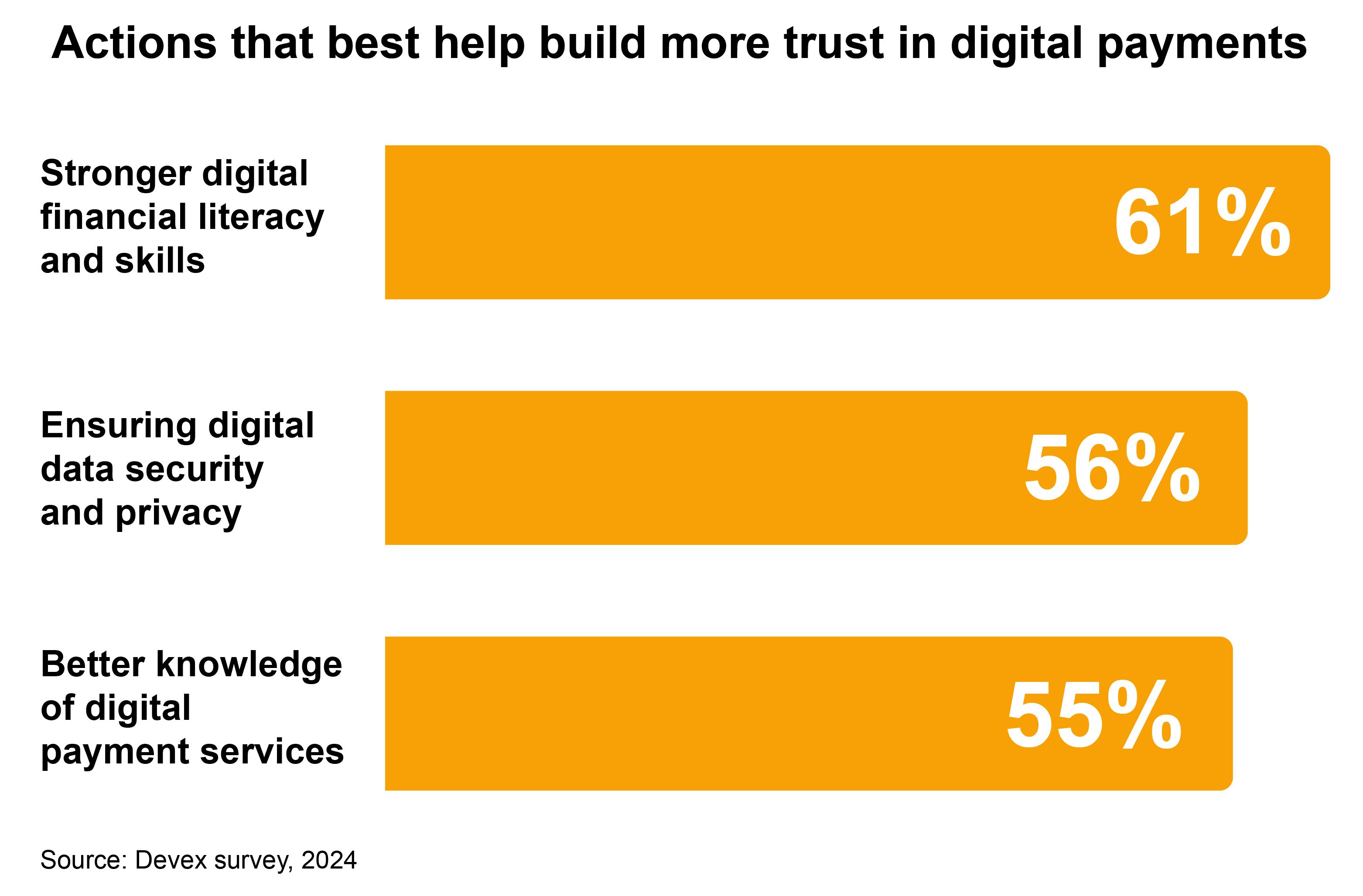
However, much work remains in building trust among partners. Sharing knowledge around how data systems work may reduce concerns around effectiveness and security among aid organizations and recipients. Increased transparency around data management and sharing methods can also foster trust, but experts say it needs to go both ways: transparency toward donors to build accountability, and toward recipients to build trust in aid programs.
“When we talk about blockchain and other digital tools, we have to ask, ‘Are we moving toward a system where the communities receiving aid can actually look on the blockchain and see who approved — or didn’t approve — their support?’” asked Mathew Truscott, head of the Geneva office at Oxfam International, adding, “Will they be able to see the digital IDs of the people allocating that aid? Right now, accountability feels one-way.”
Leveraging community-level data helps to ensure that donor resources achieve the most impact. This includes identifying risks and immediate concerns, cultural barriers and sensitivities, and other organizations working in the community.
Humanitarian agencies such as UNHCR often conduct needs assessments to determine the most immediate concerns and risks. In other cases, cash feasibility studies are conducted in collaboration with local organizations to help understand community preferences, cash utilization patterns, collection methods, and market dynamics.
For greater accountability, data in the form of community feedback can also be used to measure success and identify points for improvement in aid delivery. Organizations such as the World Food Programme and UNHCR utilize on-the-ground feedback to inform protection, assistance, and solutions programming.
In the context of digital-based programs, feedback mechanisms help improve digital tools and overall user experience. This, in turn, helps to increase the community’s familiarity and trust, and ultimately their participation in aid programs.
“There are still some from nongovernmental organizations and governments that think that a cash solution is better, and is easier to distribute. But the reality is [that] physical cash doesn’t help achieve financial inclusion. Because cash doesn’t generate data to show how they spend or save their money. Data is very important to show that this population displays good financial behavior and can build credit history. This can facilitate inclusion.”
— John Herreño, Chief Operating Officer at AAvance
With the amount of data generated and collected in aid and development initiatives, a systematic approach to data management helps ensure that donor financing stretches further. Effective data aggregation begins with reliable data sources that feed into robust and interoperable data systems, while responsible data management ensures all stakeholders are protected and well-informed.
Digital financial tools help facilitate secure, transparent, and aggregated data collection and sharing, and provide crucial information to partners. Insights on how, where, and when beneficiaries access and use aid and financial services are valuable for monitoring and evaluating programs so they can be continuously improved. They can also provide evidence of responsible financial practices and demonstrate how donor financing creates a positive impact within the community. This not only helps create financial inclusion but can also help unlock additional donor support by illustrating a return on their investment.

Strategic partnerships for a more resilient aid ecosystem

Overlapping crises create the need for not only rapid response but also coordinated, multisector solutions. As the funding landscape evolves, experts emphasize breaking down organizational silos, sharing resources, and collaborating more effectively across sectors — which may feel counterintuitive.
Joseph Oliveros, global cash lead at the International Federation of Red Cross and Red Crescent Societies, notes, “The current situation may heighten competition for resources to the point where it hinders progress, leaving us at an impasse and unable to create something truly new, meaningful, and impactful.”
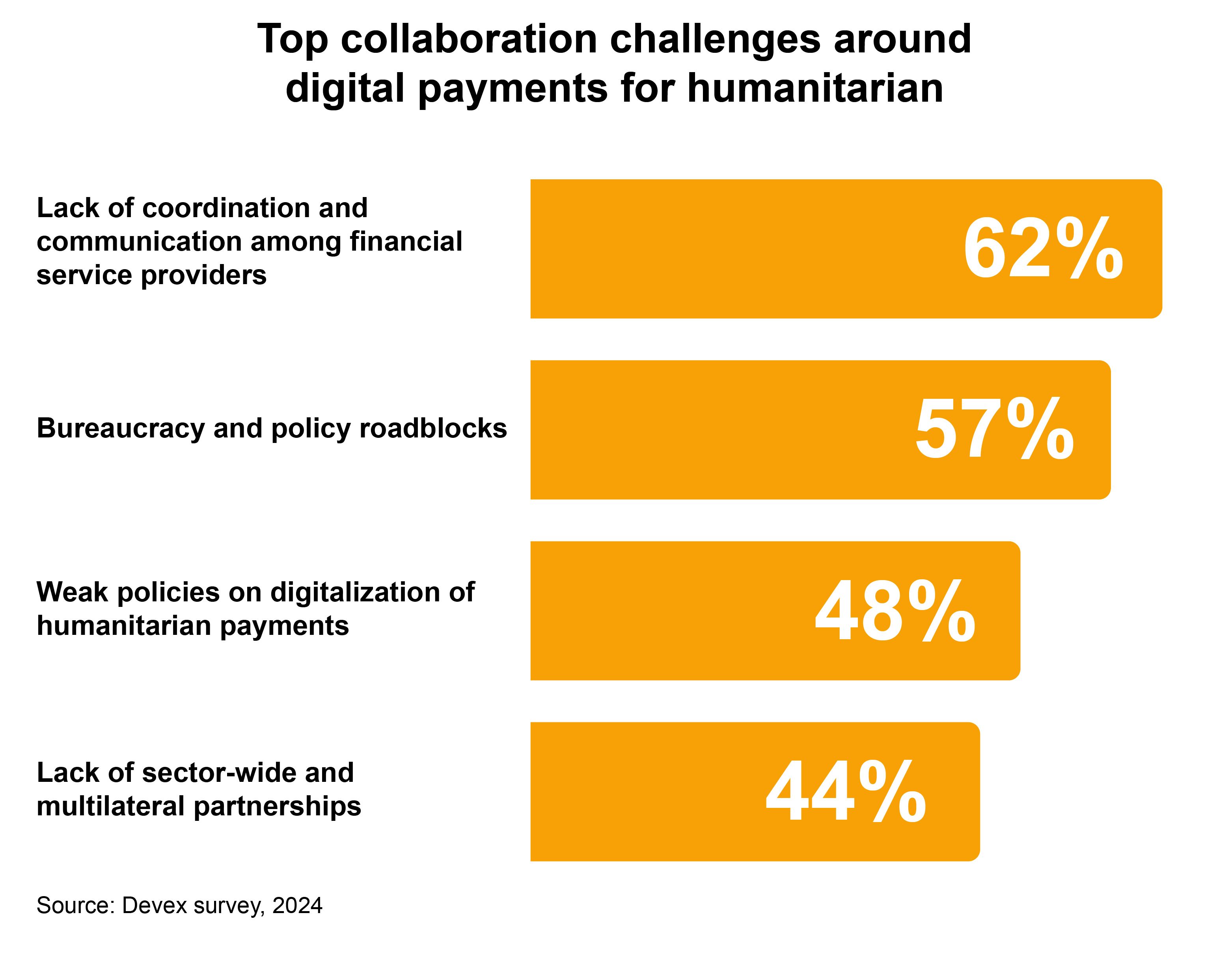


Collaborative approaches — such as developing shared infrastructure, streamlining support processes, investing in joint technology development, and piloting collaborative funding models — strengthen operational capacity while laying the foundation for a more cohesive and resilient ecosystem.
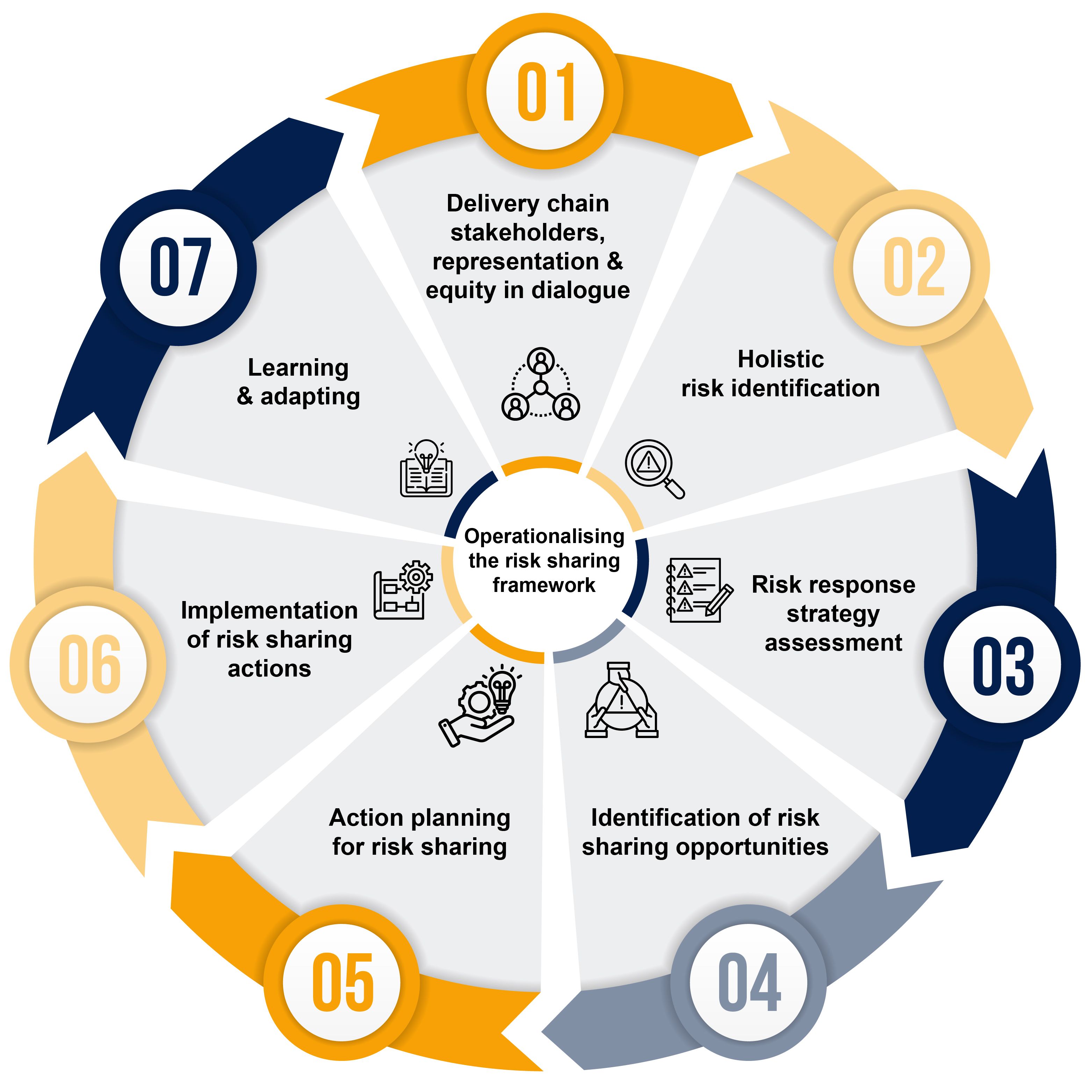
For instance, the U.N. Inter-Agency Standing Committee’s Risk Sharing Framework offers approaches that players can adapt to share responsibility for materializing risks and the burden of establishing preventative measures. This helps enable aid partners with varying risk appetites to share it so that the delivery chain can accommodate more risk, and partners are better able to achieve their shared goals.
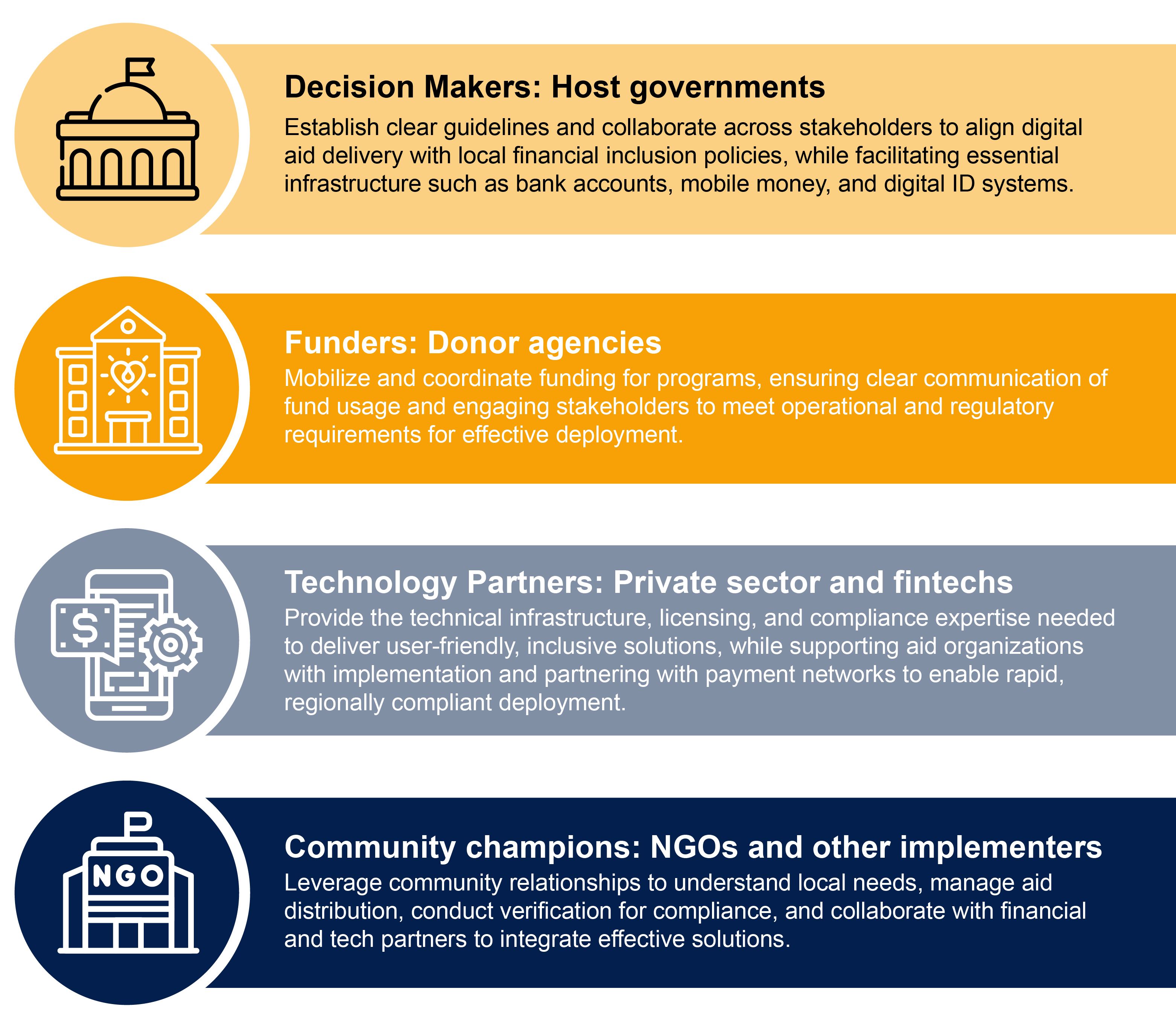
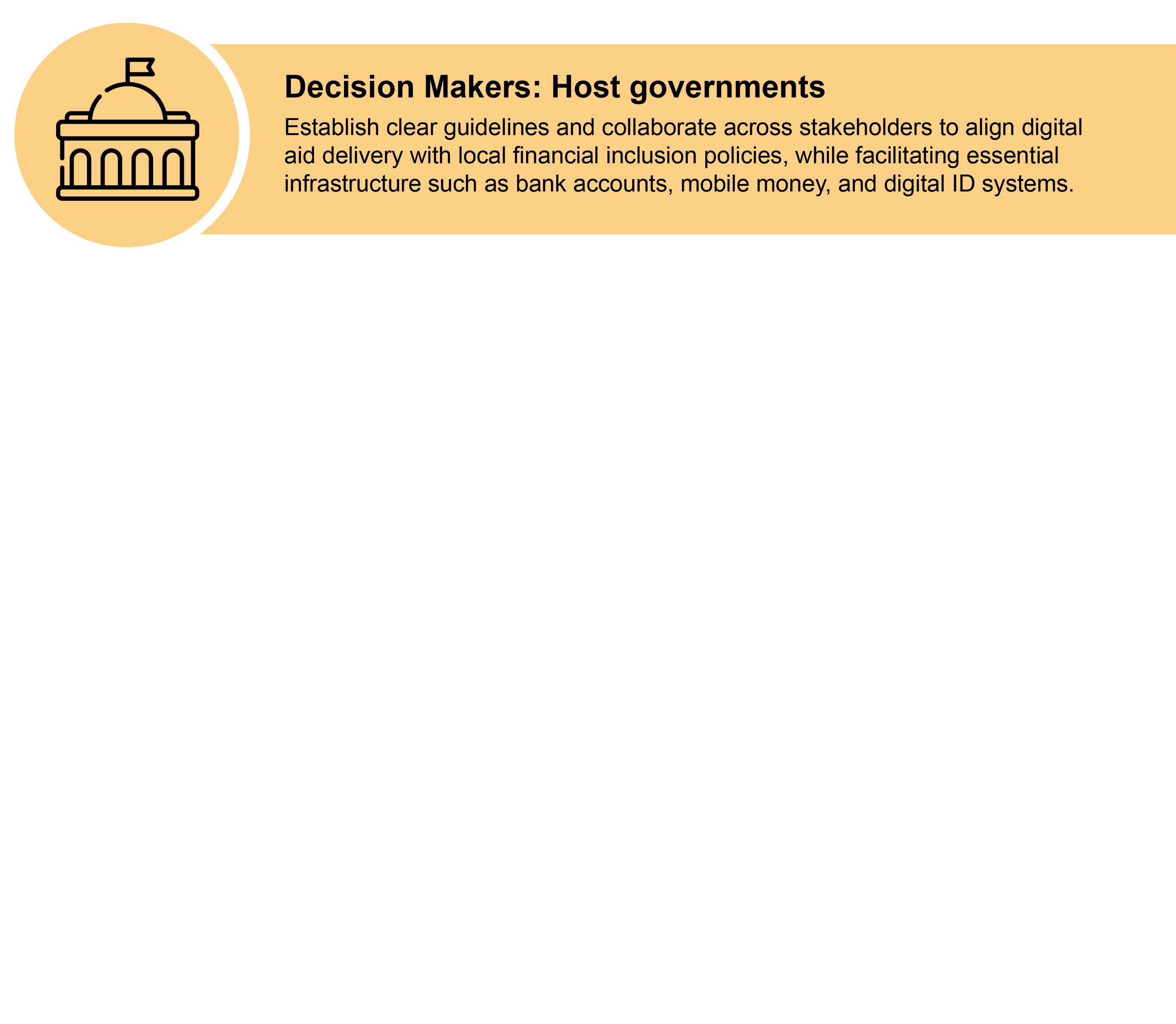
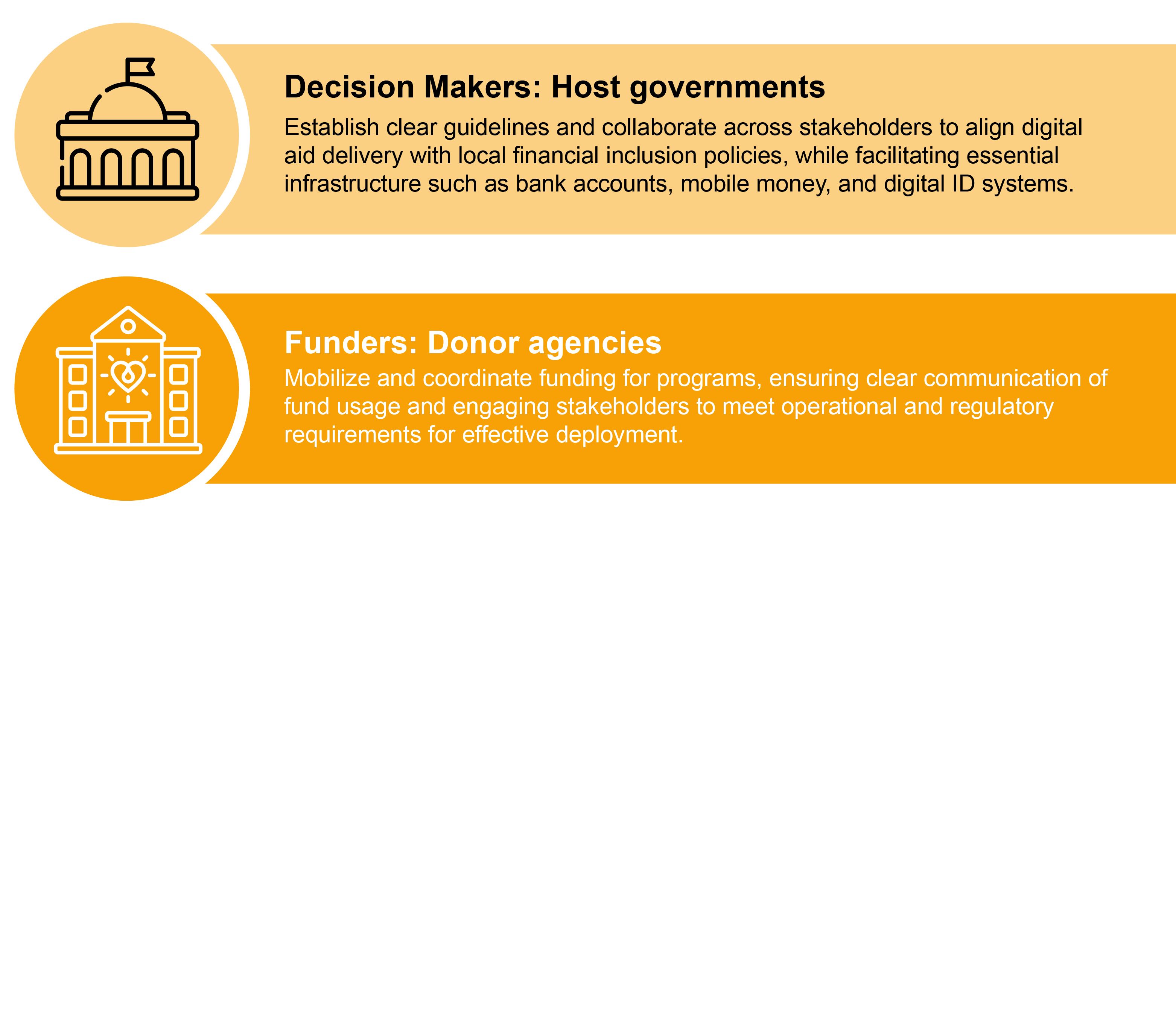
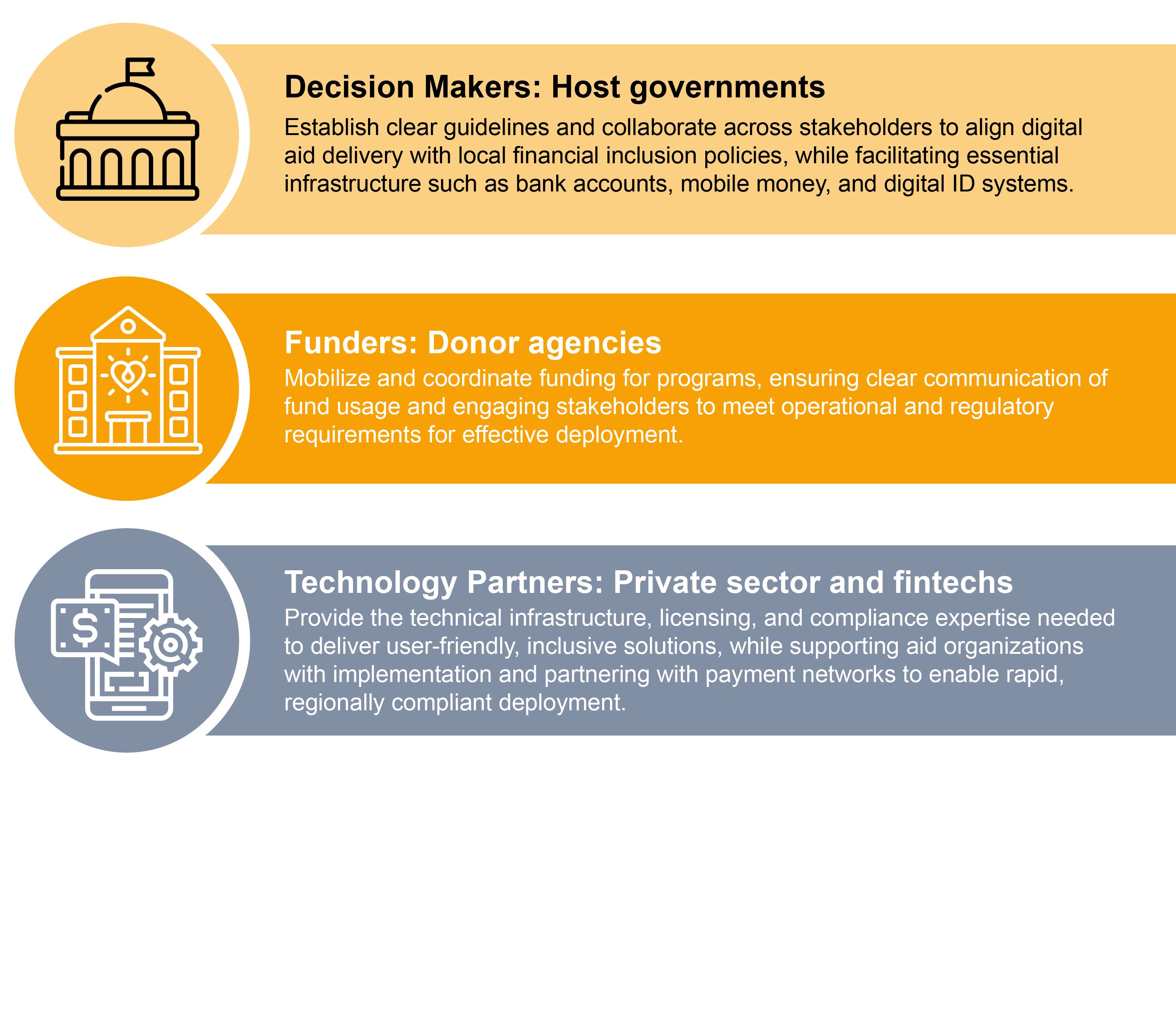
Cross-sector collaboration helps organizations, NGOs, government agencies, and the private sector to bring their distinct strengths to the table. Financial institutions and fintechs, in particular, are playing a growing role in developing tools and platforms that can support more efficient, transparent, and scalable aid delivery.
Building strategic alliances, particularly those that engage banks, fintechs, and digital payment providers, helps organizations align with shifting funding priorities. These partnerships are not intended to replace traditional structures but to complement them, offering additional capacity, expertise, and innovation.
“Everyone wants to be innovative, but very few want to be the first mover — especially when donor funds are at stake or when there’s a perceived risk to aid recipients,” said Tori Samples, director of product at Stellar Development Foundation. “This is where we can step in to support them in rolling out these programs.”

Fintech-driven collaborations

AAvance, a fintech that works for the financial inclusion of migrants, returnees, host communities, and the unbanked in Latin America, collaborates with local governments, NGOs, and communities to better understand their specific needs and inform their solutions. In fostering a partnership with Visa, AAvance integrates financial education with banking access, enabling informed decision-making and long-term stability. They’ve also partnered with Visa Social Impact and microlearning platform Enko Solutions to launch a financial education platform for entrepreneurs, helping users establish businesses and strengthen their credit profiles.

Finnish issuer processor Enfuce merges innovation, security, and top-notch expertise to craft modular, scalable, and cloud-based card payment solutions. In partnership with Visa, Enfuce developed the First Aid card, a prepaid disbursement solution built for rapid crisis response. In 2022, Enfuce and Visa worked with nonprofit Welcome.Place to distribute prepaid cards to Ukrainian refugees in France, enabling them to purchase essential goods and services. Enfuce’s infrastructure also powers government programs in Finland, providing disbursement cards to unbanked populations, including immigrants, those in the prison and probation system, and social welfare recipients, ensuring timely, traceable access to funds when it matters most.
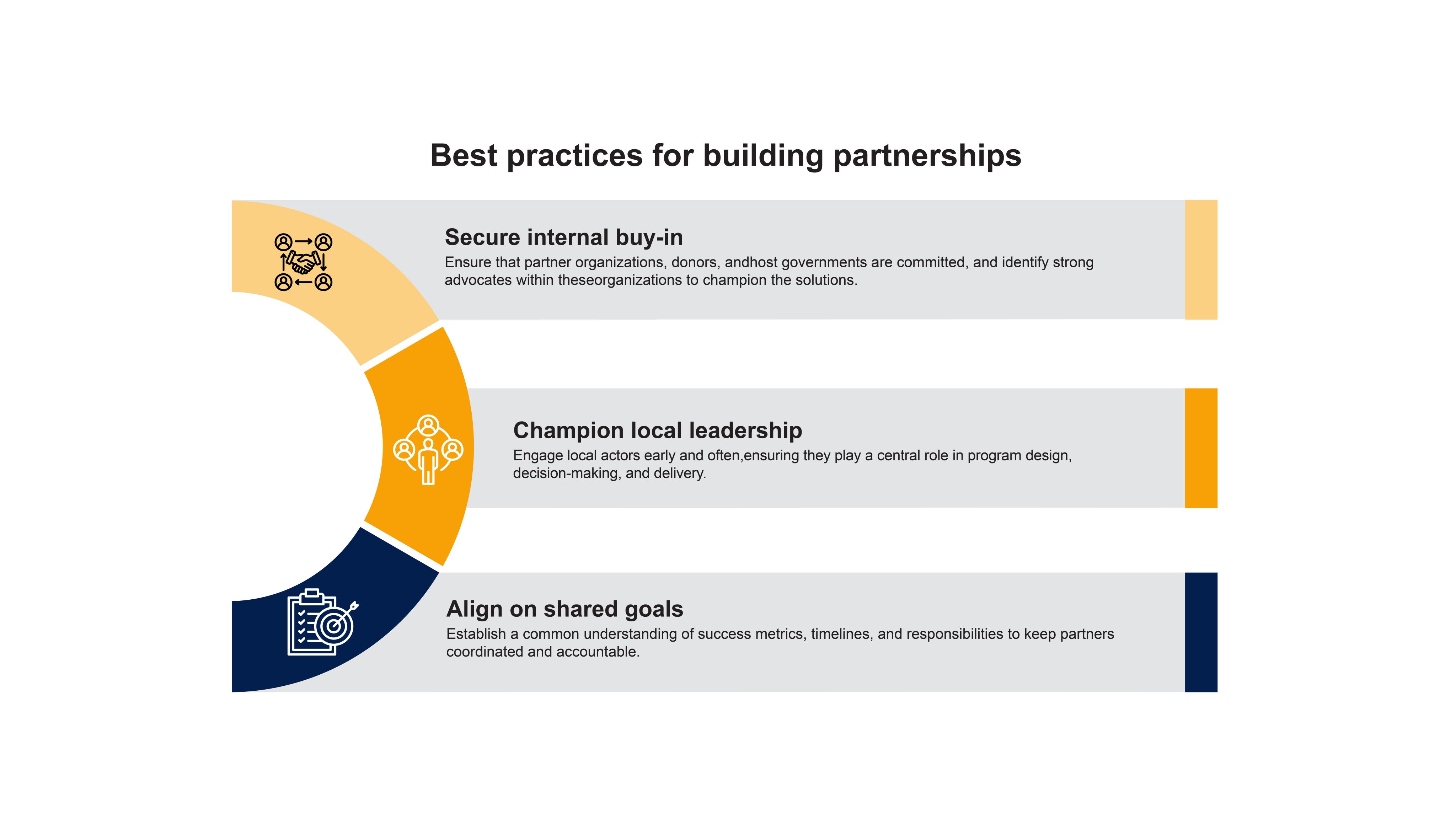
Experts also emphasize trusting local NGOs, engaging communities in decision-making, and strengthening the role of local markets and first responders. Through developing partnerships that support locally-led solutions with sustainability and resilience at the core, initiatives can invest in infrastructure, provide digital tools, and build the long-term capacity of frontline actors.
As the sector continues to navigate this evolving landscape, identifying emerging partners, fostering effective partnerships, and leveraging private sector expertise in aid delivery, compliance, and impact measurement remains central to advancing aid. Prioritizing collaboration, rather than competition, involves active discussions on how shared services and co-designed solutions can build a more efficient, inclusive, and sustainable ecosystem.

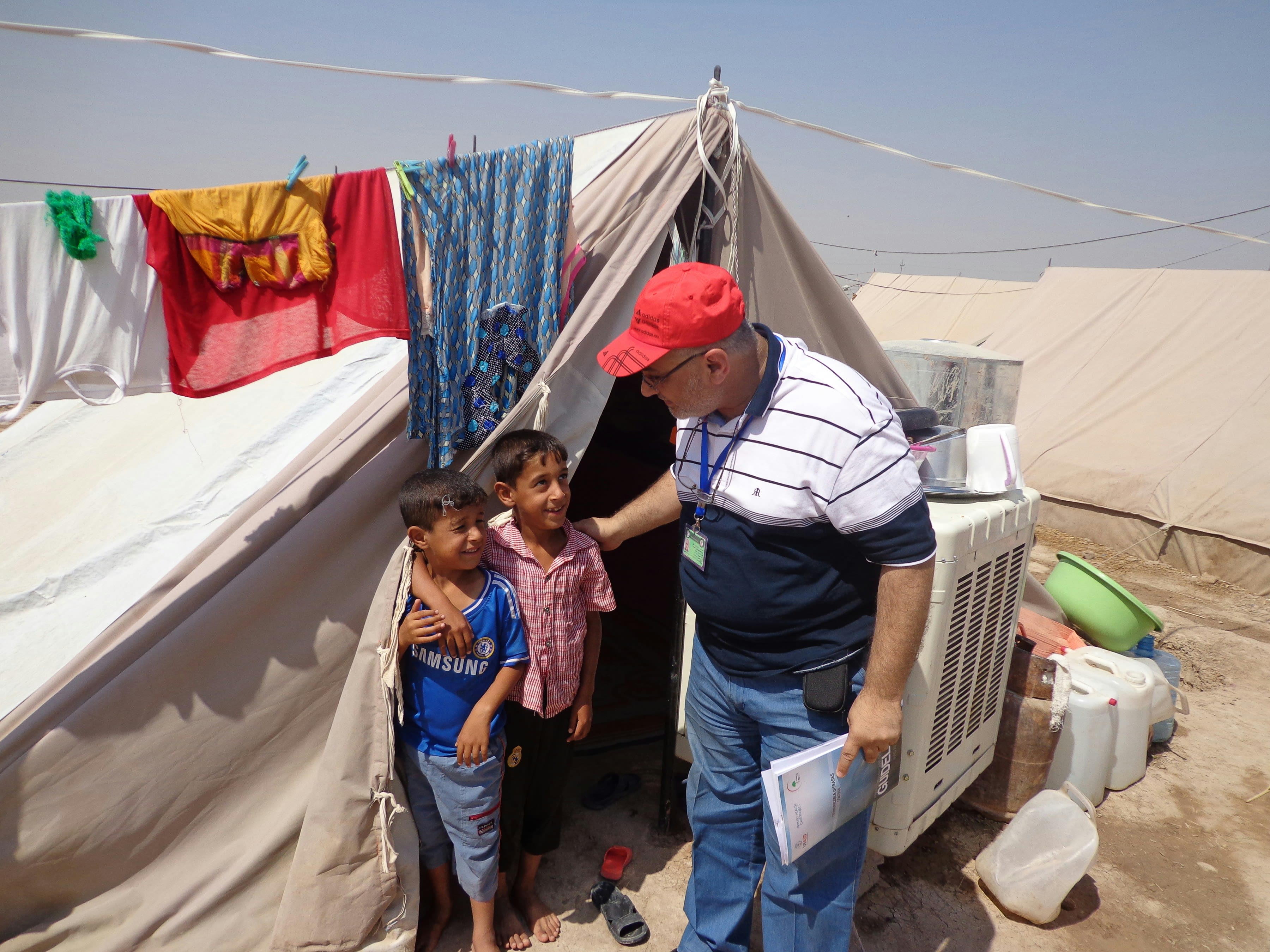
“Successful partnerships start with communities themselves and knowing what barriers to access they experience. It’s important to know how they want the assistance delivered to them in a way that is inclusive, safe, and user-friendly. Direct community consultations are helpful, as is working with local actors, including local NGOs and community-based organizations.”
— Tenzin Manell, Technical Director of Cash and Markets, Community Organized Relief Effort, or CORE

Conclusion

Shifting donor priorities, increased scrutiny, and strained aid structures have prompted calls for a recalibrated approach. There is a growing opportunity to rethink outdated systems and reimagine approaches that were already under strain well before recent political shifts disrupted funding flows. But meaningful transformation will require more than incremental fixes — it calls for a structural overhaul.
In reimagining the aid ecosystem, digital infrastructure, robust data management, and strategic cross-sector partnerships are emerging as foundational pillars:
- When designed with marginalized communities and local partners at the center, digital IDs, blockchain platforms, and interoperable systems can help increase inclusion, transparency, and efficiency.
- Effective data use can facilitate more accountable programming and deeper trust between donors, implementers, and recipients.
- Strategic partnerships are essential for adaptive, scalable, and community-centered approaches that go beyond short-term fixes to build long-term resilience.
Architectural change will require long-term planning, investment in shared infrastructure, and systems rooted in sustainability, equity, and trust. The future of aid will not be led by any single actor or solution but co-created through shared systems, co-designed tools, and collective commitment to resilience and localization.
SPONSORED BY


Visit Reimagining Aid — a series spotlighting insights and recommendations on how to deliver next-generation humanitarian aid.
This content is sponsored by Visa. To learn more, visit the Reimagining Aid website.

 Built with Shorthand